A red that looks right in the tube can look wrong on your mouth, and the pigment underneath is usually the reason. Cool reds carry blue or purple. Warm reds carry orange or yellow, and each tends to sit best on the matching skin undertone.
Neutral undertones wear both families.
Red is technically a warm color, so a cool red is really a red that blue pigment has pulled cooler (Red Apple Lipstick).
Teeth look whiter next to a blue-based red and yellower next to an orange-based one. It’s an optical effect, and no lipstick actually whitens teeth.
What separates a cool red lipstick from a warm red lipstick?
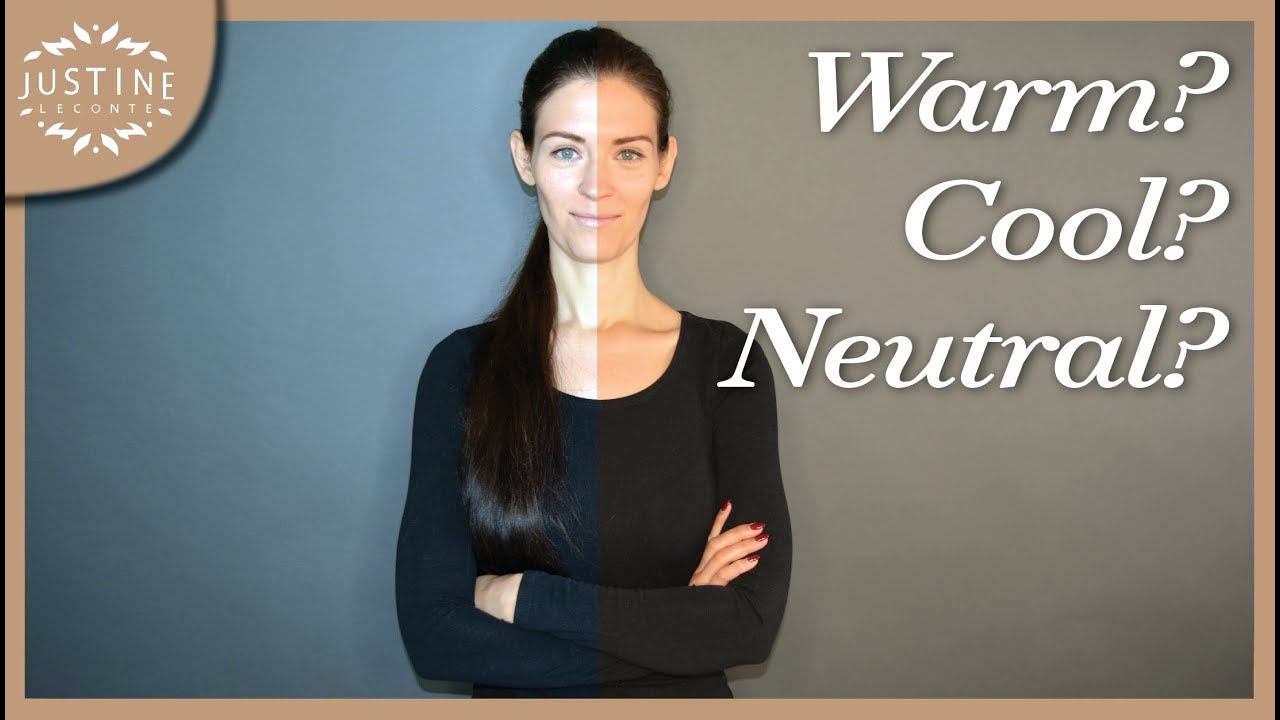
Sorting reds into cool and warm comes down to the pigment base underneath. Blue-purple makes a red cool, and yellow-orange makes it warm.
That base is the lipstick undertone, and it decides whether the red looks crisp and bluish or glowing and orange once it’s on the lips.
A cool red has blue or purple in the base, which tips it toward pink-violet. A warm one has orange or yellow, and it tips toward peach and brick. A true red shows no visible pull toward blue or orange.
Since red starts out warm, Red Apple Lipstick treats a cool red as one that blue pigment has dragged away from that.
The color wheel does the sorting. Yellow and orange are on its warm half, blue and purple on the cool half (Daily Vanity), and a red takes its temperature from whichever pigment is in it.
Shade names often give it away. Cherry red and ruby lean cool, and so does anything called blue-red. Brick red, coral red and orange-red lean warm.
Brands label their own reds this way too. Clinique’s red lipstick guide splits its Pop reds into warm and cool lists, so the label can come from the maker and not only from a guess at the swatch.
How to tell if a red lipstick is cool or warm

Put a swatch next to something true blue. If the red blends with it, the red is cool. If it looks stark beside the blue, it’s warm.
Guides reach this method from different directions. Who What Wear’s makeup artist Cohen compares the swatch with true blue and true yellow. mindbodygreen sets it against red paper and blue paper, and Maybelline India holds it against a blue object.
Blue is the anchor in all of them.
- Rub a swatch on the back of your hand or on a white tissue.
- Hold it next to a true blue object, and next to a true yellow one if you have it.
- Note which one it blends with. Blue means cool, yellow means warm.
- Read the pigment cue. A poppy, orange-leaning swatch is warm, and a purple-blue swatch is cool.
- Confirm on the lips, because the hand is not the mouth.
Red Apple Lipstick shows the cue side by side in its own range. Risque reads warm thanks to an orange undertone. Rebel goes cool, with a purple-blue one.
Why the same red looks different on your lips

A cool lipstick can turn pink or orange on some lips, and a warm one can turn purple (Red Apple Lipstick). That shift is the reason the lip test is the last step and not an optional one.
Thinner layers let more of the lip’s own color show through. Sunstar recommends sheer, shiny formulas for anyone new to red.
The same Sunstar piece points to satin or matte finishes for the full classic Hollywood red. Opaque coverage hides the lip, so the swatch result holds up better.
Victoria Health’s editorial suggests another route. Mix a red with a little gloss or balm to sheer it into a stain. The undertone stays, but the color softens.
How to find your skin undertone before you pick a red
Veins, jewelry metal, a white paper comparison and sun reaction all work as undertone checks. Run at least two, because each one misreads some skin.
| Test | Cool result | Warm result | Neutral result |
|---|---|---|---|
| Vein color | Blue or purple veins | Green veins | A mix, or no clear color |
| Jewelry metal | Silver flatters | Gold flatters | Both work |
| White paper | Skin looks pink, red or purple | Skin looks gold or yellow | No clear shift |
| Sun reaction | Burns easily, rarely tans | Tans easily, rarely burns | Burns, then tans |
The vein and jewelry results come from Clinique and mindbodygreen, and the sun reaction row from Beauty Bay and Sunstar. The paper comparison comes from Your Luxury Africa, which suggests it for deeper skin where veins are harder to read.
Undertone stays constant. Surface tone moves with sun, acne and redness, so a flushed face can pass for cool when the undertone underneath is warm (Perfect Corp).
mindbodygreen adds olive to the usual cool, warm and neutral, and describes it as having a green or gray cast, sometimes ashy.
Sources split on the vein test. Clinique’s red lipstick guide opens its undertone advice with wrist veins, so it clearly treats the check as a core one. Sterling Style Academy sees it differently and says vein tint depends on skin thickness and transparency, and a color analyst on Beautylish says it does not work for everyone.
Two tests that agree beat one test. When they split, swatch a cool red and a warm red along the jawline and keep the one that blends in most cleanly (Beauty Bay).
Matching red lipstick undertone to skin undertone and depth

The standard rule, per Clinique and Red Apple Lipstick guidance, pairs cool skin with blue-based reds and warm skin with orange- or yellow-based ones. Neutral skin gets either.
| Skin undertone | Red family | Example red types | Teeth effect |
|---|---|---|---|
| Cool | Blue-based | Cherry, ruby, blue-red | Teeth look whiter |
| Warm | Orange- or yellow-based | Brick, coral, orange-red | Teeth look yellower |
| Neutral | Either family | Blue-red, true red, peach-leaning red | Depends on the shade chosen |
The rule gets you to a family, not to a shade. That is why advice on choosing a red lipstick keeps returning to swatches and finish.
Reds for cool undertones
Clinique pairs cool undertones with blue-toned reds. Maybelline India points to a bright cherry red, City Nomads suggests ruby red for fair skin with a cool undertone, and the classic retro red is a blue-red.
Check the swatch before trusting the name. Reds look more warm or more cool depending on the pigment, even when the shade is simply called red (Red Apple Lipstick).
Reds for warm undertones
MAC says its Chili, a brick red with warm orange undertones, is a top seller across Asia, North America and Africa (Allure). Warm reds are a mainstream choice, not a niche one.
Orange-red is the warmest end and leans peach or orange on the lips. Brick red is deeper and rust-leaning (Maybelline India), and coral red is lighter with a peach lean (Red Apple Lipstick).
One catch. Warm reds also read yellower against teeth, which matters for anyone with stained teeth (L’Oreal Paris USA).
How skin depth changes the choice
Depth and undertone are separate. Fair skin can have a warm undertone, and deeper skin can have a cool one (Healthline).
So the family rule holds at every depth. Anyone who wants to see how far each family stretches beyond red can browse lipstick shades picked for dark skin.
Clinique builds its Pop Reds as 7 shades matched to both skin tone and undertone, which shows the two axes treated as separate decisions.
Do cool reds really make teeth look whiter?
Yes, in appearance. Blue-based reds make teeth look whiter by contrast, but no lipstick changes tooth color (L’Oreal Paris USA).
The mechanism is color contrast. Colgate says lip colors with yellow, orange or gold undertones give teeth little contrast and can make them look yellower, while blue undertones have the opposite effect.
Anyone choosing mainly for their smile can compare a wider set of lipstick colors that make teeth look whiter, beyond red.
A 2023 study from Cluj-Napoca had 100 observers rate photographs of 4 patients from 1 (dark) to 6 (white), and most gave higher marks to red and purple lipstick than to nude (Medicine and Pharmacy Reports).
A 2022 Thai study had 212 participants rate 27 smile photographs for attractiveness, and red lipstick scored above pink and orange (International Journal of Dentistry).
Neither study was built to separate blue-based reds from orange-based ones.
So the cool-versus-warm claim for teeth rests on color-wheel reasoning from brands and makeup artists, not on a head-to-head test of the two red families.
Colgate names true cherry red and blue-toned plum for the whitest-looking smile.
Cool and warm red lipstick shades sorted by undertone
MAC Ruby Woo, Maybelline Siren in Scarlet and Clinique Red-y to Wear sit on the cool side. On the warm side there’s MAC Dangerous plus two from Clinique, Red Hot and Red-y to Party.
Each undertone label below comes from a brand page or a named swatch review, because labels drift from source to source.
NARS Jungle Red shows how far. CTV’s style coverage calls it a slightly blue-red, Daily Vanity lists it as cool-toned, and the blog Forever Amber calls it a true red, neither too blue nor too orange.
Clinique’s own pages split too. One lists Red Carpet among its warm reds, and another describes it as a blue-based wine red.
Treat any label as a starting point and run the swatch test from the earlier steps.
Cool reds

MAC calls Ruby Woo a very matte vivid blue-red, and Temptalia’s swatch review reads strong cool blue undertones. Maybelline Siren in Scarlet is a poppy, creamy matte that Maybelline India describes as a blue-toned red. Clinique Red-y to Wear is a blue-based raspberry or cranberry red, suggested for fair skin with a cool undertone.
Ruby Woo sits at the full-coverage end of what matte lipstick can be. MAC’s own application advice starts with exfoliating the lips and adding a thin layer of balm.
Warm reds
| Shade | Undertone cue | Note |
|---|---|---|
| MAC Dangerous | Orangey red matte, warm undertones (MAC, Temptalia) | Slight drag, dries over time |
| Clinique Red Hot | Orange-red (Clinique) | Suggested for fair skin with a warm undertone |
| Clinique Red-y to Party | Brick red (Clinique) | Suggested for olive skin with a warm undertone |
Dryness is the usual price of a full matte, and keeping lips moisturized under matte lipstick starts with prep before the first swipe.
When matching undertone is the wrong rule

Matching undertone stops working for neutral wearers and for olive skin, and it’s the wrong goal for anyone who wants something other than harmony with the skin. Sources disagree on all of it.
Neutral and olive undertones
Neutral undertones can wear both families, and some brands sell reds tailored to them (Sunstar). A guide to lipstick for neutral undertones widens the range beyond red.
Olive skin is harder, and the sources don’t agree.
| Source | Olive skin guidance | Shades named |
|---|---|---|
| Sephora | Yellow- or orange-based reds | Warm reds like coral |
| Clinique | Depends on whether the olive skin leans cool or warm | Wine red or brick red |
| Harrods | Balanced or slightly warm reds | Corals, carmines, bricks that do not pull too orange |
The common ground is avoidance. Sephora warns that anything too cool clashes, and Harrods warns against reds that pull too orange.
Match versus contrast: where sources disagree
Clinique, Red Apple Lipstick, Sunstar and MAC’s own product FAQ all pair cool with cool and warm with warm. Daily Vanity argues the opposite, that an opposite-undertone red can make lips stand out and that cool-toned reds flatter almost everyone.
MAC’s FAQ pairs blue-reds like Ruby Woo with cool and neutral tones, while Woman & Home’s coverage describes the same shade as a blue-red that promises to suit everyone.
Both positions are on record, so a universal red is a claim to test on your own skin, not a guarantee.
When preference or teeth override the rule
mindbodygreen puts it bluntly, saying a shade that makes you feel good matters more than undertone.
Teeth create a real trade-off. A warm-skinned wearer with stained teeth finds that the matching red and the whitest-looking smile come from different families. Pick the match if skin harmony matters most, and the blue-based red if the smile does.
Common questions about cool vs warm red lipstick
Does lighting change the result of an undertone test?
Yes. Test results vary with lighting and skin depth (Perfect Corp), so run the vein and jewelry checks in natural light.
MAC gives the same advice for choosing a red shade.
Does a tan change my undertone?
No. A tan shifts surface tone, while undertone stays constant regardless of sun exposure or sunburn (Sterling Style Academy).
A deeper surface tone can change how a red reads, so repeat the jawline swatch after a season in the sun.
Do cool and warm undertones apply to pink and brown lipsticks too?
Yes. Pinks and browns come in cool and warm versions, and the logic is the same as for reds (Red Apple Lipstick).
A red, orange or yellow base reads warm. A blue or purple base reads cool.
Can a red lipstick have a neutral undertone?
Yes. Sunstar notes that neutral reds are often labeled neutral-warm or neutral-cool, which tells you which way the shade leans.
A true red with no visible pull toward blue or orange sits in the middle.
Which red to buy first when your tests disagree
Buy a true red first, a shade with no visible pull toward blue or orange. A shade in the middle costs the least when undertone tests disagree.
After that, a blue-based red is the pick for the smile, and an orange-based one makes sense once the skin match is confirmed.
The order follows reach. MAC pairs blue-reds with two undertones, cool and neutral, and warm reds with one, so the blue-based red covers more skin than the orange-based one.
The trade-off is precision. A true red fits more skin tones and flatters none of them as exactly as a matched shade.
The teeth advice has one open condition. A head-to-head test of blue-based and orange-based reds on tooth appearance would settle it, and none was located as of October 2026.
With the shade chosen, applying red lipstick cleanly is the next step.

She started writing on the site after fielding the same questions from clients and friends often enough to just write the answers down: which red won't turn orange on a warm undertone, how to keep lipstick from feathering into fine lines, why a "12-hour" formula rarely survives dinner.
Every review on the site follows the same rule she uses with paying clients: wear it first, then decide if it's worth recommending.
- How to Make Eyeliner Last Longer Without Smudging - August 31, 2026
- How to Make Eyeshadow Last Longer All Day - August 29, 2026
- How to Find Your Undertone in 5 Easy Steps - August 27, 2026