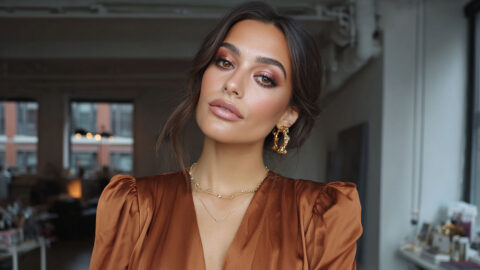
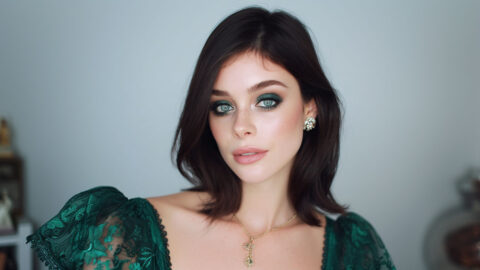
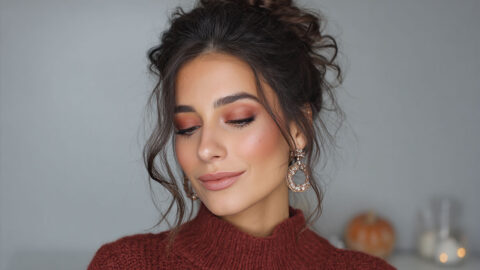
Most makeup tutorials assume you have 45 minutes and 20 products. You probably have neither. Simple makeup looks use five or fewer products, take under 10 minutes, and still make you look like you tried (because you did, just efficiently).
This guide covers specific routines for everyday wear, work, date nights, and occasions like weddings and interviews. You’ll find product picks from Glossier, Maybelline, and Rare Beauty, plus technique tips adjusted for different skin tones and experience levels.
Whether you’re a beginner building your first easy makeup routine or someone cutting a 30-minute habit down to five, everything here is built around one idea: less product, better placement, more confidence.
What Is a Simple Makeup Look?

A simple makeup look uses five or fewer products and takes under 10 minutes from start to finish. That’s it. No 15-step tutorials, no color theory degree required.
But here’s what trips people up. They confuse “simple” with “minimal” or with the no-makeup makeup trend that’s been everywhere on TikTok. These are three different things.
No-makeup makeup aims to look like you’re wearing nothing at all. Minimal makeup limits product count to maybe two or three items. A simple makeup look sits in between. You’re allowed to have visible color on your lips or cheeks. You just skip the complexity.
CivicScience data from 2024 shows that 33% of makeup wearers use just 1-2 products in their routine, while another 41% stick to 3-4 products. That means roughly three out of four people already lean toward simplicity without even trying.
The real foundation of any simple look (took me a while to figure this out) is skin prep. If your skin is hydrated and smooth before anything goes on, you need less product to get a good result. Dry patches and flaking will ruin a light base faster than anything else.
Simple doesn’t mean lazy or low-effort, either. It means you’ve edited your routine down to the steps that actually matter for your face. Some people look pulled together with just concealer and mascara. Others need brow gel to feel finished. The point is knowing which products do the heavy lifting for you and dropping everything else.
Essential Products for Simple Makeup Looks

You don’t need 16 products to leave the house looking good. A SkinStore survey found that the average woman applies 16 products before heading out the door. For a simple everyday makeup routine, you need maybe four or five.
Multi-Use Products That Cut Your Routine in Half
CivicScience reported in 2024 that 46% of U.S. makeup wearers have used a single product in more than one way. The top reason? To simplify their routine and use fewer products (40% of respondents said this).
The products that work hardest across multiple areas:
- Cream blush as lip color: Glossier Cloud Paint, Rare Beauty Soft Pinch Liquid Blush, and Milk Makeup Lip + Cheek all work on both cheeks and lips
- Tinted lip balm: Gives your lips color and moisture without the commitment of a full lipstick
- Stick highlighter as eyeshadow: A champagne or gold stick swiped across the lid gives enough shimmer for daytime
Euromonitor International noted that multi-use products tend to gain popularity during periods of economic uncertainty. With 79% of beauty buyers changing their habits due to economic pressures (CivicScience), these products aren’t just convenient. They save money.
Drugstore vs. High-End for Simple Looks
Statista data shows that 68% of makeup consumers in 2024 said price was the most important factor when buying makeup. And honestly, for a simple look, drugstore works just fine.
Maybelline Lash Sensational mascara performs as well as most high-end options for everyday wear. e.l.f. Cosmetics makes a primer that costs under $10 and does the job. NYX Professional Makeup has cream blushes and lip glosses at drugstore prices.
Where high-end makes a difference: tinted moisturizers and concealers. Laura Mercier, NARS, and Charlotte Tilbury tend to have better shade ranges and more skin-like finishes in their base products. If you’re only buying one or two items at a premium price, put your money into base products.
Simple Makeup Look for Everyday Wear

Five minutes. That’s your target. Once you’ve done this a few times, you won’t even need a mirror for most of it.
Advanced Dermatology’s 2024 survey found that women spend an average of 39 minutes per day on their appearance. A simple everyday makeup look should take a fraction of that.
The routine, step by step:
- Moisturizer (let it sink in for 60 seconds)
- Concealer on spots and under-eyes only, blended with your ring finger
- Cream blush on the apples of your cheeks, tapped in with fingertips
- Brow gel, brushed upward through your natural brows
- Mascara on upper lashes
- Tinted lip balm or sheer lipstick
Skip foundation entirely. Seriously. For daily wear, concealer where you need it looks better than sheer foundation everywhere. Your skin texture shows through in a good way, and the whole thing feels lighter on your face.
Oily skin? Add a light dusting of translucent powder on your T-zone. Dry skin? Swap the moisturizer for something richer or add a drop of facial oil underneath. Don’t add extra products. Just adjust the ones you’re already using.
Simple Makeup Look for Work and Office Settings
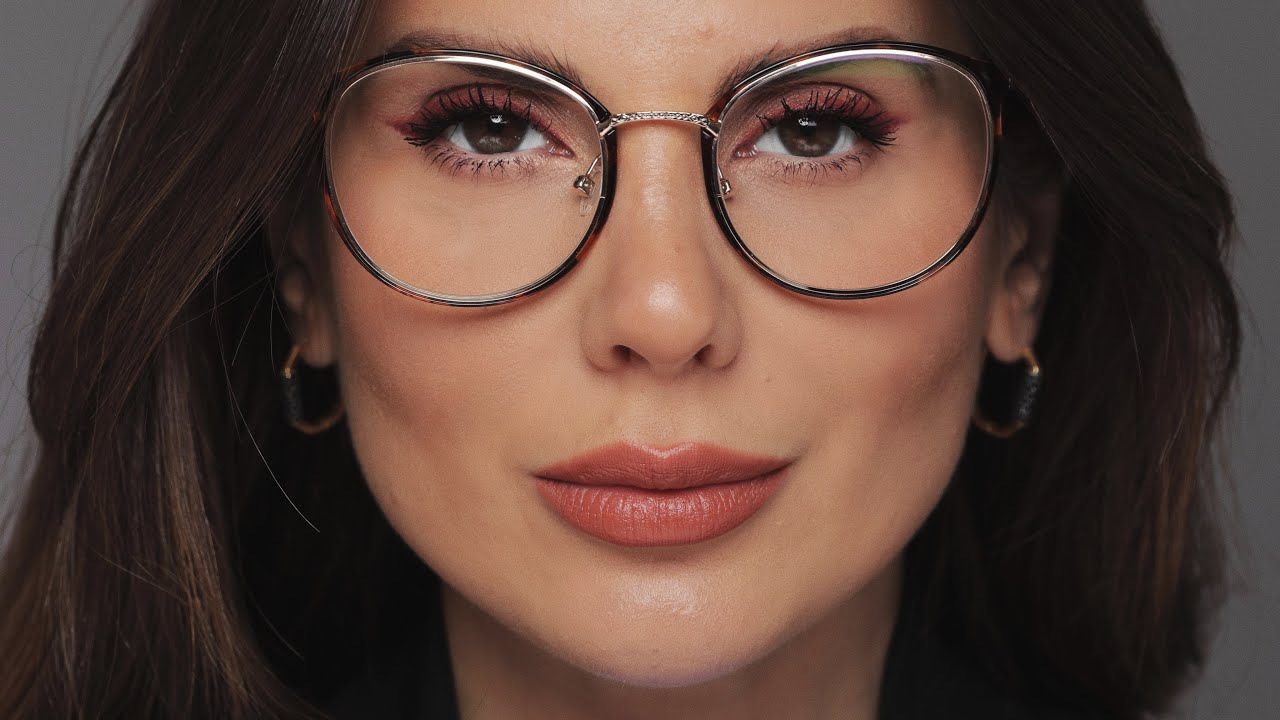
Office makeup has a weird unspoken rule. You want to look polished enough that people take you seriously, but not so done-up that your look becomes the topic of conversation. It’s a balance.
Numerator’s 2024 data found that 58% of makeup consumers use makeup to feel confident. That tracks with what most people want from a professional makeup look: confidence without distraction.
Building a Polished Base
Start with a tinted moisturizer or lightweight foundation instead of going bare. Office lighting is harsh, and a little evenness goes a long way.
Spot-conceal with a shade that matches your skin tone exactly. Blend the edges. Under-eye concealer should be no more than half a shade lighter than your skin. The goal is to look awake, not highlighted.
A neutral eyeshadow (one shade, applied with fingers or a single brush) plus brown or black mascara finishes the eyes. That’s it. You don’t need three transition shades for a Tuesday morning meeting.
Lip Color That Survives Coffee and Meetings
Pick a lip color that won’t need constant reapplication. Matte lipstick formulas tend to last longer through coffee and talking. A nude matte shade works for almost every skin tone and office setting.
If matte feels too drying, a satin lipstick offers a middle ground. More comfortable, still lasts a few hours.
And look, a berry lip or soft bronze eye still qualifies as business-appropriate. “Office” doesn’t have to mean beige.
Simple Makeup Look for Date Night

The biggest mistake people make with date night makeup is trying to do everything at once. Smoky eye plus bold lip plus heavy contour. That’s not a simple look. That’s a 45-minute project.
The rule is one bold element. Pick one.
The One-Bold-Element Rule
Option A: Bold lip, soft everything else. A classic red lip with just mascara and a little concealer is one of the most effective night out looks that exists. Takes five minutes, looks like you spent thirty.
Option B: Smoky eye, subtle lip. A one-shadow smoky eye using dark brown or bronze takes under three minutes. Press a dark shade into your crease and along your lash line, blend upward with your finger, and you’re done. Pair it with a nude lip or tinted balm.
Both options work. Never both at the same time for a simple look, though.
Adding Dimension Without Extra Steps
A cream highlighter on your cheekbones and inner corners of the eyes adds dimension without adding time. One product, two placements, done.
Circana data from 2024 shows that setting spray and powder sales rose by 63% across Europe in the first half of the year. People want their makeup to last, and that’s especially true for evenings out.
A quick hit of setting spray is worth the three seconds it takes. Charlotte Tilbury, NYX Matte Finish, and Urban Decay All Nighter are the ones that actually hold through dinner and whatever comes after.
Simple Makeup Looks for Different Skin Tones

A “universal” shade recommendation is almost always a lie. What looks like a soft pink blush on fair skin shows up as nothing on deep skin. What reads as a warm nude lipstick on medium skin can look ashy on cool undertones.
Undertone matters more than depth when you’re keeping things simple. If you only have a few products to work with, getting the undertone right makes every single one look better.
Fair and Light Skin Tones
Blush: Soft peach and light pink shades show up beautifully without overwhelming. Skip anything with too much white base, or it’ll look chalky.
Lip color: Rosy pinks, mauves, and light berry tones work best. For a simple neutral lip, look for matte formulas in soft pink or peach.
Common mistake: Choosing bronzer that’s too orange. On fair skin, a cool-toned light bronzer or just a slightly deeper blush shade gives a more natural warmth.
Medium and Olive Skin Tones
This is where you get the most flexibility with warm lipstick shades. Terracotta, dusty rose, warm nude, and berry tones all tend to work well.
| Product | Warm Undertone Picks | Cool Undertone Picks |
|---|---|---|
| Blush | Peach, coral, warm pink | Mauve, plum, cool rose |
| Lip color | Terracotta, warm nude, brick | Berry, dusty rose, wine |
| Bronzer | Golden bronze, warm brown | Taupe, cool brown |
If you have olive undertones specifically, avoid anything with too much pink. It can look muddy against green-based skin. Warm browns and terracotta are safer territory.
Deep and Dark Skin Tones
Fenty Beauty changed the conversation around shade ranges when it launched with 40 foundation shades. But for a simple look, foundation isn’t even the main concern.
Blush: Deep berry, bright coral, and rich plum shades actually show up and add dimension. Anything too sheer or pastel disappears. Liquid blush formulas tend to show up better than powders on deep skin.
Lip color: Deep plum, rich brown, bold red, and wine shades are strong choices. Matte formulas with strong pigmentation read better than sheer washes of color.
Concealer tip: When you’re using concealer without foundation, match the concealer to the exact tone of the skin around the area you’re covering. Going too light creates a gray or ashy cast that’s the opposite of what you want.
Simple Makeup Looks for Beginners

The most common mistake beginners make is buying too much stuff at once. Sephora and Ulta Beauty are designed to make you think you need 12 products. You don’t.
CivicScience data shows 33% of makeup wearers use just 1-2 products in their routine. That’s a third of all people who wear makeup. So if you’re starting out, three products is plenty.
The Three-Product Starter Kit
Concealer, mascara, tinted lip balm. That’s a complete beginner makeup look. You don’t need foundation. You don’t need eyeshadow. You don’t need contour.
Concealer goes only where you see redness or dark circles. Mascara opens up the eyes. A lip stain or tinted balm adds color that’s basically foolproof to apply.
Once you’re comfortable with those three, add a cream blush. Then maybe a brow gel. Build one product at a time over weeks. That’s how you actually learn what your face needs.
Fingers vs. Brushes vs. Sponges
Fingers win for simple looks. At least in my experience, and most working makeup professionals would agree.
The warmth from your hands melts cream products into the skin. You get better control of where things go. And you don’t have to deal with cleaning brushes or cleaning sponges.
| Tool | Best For | Skip When |
|---|---|---|
| Fingers | Cream blush, concealer, tinted moisturizer | Powder products, precision eye work |
| Sponge | Blending foundation, setting powder | You’re in a rush (they need dampening first) |
| Brush | Powder blush, eyeshadow, bronzer | Applying cream base products |
e.l.f. Cosmetics and Maybelline both have basic starter sets at drugstore prices. Took me a while to realize that expensive doesn’t automatically mean better, especially when you’re still figuring out what suits you.
Simple Makeup Looks by Occasion

Your everyday five-minute routine won’t always cut it. Different events call for small adjustments, not total overhauls.
The trick is keeping the same basic structure but swapping one or two products to match the setting.
Wedding Guest
Waterproof formulas are non-negotiable for wedding guest looks. Between the ceremony, photos, and dancing, your makeup needs to survive 6 to 10 hours minimum.
A soft glam approach works best here. Think tinted moisturizer, cream blush, a single eyeshadow shade in champagne or taupe, mascara, and a lipstick with staying power. Finish with setting spray.
Job Interview
Clean, polished, nothing distracting. This is not the time for a smoky eye or bold lip.
Concealer to even out your complexion. One coat of mascara. A neutral lip, maybe a soft brown matte or nude shade that just makes you look awake. Light setting powder on the T-zone if your skin runs oily.
Beach or Outdoor Event
Tinted sunscreen replaces foundation entirely. Waterproof mascara is the only eye product you need.
- Cream-only products (powder melts and cakes in humidity)
- Lip gloss with SPF or a tinted balm
- Skip eyeliner, it will migrate within an hour outdoors
Summer heat and summer makeup need to work together, not against each other.
Video Calls
Cameras wash out contrast. What looks like a complete face in person reads as barely-there on screen.
Bump everything up slightly. A bit more blush than you’d normally wear. Slightly darker brow fill. Lip color one shade bolder than your usual pick. A touch of bronzer along the cheekbones adds dimension that flat webcam lighting strips away.
How to Make a Simple Makeup Look Last All Day
People pile on more products because their light base fades by noon. The fix isn’t more coverage. It’s better technique.
Grand View Research valued the setting spray market at $966.4 million in 2023, growing at 7.6% annually through 2030. Longevity products are no longer an optional extra.
Primer Placement (Not All Over)
Full-face primer is overkill for a simple look. You only need it in the spots that break down first.
- T-zone: Mattifying primer for oily areas
- Eyelids: Eyeshadow primer or concealer to prevent creasing
- Under-eyes: Hydrating primer to stop concealer from settling into lines
Bobbi Brown’s approach to skin prep before makeup has always been about targeted application. Put product only where your face actually needs help.
The Cream-Under-Powder Trick
Circana data from 2024 shows setting spray and powder sales jumped 63% across Europe. But the technique matters as much as the product.
Layer cream blush first, then dust a very light veil of setting powder over the top with a damp sponge. This sandwiches the cream between your skin and a powder barrier. It lasts twice as long as either product alone.
Making your makeup last all day comes down to this layering principle, not to how much you apply.
Setting Spray vs. Blotting Papers
Setting spray: Best applied once, right after you finish your makeup. Charlotte Tilbury, Urban Decay All Nighter, and NYX Matte Finish are reliable picks. One to two light mists at arm’s length.
Blotting papers: Better for midday touch-ups. They absorb oil without disturbing the makeup underneath. Powder on top of an already oily face just creates a paste.
For a simple look, setting spray in the morning and blotting papers around lunchtime covers most people for a full workday.
Mistakes That Make Simple Makeup Looks Fall Apart
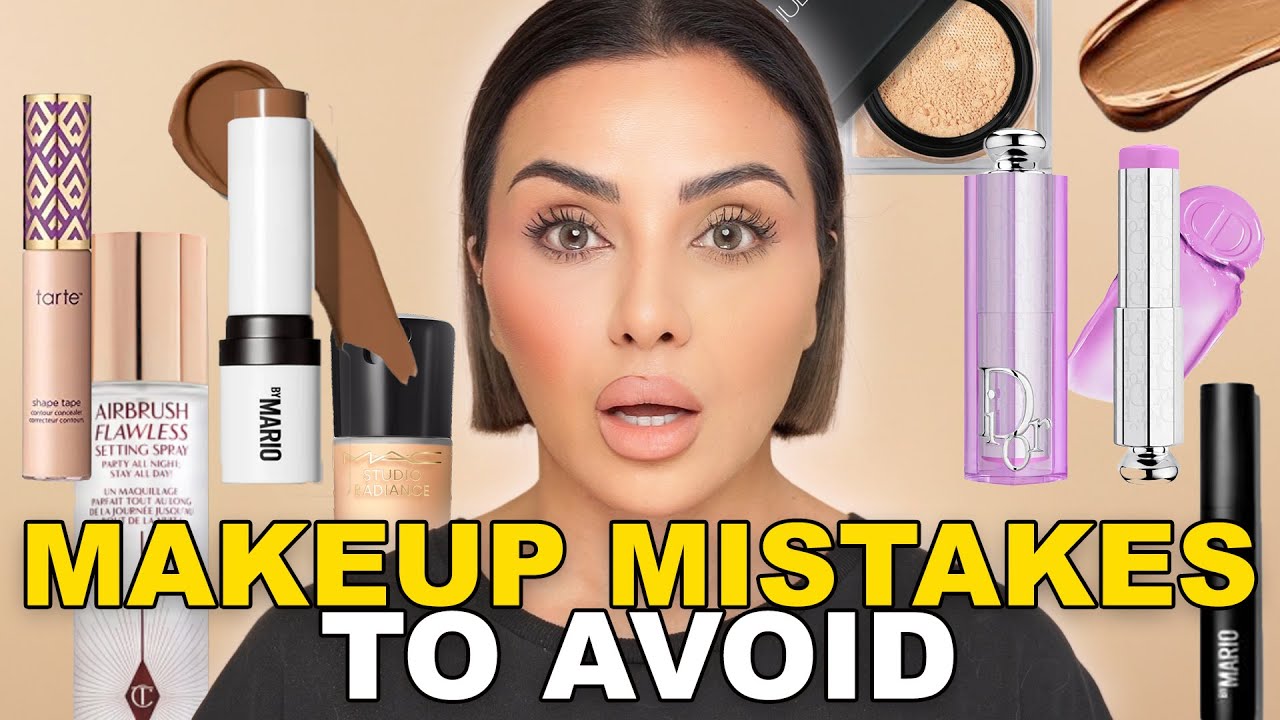
Simple looks have less room for error. With full glam, one off product gets hidden by everything else. With a five-product routine, every mistake is visible.
Skipping Skincare
Dry patches make even the best concealer look flaky. Dehydrated skin grabs pigment unevenly, so blush and lip color look patchy instead of smooth.
A lip care routine matters just as much as face prep. Chapped, peeling lips ruin any lip color, no matter how well you apply it. Caring for dry lips the night before with a balm or mask is the easiest fix.
Over-Applying Concealer
The reverse raccoon effect. Too much concealer under the eyes, especially in a shade that’s too light, creates bright white patches that scream “I’m wearing makeup.” Your mileage may vary, but one thin layer blended outward is almost always enough.
If you need more coverage, let the first layer set for 30 seconds, then add a tiny second pass only on the darkest area. Preventing creasing under the eyes starts with using less product, not more.
Wrong Undertone in Base Products
Numerator’s 2024 report found 44% of makeup consumers look for products with skincare benefits, but shade matching still trips up most people before ingredients even matter.
| Undertone | Wrong Match Looks Like | How to Check |
|---|---|---|
| Warm | Too pink or ashy | Veins appear green, gold jewelry flatters |
| Cool | Too yellow or orange | Veins appear blue/purple, silver jewelry flatters |
| Neutral | Either extreme stands out | Mix of vein colors, both metals work |
Test concealer and tinted moisturizer on your jawline, not your hand. And check it in natural light, not under store fluorescents. Foundation oxidation can also shift a correct match by a shade or two after an hour, so give it time before you judge.
Not Blending
80% of makeup problems are blending problems. That harsh line where your concealer meets bare skin? Blending. The streaky blush? Blending. The eyeshadow that looks like a stamp on your lid? Blending.
With cream products and fingers, blending is as simple as tapping outward from the center of the product. Small, quick pats. Never drag. Fixing patchy makeup after the fact is harder than taking 10 extra seconds to blend properly in the first place.
FAQ on Simple Makeup Looks
What products do I need for a simple makeup look?
A concealer, mascara, cream blush, brow gel, and tinted lip balm. That’s five products max. Many people get by with just three. Multi-use products like a lip and cheek tint cut that number even further.
How long should a simple makeup routine take?
Five to ten minutes once you’ve practiced a few times. The everyday version with concealer, mascara, blush, and lip color takes closer to five. Adding eyeshadow or bronzer pushes it toward ten.
Can beginners pull off a simple makeup look?
Absolutely. Simple looks are actually the best starting point. Begin with concealer, mascara, and a tinted balm. Use your fingers for application. Add one product at a time as you get comfortable with applying makeup.
What is the difference between simple makeup and no-makeup makeup?
Natural makeup aims to look like bare skin. Simple makeup allows visible color on lips and cheeks. You’re still using fewer products, but the goal is efficiency, not invisibility.
How do I make a simple makeup look last all day?
Use primer only on your T-zone and eyelids. Layer cream products under a light dusting of powder. Finish with setting spray. Blotting papers at midday handle oil without disturbing what’s underneath.
What is the best simple makeup look for work?
Tinted moisturizer, spot concealer, one neutral eyeshadow, brown mascara, and a well-chosen lip color in a nude or soft berry. Keep it polished but low-key. A subtle look reads as professional without being boring.
Do I need foundation for a simple makeup look?
No. Concealer on spots and under-eyes does the job for most people. Skipping foundation lets your skin texture show through in a good way and keeps the overall feel lighter and more natural.
What simple makeup look works best for a date night?
Pick one bold element. Either a red lip with minimal eyes or a one-shadow smoky eye with a nude lip. Add cream highlighter on cheekbones. Never both bold eyes and bold lips for a simple approach.
How do I choose simple makeup products for my skin tone?
Focus on undertone over shade depth. Warm undertones suit peach and coral tones. Cool undertones work better with mauve and berry. Test base products on your jawline in natural light, not on the back of your hand.
What are common mistakes that ruin a simple makeup look?
Skipping skincare, over-applying concealer, choosing the wrong undertone, and not blending. With fewer products, each one is more visible. Take 10 extra seconds to blend and you’ll avoid most problems.
Conclusion
Simple makeup looks come down to knowing which products actually work for your face and skipping everything else. A cream blush, good concealer, mascara, and the right lip color can carry you from a Monday morning meeting to a Saturday night dinner.
Undertone matters more than brand name. Blending matters more than product count. And skin prep matters more than most people think.
Start with three products if you’re new to this. Swap in a bolder lip or a dewy finish when the occasion calls for it. Use setting spray when you need longevity.
The best routine is one you’ll actually do every day. Keep it short, keep it intentional, and stop second-guessing whether you need more. You don’t.

She started writing on the site after fielding the same questions from clients and friends often enough to just write the answers down: which red won't turn orange on a warm undertone, how to keep lipstick from feathering into fine lines, why a "12-hour" formula rarely survives dinner.
Every review on the site follows the same rule she uses with paying clients: wear it first, then decide if it's worth recommending.
- How to Make Eyeliner Last Longer Without Smudging - August 31, 2026
- How to Make Eyeshadow Last Longer All Day - August 29, 2026
- How to Find Your Undertone in 5 Easy Steps - August 27, 2026