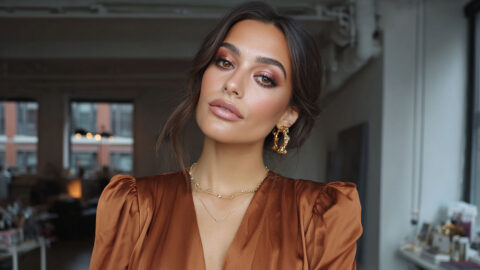
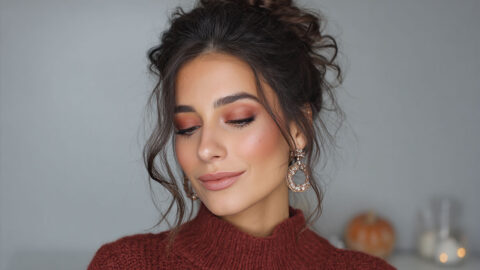
You don’t need 40 products and an hour in front of the mirror to look put together. Basic makeup looks prove that every single day.
A handful of products, a few minutes, and some solid technique will get you further than most people realize. Foundation, mascara, blush, a good lip color. That’s the core of it.
But “basic” doesn’t mean careless. There’s a real difference between a quick face that looks polished and one that looks rushed. Skin prep, shade matching, blending, product order. These details matter more than the price tag on your palette.
This guide covers everything from choosing the right products and applying them step by step to making your makeup last, avoiding common mistakes, and knowing when to keep it simple versus when to build it up.
What Are Basic Makeup Looks

Basic makeup looks are simple, everyday face makeup styles that use a small number of products to create a polished, put-together appearance. They focus on evening out skin tone, adding subtle color to cheeks and lips, and defining eyes and brows without heavy layering or complex techniques.
Most people picture a natural finish when they hear “basic.” That tracks. A five-minute face with foundation, mascara, blush, and a lip color covers about 90% of what you need for daily life.
These looks work for running errands, sitting through meetings, grabbing coffee, or heading to class. They’re the foundation (pun intended) that every other makeup style builds on.
If you’re drawn to something more polished for events, styles like soft glam makeup or elegant makeup build directly on these basics. But for day-to-day? This is where you live.
A solid basic look takes between 5 and 15 minutes depending on your skill level and how many products you reach for. Took me years to get my routine under 10 minutes, and honestly, some mornings I still can’t.
What Products Are Used for Basic Makeup Looks

You don’t need 30 products. You need the right 8.
Here’s the short list:
- Primer – creates a smooth base and helps everything sit better on skin
- Foundation or tinted moisturizer – evens out skin tone; sheer to medium coverage works best for basic looks
- Concealer – targets dark circles, redness, and blemishes specifically
- Setting powder – translucent loose or pressed powder to lock everything in place
- Blush – cream blush or powder blush, either works; adds warmth back to the face after foundation
- Mascara – one coat on upper lashes makes the biggest difference with the least effort
- Brow pencil or brow gel – fills sparse areas and keeps hairs in place
- Lip color – a nude lipstick, tinted lip balm, or simple gloss
Product types matter here. A light coverage foundation like L’Oreal True Match or Maybelline Fit Me gives you that “my skin but better” effect without looking heavy.
For lips, the range is wide. Some days a sheer lipstick is all you need. Other days you might reach for a lip gloss or a cream lipstick in a neutral shade.
Drugstore brands cover this entire list for under $60. Spending more doesn’t automatically mean looking better.
How to Do a Basic Everyday Makeup Look
A basic everyday makeup look is a quick, low-product routine designed for regular daily wear. Office, school, weekend plans, grocery runs. All of it.
The goal is enhanced skin, defined features, and a finished appearance in under 15 minutes. Nothing complicated. Nothing that requires a tutorial on repeat.
Here’s the order that actually works, step by step.
How to Prepare Skin Before Makeup

Clean skin first. Always. A gentle cleanser, then moisturizer matched to your skin type (gel for oily, cream for dry, lotion for combination).
Apply SPF. Wait 60 seconds. Then apply your primer with fingertips, pressing it into skin rather than rubbing. This step alone changes how long your makeup holds up, especially if you have oily skin around the T-zone.
How to Apply Foundation for a Natural Finish
Applying foundation well comes down to tool choice and coverage level. A damp beauty sponge gives the most natural, skin-like finish for basic looks. Bounce it, don’t drag.
Start at the center of your face and blend outward across the forehead, cheeks, nose, chin, and jawline. Sheer to medium coverage is the target here. Build in thin layers only where you need it.
If you want even less coverage, swap foundation for a tinted moisturizer. Brands like NARS and Rare Beauty make solid ones that still look like skin.
How to Conceal Dark Circles and Blemishes

Dot concealer in an inverted triangle under each eye, then tap and blend with your ring finger or a small sponge. For blemishes, dab directly on the spot and press to blend the edges.
If dark circles run deep, a peach color corrector underneath concealer makes a real difference. Green corrector handles redness from breakouts.
How to Set Makeup with Powder
Use a fluffy brush to lightly dust translucent powder across your T-zone, under eyes, and chin. That’s it.
Less is more with powder in a basic look. Over-powdering makes skin look flat and cakey, which is the opposite of what you want. If you have dry skin, skip powder everywhere except under the eyes.
How to Apply Blush for a Healthy Glow
Blush placement changes based on your face shape. Smile and apply to the apples of your cheeks for round and oval faces. For square and heart shapes, sweep slightly higher along the cheekbone.
Cream blush blends beautifully with fingers and gives a dewy skin finish. Powder blush works better over set foundation. Rare Beauty Soft Pinch is practically famous at this point for good reason.
What Is a Basic Makeup Look for Work

A work-appropriate basic look keeps everything matte or satin, nothing too shimmery or bold. Neutral eyeshadow palette shades (taupes, soft browns, light pinks), one coat of mascara, groomed brows, and a lip color that doesn’t demand attention.
Stick with a medium coverage foundation for longer wear. Office lighting is harsh, and you want something that holds up for 8 hours without constant touch-ups. Making your makeup last all day starts with primer and ends with a good setting spray.
For lips, a matte nude shade or a satin lipstick in a rosy tone reads polished without being distracting. Professional makeup looks rely on subtlety, not intensity.
Keep blotting papers and a pressed powder compact in your bag for midday oil control. Your morning blush will fade by lunch. That’s normal.
What Is a Basic Makeup Look for a Date

Date makeup builds on your everyday routine but leans a little harder into one feature. Either the eyes or the lips. Not both at the same time.
If you go with eyes, add a soft wash of shimmer on the lid, a thin line of eyeliner along the lash line, and an extra coat of mascara. Something like a smokey eye look in soft browns or mauves reads romantic without being overdone.
If you go with lips, keep eyes minimal and pick a slightly deeper shade than your everyday color. A berry, dusty rose, or warm pink works well. Learning how to apply your lipstick cleanly with lip liner makes a huge difference for date night looks.
Dewy skin reads better than matte for dates. Use a cream highlighter on cheekbones, brow bone, and the bridge of your nose. Just a tiny bit.
Finish with setting spray so nothing transfers, smudges, or disappears two hours in.
What Is a No-Makeup Makeup Look
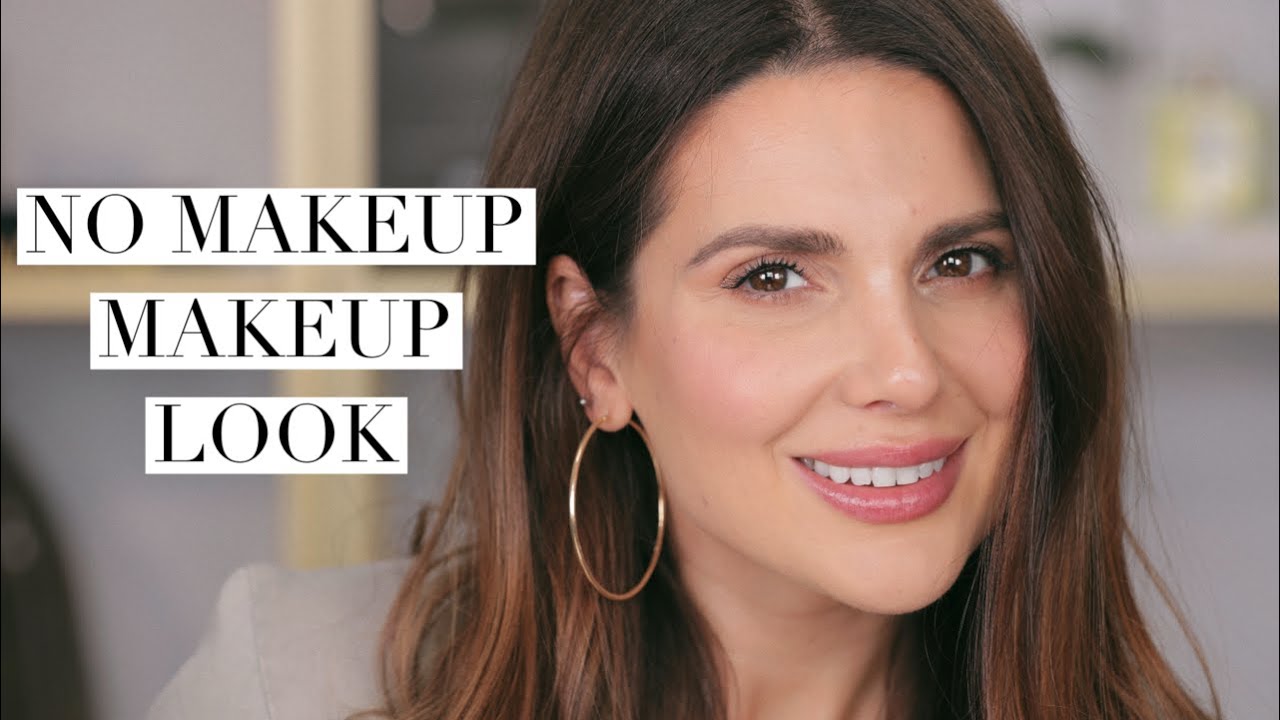
A no-makeup makeup look uses sheer, skin-like products to make you look polished while appearing bare-faced. The whole point is that nobody can tell you’re wearing anything.
Swap foundation for a skin tint or tinted moisturizer. Use a lip stain instead of lipstick. Clear brow gel instead of pencil. Liquid blush tapped onto cheeks with fingers.
This is peak clean girl makeup. Glossier basically built an entire brand around this concept. The products are minimal, but the skincare underneath has to be solid or the whole thing falls apart.
Skip powder entirely. Dewy skin is the goal. A tiny dot of highlighter on the high points of your face and you’re done.
What Tools Are Needed for Basic Makeup Looks

You need fewer tools than you think. But the right ones make a noticeable difference in how your makeup application turns out.
- Beauty sponge – for foundation and concealer blending; dampen before use
- Fluffy powder brush – for setting powder and bronzer
- Blush brush – smaller, denser; keeps color placement precise
- Eyeshadow brush – flat shader for lid color, fluffy blender for crease
- Eyelash curler – curl before mascara, never after
- Spoolie brush – for blending brow product and taming hairs
- Magnifying mirror – catches details you’ll miss in a regular mirror
Clean your brushes every 1-2 weeks. Dirty tools cause breakouts, muddy color payoff, and streaky application. Real Techniques makes affordable brush sets that hold up surprisingly well.
If you prefer applying with brushes over sponges, a flat-top kabuki works great for foundation. Personal preference honestly. Both get you there.
What Are Common Mistakes in Basic Makeup Application
The same mistakes show up over and over. I’ve made most of them myself at some point.
- Wrong foundation shade – test on your jawline, not the back of your hand; matching to your skin tone correctly changes everything
- Skipping primer – foundation slides, creases, and fades faster without it
- Over-powdering – makes skin look dry and textured; use powder only where you get oily
- Harsh brow lines – light, hair-like strokes with a thin pencil; never draw one solid line
- Unblended concealer – visible edges under the eyes are a dead giveaway; blend with a damp sponge
- Too much blush – start with less than you think you need and build up; you can always add, can’t easily subtract
- Cakey foundation – usually from applying too much product on dry, unprepped skin
Another one that catches people: foundation oxidizing two hours after application. Your perfect shade turns orange. A silicone-based primer and setting spray help prevent this.
How Long Does a Basic Makeup Look Take
Depends on the look and your comfort level with the products.
5-minute look: Tinted moisturizer, concealer under eyes, one coat mascara, lip balm. Done. This is the “I woke up late but still need to look alive” routine.

10-minute look: Add primer, foundation, blush, brow gel, and a proper lip color. Covers most daily situations comfortably.
15-minute look: Full basic routine including eyeshadow (one or two shades), eyeliner, setting powder, and setting spray. This is date-ready or office-ready with some polish.
Speed comes with practice. Your first attempts might take 25 minutes. After a few weeks, muscle memory kicks in and the same routine takes half the time. Beginner looks are built for exactly this learning curve.
How to Make Basic Makeup Last All Day
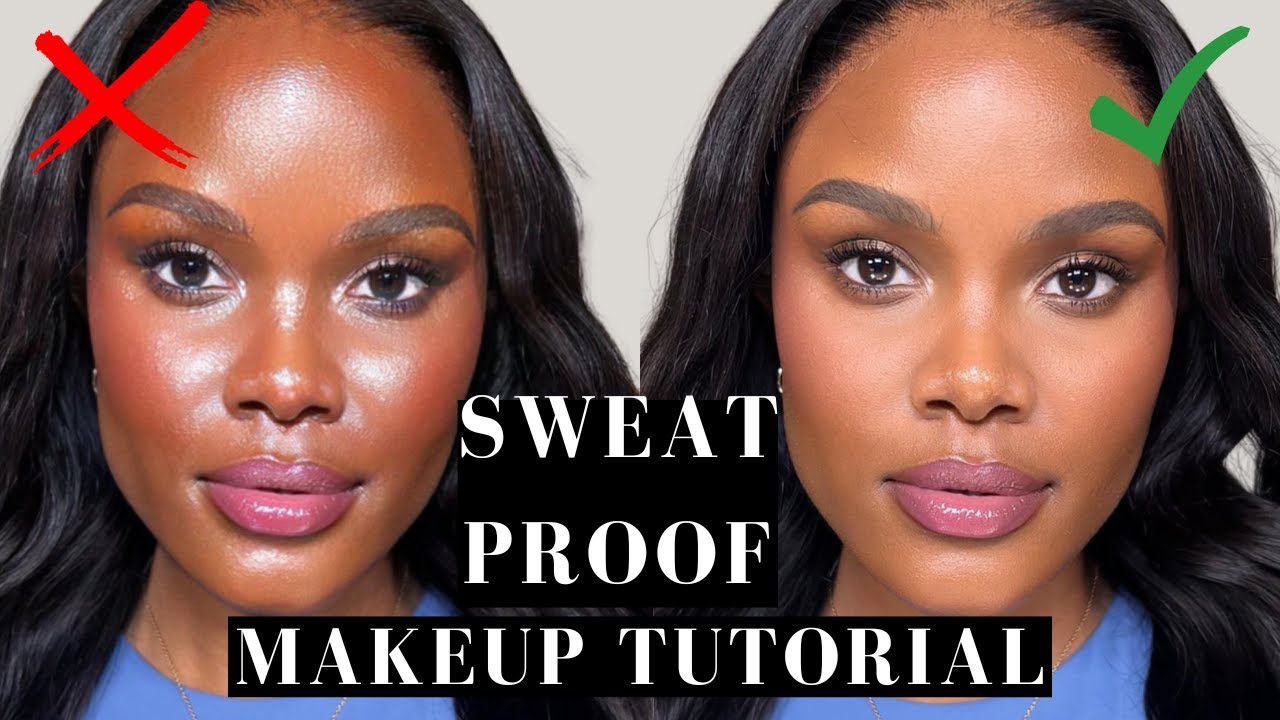
Longevity starts before you pick up a single brush. Prepping your skin with moisturizer and primer creates a base that holds product instead of absorbing it or letting it slide.
Key steps for all-day wear:
- Use a primer matched to your skin type (silicone-based for oily, hydrating for dry)
- Apply setting powder lightly on the T-zone
- Finish with setting spray, holding the bottle 8-10 inches from your face
- Carry blotting papers for midday oil control instead of adding more powder
Humidity and heat break down makeup fastest. If you live somewhere warm, waterproof mascara and a long-wear foundation formula are worth the investment.
For lips specifically, making your lipstick last comes down to choosing the right lip liner as a base, filling in the entire lip with liner before applying color, and blotting between layers.
How to Remove Basic Makeup Properly

Leaving makeup on overnight clogs pores, causes breakouts, and ages skin faster. Every single night, no exceptions.
The double cleanse method works best. Start with an oil-based cleanser or micellar water to dissolve makeup, then follow with a gentle water-based cleanser to clean the skin itself.
Removing eye makeup needs extra care. Hold a soaked cotton pad on closed eyes for 10 seconds before wiping. This loosens mascara and liner without harsh rubbing that irritates the delicate skin around your eyes.
Pay attention to the hairline, jawline, and around the nostrils. These are the spots where foundation hides and gets missed during removal.
If you’re caught without your usual products, removing makeup without a dedicated remover is still possible with coconut oil or even plain olive oil as a pinch-hit solution.
What Is the Difference Between Basic and Full Glam Makeup
Basic and full glam are on opposite ends of the same spectrum. Here’s how they compare:
| Factor | Basic Look | Full Glam |
| Products used | 6-8 | 15-25+ |
| Application time | 5-15 minutes | 45-90 minutes |
| Foundation coverage | Sheer to medium | Full, layered |
| Eye makeup | Mascara, maybe one shadow | Multiple shadows, liner, lashes |
| Contour/highlight | Minimal or none | Sculpted and defined |
| Lip color | Nude, pink, or clear gloss | Bold, lined, or ombre |
| Occasions | Daily, office, casual | Events, parties, photoshoots |
Full glam includes contouring, baking, multiple eyeshadow shades, false lashes, and usually a bold lip. Basic skips most of that.
Neither is better than the other. They serve different purposes. A solid basic routine actually makes glam easier when you want it, because your technique with buildable coverage, blending, and placement is already locked in.
Most people spend 80% of their time in basic makeup territory. The other 20% is for parties, weddings, birthdays, and those nights where you just feel like going all out.
FAQ on Basic Makeup Looks
What is considered a basic makeup look?
A basic makeup look uses 6-8 products to create a clean, polished appearance for daily wear. It typically includes primer, foundation or tinted moisturizer, concealer, mascara, blush, brow product, and a neutral lip color.
How long does a basic makeup routine take?
Most basic routines take between 5 and 15 minutes depending on how many products you use. A minimal version with tinted moisturizer, mascara, and lip balm can be done in under 5 minutes with practice.
What is the correct order for applying basic makeup?
Start with skincare and primer. Then apply foundation, concealer, and setting powder. Follow with blush, brow product, mascara, and lip color. This layering order prevents products from disrupting each other during blending.
Can beginners do a basic makeup look without experience?
Yes. Basic looks are specifically designed for simplicity. Start with a beauty sponge for foundation, one blush shade, mascara, and a lip gloss or tinted balm. Technique improves quickly with daily repetition.
What foundation coverage works best for basic makeup?
Sheer to medium coverage works best. Products like Maybelline Fit Me or L’Oreal True Match give a natural finish without looking heavy. Apply with a damp sponge and build only where needed.
How do you make basic makeup last all day?
Layer correctly: moisturizer, primer, foundation, then setting powder on the T-zone. Finish with setting spray held 8-10 inches from the face. Carry blotting papers for midday oil instead of adding more powder.
What is the difference between basic makeup and no-makeup makeup?
Basic makeup uses visible products like foundation and defined blush. No-makeup makeup uses sheer, skin-like products (skin tints, lip stain, clear brow gel) so it looks like you’re wearing nothing at all.
What are the most common mistakes with basic makeup?
Wrong foundation shade, skipping primer, over-powdering, and harsh brow lines top the list. Unblended concealer edges and too much blush also show up constantly. Start with less product and build gradually.
Do you need expensive products for a basic makeup look?
No. Drugstore brands like NYX Professional Makeup, e.l.f. Cosmetics, and Maybelline cover every step of a basic routine for under $60 total. Price doesn’t determine how good your application looks.
What basic makeup look works best for the office?
A matte or satin finish foundation, neutral eyeshadow, groomed brows, one coat mascara, and a subtle lip shade. Keep shimmer minimal. Business-appropriate makeup focuses on looking polished without drawing attention to individual features.
Conclusion
Basic makeup looks are the backbone of every routine, whether you’ve been doing this for ten years or ten days. Get these right and everything else becomes easier.
The products are simple. Primer, foundation, concealer, blush, mascara, brow pencil, and a lip shade that fits your undertone. That’s the whole kit.
What separates a good basic look from a rushed one is technique. Proper skin preparation, correct shade matching, controlled blending, and knowing when to stop adding product.
Your 10-minute everyday makeup routine should feel automatic. Like muscle memory. And from there, you can scale up to night out looks, formal events, or creative styles whenever you want.
Start with the basics. Master them. The rest follows.

She started writing on the site after fielding the same questions from clients and friends often enough to just write the answers down: which red won't turn orange on a warm undertone, how to keep lipstick from feathering into fine lines, why a "12-hour" formula rarely survives dinner.
Every review on the site follows the same rule she uses with paying clients: wear it first, then decide if it's worth recommending.
- How to Make Eyeliner Last Longer Without Smudging - August 31, 2026
- How to Make Eyeshadow Last Longer All Day - August 29, 2026
- How to Find Your Undertone in 5 Easy Steps - August 27, 2026