Hair color changes what a lipstick shade actually does once it’s on, and most generic “best lipstick” roundups skip that part entirely. Colorists matching lip shade to brunette hair use the same warm-cool undertone logic that guides foundation and blush, then add hair depth as a second variable, because depth decides how much contrast a shade needs to carry.
Chestnut, espresso, ash, and auburn brunette hair pull that contrast in different directions. A shade that looks great against one kind of brunette hair can wash someone else out completely, or read as too much on a different face. Lipstick still gets worn constantly: 43% of women in the United States wear lipstick or lip gloss on a weekly basis, according to a 2023 YouGov survey.
What Makes a Lipstick Shade the Right Match for Brunette Hair

Brunette hair sits at a medium to deep value on the color scale, and that alone changes how any lip shade reads against the face. A color that would barely register against lighter hair can suddenly pull focus.
What decides whether a lipstick works has less to do with the shade itself than what’s happening around it: the skin’s undertone (warm, cool, or neutral), how deep the hair color runs, from light chestnut through near black espresso, and the finish, since matte, satin, cream, and gloss all catch light differently.
Nearly two in five British women, 37%, say they don’t actually know which lipstick shade suits them (Avon UK, 2022). Hair color is usually the missing piece in that equation. Most shade guides stop at skin tone and never get to it.
A general guide to picking lipstick color covers the basics that apply no matter what hair color you have. This one narrows down to brunette hair specifically, layering undertone, hair depth, and eye color on top of those basics.
What Skin Undertone Is and How It Decides Lipstick Shade
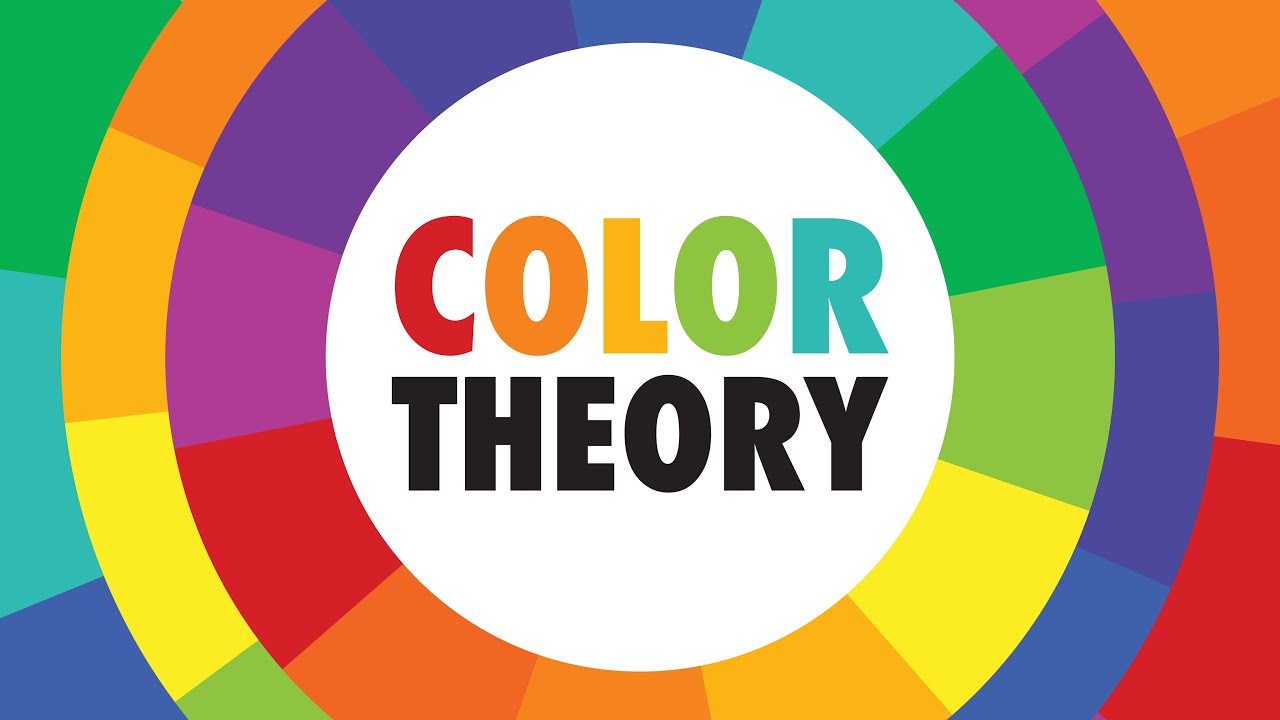
Undertone sits underneath the skin’s surface color, and it’s the thing that decides which lipstick families flatter a face versus fight it.
It stays constant year round, which is the part people get wrong. Skin tone, the surface color, shifts with sun exposure and the seasons. Undertone doesn’t move at all.
A few ways to check it: veins that look greenish point to a warm undertone, while blue or purple veins point to cool. Gold jewelry tends to sit better against warm undertones, silver against cool. Hold a white sheet of paper up next to the face and skin often looks slightly yellow under warm undertone, slightly pink under cool.
Retailers now offer a tech shortcut too. Sephora’s in-store Color IQ tool scans the skin and, since a 2021 relaunch, uses an AI-driven algorithm to read undertone, depth, and saturation together, cutting out the guesswork of holding up jewelry.
Carole Jackson’s 1980 book on seasonal color analysis sorted undertone and depth into four palettes, later expanded into twelve. Stylists still use that same framework today to match lip color to hair and skin together, not skin alone.
Warm Undertone
Warm undertone skin carries yellow, peachy, or golden hues underneath. Brunettes with warm undertone tend to look best in shades that lean orange or brown rather than blue or pink. Brick reds, warm corals, and rosewood nudes all sit in this family. The guide to lipstick colors for warm undertones goes deeper into that range.
Cool-toned shades on warm undertone skin tend to look chalky, occasionally a little gray, against the lips.
Cool Undertone
Cool undertone skin pulls the opposite direction, carrying pink, red, or bluish hues under the surface. Blue-based reds hold their color here instead of drifting orange as the day wears on. Mauve and berry read rich rather than muddy, and pink-leaning nudes avoid the peachy cast that clashes with cool skin.
The guide to lipstick colors for cool undertones breaks that family down further, and the logic holds whether the brunette hair underneath is espresso or ash.
Neutral Undertone
Neutral undertone is a genuine middle ground, not a fallback answer for people who can’t tell warm from cool. Skin with neutral undertone wears both warm and cool lip families without much visible clash, which makes shade testing quicker since fewer options get ruled out right away.
How Hair Depth Changes the Ideal Lipstick Shade

Hair depth, meaning how light or dark the brunette shade actually sits, changes how much contrast a lipstick creates against the face. Lighter hair asks less of a lip color to stand out. Darker hair raises the contrast automatically, and that shifts what reads as bold versus what just looks washed out.
Chestnut and Light Brunette
Chestnut brown sits at the lighter end of the brunette range, closer in visual weight to dark blonde than to espresso. Because the contrast is lower, softer shades like dusty rose, warm nude, or soft coral don’t disappear against the face the way they might on darker brunette hair.
It’s a similar contrast level to what lipstick colors for blondes work with, which is part of why the two lists overlap more than people expect.
Espresso and Deep Brunette
Espresso brown pushes contrast to its highest point on the brunette spectrum, just short of black. Pale or frosted shades wash out at this level, and sheer or barely-there formulas tend to read as unfinished rather than natural. Saturated color, think deep red, wine, bold berry, is what actually holds up.
Ash Brunette
Ash brunette carries a cool, smoky cast rather than a warm one. Mauve and berry shades sit naturally against that cast, and blue-based reds hold their tone instead of turning muddy. Warm shades like terracotta, brick, or warm coral can look slightly off here, fighting the cast instead of working with it.
Auburn Brunette
Auburn brunette runs warm, with a visible red or copper cast running through the brown. Warm reds and corals pick up that same red undertone instead of clashing with it. A blue-based red, which is the shade that flatters ash brunette hair so well, tends to compete with auburn’s natural warmth rather than sit alongside it.
Which Lipstick Colors Work for Each Skin Tone on Brunettes
Skin tone depth is a separate thing from undertone, and it decides how much pigment saturation a lipstick actually needs in order to show up instead of blending into the skin.
| Skin Tone | Common Undertone | Best Color Family | Example Shade |
|---|---|---|---|
| Fair | Cool or neutral | Blue-based red, cool mauve | MAC Ruby Woo |
| Medium | Warm or neutral | Rosewood nude, brick red | Charlotte Tilbury Pillow Talk |
| Olive | Warm with green cast | Terracotta, warm brick | MAC Chili |
| Deep | Warm or neutral | Deep berry, saturated true red | Fenty Beauty Stunna Lip Paint |
Fair skin brunettes don’t need much pigment for a color to register, so even sheer reds show up clearly. There’s more on that in the guide to lipstick colors for fair skin.
Olive skin carries a green undertone cast that most standard warm-cool tests miss entirely. Terracotta and warm berry shades counteract that green rather than fight it, reading as warm and even instead of sallow.
Deep skin needs roughly the opposite of what fair skin needs. High pigment concentration matters here, since sheer or frosted formulas tend to fade into the skin instead of standing out against it. Fenty Beauty built its lip range, Stunna Lip Paint included, around visible payoff on deep skin, marketing the shade as a true red that reads clearly rather than muddy on darker complexions. The guide to lipstick colors for dark skin has more detail.
Which Lipstick Finish Suits Brunette Coloring Best

Finish decides how much light bounces off the lips, which changes how saturated a color looks against high-contrast brunette hair. Satin finish currently holds the largest share of the global lipstick market at 43.41%, while matte is the fastest-growing finish segment, projected to grow at a 7.81% CAGR through 2030 (Mordor Intelligence, 2025).
Matte Finish
Matte absorbs light instead of reflecting it, which is why it gives the strongest color payoff of any finish. The pigment shows up bold, wear time is longer, and there’s no shine to catch a camera flash oddly. The tradeoff is that matte can settle into dry patches and isn’t especially forgiving on textured or chapped lips.
L’Oreal S.A. leads the matte category, with an estimated 18.2% share, through Maybelline SuperStay Matte Ink and MAC Retro Matte, the formula behind Ruby Woo (MarketIntelo, 2025). For the full rundown on the formula itself, what matte lipstick actually is covers the wax-to-oil ratio behind that finish.
Satin and Cream Finish
Satin softens light rather than absorbing or reflecting it fully, sitting somewhere between matte and gloss. It’s comfortable on the lips and forgiving on dry or textured ones, with moderate pigment payoff. Wear time is shorter than matte, so it needs more frequent touch-ups through the day.
The full comparison between the two most common finishes sits in matte versus satin lipstick, which breaks down wear time and payoff side by side.
Gloss and Sheer Finish
Gloss bounces light straight back, and sheer formulas let some of the wearer’s natural lip color show through underneath. It’s low commitment and hydrating, easy to reapply without needing a mirror. The wear time is the shortest of any finish, though, and it can look faded against the higher contrast of deep brunette hair specifically.
Best Red Lipstick Shades for Brunettes

Red splits into two undertone families, blue-based and orange-based, and brunette hair color doesn’t decide which one wins. Skin undertone does.
Blue-based reds suit cool undertone skin and hold their color instead of shifting orange as the day wears on. Orange-based and brick reds suit warm undertone skin, where a blue-based red can look slightly harsh, almost costume-like, by comparison.
MAC Ruby Woo, a blue-based red launched in 1999, still sells more than 65,000 units a year according to the brand (Marie Claire UK, 2023). It’s still the reference point most brunettes end up comparing other reds against, cool undertone or warm.
Hair depth shifts which red actually reads best, too. Deeper, espresso-level brunette hair carries enough natural contrast that a muted brick red can still register as bold. Lighter chestnut brunette hair usually needs a more saturated red to hit that same visual weight.
Fenty Beauty’s Stunna Lip Paint took a different approach: a true red marketed as suiting most undertones, positioned by the brand as a red that reads clear rather than muddy across a wide range of skin, deep skin included.
The full logic behind picking between the two families sits in the guide to cool versus warm red lipstick.
Getting the exact shade right matters more with red than with almost any other color family. Red sits close to the skin’s own blood-vessel color, so small undertone mismatches show up immediately, no hiding them. A step-by-step walkthrough on choosing a red lipstick covers testing methods beyond the basic warm-cool split.
Best Nude and Mauve Lipstick Shades for Brunettes

Nude and mauve get grouped together constantly, but they’re actually two different shade families. Nude follows the wearer’s own lip and skin tone. Mauve adds a dusty purple-pink cast on top of that base.
A true beige nude, the kind built for fair skin with minimal pigment, can wash out against medium to deep brunette hair and the higher facial contrast that comes with it. Warm undertone brunettes generally do better with rosewood, warm caramel nude, or a terracotta-leaning nude. Cool undertone brunettes tend to land on mauve, cool pink-beige nude, or dusty rose instead.
Charlotte Tilbury’s Pillow Talk, a nude-pink shade launched in 2013, now sells one product from its collection every 10 seconds worldwide, according to the brand (2024). Its neutral-leaning undertone is a big part of why it reads as flattering across such a wide range of skin.
NARS Dolce Vita sits at the cooler end of the same category, a rosy mauve-nude built for cool undertone skin. It’s closer to what ash brunette hair calls for than to what auburn brunette hair needs.
The difference between the two categories, and where the line actually sits, gets covered in more depth in what nude lipstick is. For matching the exact undertone of a nude to your own skin, the guide to picking a nude lipstick walks through the testing steps.
Best Berry, Plum, and Wine Lipstick Shades for Brunettes

Berry, plum, and wine all sit in the same deep-toned family, but the three pull in different directions once undertone gets involved. Berry runs closer to pink-red with a cool cast. Plum leans purple. Wine sits deepest of the three, closer to brown-red than true purple.
Cool undertone skin generally does well in true plum, blackberry, or raspberry-toned berry. Warm undertone skin tends to need wine with a brick-brown base, or a brownish berry rather than a true purple. On ash brunette hair, plum and berry hold their cool cast without turning muddy. On auburn brunette hair, a browner wine works better than a purple-leaning plum.
Clinique’s Black Honey, a berry-plum shade that’s stayed in the brand’s lineup since 1971, works off a color-adapting formula rather than a fixed pigment, shifting slightly darker or lighter depending on the wearer’s own lip tone.
The deeper of these three shades reads best against medium to deep brunette hair, for the same contrast reasons covered earlier. On chestnut or other lighter brunette shades, a lighter berry avoids looking heavier than the hair itself.
Purple-leaning plum needs its own undertone check separate from red-based shades, since a warm-leaning plum can turn brownish instead of staying purple. The full breakdown sits in the guide to wearing purple lipstick.
Wine, the darkest of the three, behaves closer to a dark lipstick than a red one once it’s actually on. More on styling it sits in the guide to wearing dark lipstick.
How Eye Color Changes the Ideal Lipstick Shade for Brunettes
Eye color adds a second layer of contrast on top of hair depth and skin undertone, and it works by contrast rather than matching. A lip shade sitting opposite the eye color on the color wheel tends to make both features stand out more than a shade that just echoes the eye color directly.
| Eye Color | Contrast Logic | Shade Direction |
|---|---|---|
| Brown | High flexibility, most shades read well | Red, berry, warm nude |
| Hazel | Warm shades pull out gold and green flecks | Coral, warm brown, terracotta |
| Green | Red-family shades create the strongest contrast | True red, berry, warm plum |
| Blue | Cool shades avoid competing with the eye’s own cast | Blue-based red, mauve, cool berry |
Brown Eyes
Brown eyes offer more flexibility than any other eye color, since brown sits neutral on the color wheel relative to most lip shade families. Warm reds and corals intensify the eye’s natural warmth. Cool berries and blue-based reds still read clearly without clashing. Deep wine adds drama without fighting the eye color at all.
A broader look at pairing eye and lip color together sits in the guide to makeup looks for brown eyes.
Hazel Eyes
Hazel eyes shift depending on the lighting and whatever’s worn near them, carrying both green and gold flecks inside a brown base. Warm shades, terracotta, warm coral, brownish berry, pull those gold flecks forward. Cool shades tend to flatten hazel eyes into a plainer brown.
Green Eyes
Green sits opposite red on the color wheel, which is exactly why red-family lipstick creates the strongest contrast of any pairing here. Berry and warm plum work almost as well, since they carry enough red undertone to trigger that same effect.
More combinations live in the guide to the best lip color for green eyes.
Blue Eyes
Blue eyes carry a naturally cool cast, and cool-toned lip shades sit more comfortably against that than warm ones do. Blue-based red avoids the slight clash a warm brick red can create, and mauve or cool berry picks up the same cool undertone as the eye color itself.
Which Lipstick Colors Work Best for Everyday, Evening, and Bridal Looks
Occasion changes how much lipstick payoff actually gets used, separate from which shade family suits someone’s coloring in the first place. The undertone rules from earlier sections still apply here. What changes is intensity and staying power.
Everyday Wear
Everyday wear tends to favor lower-maintenance shades that don’t need much precision or many touch-ups. A soft nude, rosewood, or muted berry in a satin or cream finish covers most of it. Tinted balm or sheer formulas work for a no-effort base color, and lip liner is usually optional here.
More everyday-specific pairings sit in the guide to everyday makeup looks.
Evening Wear
Evening is where the boldest shades in a brunette’s collection actually get worn. A third of women, 33%, say they’d wear a bold lipstick shade on a first date (Avon UK, 2022). Deep red, wine, and saturated berry all fit that bolder brief.
Matte finish tends to hold up best under evening lighting, mostly because it doesn’t shift or catch light unpredictably the way gloss can.
Bridal Makeup
Bridal makeup needs a shade that photographs consistently across flash, daylight, and whatever the venue lighting happens to be, all in one day. Victoria Beckham Beauty built its Posh Lipstick as a lipstick-balm hybrid specifically to solve the comfort problem brides run into with all-day matte wear.
Soft rose and nude shades dominate bridal choices, though a classic red remains a documented option for brides who want more presence in photos. Coverage of how those looks come together sits in the guide to wedding makeup looks.
Which Lipstick Colors Do Not Work for Brunettes
Some shades fail specifically because of brunette hair’s contrast level, not because the color is bad on its own. Frosted and heavily shimmered nudes wash out against medium to deep brunette hair, since the pale base and the light-reflecting particles both work against the higher facial contrast brunette hair already creates. A full definition of that finish sits in the guide to what frosted lipstick actually is.
Neon and fluorescent shades clash hardest on warm undertone brunettes specifically, since the artificial brightness fights the skin’s natural warmth rather than working with it.
Undertone mismatches cause most of the actual failures, though. A cool blue-based red on a clearly warm undertone reads harsh, sometimes costume-like. A warm orange-based red on cool undertone skin looks slightly muddy. A beige nude built for fair skin tends to disappear against medium to deep brunette contrast.
Auburn brunette hair has its own failure point, separate from undertone entirely. A blue-based red or cool mauve fights the hair’s natural red-copper cast, even on skin where an undertone test alone would suggest the shade should work fine.
Box-dyed hair shifts this calculation too. A brunette with a warm, red-toned dye job needs the same caution as someone with natural auburn hair, regardless of what undertone testing on bare skin suggests.
How to Test if a Lipstick Shade Matches Your Undertone Before Buying
Testing a shade properly takes under five minutes and heads off most of the mismatches covered above. A peer-reviewed study testing 15 lipstick shades under 5 different light sources, with color temperatures ranging from 2,500K to 6,500K, found that the light source itself significantly changed how the same shade was perceived (Frontiers in Neuroscience, 2023). Store lighting is rarely neutral, which is exactly why testing indoors alone isn’t reliable.
- Swatch the shade on the lower lip or the inner wrist, not the back of the hand
- Step outside or move next to a window to check the color in daylight
- Compare the swatch against the jawline rather than the center of the face
- Check the shade both alone and layered over a nude lip liner
- Photograph the swatch in daylight, since phone cameras often catch undertone shifts the eye misses in the moment
Retail tools have partly closed this gap. ULTA’s GLAMlab virtual try-on tool renders shades directly on a live camera feed, which at least removes the guesswork of holding a bullet up to the face under store lighting.
A shade that reads true both indoors and in daylight is the one worth buying. A broader guide to matching makeup to skin tone covers the same testing logic applied to foundation and blush.
Reliable Lipstick Shades and Products for Brunettes to Start With
A working lipstick collection doesn’t need to be large to cover every undertone and occasion this article has gone through. Most women don’t actually use most of what they own; 56% of UK women say they regularly wear only one or two lipsticks from their entire collection (Avon UK, 2022).
- MAC Ruby Woo, blue-based red, matte finish, roughly $19
- Charlotte Tilbury Pillow Talk, nude-pink, matte finish, roughly $35
- Maybelline SuperStay Matte Ink, warm brick shades available, matte finish, roughly $11
- NARS Dolce Vita, dusty rose-mauve, cream finish, roughly $26
- MAC Chili, terracotta-brick, satin finish, roughly $19
That list mixes price points on purpose. According to Mintel (2024), seven in 10 makeup users have already bought a “dupe,” a cheaper stand-in for a prestige favorite, which makes a decent case for testing a budget option before committing to the luxury version of the same undertone family.
A drugstore matte shade and a prestige matte shade in the same undertone family actually perform closer to each other than the price gap suggests. The real differences usually show up in packaging, scent, and how the formula feels after a few hours, not in whether the color itself reads correctly.
Formula choice affects how any of these five shades wear through a full day. A guide to making lipstick last longer covers layering and setting techniques that apply to matte or satin picks equally.
For anyone building a collection around a nude first, matte nude specifically holds up better across drugstore and prestige formulas than glossy nude does, since the lack of shine hides small formula differences more effectively. More matte-specific nude options sit in the guide to matte lipstick nude shades.
FAQ on Lipstick Colors For Brunettes
Is Lipstick Matching Different for Brunettes Than for Blondes or Redheads?
The undertone rules stay identical across hair colors. What changes is contrast: brunette hair sits at a deeper value than blonde, so shades read bolder against it. Redheads carry a built-in warm cast that competes with cool-toned lipstick choices.
Does Lip Liner Matter as Much as Lipstick Color for Brunettes?
Lip liner actually matters more on deeper brunette contrast, not less. It defines the edge before color goes on and stops the color from bleeding into fine lines. On lighter chestnut brunette hair, liner is optional. On espresso-level contrast, skipping it tends to read unfinished.
Can Brunettes Wear Bright Orange or Coral Lipstick?
Warm undertone brunettes wear coral and orange-red well, especially with chestnut or auburn hair. Cool undertone or ash brunette hair fights those shades and can turn them slightly clownish. A coral with a pink lean, rather than true orange, works across more undertones than a straight orange does.
Should Brunettes Change Lipstick Shade by Season?
Season affects finish and mood more than it affects the underlying undertone rule. Warmer months lean toward sheer, coral, or gloss finishes. Colder months favor matte wine, berry, and deep red. The warm-cool undertone match itself stays constant year round.
What Lipstick Mistakes Do Brunettes Commonly Make?
The most common one is buying by the bullet’s color instead of swatching on skin. Skipping lip liner on deep-contrast espresso brunette hair lets color bleed and fade unevenly. Testing only under store lighting, rather than daylight, causes most of the remaining mismatches.
Does Box-Dyed Hair Color Change the Lipstick Match Versus Natural Brunette Shades?
Box dye shifts the calculation, especially warm, red-toned dye jobs that end up behaving like natural auburn hair rather than the brunette’s original depth. Dye also fades toward brass over time, gradually warming the color cast, so the undertone match is worth rechecking partway through a dye cycle.
What Should You Try First With Lipstick Colors for Brunettes
Start with the undertone test, not the color chart. Every shade family in this guide sorts by warm, cool, or neutral undertone before it sorts by hair depth or finish.
Confirm undertone in daylight first. Then factor in hair depth, from chestnut to espresso, since that sets how much contrast tolerance a shade needs. Finish and occasion come last, matte for longevity, satin or gloss for lower-maintenance wear.
Weekly lipstick wear sits at 43% among US women (YouGov, 2023), while 37% of UK women admit they don’t know their correct shade (Avon UK, 2022). Read together, those two figures point to a lot of frequent wearers applying color they’ve never actually confirmed matches them.
Choosing the right shade solves half the problem. Application technique solves the rest, covered fully in the guide to applying lipstick.

She started writing on the site after fielding the same questions from clients and friends often enough to just write the answers down: which red won't turn orange on a warm undertone, how to keep lipstick from feathering into fine lines, why a "12-hour" formula rarely survives dinner.
Every review on the site follows the same rule she uses with paying clients: wear it first, then decide if it's worth recommending.
- How to Make Eyeliner Last Longer Without Smudging - August 31, 2026
- How to Make Eyeshadow Last Longer All Day - August 29, 2026
- How to Find Your Undertone in 5 Easy Steps - August 27, 2026