Summarize this article with:

Beauty isn’t about masking, it’s about enhancing what you already have. Natural makeup looks on brown skin celebrate our rich tones rather than covering them.

The beauty industry has evolved. With pioneers like Fenty Beauty inclusive range and Iman Cosmetics, we finally have products that understand our needs.

Still, finding the right techniques for melanin-rich skin requires more than just buying the right products.

This guide delivers practical advice for achieving that barely-there makeup effect that looks like you—only enhanced. You’ll learn:

  • Creating the perfect skincare base for lasting radiance
  • Finding foundation that truly matches your warm skin tone
  • Enhancing natural features without heaviness
  • Adapting techniques for different occasions

Whether you’re new to makeup or looking to refine your everyday makeup for melanin, these approaches work for all brown skin tones—from honey-toned skin beauty to ebony skin beauty tips. Let’s explore how to make your fresh-faced beauty shine through.

Understanding Your Skin and Features

Your journey to mastering neutral makeup looks starts with understanding what you’re working with. No two faces are alike. Before grabbing those nude color palettes or earth-tone makeup products, let’s break down what makes your canvas unique.

Determining Your Skin Type

YouTube player

Skin type directly impacts your neutral makeup application. Oily? Dry? Something in between? Knowing this helps you choose products that work with your skin rather than against it.

Try these simple tests to identify your type:

  • T-Zone check: Wash your face, wait an hour. How does your forehead, nose, and chin feel?
  • Tissue test: Press a tissue to your face mid-day. What sticks?
  • Reaction check: How does your skin respond to washing?

Your skin shifts with seasons and hormones. Many experience dry skin in winter and need more hydration, while summer might bring oil. These seasonal changes mean your makeup routine needs occasional adjustments for that perfect fresh-faced appearance.

Beauty brands like Bobbi Brown and MAC create products for different skin types (dry, oily, combination), making it easier to find what works for you year-round.

Identifying Your Undertones

YouTube player

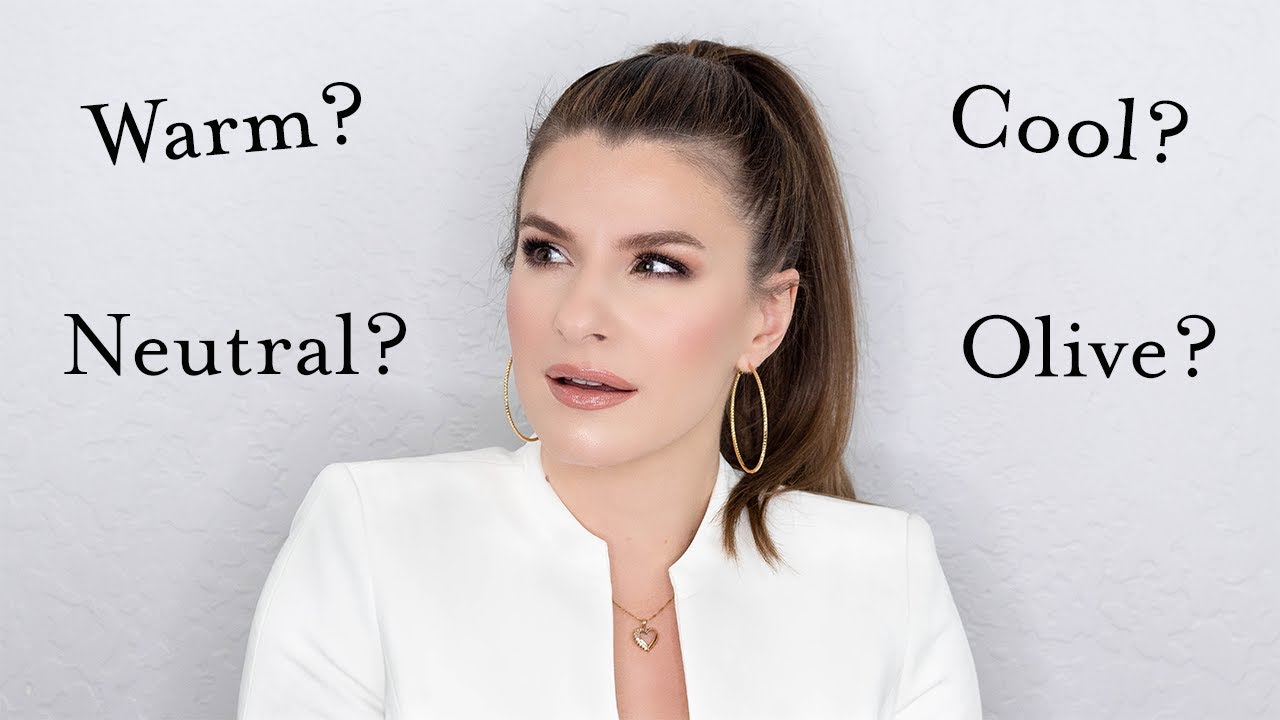
Undertones are crucial for neutral makeup looks. These subtle hues beneath your skin surface determine which neutral shades will make you glow or look washed out.

The three main categories:

  1. Cool undertones: Pink, red, or bluish hints
  2. Warm undertones: Yellow, peachy, or golden hints
  3. Neutral undertones: Balanced mix or olive bases

Not sure which you have? Check your:

Curious about global makeup trends?

Dive into the latest makeup statistics: product popularity, spending patterns, market share, and consumer behaviors defining the industry.

Explore the Data →
  • Veins (blue = cool, green = warm)
  • Jewelry preference (silver = cool, gold = warm)
  • White clothing test (blue-white = cool, cream-white = warm)

Understanding undertones helps with color matching techniques and choosing the right nude lipstick shades and foundation coverage that look natural rather than ashy or orange.

Working with Your Natural Features

Your face shape (oval, square, heart) provides a roadmap for placement of most makeup elements. Each shape has strengths you can enhance with the right subtle makeup techniques.

Eye shapes (hooded, almond, round) determine how shadow should be placed for the most flattering effect. Someone with hooded eyes might apply neutral eye techniques differently than someone with wide-set eyes.

Your natural lip fullness and symmetry guide your approach to nude lip color selection. Similarly, your eyebrow structure influences how you should fill and shape them for that perfect frame to your neutral makeup looks.

Makeup artists like Lisa Eldridge emphasize working with your features rather than trying to completely change them. The most flattering neutral makeup for different skin tones enhances what’s already there.

Creating the Base

A flawless base is the foundation of any stunning neutral makeup look. It’s what beauty influencers mean when they talk about “skin that looks like skin.”

Skin Preparation

Skip this step, and even the most expensive makeup products won’t perform their best. Good skin preparation involves:

Cleansing and exfoliation basics:

  • Remove all traces of dirt and old makeup
  • Gently exfoliate 1-3 times weekly (depending on skin type)
  • Use lukewarm water (hot water strips natural oils)

Moisturizing before makeup isn’t optional—it’s essential! Hydrated skin accepts foundation better and prevents that dreaded cakey finish. Your skin type determines whether you need a gel, lotion, or cream formula.

Primers create the perfect canvas. They fill pores, smooth texture, and help your neutral makeup last all day. Some primers add glow, while others control oil or color-correct—choose based on your skin concerns and desired finish.

Foundation Selection and Application

Foundation Selection and Application

The right foundation makes or breaks your neutral makeup look. Consider:

Types of foundations:

  • Liquid: Versatile, various finishes
  • Powder: Best for oily skin
  • Cream: Ideal for dry or mature skin
  • Tinted moisturizer: Lightest coverage for good skin days

Coverage levels:

  • Sheer: Evens tone slightly
  • Medium: Covers minor imperfections
  • Full: Conceals most discoloration

For truly natural makeup application, consider skin-tone matching tips from makeup tutorials. Test foundation on your jawline, not your wrist, and check in natural light.

Application methods vary based on your desired finish:

  • Fingers: Warm the product, create a natural finish
  • Makeup brushes: More precise, builds coverage
  • Makeup sponges: Creates seamless, airbrushed effect

The best neutral makeup for olive skin might differ from neutral makeup for fair skin or neutral makeup for dark skin. Brands like NARS and Bobbi Brown offer wide shade ranges with appropriate undertones.

Concealing and Correcting

Even with foundation, some areas need extra help. That’s where concealer blending methods come in.

Color correctors neutralize specific issues:

  • Green: Reduces redness
  • Purple: Brightens sallowness
  • Peach/orange: Counteracts dark circles (especially on deeper skin)

Once color corrected, apply concealer in these key areas:

  • Under eyes (in a triangle shape)
  • Around nostrils
  • On blemishes
  • Around the mouth if needed

For a truly seamless finish, setting concealer with a light dusting of powder prevents creasing and extends wear time. Use setting techniques like “baking” sparingly—too much powder can age the look.

The perfect base lets the rest of your neutral makeup elements shine without distraction. It’s about creating the illusion of perfect skin that still looks like your skin, just on its absolute best day.

Enhancing the Eyes

Eyes speak volumes. They’re central to most neutral makeup looks, serving as the focal point that pulls everything together. Let’s dive into creating those perfect soft makeup finishes that enhance without overwhelming.

Neutral Eyeshadow Techniques

Neutral Eyeshadow Techniques

Investing in quality neutral eye palettes saves time and money. Look for:

  • A matte base shade matching your skin tone
  • Several warm neutral eye looks and cool neutral eye looks options
  • One or two subtle shimmers for dimension
  • A deeper shade for definition

Makeup artists like Pat McGrath and Wayne Goss stress the importance of transition shades. These midtones blend the gap between light lid colors and deeper crease colors. Without them, your eye makeup can look harsh or unblended.

Building depth requires understanding your eye shape. For hooded eyes, place darker colors above the actual crease so they’re visible when eyes are open. For monolids, focus on gradient intensity rather than crease definition.

Neutral makeup for different eye shapes means adapting placement:

  1. Round eyes: Emphasize outer corners to elongate
  2. Close-set eyes: Focus deeper shades on outer thirds
  3. Downturned eyes: Wing shadow upward for lift

The understated makeup approach means you can’t see where one color starts and another begins. Blend. Then blend again.

Eyeliner Approaches

Eyeliner Approaches

Tightlining involves applying liner between lashes rather than above them. It creates definition without obvious liner. Workplace appropriate cosmetics often favor this subtle approach.

Soft vs. defined liner looks offer different effects:

  • Smudged brown pencil creates a subtle makeup technique effect
  • Precise liquid creates definition
  • Taupe eyeliner techniques provide the softest possible definition

The color choice matters too. Brown vs. black liner isn’t just about intensity. Brown reads as more natural on most skin tones and works beautifully for daytime makeup options.

Don’t forget the waterline application—the inside rim of your eye. White brightens, black intensifies, nude looks natural. Your choice depends on the overall effect you’re seeking.

Mascara and Lashes

Mascara and Lashes

Mascara formula selection depends on your natural lashes and desired effect:

  • Thin lashes? Choose volumizing formulas
  • Short lashes? Try lengthening formulas
  • Already full lashes? Defining formulas enhance what you have

Brown mascara application creates a softer look than black, perfect for minimal makeup style approaches. It’s especially flattering for those with very fair coloring.

Application techniques make a huge difference:

  • Wiggle the wand at the base for volume
  • Pull straight through for length
  • Comb through with a spoolie for separation

Natural-looking false lashes have become a makeup staple. Opt for individual clusters or wispy strips rather than thick, dramatic styles for truly neutral makeup looksBeauty influencers recommend trimming strips to fit your eye width and applying a thin line of dark adhesive that dries clear.

Defining Features with Contour and Highlight

Defining Features with Contour and Highlight

Contour and highlight bring dimension back to the face after foundation has evened everything out. When done right, these techniques create that coveted “lit from within” effect that defines modern neutral makeup looks.

Understanding Light and Shadow

Faces naturally have high and low points. Basic principles of facial structure provide the roadmap for product placement:

  • Shadows occur in recessed areas (under cheekbones, jawline)
  • Light hits protruding areas (tops of cheekbones, brow bone)

Where to contour depends on your face shape:

  • Round: Focus on cheekbones and temples
  • Square: Soften jawline angles
  • Heart: Balance wider forehead with jawline contour
  • Oval: Minimal contouring needed

Highlight placement brightens and brings forward features:

  • High points of cheekbones
  • Bridge of nose (not the tip for most faces)
  • Cupid’s bow
  • Brow bone (subtly)

The goal is balanced makeup approach, not obvious stripes. Subtle contour methods create natural shadows.

Product Selection

Product Selection

Powder vs. cream products each have benefits:

  • Powder: Easier for beginners, works for oily skin
  • Cream: Melts into skin, ideal for dry or mature skin

Finding truly neutral contour shades means avoiding orange or gray undertones. Look for taupe shades with the faintest hint of your undertone. Warm neutral eye looks pair with slightly warmer contours, while cool neutral eye looks need cooler contours.

Types of highlighters include:

  • Champagne highlighter (versatile for most skin tones)
  • Pearl (for fairest skin)
  • Gold (beautiful on medium to deep tones)
  • Rose gold (flatters many skin tones)

The finish matters too. Dewy neutral finish looks natural for day, while satin neutral finish works for most occasions. Reserve obvious shimmer for evening looks.

Application Techniques

Brush selection dramatically affects your result:

  • Angled brush: Precise contour placement
  • Fluffy brush: Diffused, natural effect
  • Fan brush: Lightest possible highlight application
  • Duo-fiber brush: Ideal for cream products

Blending methods prevent harsh lines. Always use a clean brush for final blending. The most natural-looking contour is one that’s almost undetectable.

Work in sheer layers. Building intensity gradually allows control and prevents the dreaded muddy or striped look. You can always add more, but removing excess product often means starting over.

Remember that different lighting conditions affect how contour and highlight appear. Check your work in various lights—what looks subtle in bathroom lighting might be obvious in daylight.

For truly sophisticated makeup styles, combine techniques. Multi-use neutral products like cream bronzer placement can serve as contour, bronzer, and even eyeshadow for a cohesive look.

The makeup application order matters too. Apply cream products before powders, and always blend thoroughly between steps. This creates that seamless transition that defines truly skillful neutral makeup looks.

Cheek Color and Dimension

Cheeks bring life to the face. Even the most skillfully applied neutral makeup looks can appear flat without that perfect flush of color and dimension.

Blush Selection

Blush Selection

Finding your perfect neutral blush shade isn’t about trends—it’s about your natural flush. Look in the mirror after exercise. That’s your guide.

Different skin depths need different approaches:

  • Fair skin: Soft pinks and peaches
  • Medium skin: Warm peaches and mauves
  • Deep skin: Rich berries and terracottas

Formulations and finishes affect the final result:

  • Powder: Classic, easy to control
  • Cream: Melts into skin for a natural look
  • Liquid/gel: Sheerest finish
  • Stain: Longest lasting

Soft pink blush placement isn’t the same for everyone. Your face shape determines optimal placement:

  1. Round faces: Apply higher on the cheekbones, angling toward temples
  2. Square faces: Focus on the apples, blending upward
  3. Heart faces: Concentrate on the outer parts of the apples
  4. Oval faces: Center on the apples, blending upward

Makeup artists often use multiple blush products for dimension. A cream base with powder overlay creates that “glow from within” that defines effortless beauty looks.

Application Methods

Techniques for different face shapes extend beyond placement to application style:

  • Rounded motion for angular faces
  • Angled motion for rounder faces

Start with less product than you think you need. Building and blending for natural flush means gradually layering color until you reach the desired intensity. The most common makeup application mistake is applying too much at once.

Layering blush for longevity requires strategy:

  • Apply cream or liquid products first
  • Set with translucent powder
  • Layer powder blush on top
  • Finish with setting spray

For truly polished makeup appearance, blend the edges of your blush into surrounding products. There shouldn’t be any visible lines of demarcation.

The clean beauty look requires proper makeup tools. Use a fluffy brush for powder, fingertips or a stippling brush for cream, and a beauty sponge for liquid formulations.

Bronzer as a Complement

YouTube player

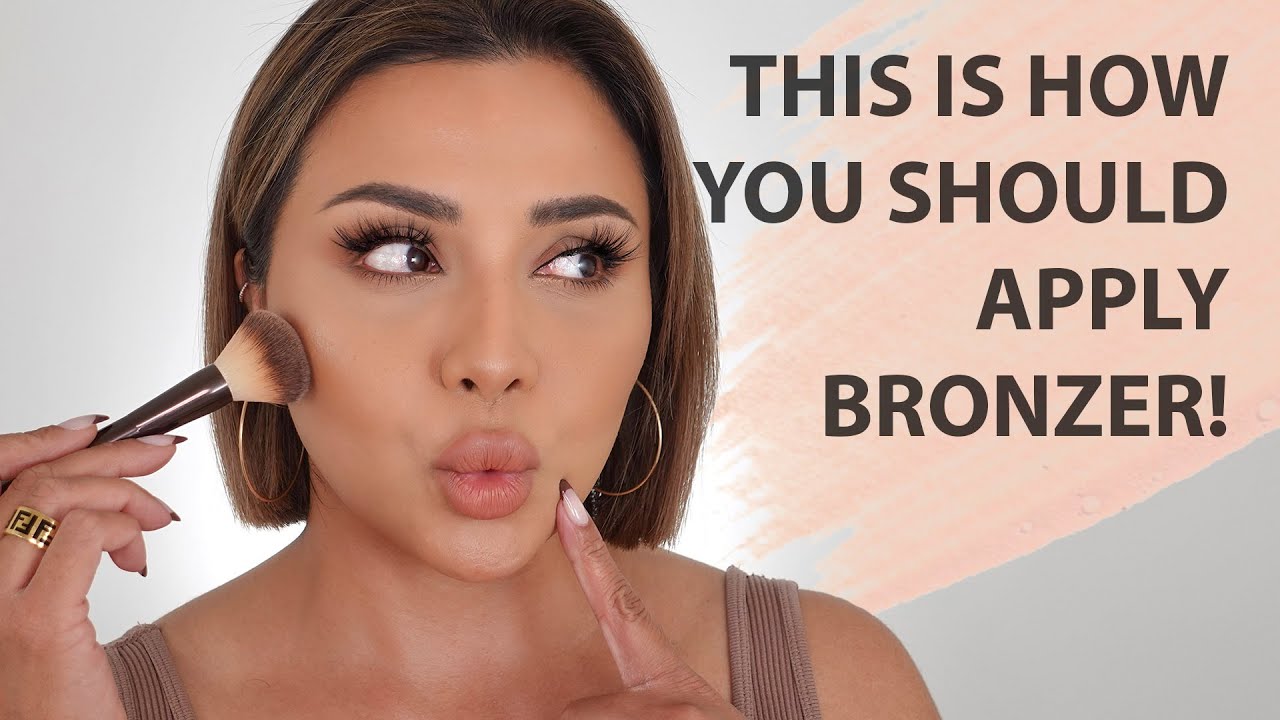
Bronzer and contour serve different purposes. Understand the distinction:

  • Contour: Creates shadows and definition
  • Bronzer: Adds warmth where sun naturally hits

Selecting neutral, non-orange bronzers depends on your undertone. Look for:

  • Cool undertones: Taupe-based bronzers
  • Warm undertones: Golden-brown bronzers
  • Neutral undertones: True brown bronzers

Application for a sun-kissed effect follows the “3” pattern:

  • Sweep across forehead
  • Curve under cheekbones
  • Finish along jawline

The best neutral makeup for different skin tones incorporates bronzer thoughtfully. Deeper skin tones need richer bronzers with more red undertones, while fair skin looks best with subtle, neutral bronzers.

Cream bronzer placement differs slightly from powder. Apply with a dense brush or fingers in a patting motion rather than sweeping. This creates the most natural dimension without disturbing foundation underneath.

Perfecting the Lips

Lips complete the neutral makeup looks equation. The right shade and technique make all the difference between “washed out” and “effortlessly chic.”

Lip Preparation

Skip this step at your peril. Exfoliation and hydration techniques create the perfect canvas:

  • Gentle sugar scrub 1-2 times weekly
  • Daily hydration with lip balm
  • Allow balm to absorb before applying color

Using primer and foundation as a base creates longevity and prevents feathering. A light dusting of translucent powder also helps lipstick adhere better.

Fixing uneven lip shapes can be subtle:

  • Use concealer to redefine edges
  • Create symmetry with liner
  • Highlight the cupid’s bow for definition

The best neutral makeup techniques work with your natural lip shape rather than trying to drastically alter it.

Neutral Lip Color Selection

Neutral Lip Color Selection

Finding your perfect nude shade means understanding your skin depth and undertone:

  • Fair skin: Soft pinks and peaches
  • Medium skin: Rosy browns and mauve tones
  • Deep skin: Rich terracottas and chocolate tones

MLBB (My Lips But Better) options enhance rather than mask your natural lip color. Look for:

  • Sheer to medium coverage
  • Slightly more pigmented than your natural lips
  • Similar undertone to your natural flush

Finishes and their effect change the overall impression:

  • Matte: Sophisticated, long-wearing
  • Cream: Classic, comfortable
  • Gloss: Youthful, plumping effect
  • Satin: Versatile for most occasions

Nude lipstick shades need to complement your overall neutral makeup application. Too pale can look corpse-like, while too brown might appear dated.

Application Techniques

Lip liner use isn’t optional for long-wearing looks:

  • Choose a shade matching your lipstick or natural lips
  • Line the entire lip, not just the edges
  • Fill in slightly for longevity

Building and blending color works best in layers:

  • Apply thin layer of lipstick
  • Blot with tissue
  • Apply second layer
  • Blend edges with fingertip or brush

Making lip color last longer requires technique:

  • Start with properly prepped lips
  • Use liner as a base
  • Apply lipstick with a brush for precision
  • Blot and repeat
  • Set edges with a tiny bit of powder

For truly versatile makeup combinations, consider multi-use neutral products like tinted balms or lip-to-cheek colors. These create cohesive looks that appear effortlessly coordinated.

Makeup for beginners often overlooks the importance of lip liner, but this simple tool prevents feathering and bleeding—common issues with neutral lip colors that can quickly look messy.

The most sophisticated makeup styles pair naturally with matching lip tones. For workplace appropriate cosmetics, avoid extremes (too glossy or too matte) and stick to shades within two tones of your natural lip color.

Remember that neutral makeup for dark skinneutral makeup for olive skin, and neutral makeup for fair skin require different approaches to nude lip colors. What looks “nude” varies dramatically across the spectrum of human coloring, despite what limited shade ranges might suggest.

The perfect neutral lip looks intentional, not erased. It complements rather than competes with your other features, creating that coveted balanced makeup approach that defines truly skillful neutral makeup looks.

Setting and Finishing Touches

Setting and Finishing Touches

The final steps determine whether your neutral makeup looks last through lunch or through midnight. Proper setting transforms good makeup into great makeup.

Setting Products

The debate between powders vs. setting sprays isn’t about which is better—it’s about which is right for your skin type and desired finish.

Setting powder application varies by skin type:

  • Oily skin: All-over light dusting
  • Dry skin: Targeted only on T-zone
  • Combination: Concentrate on oily areas

Targeted setting vs. all-over setting affects your final appearance:

  • Target under-eyes to prevent concealer creasing
  • Set smile lines to prevent foundation settling
  • Focus on T-zone for oil control
  • Use minimal product on cheeks for dewy neutral finish

Avoiding the cakey look requires technique:

  • Use a light touch with powder
  • Apply with a fluffy brush, not a puff
  • Press and roll, don’t drag across skin
  • Use only the amount needed, not more

For a truly polished makeup appearance, consider your makeup setting techniquesSetting sprays serve different purposes:

  • Dewy formulas add luminosity
  • Matte formulas control shine
  • Alcohol-free options hydrate dry skin

The best approach combines both: minimal powder in strategic areas, finished with setting spray to melt everything together.

Final Touches

Balancing and checking your completed look means stepping back:

  • View your face from different angles
  • Check in various lighting conditions
  • Make sure all elements harmonize

Adding dimension where needed might involve:

  • Extra highlight on high points if looking flat
  • Gentle contour if features need definition
  • Touch of blush if complexion seems dull

Blending any harsh lines creates that seamless finish that defines professional-quality makeup. Use a clean brush to buff any visible edges between products.

For the most versatile makeup combinations, focus on building a kit with truly neutral makeup products that can be adjusted up or down in intensity based on occasion.

Makeup brushes should be cleaned regularly:

  • Spot clean between uses
  • Deep clean weekly
  • Store properly to maintain shape

The makeup expiration timelines matter too. Expired products break down, apply unevenly, and can harbor bacteria. Replace mascara every 3 months, liquids every 6-12 months, and powders every 2 years.

Day to Night Transitions

Day to Night Transitions

Simple additions transform daytime neutrals:

  • Deepen crease color for instant drama
  • Add winged liner for definition
  • Layer clear gloss over matte lips
  • Intensify highlight on cheekbones

Products to keep in your touch-up kit:

  • Blotting papers for oil control
  • Mini setting powder
  • Favorite neutral lipstick
  • Multi-use stick for cheeks and lips

Quick techniques for adding drama include:

  • Smudged shadow along lashline
  • Darker lip color applied center outward
  • Extra mascara focusing on outer corners
  • Intensified brow for frame and structure

The beauty of neutral makeup techniques is their versatility. The same products that create your daytime no-makeup makeup look can be layered and intensified for evening with the right techniques.

Neutral Makeup for Different Occasions

Neutral Makeup for Different Occasions

Neutral makeup looks aren’t one-size-fits-all. Different contexts call for subtle variations on the neutral theme.

Professional and Work Environments

Interview-appropriate neutral makeup strikes the perfect balance:

  • Polished without being distracting
  • Enhancing without overwhelming
  • Professional without being severe

Follow these guidelines:

  • Skin: Matte neutral finish or satin neutral finish
  • Eyes: Defined but not smoky
  • Lips: MLBB (My Lips But Better) shade
  • Cheeks: Subtle flush

Industry-specific considerations matter:

  • Creative fields allow more artistic expression
  • Conservative environments favor minimal looks
  • Client-facing roles need polished, approachable makeup

Making a polished impression isn’t about wearing more makeup—it’s about wearing the right makeup. Focus on skin perfection, subtle definition, and impeccable blending.

Workplace appropriate cosmetics vary by company culture, but subtle makeup techniques are universally accepted. The goal is to look competent and put-together, not made-up.

Special Events and Photography

Adjusting neutral makeup for cameras involves understanding how flash photography affects appearance:

  • Increase definition slightly
  • Powder thoroughly to prevent shine
  • Avoid SPF foundations that can cause flashback
  • Define features more clearly than for everyday

Wedding and formal event considerations:

  • Waterproof formulas prevent emotional mishaps
  • Long-lasting products survive hours of wear
  • Slightly more defined features photograph better
  • Consider how your look will appear in various lighting

Adding subtle glamour while maintaining neutrality:

  • Incorporate one subtle shimmer element
  • Define eyes more dramatically
  • Choose slightly deeper lip colors
  • Enhance glow on strategic high points

Celebrity neutral makeup looks often involve this perfect balance of definition and restraint. Study red carpet makeup tutorials for inspiration on event-appropriate neutrals.

Everyday Casual Looks

YouTube player

The five-minute neutral makeup routine focuses on essentials:

  1. Tinted moisturizer or spot-concealing
  2. Cream blush on cheeks and lips
  3. Mascara
  4. Defined brows
  5. Highlight on high points

Focus areas for quick enhancement:

  • Even out skin tone
  • Add color to cheeks
  • Define eyes with mascara
  • Shape brows

Minimal product approaches work for busy mornings:

  • Multi-use neutral products (lips/cheeks/eyes)
  • Cream bronzer placement for warmth and definition
  • Tinted moisturizer benefits over full foundation
  • Brown mascara application for subtle lash definition

For the best low-maintenance beauty approach, invest in skin preparation steps. Great skincare minimizes the need for heavy base products.

Neutral makeup for beginners starts with mastering these everyday essentials before advancing to more complex techniques. The simplest neutral makeup application often creates the most natural-looking results.

The beauty of casual makeup options is their forgiving nature. Without bright colors or harsh lines, minor imperfections in application blend seamlessly into the overall look.

The most successful everyday makeup routine feels effortless. You shouldn’t look like you’re wearing a special occasion face to run errands.

Earth-tone makeup products create the most natural everyday effect. Avoid anything with obvious shimmer or strong color for the most convincing no-makeup makeup look.

The key to mastering neutral makeup looks for any occasion lies in understanding the subtle adjustments that communicate appropriateness for different contexts. The same basic products can be applied with varying intensity and focus to create looks suitable for any setting from boardroom to beach.

Neutral Makeup Across Age Groups

Neutral makeup looks transcend age. The key lies in adapting techniques to suit changing skin needs and lifestyle preferences.

Teens and Young Adults

Teens and Young Adults

Age-appropriate neutral techniques for younger skin focus on enhancing natural beauty without heaviness.

Young skin typically needs:

  • Light coverage foundation or tinted moisturizer
  • Minimal concealer targeted just where needed
  • Fresh, youthful soft pink blush placement
  • Subtle definition rather than harsh contour

Building skills gradually matters more than perfect execution:

  • Master one technique before adding another
  • Start with cream products (more forgiving)
  • Practice basic blending before complex looks
  • Focus on skin preparation fundamentals

Addressing common concerns like acne and oiliness:

  • Use oil-free formulations
  • Spot conceal rather than mask entire face
  • Set carefully to control shine
  • Choose noncomedogenic products that won’t clog pores

Young skin rarely needs heavy product. The best neutral makeup for beginners emphasizes a fresh-faced appearance that looks appropriate for school and casual settings.

Mature Skin Considerations

Mature Skin Considerations

Neutral makeup for mature skin requires adjusting techniques for changing texture and needs.

Texture and fine line techniques:

  • Prioritize hydration before makeup
  • Use primer to smooth texture concerns
  • Apply thin layers rather than thick coverage
  • Avoid heavy powder that settles into lines

Adjusting application for changing skin:

  • Cream formulas add luminosity to drier skin
  • Satin finishes look more natural than flat matte
  • Strategic highlighting brings dimension back
  • Precise concealing rather than all-over heavy foundation

Product formulations that enhance mature skin:

  • Radiance-boosting foundations
  • Hydrating cream blushes
  • Satin-finish eyeshadows (avoid extreme matte or glitter)
  • Lip products with moisturizing benefits

Makeup artists like Bobbi Brown emphasize working with mature skin’s changing needs rather than trying to recreate youthful application techniques. The most sophisticated approach embraces current skin texture while enhancing its best qualities.

Timeless Techniques for All Ages

YouTube player

Certain classic makeup style approaches work beautifully regardless of age:

Universal enhancement principles:

  • Define eyes with appropriate depth for your coloring
  • Frame the face with well-groomed brows
  • Add dimension with strategic highlight and shadow
  • Create healthy color with personalized blush choices

Avoiding trendy mistakes:

  • Skip extreme techniques popular on social media
  • Be wary of heavy application that looks dated
  • Avoid dramatically overdrawn features
  • Choose quality over quantity of products

Focus on personal features rather than age-based rules:

  • Enhance your unique eye shape regardless of age
  • Choose colors that complement your specific undertones
  • Adapt coverage based on your skin’s needs, not birthday
  • Match makeup intensity to your personal style and comfort

The most flattering neutral makeup looks come from understanding your individual features rather than following strict age guidelines. A 50-year-old with excellent skin might wear sheerer coverage than a 20-year-old with texture concerns.

Makeup techniques should evolve naturally with changing needs rather than arbitrary age cutoffs. The best universally flattering makeup focuses on timeless enhancement rather than trends.

Accessible Neutral Makeup

True mastery of neutral makeup looks means making them work for your unique circumstances—whether budget, time constraints, or finding truly inclusive options.

Budget-Friendly Options

Budget-Friendly Options

Drugstore products that perform well:

  • Maybelline Fit Me foundation range
  • NYX brow products
  • L’Oreal Voluminous mascara
  • Milani Cosmetics baked blushes
  • Revlon Super Lustrous lipsticks

Dupes for high-end neutral favorites exist at every price point. Research online before splurging on luxury items.

Where to invest vs. where to save:

  • Invest: Foundation that perfectly matches
  • Save: Mascara (replaced frequently)
  • Invest: Core eyeshadow palette with versatile shades
  • Save: Trend-based color products
  • Invest: Quality brushes (last for years)

The most budget-friendly options focus on makeup essentials rather than accumulating duplicative products. One perfect nude lipstick serves better than five almost-right shades.

Time-Saving Approaches

Multipurpose products streamline your routine:

  • Cheek/lip tints serve double duty
  • Bronzer works as eyeshadow
  • Concealer can prime eyelids
  • Brow gel tames flyaway hair

Streamlining your neutral makeup kit means editing ruthlessly:

  • Keep only products you use weekly
  • Arrange by order of application
  • Select versatile shades over one-off colors
  • Invest in quality over quantity

Batch techniques for efficient application:

  • Apply cream products together before setting
  • Use one brush for multiple powder products
  • Create signature looks that become automatic
  • Prep skin efficiently with combination products

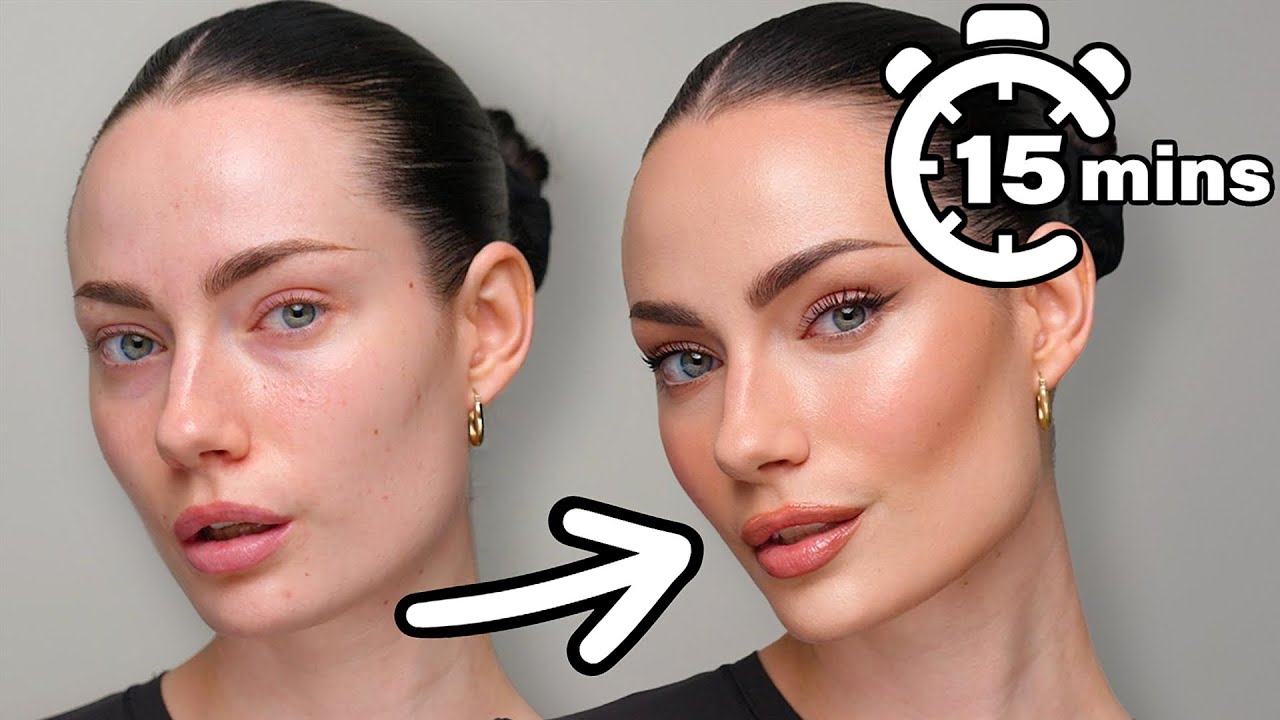
For truly low-maintenance beauty, focus on five-minute neutral face techniques that enhance key features quickly. Sometimes the most effective makeup application is the simplest.

Inclusive Neutrals

Brand recommendations for diverse skin tones:

  • Fenty Beauty (40+ foundation shades)
  • NARS (extensive undertone options)
  • MAC (proven track record for inclusivity)
  • Juvia’s Place (formulated for deeper skin)
  • Makeup Forever (wide shade range)

Understanding how “neutral” varies across skin depths:

  • Fair skin: Beige often reads orange
  • Medium skin: Taupe can appear ashy
  • Deep skin: “Universal” nudes frequently appear chalky

Avoiding ashy or unflattering neutral shades requires understanding your undertone:

  • Cool undertones: Avoid orangey browns
  • Warm undertones: Skip grayish taupes
  • Olive undertones: Be cautious with mauve shades

The most sophisticated makeup styles acknowledge that “neutral” isn’t universal—it’s deeply personal. What reads as “natural” varies dramatically across skin depths and undertones.

True mastery of neutral makeup techniques comes from understanding your unique features and adapting generalized advice to suit your specific needs. The best neutral makeup looks aren’t about following trends—they’re about enhancing your individual beauty in a way that feels authentic and effortless.

Beauty brands have increasingly recognized the need for truly inclusive ranges. Look for companies that show their products on diverse models and describe undertones clearly.

FAQ on Natural Makeup Looks On Brown Skin

How do I find my perfect foundation shade?

Test foundation along your jawline in natural light. Consider both depth and undertone—warm (golden/olive), neutral, or cool (red/blue).

Brands like MAC Studio Fix foundation and Estée Lauder Double Wear offer extensive ranges for makeup for deep skin tones. When in doubt, get samples before committing.

What’s the best way to cover hyperpigmentation without looking cakey?

Use color correctors before concealer for stubborn spots. Apply thin layers, building gradually rather than using heavy coverage at once.

NARS Radiant Creamy Concealer works beautifully for spot concealing dark marks without heaviness. Set lightly with translucent powder formulated for rich skin tones.

How can I prevent my makeup from looking ashy?

Ashiness comes from products with white bases. Choose formulations specifically created for dark complexions with warm undertones.

Fenty Beauty inclusive range and Black Opal True Color foundation develop products with deeper skin in mind. For powders, press into skin rather than dusting to maintain your glowing skin makeup.

What blush colors work best on brown skin?

Deep berries, rich corals, warm plums, and terracottas complement brown skin beauty.

Rare Beauty blush and Tower 28 cream blush offer vibrant shades that deliver that fresh-faced beauty look on chocolate skin beauty. Cream formulas create more natural flush on warm skin tone products.

How do I achieve a natural-looking contour?

Choose contour products 1-2 shades deeper than your skin with matching undertones. Placement matters more than product amount.

Danessa Myricks cosmetics offers shades specifically developed for makeup for women of color. Apply with light hand, then blend thoroughly for that subtle makeup application.

What’s the best way to find my perfect “nude” lipstick?

Your perfect nude should match your natural lip color but slightly deeper with the same undertone as your skin.

The Lip Bar lipstick creates nudes specifically for melanin-rich skin. Start with lip liner 1-2 shades deeper than lipstick, as recommended by Jackie Aina makeup artist.

How can I make my makeup last all day without looking heavy?

Start with proper skincare—hydration is key even for oily types. Use primer matched to your skin concerns.

Apply thin layers, setting between steps. Beauty Blender application tool creates airbrushed finish without cakiness. Set strategically, not all over, for skin-like finish products.

What eyeshadow colors complement brown skin best?

Rich earth tones, coppers, bronzes, and plums enhance ebony skin beauty tipsJuvia’s Place eyeshadows deliver exceptional pigmentation on deeper skin.

Warm golds highlight beautifully on mocha complexion enhancement. For everyday makeup for melanin, try bronzer as eyeshadow for cohesive look.

How do I keep my natural makeup from getting oily throughout the day?

Balance hydration with oil control. Use blotting papers before powder touch-ups. Laura Mercier translucent powder in medium-deep works well for toffee skin tone tricks.

Consider mattifying primer only in T-zone while keeping perimeter dewy for radiant complexion tips.

What’s the biggest mistake to avoid when doing natural makeup on brown skin?

Using incorrect undertones is the biggest mistake. Products too cool or ashy instantly look unnatural on cinnamon skin makeup looks.

Another common error is over-powdering, which dulls the natural radiance of brown skin tonesAlissa Ashley tutorials emphasize working with your undertones for truly natural beauty enhancement.

Conclusion

Natural makeup looks on brown skin celebrate authenticity rather than conformity.

The journey to mastering these techniques requires practice, but the results are worth it. Your clean beauty products should enhance, not mask, what makes you unique.

Remember these key principles:

  • Start with thorough skincare as your canvas
  • Match products to your specific undertone
  • Build coverage only where needed
  • Set strategically to maintain that dewy makeup finish

Sheer coverage products let your natural beauty shine through while enhancing brown skin tones in all their glory.

Brands like Black Opal True Color foundation and techniques from Nyma Tang beauty influencer provide the tools needed for your minimalist beauty approach.

The most beautiful makeup isn’t what transforms you but what highlights your features.

Whether you’re creating nude makeup palette looks for work or soft makeup application for special events, your au naturel cosmetics should feel like you—only enhanced. That’s the true art of natural makeup looks on brown skin.

Andreea Sandu
Author

Andreea Sandu is a dedicated makeup artist with over 15 years of experience, specializing in natural, elegant looks that bring out each client’s unique features. Known for her attention to detail and warm approach, Andreea works with clients on everything from weddings to special events, ensuring they feel confident and beautiful. Her passion for makeup artistry and commitment to quality have earned her a loyal client base and a reputation for reliable, personalized service.

Pin It