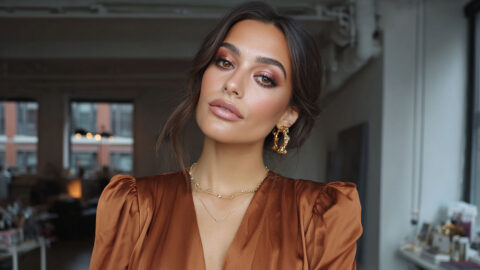
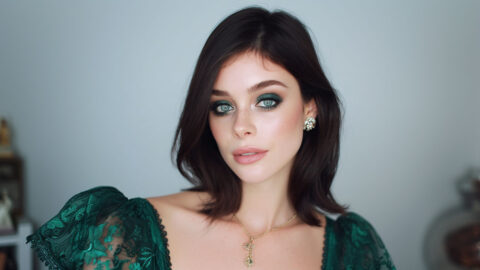
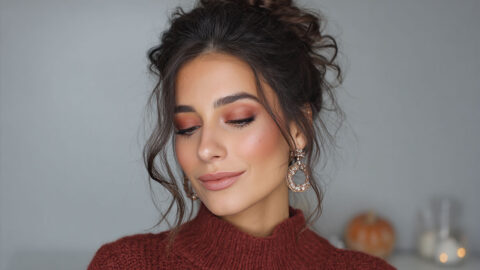
Soft glam makeup looks have become the most requested style in beauty chairs for a reason. The finish is polished but breathable. Your features look defined without a single harsh line anywhere on the face.
This style sits between a bare, simple approach and a full glam finish, using warm neutral tones, diffused blending, and a skin-like base that photographs well in any light.
This guide breaks down everything from core techniques and how to do soft glam correctly, to palette picks, product kits at every budget, and adjustments for different skin tones and ages. Whether you’re prepping for a wedding, a workday, or just want to look put-together without spending an hour on it, you’ll find what you need here.
What Is Soft Glam Makeup?

Soft glam is a makeup style that sits between a natural makeup look and a full glam finish. It uses neutral and warm-toned shades, diffused blending, and a skin-like base to create something polished without looking heavy.
The whole point is to look put-together. Not overdone. Your features are defined, but nothing looks harsh or overly sculpted.
Think satin skin, softly contoured cheekbones, blended eyeshadow with no hard lines, and a lip that complements rather than competes with the rest of the face. That last part trips people up more than you’d expect.
Where Soft Glam Came From
The look gained serious traction in the mid-2010s, largely through the work of Mario Dedivanovic and his collaborations that popularized warm neutrals and diffused contouring. Anastasia Beverly Hills then released the Soft Glam Eyeshadow Palette in 2018, and that basically gave the aesthetic an official name.
The palette still sits among ABH’s best sellers, with over 17,000 reviews on Influenster and a consistent spot on Sephora’s top-rated eyeshadow lists.
Huda Kattan of Huda Beauty has described soft glam as being about looking glamorous without the makeup wearing you. That’s a good way to think about it.
Soft Glam vs. Full Glam vs. Natural Makeup
These three get confused constantly. Here’s how they actually break down:
| Style | Coverage | Eye Intensity | Lip Approach |
|---|---|---|---|
| Natural / No-Makeup | Sheer to light | Mascara only or bare | Tinted balm or clear gloss |
| Soft Glam | Light to medium | Blended neutrals, subtle shimmer | Nude or mauve with liner |
| Full Glam | Full, matte | Cut crease, bold liner, heavy lash | Bold color, precise edges |
Soft glam borrows from both ends. You get more dimension than a no-makeup makeup look, but without the intensity that comes with a dramatic style.
The global color cosmetics market hit USD 86.4 billion in 2024, according to IMARC Group, and the prestige makeup segment grew 5% that same year per Circana data. Soft glam sits right in the sweet spot of that growth, because it appeals to people buying both mid-range and high-end products.
Core Techniques Behind Every Soft Glam Look
Regardless of which version of soft glam you’re going for (everyday, bridal, evening), certain techniques stay the same. Get these right, and the rest is just color selection.
Skin Prep and Base Application

Hydration comes first. Soft glam relies on a satin or dewy finish, and that’s impossible on dehydrated skin. A good moisturizer and a hydrating primer do most of the work before any makeup goes on.
The foundation should be light to medium coverage, sheered out to let skin texture show through. Products like Giorgio Armani Luminous Silk, ILIA Super Serum Skin Tint, or MAC Face and Body are go-to picks for this. Your mileage may vary depending on skin type, but the goal is always the same: apply your foundation so it looks like better skin, not a mask.
Circana reports that in 2024, lip was the top-performing prestige makeup segment at 19% growth, but face products held the largest overall share. That tracks. The base is where soft glam either works or falls apart.
Cream vs. Powder Products for Soft Glam
This is where the “soft” actually happens.
Cream products (blush, contour, highlight) blend into the skin and create that lit-from-within quality. They sit on the skin differently than powders. Charlotte Tilbury, Rare Beauty, and Westman Atelier have all built massive followings around cream formulas specifically because the finish looks like skin.
Powder products add longevity and help set everything. Most soft glam looks use both, layering cream underneath and dusting a light powder on top.
The face blush market was valued at USD 4.17 billion in 2024 according to 360iResearch, growing at 7.46% annually. Liquid and cream formulas are driving most of that growth, with liquid blush alone capturing 47% market share per Alibaba’s 2025 market analysis.
How to Diffuse Harsh Lines
A fluffy blending brush is not optional here. It’s the entire technique.
Every application of color (contour, eyeshadow, blush) gets blended until edges disappear. That’s what separates soft glam from standard glam. No sharp cutlines on the crease. No visible contour stripe. If you can see where color starts and stops, you’ve gone too far.
Applying cream blush with your fingertips or a damp sponge is one of the easiest ways to get that diffused look on cheeks. For eyeshadow, a windshield-wiper motion with a clean blending brush does the heavy lifting.
Soft Glam for Everyday Wear

This is the version most people actually want. Not a 45-minute production. Something that looks polished for work, errands, or a casual lunch without feeling like “too much.”
Keep the Product Count Low
You can pull off a solid everyday soft glam with under 10 products. That’s including skincare prep.
- Skin tint or lightweight foundation
- Concealer for under-eyes and any spots
- Cream blush (doubles as lip color in a pinch)
- One neutral eyeshadow palette with both matte and shimmer options
- Mascara, and that’s it for the eyes
- A nude lip color or tinted balm
Skip false lashes for daily wear. A good mascara like Essence Lash Princess or Maybelline Lash Sensational does the job without the extra step.
Everyday Eye and Lip Combinations
Eyes: One matte shade in the crease, a soft shimmer on the lid, and mascara. That’s it. You don’t need five eyeshadow shades for a Tuesday. A warm neutral palette gives you enough range to keep things interesting without overthinking it.
Lips: A lip liner one shade deeper than your natural lip tone, paired with a lip gloss or tinted lip balm. The liner gives definition. The gloss keeps it easy. If you prefer more structure, a satin lipstick in a nude or mauve shade works well.
The best everyday looks lean on this kind of balance: enough definition to read as intentional, but nothing that demands touch-ups every two hours.
Soft Glam Bridal and Wedding Looks
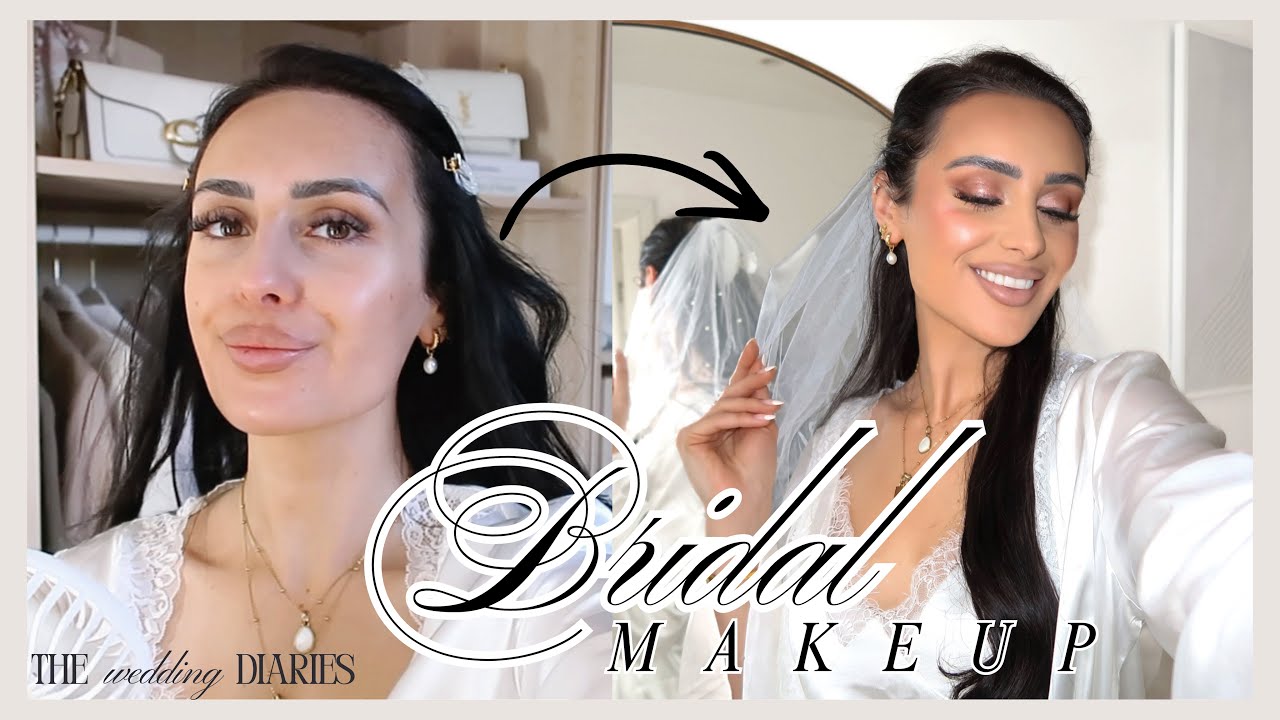
Soft glam has become the most-requested bridal makeup style, and for good reason. It photographs well across different lighting conditions, holds up during long ceremonies, and looks like the person wearing it (not a different human entirely).
Why Brides Choose Soft Glam
Throughout 2025, celebrity makeup artists noted a clear shift toward softer, more natural-looking complexions in bridal work, according to Vogue Scandinavia. The ultra-dewy glass skin trend has given way to something more blurred and approachable.
Soft glam translates beautifully to photography because it uses diffused contour and muted shimmer instead of heavy matte coverage that can read flat on camera. It works in natural light, flash photography, and golden hour equally well.
Wedding makeup is one area where longevity matters as much as the look itself. A bridal soft glam finish typically lasts 10+ hours when set correctly.
Products That Hold Up All Day
Primer: Using a solid primer is non-negotiable. Something silicone-based for oily skin, or hydrating for dry skin. This alone adds hours of wear.
Foundation: Avoid anything with SPF if flash photography is involved. The flashback (that chalky white cast) ruins photos. Armani Luminous Silk and Charlotte Tilbury Flawless Filter are popular picks among bridesmaid and bridal artists for exactly this reason.
Setting: A light dusting of translucent powder on the T-zone, followed by a setting spray. The global setting spray market reached USD 1.02 billion in 2024, per GM Insights, growing at 6.7% annually. Sales of setting sprays and powders jumped 63% across Europe in the first half of 2024, according to Circana data reported by Cosmetics Business.
Soft Glam Bridal Looks for Different Skin Tones
Fair skin: Stick with soft rose and peach tones for blush and lips. Heavy contour on pale skin reads muddy fast. Charlotte Tilbury’s Pillow Talk collection was practically designed for this. Choosing the right lipstick shade for fair skin makes a huge difference in how cohesive the look feels.
Medium and olive tones: Warm bronzers and terracotta blush shades add dimension without looking forced. A warm-toned lip color ties everything together. Explore shades that work specifically for olive undertones to avoid anything that washes you out.
Deep skin: Berry and plum blush tones show up beautifully. For lips, rich nudes and matte brown shades read elegant without overpowering. Pat McGrath Labs, Danessa Myricks, and Fenty Beauty have some of the strongest deep-shade ranges for bridal work. Finding the right lipstick colors for darker complexions is half the battle.
Soft Glam Eye Makeup Combinations

The eyes are where soft glam gets interesting. You’re not going bare-lid, but you’re also not building a five-shade cut crease. The goal is warmth, dimension, and a little bit of light. Soft glam eye makeup pulls from a pretty narrow range of techniques, but the results vary a lot depending on palette choice and skin tone.
Palettes That Define the Look
The Anastasia Beverly Hills Soft Glam palette basically set the standard. Fourteen shades of warm neutrals, duo chromes, and metallic finishes, all in that buttery ABH formula. It’s been a consistent best-seller since 2018 and still ranks as a Sephora Community Favorite.
Other palettes that deliver the same effect:
- Charlotte Tilbury Pillow Talk quad and larger palettes, leaning rosy and soft
- Patrick Ta Major Dimensions palette for deeper warmth and dimension
- Too Faced Born This Way Natural Nudes for a more affordable alternative
Cool-toned soft glam is absolutely possible, too. Taupe, mauve, and soft grey shadows work well on fair and deep skin tones alike. NARS and Bobbi Brown both carry eyeshadow options that skew cooler without losing that softness.
Monochromatic Eye Looks
One color family across the entire lid. That’s it.
Pick a warm brown or soft pink, use the matte version in the crease and the shimmer version on the lid center. Blend outward. Done. Monochromatic soft glam is the fastest version of this look, and honestly, it’s the one that gets the most compliments because it looks effortless.
Rare Beauty and Merit have built entire product lines around this idea. One shade, multiple placements, minimal fuss.
Smoky Soft Glam Eyes
This sounds contradictory, but it works. The trick is to use warm browns and bronzes instead of black. Building a smoky eye with softer shades creates depth without the drama of a traditional black smoky look.
Start dark at the lash line and blend upward, letting the color fade naturally into the crease. Add a shimmer shade on the inner third of the lid. A small inner corner highlight opens the eye and keeps things lifted.
For lashes, wispy and natural-length styles work best. Think individual clusters or half-lashes rather than full dramatic strips. If you’re applying false lashes for soft glam, cat-eye shaped clusters on the outer corners add just enough length without looking costume-y.
Eyeliner Approaches

Lots of soft glam looks skip liner entirely. A tightlined upper waterline adds definition without any visible line. If you want more, a smudged brown pencil along the upper lash line keeps things in soft glam territory.
Hard black wings? That’s a different look. Save those for winged eyeliner looks or cat eye styles where precision is the point.
Soft Glam Looks for Dark Skin Tones
Soft glam on dark skin is stunning when the product choices account for undertone depth and pigmentation. But a lot of “universal” soft glam tutorials just don’t translate well to deeper complexions. Colors that look muted on lighter skin can disappear entirely, and products that work for medium tones can turn ashy.
Getting Contour Right
The biggest mistake is reaching for a grey-toned contour shade. On dark skin, that creates an ashy, flat effect that’s the opposite of what soft glam should look like.
Choose contour shades with warm, chocolate undertones. Danessa Myricks, Fenty Beauty, and Pat McGrath Labs all carry contour products specifically formulated for deeper complexions. When working with cream contour, warm-based shades blend more naturally into dark skin and create believable shadow rather than a stripe.
Blush and Highlight That Actually Show Up
Blush: Deep berry, burnt orange, rich plum, and wine tones all register beautifully on dark skin without looking muddy. Fenty Beauty’s Cheeks Out cream blush in deep shades and Pat McGrath’s Skin Fetishist blush are both strong picks.
Highlight: Gold, copper, and bronze-based highlighters complement dark skin without that white or silver cast that cheaper highlights tend to leave. When applying highlighter, focus on the cheekbone tops and cupid’s bow for soft glam. Skip the nose tip if you want to keep things subtle.
The global face blush market is expected to reach USD 6.43 billion by 2030, according to 360iResearch. Nearly 60% of blush products launched in 2024 included added skincare benefits, per Market Reports World data. That crossover between skincare and color is especially useful for deeper skin tones, where hydrating formulas prevent the chalkiness that powder-only applications can cause.
Eyeshadow and Lip Choices
Lid prep matters more on dark skin. Lighter shimmer shades need an eyeshadow primer or a concealer base to show their true color on deeper lids. Without it, that champagne shimmer you picked looks like nothing.
For a soft glam eye, warm bronzes, coppers, and burgundy shades deliver the most impact. Pat McGrath’s Mothership palettes and Danessa Myricks Lightwork palettes are favorites among Black makeup enthusiasts because the pigmentation actually performs on dark skin.
For lips, the range is wide. Rich nudes, warm brown lip shades, and matte options made for dark skin all work within soft glam. Lining the lips with a shade slightly deeper than your lipstick creates that polished, filled-in look without going full ombre.
Circana’s 2024 data showed the prestige lip segment grew 19% year over year, with liners and hybrid lip products driving much of that. For dark skin tones, a quality liner in a deep nude or chocolate shade is probably the single most versatile product in the whole kit. If you want it to last, invest in a long-wearing formula and learn how to get the most wear out of it.
Soft Glam Looks for Fair Skin Tones

Fair skin and soft glam can be a tricky combination. The margin between “polished” and “overdone” is narrower on lighter complexions because warm-toned products show up faster and contour can go muddy in seconds.
Getting it right comes down to shade restraint and blush placement.
Contour Without the Mud
Use a cool-toned or neutral contour shade, not warm brown. Warm contour on fair skin reads orange. Cool taupe reads like a natural shadow, which is the whole point.
Charlotte Tilbury’s Hollywood Contour Wand and Fenty Beauty’s Match Stix in lighter shades are both solid choices. Apply sparingly under the cheekbones and along the jawline, then blend until the edges fully disappear.
If you’re prone to overdoing it, try applying bronzer in a diffused “3” shape along the temples and cheeks instead. It gives warmth without the structured look of traditional contouring.
Blush as the Focal Point
On fair skin, blush does the heavy lifting in soft glam. It’s what makes the whole look come together.
| Blush Tone | Best Undertone | Finish |
|---|---|---|
| Soft pink | Cool or neutral | Satin or dewy |
| Peach | Warm | Cream or liquid |
| Light mauve | Cool | Matte or satin |
| Dusty rose | Neutral | Any |
Rare Beauty’s Soft Pinch liquid blush in the lighter shades is almost custom-made for fair skin soft glam. A tiny dot blends into a believable flush.
Lip and Eye Balance
Keep eye and lip intensity on the same level. That’s the biggest fair-skin soft glam rule. A warm eyeshadow with a bold lip throws the balance off immediately on pale complexions.
Rose, nude pink, and warm nude lip colors for cool undertones stay cohesive without pulling attention away from the eyes. If you run warmer, explore shades that complement warm undertones instead.
Selecting the right shade can feel overwhelming. Picking a lipstick color that actually works with your skin tone is half the battle with fair skin, because the wrong nude can wash you out completely.
Soft Glam for Mature Skin

Soft glam is one of the most flattering approaches for mature skin because it avoids heavy matte coverage that settles into fine lines. Cream-based textures and light-reflecting finishes actually work with aging skin rather than against it.
The anti-aging cosmetics market was valued at USD 56.71 billion in 2024, per Precedence Research. Women represent 68.9% of anti-aging product consumers globally, according to Market.us data. That buying power is pushing brands to develop makeup that performs like skincare, which is exactly what mature skin needs.
Cream Over Powder, Almost Always
Powder settles into lines. Cream and liquid formulas sit on top of the skin and move with it. That one swap changes everything for anyone dealing with fine lines or loss of elasticity.
Westman Atelier, Laura Mercier, and Bobbi Brown all built reputations on cream formulas that perform well on mature skin. Their blushes, highlighters, and contour products blend smoothly without clinging to texture.
If you do need powder for oil control, keep it to the T-zone only. A light dusting across the forehead and nose, nothing more. Applying setting powder with a damp sponge instead of a brush presses it into the skin rather than sitting on top, which minimizes that dry, cakey look.
Eye Makeup Adjustments
Primer is non-negotiable on hooded or crepey lids. Without it, eyeshadow creases within an hour. Urban Decay Eyeshadow Primer Potion and MAC Paint Pot in Painterly are both trusted picks among artists working with mature clients.
Stick to matte shadows in the crease and a subtle shimmer on the lid center. Avoid chunky glitter, which highlights texture. A satin finish reads as “glow” without drawing attention to fine lines.
For mascara, one to two coats max. Heavy mascara weighs down lashes that are already thinning. If you want volume, a half-lash strip on the outer corner lifts the eye without the full strip weight.
Lip Prep and Color Selection
Mintel’s 2023 Mature Beauty report found that 40% of mature beauty consumers describe their makeup skills as “basic.” The lip area is usually where frustration hits, because lipstick feathers into fine lines around the mouth faster on aging skin.
- Exfoliate lips gently before applying any color
- Use a well-matched lip liner to create a barrier against bleeding
- Cream lipstick formulas offer moisture and coverage without drying out
- Preventing feathering starts with liner and ends with a light powder set
Mauve, dusty rose, and berry tones are universally flattering on mature skin. Applying makeup with age-appropriate technique is really about product choice and placement, not about using less makeup.
Soft Glam Product Kits at Every Budget

You don’t need a $500 kit to pull off soft glam. The technique matters more than the price tag. But product quality does affect how smoothly things blend and how long the look holds up.
U.S. prestige beauty sales reached $33.9 billion in 2024, a 7% increase year over year, according to Circana. Mass beauty sales also grew, up 3% in the same period. The gap between drugstore and high-end performance has narrowed a lot in recent years, especially for base products and blush.
Drugstore Soft Glam Kit
Total cost: under $75
- Base: Maybelline Fit Me Dewy + Smooth foundation, NYX Born to Glow concealer
- Cheeks: Essence Satin Touch blush, NYX Wonder Stick for contour
- Eyes: L’Oreal Infallible eyeshadow quads, Essence Lash Princess mascara
- Lips: NYX Butter Gloss or Maybelline Lifter Gloss paired with a liner that matches your shade
- Tools: Real Techniques sponge and eye brush set
NYX and Essence punch well above their price point. Took me years to admit that some of those $5 products outperform things at three times the cost.
Mid-Range Soft Glam Kit
This is where most people land, and for good reason. The formula refinement between $15 and $40 products is significant.
Charlotte Tilbury built an empire on soft glam. The Pillow Talk line (lipstick, liner, blush, eyeshadow) is a complete soft glam kit in one collection. Charlotte Tilbury’s Flawless Filter alone has become a soft glam staple for that lit-from-within base.
Rare Beauty by Selena Gomez hits a similar price range with liquid blush, concealer, and lip products that are all designed for a natural, blended finish.
Patrick Ta and Merit Beauty round out this tier with cream-forward products that basically apply themselves.
High-End Soft Glam Kit
Luxury products are a treat, not a requirement. But the textures at this level are noticeably different.
| Product | Brand | Why It Works |
|---|---|---|
| Foundation | Giorgio Armani Luminous Silk | Satin finish, buildable, photographs beautifully |
| Eyeshadow | Pat McGrath Mothership | Unmatched pigment and shimmer quality |
| Blush | Tom Ford Cheek Color | Silky formula, natural color payoff |
| Lip | Westman Atelier Lip Suede | Cream-to-matte finish without dryness |
Hourglass Cosmetics also belongs in this category. Their Ambient Lighting powders add a soft-focus effect that’s basically a real-life filter.
Best Soft Glam Palettes
The Anastasia Beverly Hills Soft Glam palette remains the benchmark. Fourteen shades of warm neutrals and metallics in a buttery formula that blends easily.
For something smaller, the Charlotte Tilbury Pillow Talk quad travels well and covers everyday soft glam with four shades. Patrick Ta’s Major Dimensions palette skews warmer and deeper, which gives more range for fall looks or date nights.
Where to Save vs. Where to Spend
Save on: mascara, setting spray, translucent powder, basic brushes. Drugstore options perform nearly identically to prestige versions in these categories.
Spend on: foundation (fit and finish matter), eyeshadow palettes (pigment quality varies dramatically), and cream blush (cheap creams can pill or fade fast).
For tools, Sigma and Real Techniques cover most needs at the mid-range level. Sonia G brushes are an investment, but the softness on mature or sensitive skin is hard to match.
Common Soft Glam Mistakes and How to Fix Them

Soft glam looks simple, but the execution has a few tricky spots. These are the mistakes that come up most often, whether you’re just starting out or you’ve been doing this for years.
Over-Contouring
This is the number one way people turn soft glam into regular glam by accident. A heavy contour stripe under the cheekbone kills the “soft” immediately.
The fix: Use one shade lighter than you think you need. Blend until you genuinely cannot see where the product starts. If someone can spot your contour line in natural light, it’s too much. Adjusting placement for your face shape helps, too.
Too Much Setting Powder
Circana data shows setting spray and powder sales jumped 63% across Europe in early 2024. People love their setting products. But in soft glam, too much powder strips away the skin-like finish that makes the look work.
The fix: Dust powder only where you actually get oily (T-zone, typically). Leave cheekbones, the area around your eyes, and your chin bare. Those areas need to keep that subtle glow.
Eyeshadow That’s Too Dark or Too Pigmented
Soft glam eyeshadow should be buildable, not one-swipe intense. If the first pass of color already looks like a smokey eye, the shade is too deep for this particular style.
Start with transition shades in the crease. Build depth gradually. The shimmer on the lid should complement, not overpower. Good eyeshadow application for soft glam is about layering, not loading up.
Mismatched Lip and Eye Intensity
A bold lip with a heavy eye isn’t soft glam. Pick one feature to lead.
The classic soft glam approach is a more defined eye with a nude or muted lip. If you want a stronger lip color, pull the eye back to just mascara and a wash of shimmer. Knowing how to apply your lipstick cleanly with lined edges helps it look polished rather than heavy, even in a deeper shade.
When the lip and eye compete, neither looks intentional. That “undone on purpose” quality is what makes soft glam work, and it disappears when both features are fighting for attention.
Skipping Blush
This one surprises people. Blush is actually the glue that holds the whole soft glam look together. Without it, you get contoured skin, defined eyes, a finished lip, and then… nothing connecting them on the cheeks.
The global blush market reached USD 1.21 billion in 2025, according to Business Research Insights, growing at 5.42% annually. That growth reflects a real shift in how people think about cheek color, from optional to non-negotiable.
Warm peach, soft pink, or dusty rose (depending on skin tone) placed on the apples and blended upward toward the temples ties the face together. It takes about 30 seconds. Skip it, and the look reads unfinished.
A cream formula works best for soft glam because it blends into the base seamlessly. Layering a cream highlighter just above the blush adds dimension without looking glittery or overdone. The whole point is cohesion, and blush is what delivers it.
FAQ on Soft Glam Makeup Looks
What is soft glam makeup?
Soft glam is a makeup style that uses neutral tones, diffused blending, and a satin skin finish. It sits between natural glam and full coverage glam, giving you polished definition without heavy or harsh lines anywhere on the face.
What products do I need for soft glam?
A lightweight foundation or skin tint, cream blush, a warm neutral eyeshadow palette, mascara, lip liner, and a nude or mauve lip color. Setting spray helps everything last. You can build from there, but those basics cover it.
Is soft glam good for beginners?
Yes. The blended, forgiving nature of this look makes it one of the easiest styles to learn. Mistakes blend out quickly with warm neutrals. Check out these beginner-friendly looks if you’re just getting started.
What is the best eyeshadow palette for soft glam?
The Anastasia Beverly Hills Soft Glam palette remains the standard. Charlotte Tilbury Pillow Talk and Patrick Ta Major Dimensions are strong alternatives. All three offer the warm matte and shimmer shades that define this style.
Can I do soft glam with drugstore products?
Absolutely. Maybelline, NYX Professional Makeup, L’Oreal, and Essence all carry products that work for soft glam. The technique matters more than the price. A $7 cream blush blended well beats a $40 one applied poorly.
How is soft glam different from full glam?
Full glam uses heavier coverage, sharp contour lines, bold lip colors, and dramatic lashes. Soft glam keeps everything diffused and skin-like. No cut creases, no harsh edges. Think blended warmth versus sculpted drama.
Does soft glam work for weddings?
It’s the most popular wedding guest look and bridal style right now. Soft glam photographs beautifully across lighting conditions, holds up for long events, and still looks like you in the photos years later.
What lip color works best for soft glam?
Nude, mauve, dusty rose, and soft pink shades are the go-to options. The lip should complement the eye, not compete with it. A sheer lipstick or gloss keeps things balanced and easy to reapply.
Can soft glam work on darker skin tones?
Yes, and it looks incredible. The key is choosing products with warm undertones for contour and rich berry or plum shades for blush. Pat McGrath Labs, Fenty Beauty, and Danessa Myricks all carry excellent deep-shade ranges.
How do I make soft glam last all day?
Start with primer. Use a setting spray after your final step. Keep powder minimal, only on oily zones. A good routine for long-lasting wear focuses on layering cream and powder products together.
Conclusion
Soft glam makeup looks work because they prioritize balance. Every element, from the diffused contour to the blended eyeshadow to the understated lip, serves the same goal: looking polished without looking overdone.
The techniques stay consistent whether you’re using Pat McGrath or Maybelline. Cream blush, warm neutral palettes, and a skin-like base carry the look at any price point.
What changes is how you adjust for your specific situation. Fair skin needs lighter contour shades. Mature skin benefits from cream formulas over powder. Deeper complexions require products with real pigment depth from brands like Fenty Beauty and Danessa Myricks.
Start with the basics. A good foundation match, one versatile palette, and a solid lip care routine will get you further than a full counter of products ever could.
Get the blending right, keep the intensity in check, and the rest falls into place.

She started writing on the site after fielding the same questions from clients and friends often enough to just write the answers down: which red won't turn orange on a warm undertone, how to keep lipstick from feathering into fine lines, why a "12-hour" formula rarely survives dinner.
Every review on the site follows the same rule she uses with paying clients: wear it first, then decide if it's worth recommending.
- How to Make Eyeliner Last Longer Without Smudging - August 31, 2026
- How to Make Eyeshadow Last Longer All Day - August 29, 2026
- How to Find Your Undertone in 5 Easy Steps - August 27, 2026