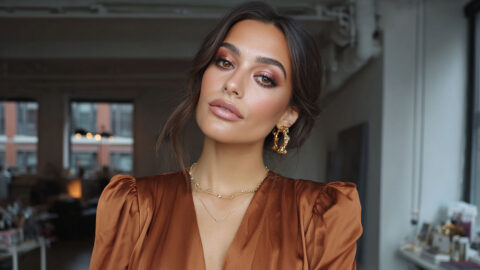
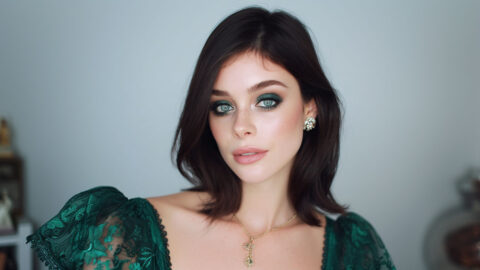
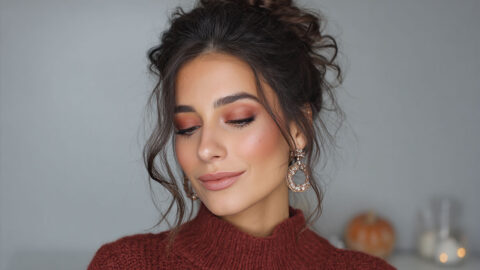
The best natural makeup looks take more effort than most people think. Looking like you’re barely wearing anything requires better products, sharper technique, and a real understanding of your skin.
This guide breaks down everything from everyday no-makeup makeup routines to bridal looks that last eight-plus hours. You’ll find specific product picks from brands like Glossier, Rare Beauty, NARS, and Maybelline, along with application tips for every skin type and tone.
Whether you’re building a fresh faced beauty routine for work, choosing the right tinted moisturizer for your complexion, or figuring out how to take a daytime look into the evening, each section gives you something you can actually use.
What Is a Natural Makeup Look?

A natural makeup look is makeup applied to make skin appear even, fresh, and barely touched while still using product. The goal is skin that looks like your skin, just slightly better.
This is not the same as wearing no makeup at all. The “no-makeup makeup” approach actually requires careful product selection, precise shade matching, and a lighter hand during application. You’re building something invisible on purpose.
The global cosmetics foundation market is growing at a 5.5% CAGR through 2030, and much of that growth comes from demand for sheer, skin-like finishes (Fortune Business Insights). People want to look polished without looking done.
Here’s the part that trips people up. Natural doesn’t mean fewer products. It means more invisible application. You might use a tinted moisturizer, concealer, cream blush, brow gel, mascara, and lip balm. That’s six products. But when they’re blended right, it all disappears into your skin.
Shade matching matters more here than in any other makeup style. A bold smokey eye can distract from a slightly off foundation match. A natural look can’t. If your base is even half a shade too light or too warm, the whole thing falls apart.
The clean girl aesthetic popularized on TikTok and Instagram has pushed this category forward. But the technique itself has been around for decades. Bobbi Brown built an entire brand on it in the 1990s. Lisa Eldridge has been teaching it on YouTube for over a decade. The products have gotten better. The idea hasn’t changed.
How to Choose a Natural Makeup Look for Your Skin Type

Your skin type determines which products will actually look natural on you and which ones will slide off, cling to dry patches, or turn shiny by noon. Picking the wrong formula is the fastest way to make a “natural” look appear unnatural.
Oily Skin
Matte-finish products work best. Skip heavy moisturizer underneath your base, or use an oil-free one and wait for it to absorb completely before applying foundation.
Powder-based formulas like the Maybelline Fit Me Matte + Poreless hold up well without looking cakey. A light dusting of translucent powder on the T-zone keeps things in check.
Blotting papers are your best friend for midday touch-ups. They remove oil without disturbing your makeup underneath.
Dry Skin
Cream and liquid products are the move. Anything powder-based will cling to flaky patches and make texture more visible, which is the opposite of what you want.
Dewy-finish foundations and skin tints work well here. Glossier’s Perfecting Skin Tint or the NARS Tinted Moisturizer give that hydrated, lit-from-within look without settling into dry spots. Layer a hydrating primer underneath, and you’ll get buildable coverage that moves with your skin.
If you’re dealing with very dry, rough patches, applying makeup on dry skin requires extra prep. Exfoliate the night before, not the morning of.
Combination Skin
Zone-based application is the answer. Use different products on different areas of your face.
A common setup looks like this: makeup primer with a mattifying formula on the nose and forehead, a hydrating one on the cheeks. Set the oily zones with powder. Leave the rest alone. It’s more work, but the result looks balanced and natural across your entire face.
Skin Undertone and Foundation Matching
Getting the undertone wrong ruins everything. A warm-toned person in cool-toned foundation looks ashy. A cool-toned person in warm foundation looks orange. Neither reads as “natural.”
The three categories are warm, cool, and neutral. Test foundation on the jawline, not the back of your hand. Your hand is often a completely different shade from your face.
| Undertone | Vein Color (Wrist) | Best Foundation Match |
|---|---|---|
| Warm | Green or olive | Yellow, golden, or peach bases |
| Cool | Blue or purple | Pink or red bases |
| Neutral | Mix of both | Balanced beige, no strong lean |
Brands with genuinely wide shade ranges include Fenty Beauty (50+ shades), MAC (60+ shades), NARS, and Maybelline Fit Me. These aren’t just marketing claims. They actually cover the full spectrum of light to deep with proper undertone variety. Matching makeup to your skin tone is the single most important step in any natural look.
The Everyday No-Makeup Makeup Look
This is the most searched and most recreated natural makeup look. It’s what people mean when they say they want to look “fresh” and “put together” without looking like they’re wearing makeup.
The tinted moisturizer market was valued at $2.01 billion in 2024 and is growing at a 7.5% CAGR (GM Insights). That growth is driven almost entirely by people chasing this specific look.
The product lineup:

- Tinted moisturizer or skin tint instead of full-coverage foundation (Ilia Super Serum Skin Tint, Laura Mercier Tinted Moisturizer)
- Cream blush on the apples of the cheeks (Rare Beauty Soft Pinch, Glossier Cloud Paint)
- Brow gel to shape without drawing harsh lines (Anastasia Beverly Hills Clear Brow Gel, Boy Brow by Glossier)
- Clear or tinted lip balm for a hint of color
- One coat of brown mascara instead of black for a softer effect
Brown mascara is an underrated trick. Black mascara on bare skin with no eyeshadow or liner can look a bit harsh and disconnected. Brown softens the whole thing and blends into your lash line more naturally. Took me a while to figure that one out.
Product Layering Order for This Look
Skincare first. Always. Moisturizer, then SPF (separate from your base, especially if you’ll be photographed). Wait two minutes for everything to absorb before touching makeup.
Then layer in this order:
- Prep skin with primer only where needed (T-zone if oily, nowhere if skin is balanced)
- Tinted moisturizer or skin tint, applied with fingers or a damp sponge
- Concealer only on targeted spots (under-eye, redness around the nose, any blemishes)
- Cream blush
- Brow gel
- One coat of mascara
- Lip balm
Set with a light dusting of setting powder only on the T-zone if you’re oily. Skip powder entirely if you want that dewy finish. A quick hit of setting spray locks everything in place without adding a powdery layer.
Natural Makeup Looks for Work and Professional Settings
Work makeup is a slightly more polished version of the everyday natural look. The difference? More defined features, but still nothing that screams “I spent 45 minutes on this.”
According to Attest research, over 52% of Gen Z consumers actively look for “natural” claims on beauty product labels. That demand is reshaping what “professional” makeup looks like across the board.
Building the Base

Concealer does the heavy lifting here, not foundation. Apply it on targeted areas only. Under-eye circles, redness around the nose, any active breakouts. Leave the rest of your skin showing through a sheer tint or just moisturizer with SPF.
NARS Radiant Creamy Concealer is the industry standard for a reason. It covers without looking thick. Maybelline Instant Age Rewind is the drugstore version that performs almost as well.
Eyes and Brows

Neutral eyeshadow in one or two matte shades is all you need. Taupe, soft brown, or warm beige swept across the lid and blended into the crease. No shimmer, no glitter, nothing that catches light when you’re sitting across from someone in a meeting.
Defined but not dramatic brows. Fill in sparse areas with light, hair-like strokes using a pencil, not a pomade. A tinted brow gel keeps everything in place without adding bulk.
Here’s a trick that makes a big difference: tightlining the upper waterline with a dark brown pencil. It makes your lashes look fuller without any visible liner. Nobody will know you did it. But your eyes will look more awake and defined.
The MLBB Lip
MLBB stands for “My Lips But Better.” It’s a lip color that matches your natural lip shade but with slightly more depth and saturation.
The right MLBB shade depends on your skin tone. Fair skin tends to lean toward soft rose or mauve. Medium skin works with dusty pink or warm nude. Deep skin looks great in berry-toned nudes or rich brown-pinks.
Look, the lip is what ties the whole look together. You can skip eyeshadow entirely for work and still look polished if your brows are groomed and your lips have a little color. A satin lipstick or a sheer lipstick in a nude shade gives that “I woke up like this” finish. If you want something that stays put through coffee and lunch, a lip stain is a better choice.
Natural Bridal and Event Makeup Looks

Natural wedding makeup was the biggest bridal trend in 2024-2025. Brides are moving away from the full-glam, heavy-contour approach and toward something that actually looks like them in photos.
The challenge? Natural event makeup needs to last eight-plus hours, photograph well under multiple lighting conditions, and still look like skin.
Choosing the Right Base Products
Long-wear formulas that still look like skin do exist. They’re just harder to find.
Top picks for bridal natural looks:
- Giorgio Armani Luminous Silk Foundation (the industry gold standard for photography)
- Charlotte Tilbury Flawless Filter (works as a base or mixed with foundation for a lit-from-within glow)
- Kosas Revealer Skin-Improving Foundation (skincare-infused, lightweight coverage)
The face blush market hit $4.17 billion in 2024, growing at 7.46% CAGR (360iResearch). Cream and liquid blushes in particular are driving that growth. Soft shimmer on the inner corners and cheekbones adds dimension without glitter. Keep it subtle. A pressed highlight like MAC Mineralize Skinfinish in “Lightscapade” gives a soft glow that doesn’t read as sparkle in photos.
The SPF and Flash Photography Problem
This is the one thing that catches a lot of people off guard. SPF in foundation and moisturizer contains ingredients like titanium dioxide and zinc oxide that reflect light. Under camera flash, those ingredients create a white, ghostly cast on your face.
If your event involves flash photography (and most do), skip SPF in your base products entirely. Apply sunscreen underneath, then layer an SPF-free foundation on top. Or better yet, reapply sunscreen as a separate step with a formula you’ve tested against flash beforehand.
Do a flash test before the big day. Apply your full look in a dim room and take a selfie with your phone’s flash on. If your face looks significantly lighter than your neck, something in your routine is causing flashback.
Natural Makeup That Lasts Eight-Plus Hours
The layering technique is what separates makeup that melts off by cocktail hour from makeup that holds until the last dance.
The method: Apply a cream product first (cream blush, cream highlight). Set with a very light dusting of powder. Then apply another thin layer of cream product on top. This sandwich approach locks pigment in place while still looking like skin.
Making makeup last all day also depends on your touch-up kit. Keep blotting papers, your lip product, and a concealer pen in a small bag. That’s it. You don’t need a full makeup bag for touch-ups.
For lashes, false lash alternatives keep things natural. A lash lift and tint done a few days before the event adds curl and definition that lasts weeks. If you want a little extra, individual lash clusters at the outer corners add dimension without looking costume-y. Avoid full strip lashes if the rest of your look is minimal.
Natural Makeup Looks by Skin Tone

“Natural” doesn’t look the same on everyone. The products, shades, and techniques that create an invisible finish on fair skin will look completely different on deep skin. And the “universal nude” shade that brands love to market? It usually only works on one narrow range of skin tones.
Fair Skin
Peach-toned concealers neutralize the blue and purple tones that show under thin, fair skin. A pink undertone concealer will just add more redness.
Soft pink blush works better than warm-toned options here. The goal is a flush that looks like you just came in from a cold walk, not a bronzy glow that sits oddly on pale skin. Light brown brow products keep things soft. Anything too dark creates a harsh frame that overpowers the rest of the face.
For lips, look for lipstick colors suited to fair complexions. Soft rose, light mauve, and pinky nudes tend to disappear into your natural lip color in the best way. You can also explore fair skin makeup looks for more specific shade pairing ideas.
Medium Skin
Warm nude lips and bronze-toned cream blush are the foundation of a natural look on medium skin. This is where tones like dusty rose, peach, and warm brown really come alive.
The biggest mistake at this depth? Concealer that’s too pink or too light. Match the concealer to your exact undertone, not just the depth. A concealer that’s the right depth but the wrong undertone will still look off.
Applying bronzer on medium skin is where you can add subtle warmth. Sweep it lightly on the high points where the sun would naturally hit: forehead, bridge of the nose, tops of cheekbones.
Deep Skin
Rich berry or brown nudes work beautifully for lips on deep skin. A matte lipstick formulated for dark skin in a shade like chocolate, wine, or deep plum reads as effortlessly natural. For more options, check out lipstick colors designed for dark skin tones.
Orange-based color correctors under concealer cancel out dark spots and hyperpigmentation far better than just piling on more concealer. This one step alone makes a visible difference.
Bronzer needs to actually show up. Most drugstore bronzers are formulated for lighter skin and barely register on deeper tones. Fenty Beauty Sun Stalk’r and Black Radiance True Complexion Bronzer are both built for this.
Explore natural makeup looks on brown skin and Black girl natural makeup looks for more specific techniques and product recommendations tailored to deeper complexions.
| Skin Tone | Best Blush Tone | Lip Shade Range | Concealer Tip |
|---|---|---|---|
| Fair | Soft pink, light peach | Rose, mauve, pinky nude | Use peach-toned, not pink |
| Medium | Dusty rose, warm peach | Warm nude, dusty pink | Match undertone, not just depth |
| Deep | Berry, warm plum | Brown nude, berry, wine | Orange corrector underneath |
Tools and Brushes That Make Natural Makeup Look Better

The tool you use changes the finish more than most people realize. The same foundation applied with a brush, sponge, or fingers will give you three different results. For natural looks, the goal is always a sheer, skin-like layer, and that means picking the right applicator for each product.
The global makeup brushes market was valued at $1.6 billion in 2023 and is growing at 5.1% CAGR through 2033 (Allied Market Research). The makeup sponge market hit $1.16 billion in 2024, growing at 5% CAGR (Straits Research). Both categories are expanding because people increasingly care about how they apply, not just what they apply.
Fingers vs. Sponge vs. Brush
Fingers: Best for cream blush, tinted moisturizer, and lip products. The warmth of your hands melts product into skin for the most seamless finish. About 15% of consumers use fingers as their primary application method (Beauty Buddy survey).
Damp sponge: Best for sheer, buildable coverage with liquid products. A damp beauty sponge sheers out even full-coverage formulas into something that looks like skin. The bouncing motion presses product in rather than sitting it on top.
Brush: Best for powder products and precise placement. A fluffy blending brush diffuses eyeshadow so it doesn’t look “done.” A 23% segment of consumers prefer using both tools together for best results (Beauty Buddy).
The Specific Tools That Matter
Real Techniques Miracle Complexion Sponge performs nearly identically to the original Beautyblender at a third of the price. For natural looks, this is where saving money makes total sense.
- ELF Flawless Face Brush for blending powder on the T-zone
- Anastasia Beverly Hills spoolie for brushing through brows and lashes after product application
- A flat concealer brush for precise spot coverage under eyes and on blemishes
Cleaning your brushes regularly matters too. Dirty tools break down product consistency and can cause breakouts, which works against the whole “fresh skin” look you’re going for. And your sponges need cleaning even more often, since they absorb product and moisture.
Common Mistakes That Make Natural Makeup Look Unnatural

Natural makeup is less forgiving than full glam. With a bold smokey eye or full glam look, you can power through small errors. With a natural look, every mistake is visible because there’s nothing else to distract from it.
Too Much Concealer Under the Eyes
This is the single most common mistake. Piling on concealer under the eyes creates a reverse panda effect where the under-eye area is significantly lighter than the rest of your face. It photographs terribly.
Use a thin layer. One small dot on each side, blended outward. If you need more coverage, build in thin layers rather than applying a thick slab. Preventing creasing under the eyes starts with using less product, not more.
Foundation That’s Wrong by Half a Shade
A 2022 Allure consumer study found that participants rated a $9 drugstore foundation higher than a $68 luxury alternative in finish, coverage, and comfort. Price doesn’t fix a bad shade match.
Even half a shade too light or too warm creates a visible mask line at the jawline. Always test in natural light, never under store fluorescents. If your foundation oxidizes and turns darker or more orange after an hour, you’ve got the wrong formula for your skin chemistry.
Over-Powdering and Skipping Blush
Over-powdering kills the skin-like finish instantly. Heavy powder settles into fine lines, clings to dry patches, and turns everything flat and matte. If you’re dealing with patchy makeup, too much powder is usually the cause.
Skipping blush is the other big one. A face with foundation, brows, and mascara but zero blush looks washed out. Even the lightest swipe of liquid blush or cream blush brings life back into the skin.
Using the Wrong Undertone Products
Cool-toned products on warm skin look ashy. Warm-toned products on cool skin look muddy. This applies to everything: foundation, blush, bronzer, lip color.
The fix is simple but takes a minute to figure out. Swatch products on your jawline in daylight and see if they disappear into your skin or sit on top of it. If a product “disappears,” the undertone is correct.
Drugstore vs. High-End Products for Natural Makeup
The price gap between drugstore and prestige makeup has never been wider, but the performance gap has never been narrower. For natural looks specifically, where sheer formulas and skin-matching shades matter most, the differences come down to a few specific categories.
e.l.f. Beauty grew net sales 77% in fiscal 2024, surpassing $1 billion for the first time, while gaining market share for five consecutive years (e.l.f. Investor Relations). That growth came almost entirely from consumers switching from high-end to drugstore without sacrificing quality.
Where Drugstore Wins
Mascara and brow gel are the easiest saves. Maybelline Lash Sensational performs as well as most $25+ mascaras for a natural lash look. NYX Control Freak Brow Gel holds brows in place all day for under $7.
Lip gloss and tinted balms are also safe bets at the drugstore. NYX Butter Gloss gives a glossy, natural lip finish that doesn’t feel sticky. For a nude lipstick, Maybelline and L’Oreal both have solid options in their nude ranges.
Where High-End Justifies the Price
| Product Category | Why High-End Matters Here | Recommended Pick |
|---|---|---|
| Tinted moisturizer | Shade accuracy, skincare ingredients, finish | Laura Mercier, NARS, Ilia |
| Concealer | Blendability, crease resistance, shade range | NARS Radiant Creamy, Kosas Revealer |
| Cream blush | Pigment quality, blend, longevity on skin | Rare Beauty Soft Pinch, Merit Flush Balm |
| Setting product | Micro-fine powder that doesn’t cake or settle | Laura Mercier Translucent, Charlotte Tilbury Setting Spray |
Base products are where formula and shade range truly matter. Charlotte Tilbury Hollywood Flawless Filter, NARS Radiant Creamy Concealer, and Armani Luminous Silk Foundation all cost more, but the finish and wear time justify the spend for a natural look.
The Bottom Line on Budget
Save on mascara, brow gel, and lip gloss. Spend on base products. That’s the formula.
Formula and shade range matter more than brand name for this style of makeup. A $12 Maybelline Fit Me Dewy foundation in your exact shade will look more natural than a $50 foundation that’s half a shade off. L’Oreal True Match has one of the widest shade ranges at the drugstore (40+ shades with proper undertone variety), which makes it a strong option for applying makeup to look natural.
How to Adjust a Natural Makeup Look from Day to Night

You don’t need to start over. The best night out looks built on top of a natural daytime base require adding one or two elements, not rebuilding the entire face.
The One-Element Rule
Pick one thing to change. That’s it.
- A slightly deeper lip color (swap your nude balm for a matte lipstick in a richer nude or berry tone)
- A touch of shimmer on the lids or inner corners (inner corner highlight takes ten seconds and opens up the eyes)
- A more defined lash line using a thin line of brown or black along the upper lashes
The 2025 runway trend of pairing a bold lip with bare eyes confirms this approach. Celebrity makeup artist Ash K Holm noted the “blurred complexion” trend for 2025 is all about minimal base with one strong feature (Vogue Scandinavia).
Quick Shifts in Finish
Cream-to-powder bronzer adds subtle warmth and dimension without the heaviness of a full contour. Sweep it along the cheekbones and temples. It takes 30 seconds and changes the whole mood.
Layering a gloss over a matte lip product shifts your lip finish instantly. It catches light in a way that reads as “evening” without adding more color. For something bolder, try wearing a brown lipstick for a ’90s-inspired take that still feels grounded.
What to Carry for Touch-Ups
| Item | Purpose | When to Use |
|---|---|---|
| Blotting papers | Remove oil without disturbing makeup | Before adding any evening product |
| Lip product | Refresh or swap to deeper shade | After blotting, before heading out |
| Concealer pen | Touch up any faded spots | Under eyes, around nose |
| Mini cream highlighter | Add a subtle glow for evening | Cheekbones and cupid’s bow |
Less is still more at night if the goal is “natural but elevated.” You’re not building a soft glam look from scratch. You’re taking what’s already there and turning it up by about 15%.
If your daytime routine was solid, the transition should take under five minutes. That’s the whole point of starting with a natural base. It gives you somewhere to go without starting over.
FAQ on Natural Makeup Looks
What is a natural makeup look?
A natural makeup look uses lightweight products to even out skin tone while keeping your features visible. Think tinted moisturizer, cream blush, brow gel, and brown mascara. The goal is skin that looks like your skin, just slightly polished.
What products do you need for a no-makeup makeup look?
A basic kit includes a skin tint or tinted moisturizer, concealer for targeted spots, cream blush, clear or tinted brow gel, one coat of mascara, and a nude lip balm. Six products, all blended to disappear.
How do you make foundation look natural?
Use a damp beauty sponge and apply in thin layers. Choose sheer-to-medium coverage formulas like Maybelline Fit Me Dewy or NARS Tinted Moisturizer. Applying with a sponge sheers out coverage and presses product into skin.
What is the best blush for a natural look?
Cream blush gives the most natural finish because it melts into skin rather than sitting on top. Rare Beauty Soft Pinch and Glossier Cloud Paint are both popular picks. Tap onto the apples of your cheeks with your fingertips.
How do you choose the right nude lip color?
Match it to your natural lip shade but slightly deeper. Fair skin suits soft rose or mauve. Medium skin works with dusty pink. Deep skin looks best in berry or brown nudes. A sheer lipstick makes shade matching more forgiving.
Can you wear natural makeup to a wedding?
Yes. Natural bridal makeup is one of the biggest trends right now. The key is using long-wear formulas like Armani Luminous Silk and setting with spray, not heavy powder. Avoid SPF in your base to prevent white cast in flash photos.
What is the difference between drugstore and high-end for natural looks?
Base products (foundation, concealer, tinted moisturizer) tend to justify higher prices due to shade accuracy and finish. Save on mascara, brow gel, and lip gloss where drugstore options from NYX and Maybelline perform equally well.
How do you make natural makeup last all day?
Layer cream products, set lightly with translucent powder on oily areas only, then finish with setting spray. The cream-powder-cream sandwich technique locks pigment in place. Keep blotting papers on hand for midday oil control.
What is the biggest mistake people make with natural makeup?
Too much concealer under the eyes. It creates a reverse panda effect that photographs terribly. Use a thin layer and build up only where needed. Also, never skip blush. A bare face without blush looks flat and washed out.
How do you transition a natural look from day to night?
Add one element. Swap your nude balm for a deeper lip shade, add shimmer to the inner corners, or tightline the upper waterline with brown pencil. Layering a gloss over your lip product shifts the finish instantly.
Conclusion
Getting natural makeup looks right comes down to three things: the right shade match, lightweight formulas, and knowing when to stop adding product. That last one is harder than it sounds.
Your skin type drives every decision. Oily skin needs matte finishes and powder only on the T-zone. Dry skin calls for dewy cream products and minimal powder. Combination skin requires a zone-based approach.
Drugstore products from ELF Cosmetics, Maybelline, and L’Oreal can handle mascara, brow gel, and lip color without any compromise. Save the budget for base products where shade range and formula quality from brands like NARS, Laura Mercier, or Fenty Beauty make a real difference.
Start with clean girl makeup as your foundation technique. Build from there based on the occasion, whether that’s a professional setting, a date night, or a casual weekend. The base stays the same. Only the finishing touches change.

She started writing on the site after fielding the same questions from clients and friends often enough to just write the answers down: which red won't turn orange on a warm undertone, how to keep lipstick from feathering into fine lines, why a "12-hour" formula rarely survives dinner.
Every review on the site follows the same rule she uses with paying clients: wear it first, then decide if it's worth recommending.
- How to Make Eyeliner Last Longer Without Smudging - August 31, 2026
- How to Make Eyeshadow Last Longer All Day - August 29, 2026
- How to Find Your Undertone in 5 Easy Steps - August 27, 2026