

Summarize this article with:
Kate Middleton did her own makeup for a wedding watched by 40 million people. Princess Diana ditched blue eyeliner on the advice of one makeup artist and became a global beauty icon overnight. Royal makeup looks follow rules most of us never think about, from protocol-approved lip shades to foundations that survive three-hour ceremonies without a single touch-up.
This guide breaks down the actual products, techniques, and beauty strategies used by royals from Queen Elizabeth II to Meghan Markle. You’ll find step-by-step recreations, the confirmed brands behind each look, and how European monarchies approach cosmetics differently from the British royal family.
What Is a Royal Makeup Look?

A royal makeup look is a polished, skin-first beauty style built on sheer coverage, soft color palettes, and precision application. It sits somewhere between no-makeup-makeup and elegant makeup, but with stricter rules.
The British monarchy actually has a dress code for cosmetics. Members are expected to keep their palette light and neutral for public appearances. Bold red lips? Not typically encouraged. Heavy contouring? Frowned upon. According to HELLO! magazine, the main rule is simply “no heavy makeup.”
That “effortless” appearance takes real work, though. Think of it as building layers that look like you barely tried. Sheer foundation that still photographs flawlessly. Blush that reads as natural flush. Brows groomed but never obviously drawn on.
The global makeup market hit $43.61 billion in 2024, according to Fortune Business Insights. A good chunk of that growth comes from consumers wanting exactly this kind of refined, understated beauty. Not dramatic. Not boring. Just right.
What separates a royal look from standard formal makeup is the intent behind it. Every product choice serves the camera and the protocol. These women sit through multi-hour engagements under lighting that exposes every flaw. The makeup has to hold up without touch-ups, because royal women are not supposed to reapply in public.
And yet it can’t look like armor. That balance (barely there, but built to last) is what makes this style so tricky to pull off.
Signature Makeup Techniques Used by Royals

Royal beauty isn’t about trends. It’s a set of recurring methods that prioritize longevity, camera performance, and that “my skin but better” quality. Took me years of studying these public appearances to notice the consistent patterns.
Base and Complexion Strategy
Skin prep does most of the heavy lifting here. Every royal makeup look starts with hydration, primer, and a foundation approach that favors sheer buildable coverage over full opacity.
Key technique: Instead of heavy contouring, royal women tend to use liquid illuminator and cream highlighter on cheekbones. According to beauty expert Saffron Hughes, Kate Middleton specifically swaps contour shades for dewy foundation and liquid highlighter that “accentuates cheekbones just as much.”
A budge-proof primer and setting spray are non-negotiable. Royal women cannot fix their faces during engagements. The base has to survive hours of handshakes, outdoor events, and flash photography without sliding.
Eye Makeup Rules Royals Follow
Forget graphic liner or cut creases. The royal eye is soft, diffused, and built around browns and taupes.
Mary Greenwell, Princess Diana’s makeup artist, once explained why she moved Diana away from blue eyeliner: she found colored liners “quite ageing” and “very unnatural” for everyday wear. Browns and taupes create definition without competing with the face.
Mascara is the workhorse product. Greenwell herself called it “a gift of all gifts.” Most royal eye looks rely on well-applied mascara and softly blended shadow rather than liner tricks. Kate Middleton reportedly uses Lancome Hypnose in Noir for her signature lash look.
The global eye makeup market reached $18.2 billion in 2024 according to IMARC Group, with mascaras and neutral shadow palettes leading sales. That tracks perfectly with what you see on royal faces.
Lip Color Selection
Royal lip colors stay within a tight range. Nude-to-rose for daytime. Soft berry tones for evening events. That’s basically the whole playbook.
Mary Greenwell’s advice for recreating Princess Diana’s lip look is simple: “Use a nude or rose color. The formula should be something sheer and satin, nothing too glossy or matte.”
Kate Middleton’s go-to is reportedly Bobbi Brown’s Sandwash Pink (a muted mid-toned pink that sold out immediately after her wedding face chart went viral). She’s also been spotted with Clarins Lip Perfector in Rose Shimmer, which leans more toward a hydrating gloss than a traditional lipstick.
| Royal | Preferred Lip Style | Reported Products |
| Kate Middleton | Nude-pink, semi-matte to glossy | Clarins Lip Perfector (Rose Shimmer), Bobbi Brown (Sandwash Pink) |
| Meghan Markle | Tinted balm, sheer glow | Summer Fridays (Iced Coffee), Laneige (Lip Mask), Dior Lip Glow |
| Princess Diana | Rosy nude, soft satin | By Terry (Baume de Rose), Max Factor (historical), Lisa Eldridge (Kitten Mischief tribute) |
| Queen Elizabeth II | Bright pink or rich red | Elizabeth Arden (Pink Punch), Clarins (Coronation Red) |
The takeaway? Choosing the right lip shade is less about following trends and more about finding a “your lips but polished” tone. And if you struggle with feathering at formal events, a good lip liner underneath keeps everything locked in place.
Kate Middleton’s Makeup Approach
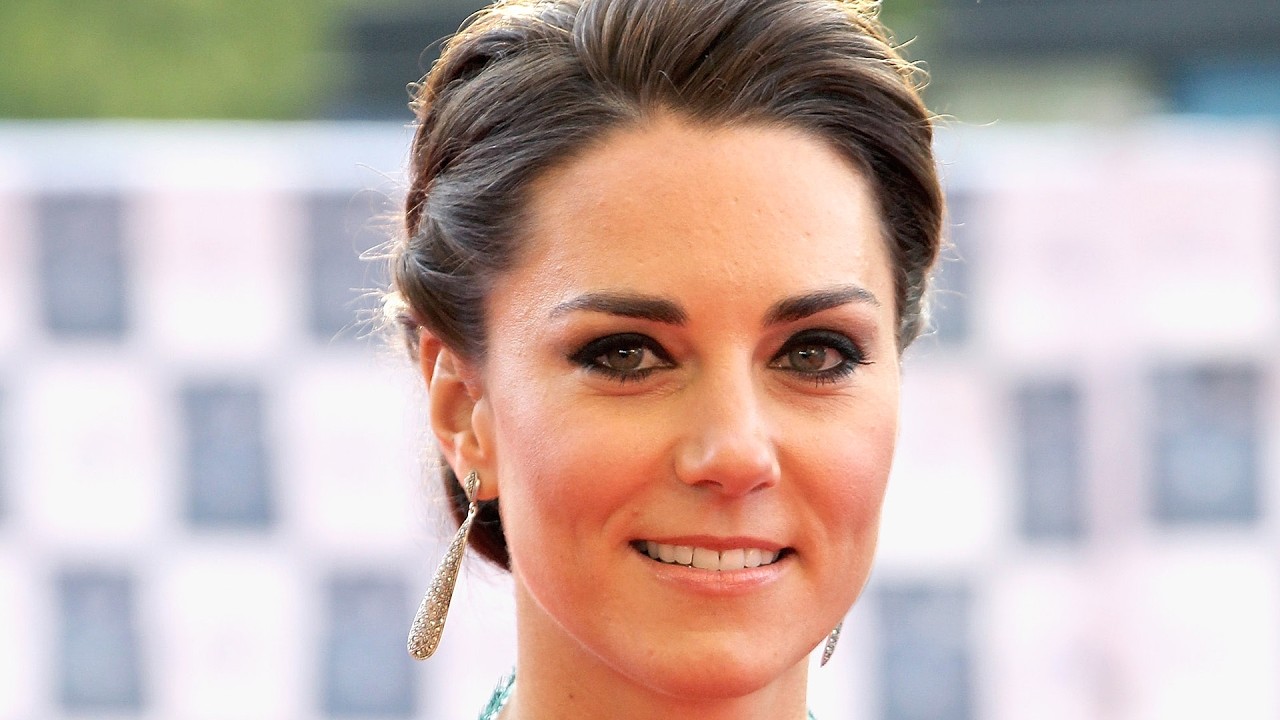
Here’s what makes Kate Middleton’s beauty game fascinating. She reportedly does her own makeup for most public appearances. For her 2011 wedding, viewed by nearly 40 million people worldwide, she applied her own look after taking lessons with Bobbi Brown artist Hannah Martin and her longtime makeup artist Arabella Preston.
That takes confidence. And a really solid product kit.
The Products Behind Her Look
Foundation: Bobbi Brown Skin Long-Wear Weightless Foundation has been linked to Kate for years. She used the brand’s earlier version on her wedding day, paired with the Long-Wear Gel Eyeliner in Black Ink.
Eyes: Kohl-lined eyes were her early signature. Thick application on the waterline and outer corners. Over the years, she’s softened considerably, moving toward diffused brown shadow and less liner. Urban Decay eyeshadow palettes are reportedly behind her shimmery neutral lids.
Brows: Bobbi Brown’s brow kit with two complementary powder shades frames her face without looking overdone. Her thick, natural brows barely need filling.
She layers Bobbi Brown Shimmer Brick in Bronze for a warm glow and finishes with that Clarins Lip Perfector. Charlotte Tilbury products are also rumored to be part of her rotation, which makes sense given the brand’s strong connection to multiple royals.
What Changed Over Time
If you compare her early public years (2010-2013) to recent appearances, the shift is obvious. Less eyeliner. More emphasis on skin. Rosy pink cheeks as the focal point instead of smoky eyes.
Arabella Preston, her makeup artist, once noted that Kate uses flannel cloths for cleansing and relies on rosehip oil in her skincare routine. The skin prep matters as much as the makeup itself.
Charlotte Tilbury Beauty reported revenue of $487.3 million in 2024, according to Companies House filings. The brand is now ranked the #1 makeup brand in the UK, largely fueled by its royal associations and the Pillow Talk franchise. That royal connection clearly pays off.
Meghan Markle’s Makeup Choices
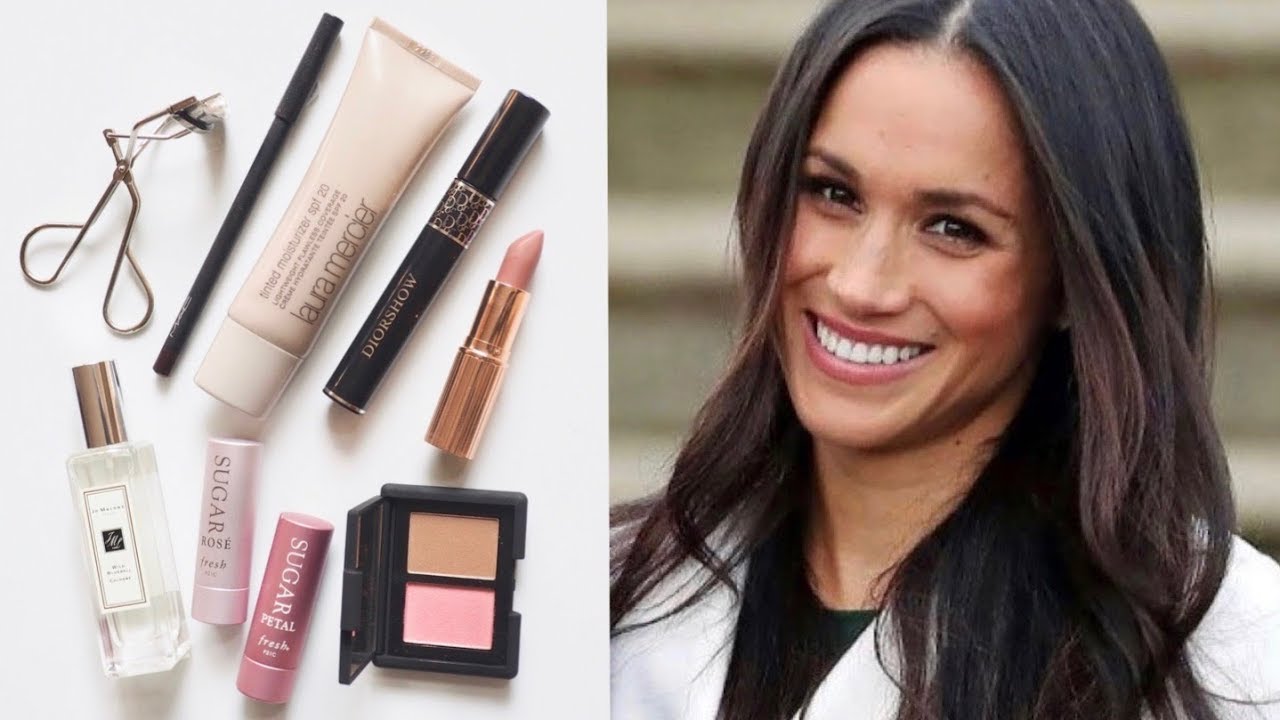
Meghan Markle broke from royal beauty tradition in one specific way: she let her freckles show through. In a family where full-coverage complexions were the norm, that was a deliberate choice.
Her makeup artist Daniel Martin confirmed on the Breaking Beauty podcast in March 2025 that Meghan’s entire wedding look was “pretty much Dior Backstage” products combined with Tatcha skincare. That was seven years of secrecy before he finally revealed the details.
The Wedding Look That Changed Everything
Over 29 million people watched the 2018 royal wedding. What they saw was a dewy, freckle-forward face with minimal eye makeup and a tinted lip balm instead of a traditional lipstick.
Products confirmed by both Martin and Meghan:
- Dior Backstage Face & Body Foundation (water-based, sheer)
- Dior Backstage Concealer, Rosy Glow Blush, and Glow Face Palette
- Dior Lip Glow balm layered over MAC Cool Spice lip liner
- Tatcha Luminous Dewy Skin Mist and Dewy Skin Cream for prep
Martin explained his approach to Glamour: he started with a clarifying toner, water-based moisturizer, and Korean sunscreen as a foundation gripper. Then he “balanced and neutralized any discolorations where needed” rather than applying all-over coverage.
This was a natural makeup philosophy applied at the highest-profile wedding of the decade. And it worked.
Post-Royal Beauty Evolution
Since stepping back from royal duties, Meghan’s look has shifted toward slightly more polish. At Paris Fashion Week in October 2025, Martin gave her a “juicy and glowy” look using Tom Ford contour cream as a bronzer, Tatcha Serum Stick on cheekbones, and Tom Ford Iconic Nude on her lips.
“We just wanted to keep everything light, fresh, radiant,” Martin told Hello! magazine. The reaction was so strong he compared it to her wedding moment.
Martin is currently global director of artistry at Tatcha. The connection between Meghan and the Japanese skincare brand runs deep. Tatcha founder Vicky Tsai appeared on Meghan’s Netflix series With Love, Meghan, and Prince Archie and Princess Lilibet reportedly call Martin “Uncle Daniel.”
Princess Diana’s Iconic Beauty Looks
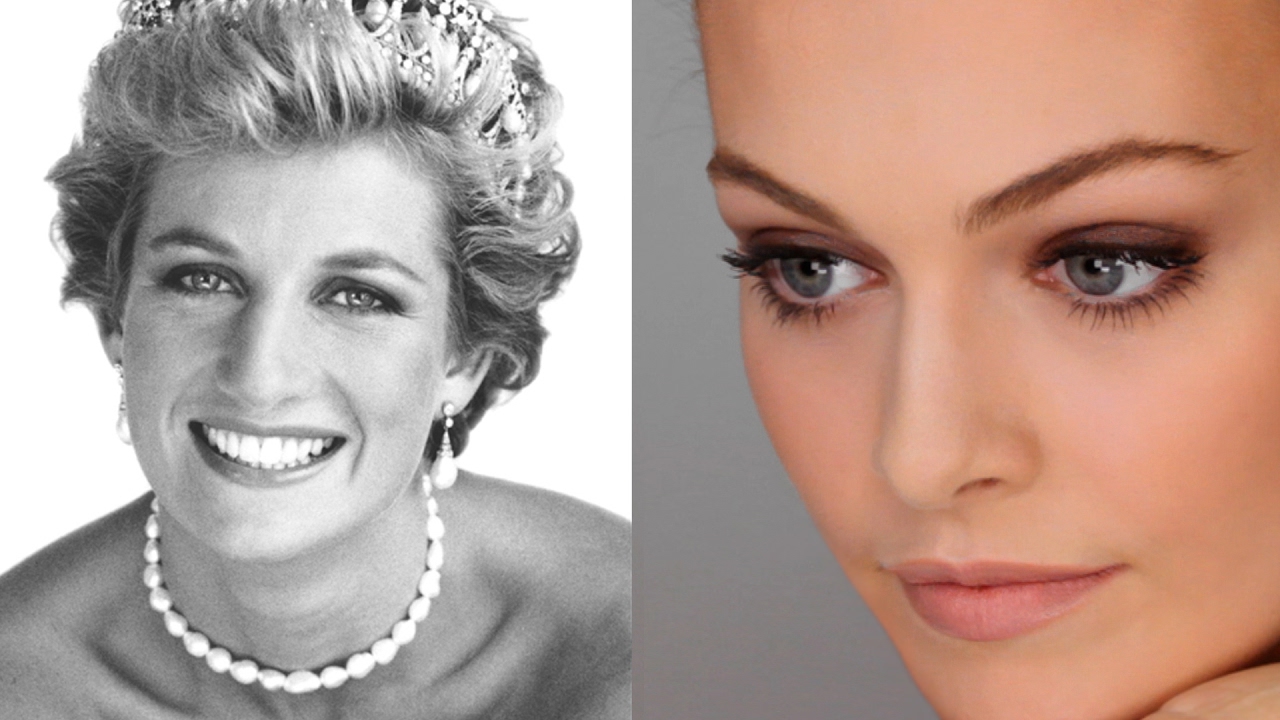
Princess Diana’s beauty story is really two stories. There’s the 1980s Diana with the blue eyeliner and pastel eyeshadow. And there’s the 1990s Diana who became one of the most photographed women on the planet with a refined, powerful makeup look.
Mary Greenwell was the turning point.
The Blue Eyeliner Era
Before Greenwell entered the picture in 1991, Diana’s signature was blue liner applied heavily on her waterlines. It matched her blue eyes, and it was very much a product of 1980s beauty trends. Pastel shadows, bright cheeks, not much structure.
Look, blue liner was everywhere in the ’80s. But Greenwell spotted the problem immediately: the blue was “negating” Diana’s natural eye color instead of making it pop. She encouraged a switch to browns and taupes that would contrast with, rather than match, her eyes. Those 1980s beauty trends had a charm of their own. But the shift toward warmer tones suited Diana far better for the level of public exposure she faced daily.
The Greenwell Transformation
Greenwell first met Diana on a December 1991 British Vogue shoot with photographer Patrick Demarchelier. That session produced one of the most famous royal images ever taken.
“I think that shoot gave her the confidence to be more of a beauty,” Greenwell told The Stack World. She worked with Diana for seven years, teaching her “how to apply her foundation properly, how to make herself look polished and gorgeous.”
The 1990s Diana look centered on:
- Moisturized, bronzed skin (she “never wanted to look too pale”)
- Warm brown eyeshadow with definition on the lash line and outer corners
- Heavy mascara at the roots of the lashes
- Nude-to-salmon lip colors in satin finishes
- Cream and liquid blush for a natural radiance
Greenwell used products from Chanel, Lancome, and Kevyn Aucoin. For the lips, she reached for Lancome L’Absolu Rouge in pale salmon shades, finished with a setting powder. The entire approach was about making Diana look like the most confident version of herself.
Mary Greenwell was awarded an M.B.E. in the 2025 Birthday Honours for her contributions to the beauty and fashion industries. She appeared on BBC Radio 4’s Desert Island Discs in November 2025, a recognition that her influence extends well beyond a single client.
The Met Gala and Bold Moments
Diana did break the “subtle” rule on occasion. At the 1996 Met Gala in a Versace slip dress, she wore a stronger look. Greenwell described building “sheer formulas on the skin for a flush of color” and using cream blush to create a “softer, veil effect.”
These bolder moments usually coincided with times Diana was making deliberate public statements. After her divorce, the makeup got slightly stronger. More defined cheekbones. More confident lip choices. Still polished, still controlled, but with an edge that the early 1980s looks never had.
That evolution from shy princess to iconic beauty remains one of the most studied style transformations in modern history.
European Royal Makeup Styles Beyond the British Monarchy

British royals get most of the beauty coverage, but European monarchies each have their own approach to cosmetics. Cultural expectations, climate, and personal preference all shape these looks in different ways.
Mediterranean Royal Looks
Queen Letizia of Spain runs slightly more dramatic than her British counterparts. Defined eyes with more visible liner work, warm-toned bronzer, and structured brows are consistent across her appearances. She also goes completely makeup-free while on holiday in Mallorca, which the British press would probably not handle well.
Queen Rania of Jordan leans into luminous, warm-toned skin with strong brow definition. Her look bridges Middle Eastern beauty traditions with European polish. Think golden bronzer, defined eyes, and lip colors that run warmer than the pink-and-nude range British royals favor.
Princess Charlene of Monaco takes the most fashion-forward approach of any current royal. She’s worn editorial-leaning looks that would raise eyebrows at Buckingham Palace, including sharper contouring and bolder eye statements.
Scandinavian Royal Looks
Crown Princess Mary of Denmark follows a clean, minimal approach to beauty. Very little visible makeup. Emphasis on clear, healthy-looking skin. Neutral tones everywhere.
This mirrors broader Scandinavian beauty philosophy. The clean girl aesthetic that went viral on social media in recent years? Nordic royals have been doing it for decades.
| Region | Royal Figure | Makeup Approach | Signature Element |
| Spain | Queen Letizia | High-contrast, polished | Smoky Kohl Liner & curated dewy lip gloss |
| Jordan | Queen Rania | Luminous, “Lit-from-within” | Lash Architecture & warm terracotta tones |
| Monaco | Princess Charlene | Bold, “Avant-Garde” Royal | Slicked-back hair & structural “Mannequin” skin |
| Denmark | Queen Mary | Quiet Luxury (Radiant) | Burgundy Manicure & soft grey shadow play |
The women’s cosmetics segment holds 62.6% of market revenue globally in 2025, according to Grand View Research. That includes demand driven by exactly this kind of aspirational, public-figure beauty. Whether it’s London or Copenhagen, watching a royal step out with a flawless face still moves product off shelves.
These regional differences matter if you’re trying to recreate a royal-inspired look. A Spanish royal approach gives you more room for warm lip colors and visible eye definition. A Scandinavian royal approach means investing more in skincare and applying makeup to look natural above all else.
Products Behind Royal Makeup Looks

The brands that show up in royal beauty bags aren’t random picks. They’re products that have been tested under cameras, public scrutiny, and hours-long events. Some have held Royal Warrants for decades. Others earned their spot through personal relationships with makeup artists.
Charlotte Tilbury sits at the center of it all right now. The brand’s Pillow Talk Matte Revolution lipstick became the #1 lipstick in the UK luxury makeup market, with one sold every two minutes globally based on the brand’s own sales data. Multiple royals are linked to it, and the brand reported revenue of $487.3 million in 2024 according to Companies House.
Charlotte Tilbury and the Royal Connection
Pillow Talk: The nude-pink shade works across skin tones, which is exactly why it fits the “universally appropriate” royal requirement. One Pillow Talk product sells every three seconds globally, according to The Irish Times reporting on the brand.
Magic Cream: Charlotte Tilbury’s star skincare product, reportedly selling more than one unit per minute worldwide. It doubles as a primer, which suits the one-and-done prep approach many royals prefer.
Hollywood Flawless Filter: A complexion booster that gives the dewy, lit-from-within look you see on Kate Middleton at daytime engagements. It photographs beautifully without the shimmer that setting spray can sometimes leave.
Puig, the Spanish conglomerate that owns Charlotte Tilbury, reported makeup sales up 18.8% in Q3 2025, driven primarily by the brand’s sustained success, according to Cosmetics Business.
Bobbi Brown’s Long Royal History
Kate Middleton’s wedding look was built on Bobbi Brown. The face chart that leaked after the 2011 ceremony showed specific products mapped to every part of her face.
| Product | Use | Still Available? (2026 Status) |
| Long-Wear Gel Eyeliner (Black Ink) | Waterline and lash line | Yes – The core “Black Ink” shade remains available as a pro-staple. |
| Shimmer Brick (Bronze) | Cheeks, bronzer/highlight | Discontinued – No longer on the core brand site; replaced by the Luxe Glow Highlighter. |
| Sandwash Pink Lipstick | Lip color | Discontinued – The original “Lip Color” line is gone; replaced by the Luxe Lipstick version. |
| Skin Foundation SPF 15 | Base (reformulated) | Updated – Now the Weightless Skin Foundation SPF 15. |
Bobbi Brown founder Bobbi Brown herself confirmed on the Breaking Beauty podcast in 2025 that Hannah Martin, one of her artists, assisted Kate on the day. The brand still doesn’t publicly claim credit for the look, calling it “not the right thing to do.”
Dior, Tatcha, and the Meghan Markle Effect
Meghan’s wedding created a different kind of product story. Daniel Martin’s confirmation that the entire face was “pretty much Dior Backstage” gave the then-new product line enormous exposure at the exact moment it launched.
Tatcha’s Luminous Dewy Skin Mist and Dewy Skin Cream were the skincare backbone. Martin, now Tatcha’s global director of artistry, layered them under the Dior base for that signature dewy finish.
For lips, he used Dior Lip Glow (a tinted balm) over MAC Cool Spice liner. That combination gave Meghan a “natural flush” rather than an obvious lipstick look, which fit the barely-there brief perfectly.
Heritage Brands: Clarins, Elizabeth Arden, Lancome
Queen Elizabeth II commissioned Clarins to create a bespoke crimson lipstick for her 1953 coronation. Called “The Balmoral,” it was designed to match her red Robe of State and hold up through a three-hour ceremony broadcast on television.
Elizabeth Arden has held a Royal Warrant for nearly 60 years. The Queen reportedly favored their Beautiful Color Moisturizing Lipstick in fuchsia and raspberry shades during her later decades.
Lancome connects to Princess Diana through Mary Greenwell’s kit. Greenwell used L’Absolu Rouge in pale salmon shades for Diana’s lip looks and Lancome mascaras for her signature lash definition. Kate Middleton is also reported to use Lancome Hypnose mascara in Noir.
How to Recreate a Royal Makeup Look
Getting this right is less about buying expensive products and more about applying makeup with restraint. The temptation is always to add more. Royal beauty is about knowing when to stop.
Step-by-Step for a Kate Middleton-Inspired Look

1. Skin prep comes first. Use a hydrating moisturizer and apply a light foundation with a damp sponge, building coverage only where needed. Kate reportedly uses flannel cloths for cleansing and rosehip oil in her routine.
2. Soft definition on the eyes. Blend a warm brown eyeshadow into the crease and outer corner. Line the upper lash line with a gel liner, keeping the waterline clean for daytime. Layer mascara generously on upper lashes.
3. Rosy cheeks as the focal point. Apply a pink blush on the apples of your cheeks. Kate swaps heavy contour for liquid highlighter on cheekbones to keep the finish fresh rather than sculpted.
4. Nude-pink lips. Line with a shade close to your natural lip color. Apply a cream lipstick or sheer gloss in a rose tone. If you tend to lose lip color fast, learning how to make it last longer is worth the effort before a formal event.
Step-by-Step for a Princess Diana 1990s Look
Mary Greenwell’s technique started with three layers of moisturizer (cream, gel, and eye cream) and lip balm applied first so the lips would be prepped by the time she got to them.
The base: A cushion powder as an “underneath foundation” for an even tone, followed by concealer where needed. Diana wanted warmth, not paleness. Greenwell bronzed through the hairline and outer face, keeping the center lighter.
The eyes: Medium brown across the lid. Darker tones pressed along the lash line and blended into the outer corners of the undereye. Heavy mascara worked into the roots of the lashes. No blue liner. Browns and taupes only.
The lips: A nude-to-rosy lip pencil as the base, then a satin-finish lipstick in salmon or pale pink. Greenwell preferred formulas that felt natural on the lips, nothing too heavy or drying. If you lean toward bolder color for evening, wearing a pink lipstick in a deeper berry shade recreates Diana’s post-divorce confidence look.
Royal Makeup for Weddings and Formal Events

Royal wedding makeup follows one rule above all: it has to photograph well and last the entire day without touch-ups. That constraint shapes every product choice.
According to Glamsquad, 73% of couples hire a beauty stylist for their wedding. But the royal approach suggests that knowing your own face matters just as much as having a professional on hand. Kate Middleton proved that by doing her own makeup for the most-watched wedding of the decade.
Why Royal Bridal Makeup Prioritizes Longevity
A royal wedding ceremony can run three hours or longer. The 1953 coronation lasted that long, which is exactly why Queen Elizabeth commissioned a custom long-wear lipstick from Clarins.
The products that work for these events share a few traits. Water-based foundations that absorb into skin. Setting powder applied strategically (T-zone only, not all over). Making makeup last all day is less about layering on more product and more about using the right formulas in the right spots.
Daniel Martin’s advice for brides echoes this perfectly: “The last thing you want is to look at your wedding pictures and go, ‘Remember when highlighting was the rage?’ You want to look like your best self.”
Adjustments for Non-Royals at Formal Events
Daytime ceremonies: Keep coverage light. Use cream products that move with the face. A cream blush patted in with fingers (Greenwell’s preferred method) creates that second-skin finish.
Evening events: You can push the eyes slightly further. A deeper shade in the outer corner, a soft smokey eye, or a stronger lip all work once the lighting shifts. Princess Eugenie wore berry-stained lips and subtle winged liner to a Dior fashion show, a level of drama that wouldn’t fly at a daytime garden party but suited the front row perfectly.
Communicating with a makeup artist: If you want a royal-inspired brief, the key phrase is “polished but not done.” Most pros understand that immediately. Show reference photos from royal appearances rather than editorial shoots, because the lighting and context are completely different.
| Event Type | Foundation | Eyes | Lips | Key Focus |
| Daytime Wedding | Skin Tint or BB Cream (SPF 30+) | Soft pastels, “Crushed Pearl” lids | Blurred Lip (Peach or Rose) | Natural Glam: Radiant & airy |
| Evening Gala | Medium-Full Satin (Velvet finish) | Metallic smoky eye, “Graphic Flick” | Bold Berry or Classic Red | Red-Carpet: Editorial polish |
| Outdoor Formal | Sweat-Resistant SPF 50 (Mineral base) | “Baby Wing” liner, Waterproof mascara | Stained Gloss (Kiss-proof) | Longevity: Heat & tear-proof |
Royal Makeup Looks Through the Decades
Royal beauty standards shift slowly compared to mainstream trends. While the fashion world cycles through bold looks every season, palace-approved cosmetics evolve over decades rather than years.
The 1950s and Queen Elizabeth’s Signature
Queen Elizabeth II set the template. A bold lip. Minimal eye makeup. Clear, even skin. That was it for over sixty years.
Her 1953 coronation look, built around that custom Clarins crimson lipstick, was designed for both color and black-and-white television broadcast. She reportedly chose a peach-toned liquid foundation to complement the Norman Hartnell gown she wore beneath her robes.
Even into her nineties, the Queen almost never went without lipstick. She used it as a secret signal to her staff, reapplying in public to indicate she was ready to leave an event. Her senior footman Ian Scott Hunter confirmed this in a special Antiques Roadshow episode.
The 1980s: Diana and Bold Color
Princess Diana’s early years brought blue eyeliner, pastel eyeshadow, and bright blush into the royal conversation. These were very much products of 1980s beauty culture, but Diana wore them with enough charm to make them her own.
Grace Kelly’s transition from Hollywood to Monaco in the late 1950s had set a precedent for glamour in royal circles. But Diana’s influence was different. She was younger, more photographed, and operating in the early age of celebrity tabloid culture.
The blue eyeliner era ended when Greenwell came along in 1991. By the mid-1990s, Diana’s look had completely transformed.
The 2010s: Natural Beauty Among Younger Royals
Kate Middleton and Meghan Markle both pushed royal beauty toward minimalism. Kate’s dewy foundation and rosy cheeks. Meghan’s freckle-forward coverage and tinted balm lips.
This tracked with global trends. The 2025 bridal season is described as “understated sophistication” by industry pros, with a focus on skin-first approaches and personalized rather than dramatic looks.
Social media accelerated this shift. Every public appearance gets zoomed in on, screenshotted, and analyzed by millions. That level of scrutiny pushes makeup toward even more polished minimalism. There’s nowhere to hide a bad blend job when 20 million Instagram users are studying your face.
The soft glam approach that dominates modern beauty, whether on a bride or a princess, traces back to this same idea. Look polished. Look intentional. But never look like you tried too hard.
Where Royal Beauty Goes Next
Younger members of the extended royal family, like Princess Eugenie and Princess Beatrice, already push boundaries with slightly bolder choices at fashion events. Eugenie’s winged liner and berry lips at the Dior Homme show signaled that the next generation might loosen the rules a bit.
The global cosmetics market is projected to reach $519.15 billion by 2033, according to Straits Research, with growing demand for both premium products and clean formulations. Royal beauty will likely evolve alongside these shifts, but the core principle won’t change.
Look like yourself, only better. That’s been the royal beauty code from Queen Elizabeth’s crimson lip in 1953 to Kate Middleton’s rosy cheeks today. The products change. The vintage looks get reinterpreted. But the intent stays the same.
FAQ on Royal Makeup Looks
What makeup did Kate Middleton wear on her wedding day?
Kate used Bobbi Brown products, including the Long-Wear Gel Eyeliner, Shimmer Brick in Bronze, and Sandwash Pink lipstick. She reportedly applied the makeup herself after taking lessons with makeup artist Hannah Martin and her longtime stylist Arabella Preston.
What products did Meghan Markle use for her royal wedding?
Makeup artist Daniel Martin confirmed using Dior Backstage foundation, concealer, blush, and eyeshadow palette. He prepped her skin with Tatcha moisturizer and dewy skin mist. Her lip was Dior Lip Glow balm layered over MAC Cool Spice liner.
Why do royals avoid bold makeup?
British royal protocol requires a neutral, polished appearance for public engagements. Heavy contouring, bright red lips, and dramatic eye looks are generally discouraged. The goal is camera-ready elegance that doesn’t distract from the official purpose of each appearance.
Who was Princess Diana’s makeup artist?
Mary Greenwell worked with Diana for seven years starting in 1991. She moved Diana away from blue eyeliner toward browns and taupes, creating the refined 1990s look that made her a global beauty icon. Greenwell received an M.B.E. in 2025.
What lipstick did Queen Elizabeth wear?
Queen Elizabeth commissioned a custom red lipstick from Clarins for her 1953 coronation, designed to match her ceremonial robes. She later favored Elizabeth Arden’s Beautiful Color range in bright pink and fuchsia shades throughout her reign.
Is Charlotte Tilbury connected to the royal family?
Charlotte Tilbury products are linked to multiple royals. The Pillow Talk lipstick is the #1 luxury lip color in the UK. Kate Middleton is rumored to use the brand, and Magic Cream reportedly sells more than one unit per minute worldwide.
Can you recreate a royal makeup look at home?
Yes. Start with hydrated skin and sheer foundation. Use brown eyeshadow blended softly into the crease, generous mascara, rosy blush on the cheeks, and a nude-pink lip color. The key is restraint. Build thin layers rather than packing on coverage.
How do European royals differ in their makeup styles?
Queen Letizia of Spain wears slightly more defined eyes and bronzer. Queen Rania of Jordan favors warm, luminous skin with strong brows. Crown Princess Mary of Denmark follows a minimal Scandinavian approach. Cultural norms shape each monarchy’s beauty standards.
What makes royal wedding makeup different from regular bridal makeup?
Royal bridal makeup must last through ceremonies that run three hours or longer without touch-ups. It also needs to photograph well under intense press lighting. Longevity, camera performance, and protocol-approved colors drive every product choice.
Do royals do their own makeup?
Some do. Kate Middleton reportedly handles her own makeup for most public appearances. Queen Elizabeth applied her own lipstick daily, famously reapplying without a mirror. Others, like Meghan Markle, work closely with professional makeup artists for major events.
Conclusion
Royal makeup looks come down to one idea: polished restraint. From Queen Elizabeth’s custom Clarins coronation lipstick to Meghan Markle’s freckle-forward Dior Backstage base, every product choice serves the camera and the protocol.
The techniques stay consistent across decades. Dewy complexion work. Soft brown eyeshadow. Rosy blush placement. Nude-to-pink lip shades in satin or sheer finishes. Mary Greenwell, Daniel Martin, and Arabella Preston each brought their own touch, but the underlying philosophy never changed.
You don’t need palace-level budgets to pull this off. Bobbi Brown, Charlotte Tilbury, and Lancome products sit at accessible price points. What matters more is the application method. Thin layers, strategic placement, and knowing when to stop.
Whether you’re prepping for a bridal look, a party, or just a more refined everyday face, the royal approach gives you a blueprint that never goes out of style.

- What Is Skin Tint and Why Everyone Is Obsessed - July 11, 2026
- What Is Foundation and How Do You Choose One? - July 6, 2026
- How to Make Blush Last Longer - July 3, 2026


