Red or deep berry. That’s the short answer, and it holds up no matter which exact shade of green you’re wearing, because both of those lip families read as intentional against green fabric instead of like an accident.
Green had a real moment on the Fall 2025 runways, showing up across every major fashion capital, and Pinterest’s 2025 Palette report named it one of the year’s defining colors (Fashionista, 2025). Which is probably part of why you’re standing in front of a green dress right now, lipstick in hand, trying to work out what actually goes with it.
There’s real logic behind the pairing, not just a guess. Stylists look at the exact shade of green, your undertone, and the finish before anything else. Personal taste only gets a vote once those are already sorted.
What Color Lipstick Goes With a Green Dress
Red is the classic answer here, and there’s a reason it works: red sits directly across from green on the color wheel, which is about as clean a contrast as color theory offers.
Nude and berry come in close behind it. Which one actually looks best on you depends on the exact green you’re wearing, your undertone, and the finish you pick.
Emerald and hunter, being darker and more saturated, want a bold red or a deep berry. Sage and mint are softer, so they pull toward coral, dusty rose, or a plain soft nude instead.
Nail the shade and the lip reads like you meant it. Get it wrong and it just looks like whatever tube happened to be closest to hand.
Stylists run through basically this same checklist when matching lipstick color to a specific outfit, regardless of what color the outfit actually is.
Why Complementary Colors Work for Green Dresses
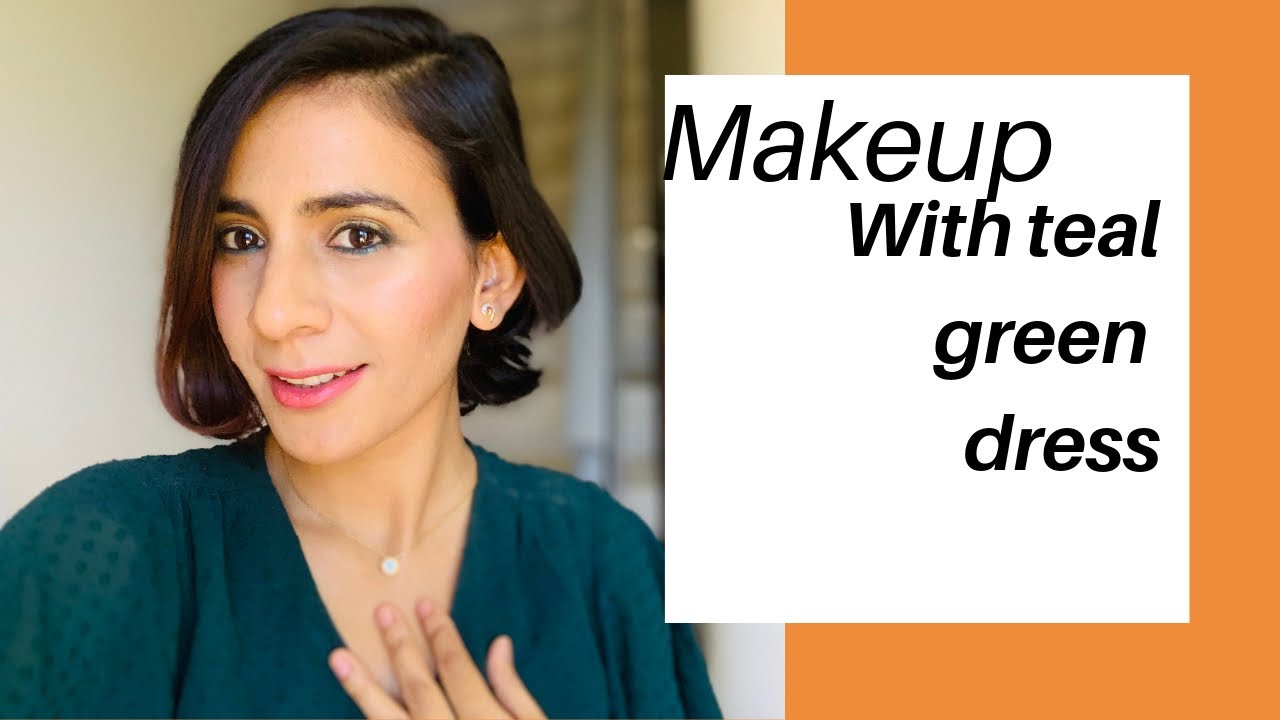
Red and green aren’t opposite by coincidence. Physiologist Ewald Hering proposed back in the late 1800s that human color vision runs on three opponent pairs: red versus green, blue versus yellow, and black versus white. Red and green sitting on one of those channels is part of why a red or berry lip looks sharp against green fabric instead of getting swallowed by it.
On a standard twelve-hue color wheel, red sits directly across from green, and that position produces the strongest contrast available. Teal and blue, by comparison, sit much closer to green on the wheel. Pair one of those with a green dress and you get a softer, analogous look instead of a contrast.
Emerald has a specific pedigree here. Pantone named 17-5641 Emerald its Color of the Year in 2013 (Pantone Color Institute, 2012), and that single choice is a big part of why emerald became the reference point people picture when they hear “jewel-toned green.”
None of this makes analogous pairing wrong, just different. Go with contrast and the eye lands on your mouth first. Go analogous and the dress does more of the talking, with the lip staying quiet.
Best Lipstick Colors by Green Dress Shade
Emerald wants a true red or a deep berry. Olive pulls toward warm brick and brown territory. Sage and mint both soften into coral, dusty rose, or a plain nude, and hunter, the darkest and most saturated of the group, carries a bold berry or classic red without ever looking flat.
| Green Shade | Primary Lipstick | Secondary Option | Finish Note |
|---|---|---|---|
| Emerald | True red | Deep berry | Matte holds up best under evening light |
| Olive | Brick or terracotta | Warm brown | Satin keeps warm tones from looking flat |
| Sage | Dusty rose | Soft nude | Satin or cream finish |
| Mint | Coral | Peachy pink | Gloss works well in daylight |
| Hunter | Classic red | Wine berry | Matte for depth, satin for softness |
MAC’s Ruby Woo, a cool blue-based red, tends to be the first shade makeup artists reach for when they’re testing the emerald pairing.
Olive is a close to neutral green, leaning yellow, so a warm chocolate or terracotta brown lipstick grounds the dress instead of fighting its undertone.
Mint sits lighter and cooler than olive, which is part of why a soft coral lipstick works better here than the deep berry that suits hunter or emerald.
People mix up olive and sage constantly, and honestly it’s an easy mistake to make. Olive leans yellow and earthy. Sage leans gray and cool. That one difference is what actually decides which lipstick family flatters the dress.
How Skin Undertone Changes the Best Lipstick Shade
Undertone is what decides which version of red, coral, or nude actually flatters you. It has nothing to do with which green the dress happens to be. A shade that looks perfect on the color wheel can still look wrong once it’s on actual skin, if the undertone fights it.
Warm Undertone
If your skin reads gold, peach, or yellow underneath, you’re working with a warm undertone, and lipstick built on that same base sits right.
- Terracotta or brick red
- Warm coral
- Golden nude
These keep the lip looking lit from within rather than chalky. They also work especially well against olive green, since dress and lip end up sharing the same warm foundation. This same brick, terracotta, and golden nude trio shows up again and again across guides to lipstick colors for warm undertones, pretty much regardless of which brand is writing the guide.
Cool Undertone
Pink, blue, and red run under the skin with a cool undertone, and blue-based reds, berry, and rose-toned nudes are what sit naturally against that base. It’s part of why lipstick colors for cool undertones cluster so tightly around blue pigment instead of spreading out.
Blue red. Cool berry. Rose nude. Those three cover most of what actually works.
Cool undertones happen to share the same blue-leaning base as emerald or hunter green, so out of every pairing in this guide, this is the one that needs almost no correction.
Neutral Undertone
Neutral doesn’t lean warm or cool, it just sits in the middle. That’s an advantage: a wider range of shades reads naturally on a neutral undertone, everything from warm brick to cool berry.
Olive skin often lands here too, for the same reason olive as a color sits between warm and cool: it’s the same yellow and blue mix either way.
Neutral undertones can basically pull straight from the shade table above without much adjustment. It’s also part of why shade-finder tools at places like Sephora sort lipstick by undertone before color in the first place.
Best Lipstick Colors for Fair, Medium, and Deep Skin Tones
How much pigment a lipstick needs to actually show up the way it looks in the tube comes down to skin tone depth. The same exact red can look almost sheer on deep skin and stark, almost too much, on fair skin. That’s a separate decision from undertone entirely.
Fair Skin
Heavily pigmented shades can look harsh against fair skin, so lighter and more sheer formulas generally win out here.
- Soft coral or peach for daytime
- Muted rose red for evening
- Light berry instead of anything close to a near-black berry
Fair skin with a cool undertone paired with an emerald dress calls for a blue-based rose red over a full-bodied wine, which tends to read heavy in that specific combination. Most guides to lipstick colors for fair skin land at the light end of the shade family for exactly this reason, sheer and satin formulas usually beat full-opacity mattes.
Medium Skin
Medium skin is forgiving. It handles sheer tint all the way up to full matte without either extreme looking wrong, and brick, coral, rose, and berry all read clearly on it. That’s really why medium skin can default to whatever the shade table above already recommends without much second-guessing.
One thing to watch for: chalky, overly pale nude. It washes out medium skin faster than it does fair or deep skin.
Deep Skin
Dermatologists have been classifying skin by depth and reaction to light since 1975, when Thomas B. Fitzpatrick introduced a four category scale. It got expanded to six categories in 1988, and that same framework still shapes how the beauty industry talks about skin depth today.
Deep skin holds pigment strongly. Bold, richly saturated shades are actually the ones that read best on it, instead of washing out the way they might elsewhere.
- Deep berry or wine
- True red with high pigment
- Rich brown red
Fenty Beauty built its reputation on treating deep skin as a starting point for design rather than an afterthought, and that same instinct is a decent benchmark for judging whether a red or berry reads clear or muddy here. These are also the shades that show up most in guides to lipstick colors for dark skin, since sheer or pastel formulas tend to disappear on deep skin rather than flatter it.
Lipstick Finish: Matte, Satin, or Gloss With a Green Dress

How saturated a color reads and how long it survives the night both come down to finish, not just shade. The exact same red looks like three different colors depending on whether it’s matte, satin, or gloss, and each finish suits a different green dress fabric and type of event.
Matte
Flat and non-reflective, matte delivers more concentrated color per swipe than any other finish, which is exactly why it’s the one most tied to a bold red or a deep berry. Most brand explanations of what matte lipstick actually is describe the same trade-off, high pigment in exchange for a less forgiving application.
Emerald or hunter green, evening events, anything with a camera around, these are where matte earns its keep, since it holds its shape under flash and stage lighting in a way the other two finishes just don’t.
- Longest wear time of the three finishes
- No shine competing with a satin or sequined dress
- Can emphasize dry or textured lips, so lip balm prep matters here
Ruby Woo from MAC is still the shade most makeup artists default to when a client wants a matte true red against a dark green dress.
Satin
Nearly half the global lipstick market runs on satin and cream finishes now, 44.34 percent as of 2025, more than matte or gloss individually (Mordor Intelligence, 2026). Makes sense once you think about it. A soft sheen instead of something flat or wet suits sage and olive green particularly well, since both of those greens already read soft rather than sharp.
A satin lip keeps a look from tipping into harsh territory, and it’s probably the finish most people already have sitting in their makeup bag without thinking about it.
Charlotte Tilbury’s Pillow Talk comes in a satin K.I.S.S.I.N.G finish alongside the brand’s more famous Matte Revolution version, a mauve nude that reads polished either way.
Gloss
Light bounces off gloss instead of getting absorbed into it, which is what makes lips look fuller and color read a shade lighter than the same lipstick in matte.
Since mint and sage both lean pastel, a sheer gloss in coral or soft pink keeps the whole look in proportion instead of top-heavy. It does wear down faster than the other two finishes though, and it transfers onto glasses and napkins more easily than either of them.
More on the format itself: what lip gloss actually is, compared to a traditional lipstick base.
Red vs Nude vs Berry Lipstick for a Green Dress

Red gets you the strongest contrast against green, no contest there. Nude is the safe option that works pretty much anywhere. Berry sits in the middle, bold, but nowhere near as loud as a true red. Which one actually wins depends on the event, which green you’ve got, and how much attention you want on your mouth that day.
Red Lipstick
Maximum contrast against basically every shade of green, from mint to hunter, is the big argument for red. There’s also a genuinely strange stat behind it. A 2012 field study found that the red-lipstick condition drew more approaches and a faster response than pink, brown, or bare lips (Guéguen, International Journal of Psychological Studies). Make of that what you will. The downside is real too, red can overpower fair skin or daytime settings if the formula runs too dark or too matte.
A cool, blue-based red, the type covered in most guides to how to choose a red lipstick, is the safest starting point against emerald or hunter green.
Nude Lipstick
Nude works with almost any green shade and almost any occasion, office to wedding guest, and it carries the lowest risk of clashing with jewelry, eye makeup, or hair color. The catch is that it can read flat, even forgettable, next to a dress this saturated. Photos tend to make that worse, not better.
Getting the undertone right matters more here than it does with red. A nude that skews too pink or too orange is easy to spot against green fabric, a distinction covered in most guides to picking a nude lipstick shade.
Berry Lipstick
Berry is bold enough to hold up against a saturated green dress without going all the way to red’s intensity, and it flatters cool and neutral undertones especially well. On fair skin it can read bruised or heavy if the shade leans too purple, so that’s worth testing before committing.
NARS Audacious, one of the richest berry formulas on the market, is often the shade artists reach for when someone wants more depth than red without moving into full plum territory. It works as the middle ground for anyone who wants more presence than nude without committing to a full red lip.
Lipstick Colors for Daytime, Evening, and Bridal Green Dress Looks
The same green dress needs a different lipstick strategy depending on when and where you’re wearing it. Lighting changes things. So does formality, and so does how close people actually get to your face over the course of the event.
Daytime
Daylight doesn’t forgive much. It shows every edge of a lip line and every mismatch in undertone that indoor lighting would otherwise hide.
- Sheer or satin finish over full matte
- Coral, soft berry, or a muted red
- A lighter hand with lip liner, since daylight exaggerates a hard edge
A sage or mint green dress at a daytime event pairs naturally with this same kind of soft, low commitment shade, the same territory covered in most everyday makeup looks.
Evening

Artificial light flattens color. A shade that looked exactly right at 2pm can end up muddy under a restaurant’s warm bulbs by 8pm, which catches people off guard more than it should.
Evening generally wants deeper saturation, more matte or satin finish, and enough pigment to actually survive photos taken under flash or low light. Hunter or emerald green can carry a full matte red or a deep berry under evening light without looking heavy in the way it might at noon.
Gold or warm toned venue lighting, which is what most restaurants and evening spaces use, tends to push a cool red slightly warmer than it looked back in the store mirror.
Bridal
Green used to be an unconventional choice for a wedding dress. It isn’t anymore. Light green showed up in 33 percent of 2025 weddings and dark green in 27 percent, enough for both to rank among that year’s fastest growing bridal colors (The Knot, 2025 Real Weddings Study).
- Soft rose or berry for a sage or mint bridal gown
- Classic red or deep berry for an emerald or hunter green gown
- A long wear, transfer resistant formula, since the day involves eating, drinking, and a whole lot of photos
Testing a shade under both daylight and reception lighting matters more here than at any other event in this guide, and it’s the point most wedding makeup looks guides build their shade advice around.
Completing the Look: Eyeshadow, Blush, and Hair Color With Green
Lipstick is actually the last decision here, not the first, once eyeshadow, blush, and hair color are already locked in. Everything else needs to support whatever lip color you land on rather than fight it for attention.
Eyeshadow and Blush
A bold lip wants a neutral or softly bronzed eye next to it, not a second bold color competing for attention. Keep that in mind and the rest follows pretty naturally.
- Neutral or bronze eyeshadow with a red or berry lip
- A soft smoky eye if the lip is nude or sheer
- Blush from the same warm or cool family as the lipstick, not a random pick
Guides to what color blush goes with red lipstick usually land on this same rule, a warm lip wants a warm blush and a cool lip wants a cool one.
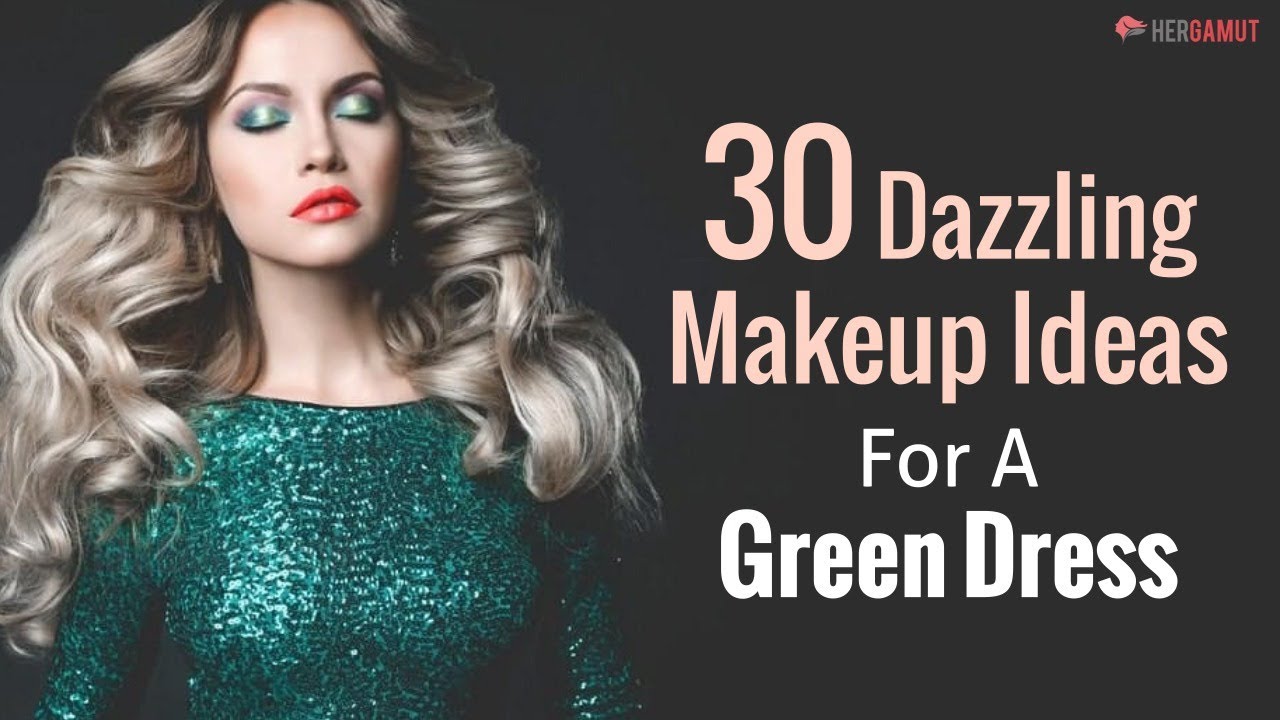
Green eyeshadow deserves a mention here mostly so it can be set aside. It tends to compete with a green dress rather than complement it, so most makeup artists keep the eye neutral and let the dress do the green on its own.
Hair Color
The same way skin undertone shifts which lipstick flatters you, hair color does too. Naturally red hair shows up in only about 1 to 2 percent of the global population, linked to variants in the MC1R gene (Medicover Genetics, 2023), which is probably part of why so few color guides even bother addressing it.
- Blonde hair: coral, soft berry, or a blue-based rose red
- Brunette hair: nearly anything works, nude to full red to deep berry
- Red hair: warm coral or brick tends to compete with the hair itself, a cooler berry or blue-based red usually reads cleaner
- Black hair: bold red or deep berry, high contrast shades that hold their own against the hair’s own depth
This lines up with the logic behind Color Me Beautiful, the system that popularized matching hair, eye, and skin coloring to a single seasonal palette instead of treating each feature as its own separate decision. A shade already proven to work for your hair color, the kind covered in a guide to lipstick colors for redheads or its equivalent for other hair colors, ends up being a faster shortcut than testing shades one at a time.
How to Test and Choose a Lipstick Shade for a Green Dress
Picking the right shade doesn’t have to be a guess made under bad store lighting. It’s a short process, and it repeats the same way every time. Most of the time, when a shade looked perfect in the store and then looks wrong once you’re actually in the dress, it’s because one of these steps got skipped.
- Hold the dress in natural light and compare it against the shade table earlier in this guide. Emerald, olive, sage, mint, and hunter each call for a different lipstick family, so getting the exact green right matters before anything else.
- Confirm undertone and depth together. A warm undertone on deep skin needs a different shade than that same undertone would on fair skin.
- Shortlist two or three shades from the primary and secondary options already covered here, instead of starting from the entire display wall.
- Swatch on the actual lip, not the back of your hand. Lip pigmentation changes how a color reads, sometimes more than people expect.
- Check the swatch under at least two light sources, ideally daylight and whatever kind of indoor lighting the event will actually use.
- Hold the dress fabric directly against the swatched lip color rather than trusting your memory of the dress shade.
- Confirm the finish last. The same shade in matte, satin, and gloss can read as three different colors under the exact same light.
Researchers testing 15 lipsticks under 5 light sources ranging from 2,500K to 6,500K found the light source significantly influenced color preference and purchase intention, while the lipstick color itself significantly shaped perceived sexual attractiveness (Tian et al., Frontiers in Neuroscience, 2023). That’s basically the reason behind step five. A shade tested under only one light source is only half tested.
Retail testers don’t fully solve this either. In-store lighting usually runs warmer and more flattering than daylight does, which is why picking a lipstick color under store light alone tends to cause more return trips than any other step in this whole process. Testers at places like Ulta Beauty are still worth using though, mostly because swatching a matte and a satin version of a similar shade side by side, in person, catches differences that a screen or a single-light mirror just can’t.
Once shade and finish are actually settled, the last variable left is application itself. Even the right color can look wrong with a blurred edge or patchy coverage.
When These Lipstick Rules Don’t Apply
Everything in this guide assumes a solid colored dress and a fairly literal reading of the color wheel. That assumption breaks down in a few specific situations, and the fix looks different each time.
Patterned Dresses
A printed or patterned green dress doesn’t really have one color to match, it usually has several fighting for attention. Match the lipstick to whichever color dominates the print instead of green specifically, unless green genuinely covers the largest share of the pattern.
- Floral prints with only a small amount of green: match the print’s second or third color instead
- Color block prints: treat each block as its own dress and pick the lipstick for whichever block sits closest to the face
- Abstract or busy prints: default to a neutral nude, since a bold lip risks competing with the print itself
The shade tables and undertone guidance from earlier in this guide still apply once you’ve identified the dominant color. The pattern just changes which color that is.
Metallic Fabric
Metallic and sequined green fabric reflects light instead of absorbing it, which happens to be the same property that makes a gloss lipstick reflective. Two reflective finishes on one body usually looks busy rather than polished, so most stylists pick a flatter lip finish specifically to balance a shiny dress.
Matte holds up noticeably better than satin or gloss against a metallic green dress for this reason. A genuinely metallic lipstick, the kind covered in guides to what metallic lipstick actually is, can work as an intentional exception when the whole look is built around shine instead of contrast. Sequins and metallic weave shift color under different lighting even more than flat fabric does, so the testing steps from earlier matter more here, not less.
Personal Preference Overrides
Everything recommended in this guide is a default, not a rule without exceptions. And there’s one real override worth naming: a shade you actually feel confident in beats a technically correct shade you feel unsure about, in almost every practical sense that matters at an actual event.
Color theory explains why certain combinations read as harmonious. It doesn’t override a personal signature color, cultural meaning tied to a specific shade, or plain long standing preference. Someone who’s worn the same bold fuchsia for a decade doesn’t need a color wheel to tell them it works, and most guides to wearing a bright lipstick with confidence end up saying the same thing in different words.
FAQ on What Color Lipstick Goes With A Green Dress
Is Lip Gloss Ever Better Than Matte for a Formal Green Dress Event?
Sometimes, yes. A rich, high-pigment gloss can work fine for a low-key formal event with soft ambient light and not many photos being taken. Once flash photography or a stage gets involved though, matte or satin still beats gloss on a formal emerald or hunter green dress.
What Mistakes Do People Commonly Make Matching Lipstick to a Green Dress?
Swatching on the hand instead of the actual lips, then only testing under store light, that’s the most common one. Ignoring undertone entirely and picking a shade off the color wheel alone is a close second.
Do You Need Lip Liner When Wearing a Bold Lipstick With a Green Dress?
Not strictly, no. But a bold red or deep berry holds its shape and resists feathering a lot longer with one. For evening or bridal wear against emerald or hunter green specifically, liner tends to be the difference between crisp and blurred by the end of the night.
What if You Don’t Know Your Undertone, How Do You Still Pick a Shade?
Start from depth and occasion instead of undertone. A rosy, blue-based red works on nearly any skin, and a warm brick red works broadly too. Testing two shades against the actual dress fabric settles it faster than a vein test would anyway.
Where Does What Color Lipstick Goes With A Green Dress Break Down?
The whole red-complement rule stops working reliably once the dress shifts from jewel or muted green into pastel or neon territory. Neon green tends to clash with most reds rather than contrast cleanly against them, and pastel sits too close to white for a bold berry to read as anything other than random.
Defaulting to the same blue-based red no matter which green you’re wearing does simplify things, but it trades away the sharper, more literal contrast that a shade chosen specifically for emerald over olive actually delivers. That’s a reasonable trade only when there’s genuinely no time to test shade against fabric directly.
The same logic carries over to a different base color in the guide to choosing lipstick for a blue dress.

She started writing on the site after fielding the same questions from clients and friends often enough to just write the answers down: which red won't turn orange on a warm undertone, how to keep lipstick from feathering into fine lines, why a "12-hour" formula rarely survives dinner.
Every review on the site follows the same rule she uses with paying clients: wear it first, then decide if it's worth recommending.
- How to Make Eyeliner Last Longer Without Smudging - August 31, 2026
- How to Make Eyeshadow Last Longer All Day - August 29, 2026
- How to Find Your Undertone in 5 Easy Steps - August 27, 2026