

Summarize this article with:
Most makeup tutorials overcomplicate things. They assume you have thirty products, an hour to spare, and professional-level blending skills.
Reality looks different.
You want good makeup looks that actually work for your face, your schedule, and your skill level. Looks that translate from the tutorial to your mirror without disaster.
This guide breaks down everything: product selection, step-by-step application, techniques for every face shape and skin type, plus timing for different occasions.
Whether you prefer a neutral makeup look for work or something bolder for weekend plans, you’ll find a clear path forward.
No fluff. Just methods that deliver results.
What Is a Good Makeup Look

A good makeup look is a balanced application of cosmetics that enhances facial features while matching the occasion, skin type, and personal style.
The difference between average and polished comes down to three things: product selection, blending technique, and color coordination.
Some people think more products equal better results. Wrong.
A five-product face can outperform a fifteen-product routine when applied correctly. The goal is creating a flawless skin finish that looks intentional, not overdone.
Whether you prefer natural makeup looks or full coverage glam, the fundamentals stay the same: prep your skin, build in thin layers, blend edges, and set everything properly.
What Products Do You Need for Good Makeup Looks

Your product lineup depends on the specific style you want. A clean girl makeup look needs maybe six products. A full glam makeup look might require twenty.
Base Products
Start with a hydrating primer suited to your skin type. Next, choose foundation coverage (sheer, medium, or full) based on how much evening out you need.
Concealer handles dark circles and blemishes. Setting powder application locks everything in place.
Color Products
- Bronzer adds warmth and dimension to the face
- Blush creates a healthy, flushed appearance (cream or powder formula)
- Highlighter catches light on cheekbones, brow bone, and cupid’s bow
Eye Products
An eyeshadow palette with matte and shimmer shades covers most looks. Add eyeliner (pencil, gel, or liquid), mascara, and brow product.
For soft glam makeup looks, focus on neutral tones with subtle shimmer on the lid center.
Lip Products
A lip liner defines shape and prevents feathering. Finish with your preferred lipstick type or gloss.
What Steps Create Good Makeup Looks
The order matters more than most people realize. Applying makeup in the wrong sequence creates patchiness, creasing, and fallout on finished areas.
Step One: Prep the Skin

Cleanse, moisturize, wait two minutes. Apply primer to create a smooth canvas. This step determines how long your makeup lasts.
Step Two: Build the Base
Apply foundation from the center of your face outward. Use a damp beauty sponge or foundation brush.
Blend concealer under eyes in an inverted triangle shape. Set with translucent powder on oily areas only.
Step Three: Add Dimension
Contour the hollows of cheeks, sides of nose, and jawline. Apply bronzer where the sun naturally hits.
Sweep blush on the apples of cheeks, blending upward toward temples. Highlight the high points of your face sparingly.
Step Four: Define the Eyes
Apply eyeshadow starting with transition shades in the crease. Build depth gradually. Line eyes according to your preferred style.
Curl lashes before applying mascara. Two coats usually works; three gets clumpy.
Step Five: Complete the Lips
Line lips slightly outside natural border for subtle fullness. Fill in with lipstick or layer with gloss.
For longevity, blot and reapply one layer. Making lipstick last longer requires this extra thirty seconds.
Which Face Shapes Suit Good Makeup Looks
Every face shape can wear any makeup look. The key is adjusting placement and technique to complement your bone structure.
Round Face

Contour below cheekbones and along jawline to add angles. Place blush slightly higher, toward the temples. Avoid circular blush application.
Oval Face
Balanced proportions mean minimal adjustment needed. Focus on enhancing features rather than reshaping. Most tutorials assume this face shape.
Square Face

Soften angular jawline with contour at the corners. Apply blush on the apples, blending toward cheekbones. Rounded techniques balance strong structure.
Heart Face
Wider forehead, narrow chin. Contour temples lightly; add bronzer to chin for balance. Blush placement works best on the outer cheeks.
Oblong Face
Contour forehead hairline and chin to shorten appearance. Apply blush horizontally across cheekbones rather than at an angle.
What Skin Types Work Best for Good Makeup Looks
Your skin type determines product formulas and application techniques. Using wrong formulas causes oxidation, separation, and transfer.
Oily Skin

Mattifying primer, oil-free foundation, generous setting powder. Skip cream products on T-zone. Blotting papers throughout the day extend wear time.
Makeup application for oily skin requires lighter layers that build rather than heavy single applications.
Dry Skin
Hydrating primer is non-negotiable. Choose dewy foundations; avoid powder formulas except for minimal setting. Cream blush and highlighter work best.
Applying makeup on dry skin means extra moisturizer, facial oil mixed into foundation, and skipping baking techniques entirely.
Combination Skin
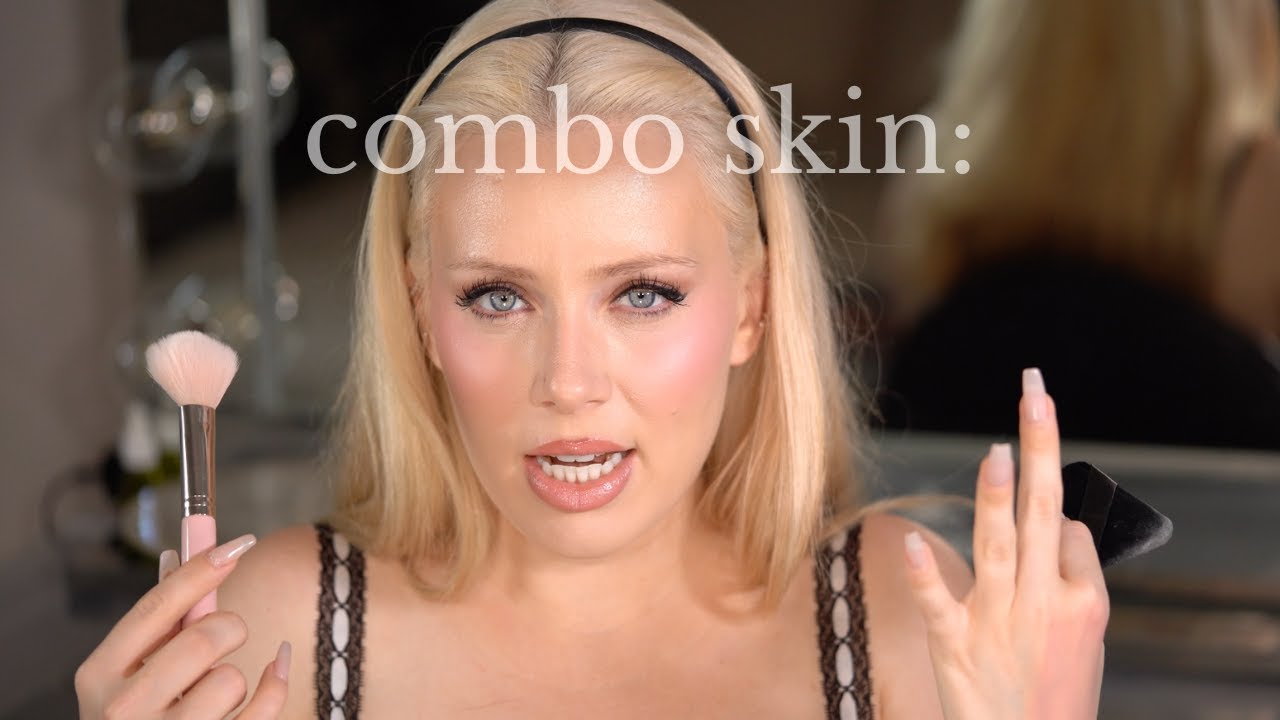
Zone your products. Mattifying primer on T-zone, hydrating primer on cheeks. Set oily areas with powder; leave dry areas dewy.
Sensitive Skin
Fragrance-free, mineral-based products reduce reactions. Patch test new products. Makeup techniques for sensitive skin prioritize fewer products with gentler formulas.
Mature Skin

Avoid heavy powders that settle into fine lines. Cream and liquid formulas create youthful, glowing finishes. Primer fills texture without emphasizing wrinkles.
Applying makeup to look younger focuses on light-reflecting products and strategic placement rather than heavy coverage.
How Long Does a Good Makeup Look Take to Apply
Application time varies wildly based on complexity and skill level. A simple makeup look takes ten minutes; glam makeup looks require forty-five or more.
Beginner Level
Expect 30-45 minutes for a complete face. Blending takes longer when you’re still learning pressure and technique. Cut time by skipping eyeshadow initially.
Intermediate Level
Most looks clock in at 20-30 minutes. You know your face, your products, your preferred techniques. Muscle memory handles the basics.
Advanced Level
Full glam in 15-25 minutes. Everyday makeup looks take under ten. Speed comes from knowing exactly which products work and eliminating unnecessary steps.
How Long Does a Good Makeup Look Last
Wear time depends on product quality, setting techniques, and environmental factors. Eight hours is standard; twelve is achievable with proper prep.
Average Wear Time
- Minimal makeup: 4-6 hours before fading
- Full coverage base: 8-10 hours with setting spray
- Eye makeup: 6-12 hours depending on primer use
- Lip products: 2-4 hours (matte lasts longer than gloss)
Extending Longevity
Prime every area you’re applying product. Set with powder, then setting spray. Making makeup last all day requires this layering approach.
Touch-Up Essentials
Carry blotting papers, pressed powder, lip product, and concealer. Skip reapplying foundation mid-day; it creates cakiness over existing makeup.
What Occasions Suit Good Makeup Looks
Match intensity to the event. Underdone looks unpolished; overdone looks costumey. Read the room before you do your face.
Daytime Events

Work, brunch, errands call for light makeup looks. Sheer coverage, neutral tones, minimal eye definition. Think enhanced, not transformed.
No-makeup makeup looks work best here; skin-like finishes that appear effortless.
Evening Events
Dinner dates, parties, and nights out handle more drama. Smokier eyes, bolder lips, stronger contour. Lighting is dimmer; features need definition.
Date night makeup looks and night out looks benefit from shimmer and deeper color payoff.
Special Occasions
Wedding makeup must photograph well and last hours. Prom makeup looks can go bolder since flash photography washes out subtle details.
Birthday makeup looks follow your preference entirely. Your day, your rules.
What Common Mistakes Happen with Good Makeup Looks
Most makeup failures come from skipping steps, wrong shade matching, or heavy-handed application. All fixable with awareness.
Wrong Foundation Shade

Test on jawline, not hand. Check in natural light. Undertone matters as much as depth; a perfect depth match with wrong undertone looks orange or ashy.
Skipping Primer
Foundation slides, creases, and disappears by noon without primer. Eye primer prevents shadow fallout and creasing. Using makeup primer correctly adds hours of wear.
Over-Powdering
Excess powder settles into fine lines and creates a flat, cakey finish. Use sparingly on oily zones only; let other areas stay slightly dewy.
Harsh Brows
Blocky, overdrawn brows age the face and dominate features. Use light strokes mimicking hair direction. Less product, more blending.
Ignoring Blending
Visible lines between products screams amateur. Blend foundation into hairline and jawline. Blend eyeshadow edges until no harsh lines remain.
How Do Good Makeup Looks Compare to Related Styles
Understanding the spectrum helps you choose the right approach for any situation.
Good Makeup vs No-Makeup Makeup
No-makeup makeup uses fewer products for a skin-focused, barely-there result. Good makeup looks include more definition, color, and visible technique while still appearing polished.
Good Makeup vs Full Glam
Dramatic makeup looks feature heavy contour, bold lips, and intense eyes. Good makeup sits in the middle ground; enhanced but not theatrical.
Comparison Table
| Factor | No-Makeup Makeup | Good Makeup Look | Full Glam |
| Products Used | 5-7 | 10-15 | 15-25 |
| Application Time | 5-10 min | 15-25 min | 45-90 min |
| Coverage Level | Sheer | Medium | Full |
| Best For | Daily wear | Most occasions | Events, photos |
Which Celebrities Wear Good Makeup Looks
Celebrity makeup provides real-world reference points. Study red carpet and street style for technique inspiration.
Selena Gomez
Known for balanced, polished looks that enhance without overwhelming. Soft eyes, defined brows, pink-toned makeup that flatters her warm undertone.
Zendaya
Masters the art of occasion-appropriate makeup. Soft and natural for interviews; bold and editorial for red carpets. Her eye makeup consistently demonstrates flawless blending.
Hailey Bieber
Popularized the glazed, dewy aesthetic. Her signature combines glowing skin, subtle contour, and brown lip tones. Perfect example of modern “good makeup” balance.
Sydney Sweeney
Often seen in soft makeup looks featuring peach and pink tones. Her eye makeup stays defined but never harsh. Great reference for medium-coverage, flattering finishes.
Makeup Artist Signatures
Charlotte Tilbury looks define modern glamour: bronze skin, defined eyes, nude-pink lips. Pat McGrath’s work pushes boundaries while maintaining wearability.
FAQ on Good Makeup Looks
What Makes a Makeup Look “Good”?
A good makeup look balances technique, color harmony, and occasion appropriateness. Products blend seamlessly, shades complement your skin tone, and the overall effect enhances rather than masks your features. Polish matters more than product count.
How Do Beginners Create Good Makeup Looks?
Start with five basics: tinted moisturizer, concealer, mascara, blush, and lip color. Master these before adding complexity. Beginner makeup looks focus on skin and one feature at a time. Build skills gradually.
What Products Are Essential for Good Makeup?
Primer, foundation or skin tint, concealer, setting powder, bronzer, blush, brow product, eyeshadow, mascara, and lip color form the core kit. Quality over quantity wins every time. Invest in base products first.
How Long Should Good Makeup Take to Apply?
Most polished looks take 15-25 minutes once you know your routine. Easy makeup looks need under ten. Complex eye work or full glam extends to 45 minutes. Practice shortens every timeline.
Can Good Makeup Look Natural?
Absolutely. The “no-makeup makeup” trend proves this daily. Use sheer coverage, cream products, and neutral tones. Skip heavy contour. Focus on skin health and subtle enhancement. Natural-looking makeup application requires restraint.
What Causes Makeup to Look Cakey or Patchy?
Dry skin, too much product, poor blending, or skipping primer creates texture issues. Fixing patchy makeup starts with proper skin prep. Apply thin layers. Blend thoroughly. Set sparingly.
How Do I Choose Colors for My Skin Tone?
Identify your undertone first: warm, cool, or neutral. Warm undertones suit peachy and golden shades. Cool undertones favor pink and berry tones. Picking the right lipstick color follows the same principle.
What’s the Difference Between Everyday and Special Occasion Makeup?
Everyday looks use lighter coverage, subtle colors, and faster techniques. Special occasions call for longer-wearing formulas, bolder choices, and photography-friendly finishes. Formal makeup looks need staying power and defined features.
How Do I Make Good Makeup Last All Day?
Prep skin properly with moisturizer and primer. Use long-wear formulas. Set with powder on oily areas only. Finish with setting spray. Carry blotting papers and lip product for touch-ups.
What Are the Most Flattering Makeup Looks for Any Age?
Pretty makeup looks transcend age when focused on enhancing natural features. Glowing skin, groomed brows, defined lashes, and a flattering lip color work universally. Adjust formula textures as skin changes over time.
Conclusion
Creating good makeup looks comes down to understanding your face, choosing the right products, and mastering a few core techniques.
You don’t need an expensive collection or hours of practice. You need intention.
Start with proper skin prep. Build your base in thin layers. Blend every edge. Match your intensity to the occasion.
The best makeup routine is one you’ll actually use. Whether that means a five-minute casual look or a full smokey eye for date night, consistency beats complexity.
Pick one technique from this guide. Practice it until it feels automatic. Then add another.
That’s how good looks become your everyday standard.

- What Is Skin Tint and Why Everyone Is Obsessed - July 11, 2026
- What Is Foundation and How Do You Choose One? - July 6, 2026
- How to Make Blush Last Longer - July 3, 2026


