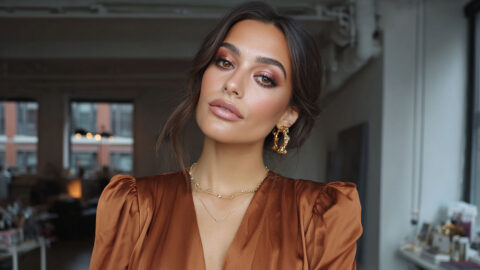
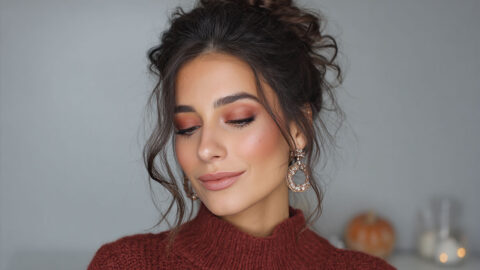
Korean makeup looks are built on a philosophy most Western tutorials never teach you: the skin IS the makeup. Everything else, the gradient lips, the puppy liner, the barely-there blush, just whispers on top of a prepped, glowing base.
That approach has turned K-beauty into a $14.69 billion global market, with brands like Romand, Laneige, and 3CE showing up in bathroom cabinets from Seoul to Los Angeles.
This guide breaks down each technique, from the glass skin base and aegyo-sal placement to cushion compact picks and common mistakes that trip up beginners. Whether you want an everyday natural look or something closer to K-pop stage glam, you’ll find the steps, products, and shade advice to get there.
What Is Korean Makeup?

Korean makeup is a skin-focused approach to beauty that treats the face like a canvas you want to see through, not cover up. The goal has always been to look like you woke up with perfect skin, flushed cheeks, and bitten lips.
Western makeup tends to build outward. Contour, sculpt, define. Korean makeup works inward. Blur, diffuse, soften.
The biggest tell? Gradient techniques. Instead of sharp lines on lips, eyes, and cheeks, Korean makeup uses color concentrated in one area that fades outward. Think of it as the difference between coloring inside the lines and deliberately letting color bleed past them.
This whole philosophy sits on top of K-beauty skincare. You can’t get the glass skin finish, that bouncy, light-catching surface, without layered hydration underneath. Which is partly why the global K-beauty market hit $14.69 billion in 2024, according to IMARC Group, and is growing at nearly 9% annually.
K-pop idols and K-drama actresses made this style global. BLACKPINK, aespa, TWICE, and actors like Song Hye-kyo turned Korean makeup from a regional preference into something people recreate in bedrooms from Jakarta to Los Angeles.
But here’s what catches people off guard. Korean makeup is not one look. It’s a system. And within that system, you’ll find everything from a barely-there no-makeup makeup look to full K-pop stage glam with rhinestones and colored contacts.
The common thread is restraint in the base and intention in the color. Your skin does the talking. Color just whispers on top.
The Glass Skin Base

Glass skin is the signature. Every Korean makeup look, whether it’s a soft everyday face or a full editorial shoot, starts with skin that looks wet without being oily.
And no, you can’t fake it with highlighter alone. Took me a long time to figure that out.
Building the Base Layer by Layer
The prep matters more than the products. Korean base makeup follows a specific layering order:
- Hydrating toner: patted (not wiped) into damp skin to start the moisture stack
- Essence or serum: lightweight hydration that plumps skin before any pigment goes on
- Moisturizer: sealed in with a gel-cream, never anything too heavy
- Sunscreen: always, always, always. SPF 50+ PA++++ is standard in Korea
- Primer: a thin layer, usually with a dewy or blurring finish
Skincare is literally 65% of K-beauty revenue, according to Grand View Research. That’s not an accident. The base IS the look.
Cushion Compacts, BB Creams, and Skin Tints
Amorepacific invented the cushion compact format, and it basically changed how the rest of the world thinks about foundation application. A sponge soaked in liquid product, pressed onto skin with an air puff. Sheer, buildable, fast.
The cushion compact market was valued at $2.8 billion in 2024, with Asia Pacific holding roughly 52% of that, per ResearchIntelo. Korean brands still dominate. Laneige Neo Cushion, Sulwhasoo Perfecting Cushion, and Espoir Pro Tailor Be Glow are the workhorses.
BB creams offer slightly more coverage but still feel like skincare. CC creams color-correct. Skin tints are the lightest option and honestly the one most Korean women grab for daily wear.
The point is never full coverage. Spot conceal where you need to (concealer on blemishes and undereyes only) and let everything else show through.
Dewy Finish vs. Matte Finish in Korean Makeup
Dewy is the default. The chok-chok (bouncy, hydrated) look rules Korean beauty. But matte isn’t dead here.
| Finish | Best For | Setting Method | Popular With |
|---|---|---|---|
| Dewy | Normal to dry skin | Minimal powder, setting spray | Everyday looks, K-drama style |
| Semi-matte | Combination skin | Light translucent powder on T-zone | Office wear, photography |
| Matte | Oily skin, stage | Full setting powder application | K-pop performances, summer |
Most people land somewhere in the middle. Dewy on the cheekbones, lightly set on the forehead and nose. That hybrid finish is what you actually see on most Korean women walking through Myeongdong.
Korean Gradient Lip Techniques

If there’s one technique that defines Korean makeup more than any other, it’s the gradient lip. Color concentrated at the center of the lips, fading outward toward the edges. It makes your mouth look softer, smaller, and naturally flushed.
The lip stain market reached $7.51 billion in 2024 according to The Business Research Company, and Korean-style tints are a massive driver of that growth.
How the Classic Gradient Lip Works
Step one: blur your natural lip line. Most Korean artists use a tiny bit of concealer or foundation tapped over the outer edges of the lips. This erases the hard border.
Step two: apply a lip tint or stain to the inner center of both lips. Just the middle third.
Step three: press your lips together and gently blend outward with your finger or a lip brush. You’re not dragging color to the edges. You’re diffusing it so it fades naturally.
That’s it. The result looks like you’ve been eating berries. Or biting your lips in the cold. It reads as effortless, which is exactly the point.
Lip Product Types for Korean Looks
Not every type of lip product works for gradient application. Here’s what does and what doesn’t:
Lip tints are the gold standard. Romand Juicy Lasting Tint, Peripera Ink Velvet, and 3CE Blur Water Tint all build gradient effects easily because they’re fluid, staining formulas.
Lip stains work well for a longer-lasting finish because they deposit color into the skin rather than sitting on top. Great for the inner lip, then topped with a clear gloss.
Matte bullet lipsticks can work but they’re trickier. You have to warm the product on your finger first and dab it rather than swipe. Otherwise you get a hard edge.
Lip gloss alone won’t create a gradient because it’s too slippery. But layered over a stain? That’s how you get the glass-lip-meets-gradient look that’s been trending.
MLBB and Korean Lip Color Families
MLBB stands for “my lips but better.” It’s the Korean lip color philosophy in four words.
The shade families that dominate:
- Dried rose and mauve: the most universally flattering MLBB tones
- Coral and peach: huge in spring and summer, especially with warmer undertones
- Brick red and terracotta: fall favorites that pair well with muted eye looks
- Fruit tones (strawberry, fig, plum): newer trend, driven by brands like Romand and Amuse
Mintel research found that “tint,” “glow,” and “pink” are now the rising keywords in Korean lip searches, while “matte” and “red” are declining. The shift reflects that demand for natural, dewy lip looks keeps growing.
When picking the right shade, lean toward colors close to your natural lip tone but slightly more saturated. That’s the MLBB sweet spot.
Soft Eye Makeup Looks

Korean eye makeup is built on one principle: the eyes should look bigger, rounder, and more awake. Not sharper. Not more defined. Bigger.
That’s a fundamentally different goal than Western eye makeup, which often goes for lift and definition.
Puppy Eyes vs. Cat Eyes in Korean Makeup
The puppy eye drags liner slightly downward at the outer corner. The cat eye flicks upward. In Korean makeup, puppy eyes win almost every time.
Why puppy eyes dominate: they make the eye appear wider and rounder, giving that youthful, approachable look Korean beauty prioritizes. The slight downward pull at the outer corner softens the entire face.
You’ll still see cat eye liner on K-pop stages and in editorial shoots. But for everyday Korean makeup? Puppy liner with a thin brown pencil is the standard move. Black liner is actually less common than you’d think for daily wear.
Monolid and Double Eyelid Techniques
Both monolids and double eyelids are common in Korea, and the makeup approach differs for each.
Monolid technique: eyeshadow gets placed higher, sometimes extending above the crease area, because the lid fold conceals product when the eye is open. Shimmer on the center of the lid catches light and creates dimension. Liner stays thin or is applied only to the outer third, since a full line can disappear into the fold and look heavy when visible.
Double eyelid technique: shadow can sit in the crease more traditionally. Gradient washes of brown and taupe are standard. Liner can be thicker without overwhelming the eye.
Korean eyeshadow palettes from brands like Romand Better Than Eyes, Etude House Play Color Eyes, and Clio Pro Eye Palette are designed with both eye shapes in mind. Lots of muted browns, warm mauves, and soft shimmers. Way fewer dark smoky shades than you’d find in Western palettes.
Aegyo-Sal Application
This is the technique that confuses people the most. Aegyo-sal means “cute skin” or “charming fat,” and it refers to the small puff of fat directly under the lower lash line. In Korea, having visible aegyo-sal is considered attractive because it makes the eyes look bigger and more youthful.
How to create it:
- Apply a light shimmer shade directly under the lower lash line, focusing on the area from the inner corner to the middle of the eye
- Use a slightly darker shade (matte taupe or light brown) just below that shimmer strip to create a subtle shadow that mimics the natural crease of the undereye fat pad
- Blend carefully. The line between “cute aegyo-sal” and “I didn’t sleep” is about two millimeters
The shadow line is where people mess up. Too dark and it looks like undereye bags. Too wide and it reads as tired, not youthful. Keep it tight and subtle.
Korean Blush Placement and Styles

Blush placement in Korean makeup breaks every Western rule you’ve been taught. Forget contouring the hollows of your cheeks. Forget sweeping color along the cheekbone toward the temple.
Korean blush goes on the apples. Sometimes the nose. Sometimes directly under the eyes. It’s about looking naturally flushed, not sculpted.
Center-of-Cheek and Under-Eye Placement
The standard Korean blush placement puts color on the roundest part of the cheek, right where you’d flush if you were embarrassed or cold. Smile, find the highest point, and dab there. That’s it.
For a softer finish, cream and liquid formulas work better than powder. They melt into the dewy base instead of sitting on top of it. Romand See-Through Velvet Tint (used as blush), 3CE Take A Layer Multi Pot, and Amuse Dew Tint are popular picks.
The under-eye placement, sometimes called hangover blush, puts a wash of color just below the lower lash line and onto the upper cheek. It looks like you’ve been crying (in a cute way) or just came inside from the cold. Sounds weird. Looks surprisingly good.
Sunburn Blush and Nose Blush Trends
Sunburn blush drapes color across the nose bridge, connecting both cheeks. The result mimics a mild sunburn. You apply it with a liquid or cream formula, tapping color across the nose and onto the cheekbones in a horizontal band.
Nose-only blush is a smaller version. Just a dab of color on the tip and sides of the nose. It gives the face a cartoon-like cuteness that photographs really well. Very popular in kawaii-inspired looks.
Both trends lean on the same idea. Warmth should look accidental, not placed.
Matching Blush to Lip Color

This is the detail that separates a Korean look from someone just wearing Korean products. The blush and lip color should live in the same family.
| Lip Shade Family | Blush Match | Effect |
|---|---|---|
| Peach / coral tint | Warm peach cream blush | Fresh, spring energy |
| Dried rose / mauve | Dusty pink blush | Soft, romantic |
| Brick / terracotta | Warm brown or sienna blush | Autumn warmth |
| Berry / plum | Cool-toned mauve blush | Deeper, evening-ready |
Monochromatic color matching is the Korean makeup cheat code. When your lips, cheeks, and even eyeshadow share the same tonal family, the whole face reads as cohesive instead of “wearing makeup.”
Korean Natural “No-Makeup” Makeup Look

This is the most requested Korean look and also the hardest to pull off. The goal: look like you did absolutely nothing but somehow have perfect skin, slightly rosy cheeks, and naturally pink lips.
It takes about 15 products to look like you’re wearing none. The irony isn’t lost on anyone.
The Full Routine Breakdown
Skincare prep is non-negotiable here. Cleanse, tone, moisturize, SPF. Then:
Base: skin tint or the lightest BB cream you own, applied with fingers in thin layers. Only where you need evening out. Applying makeup to achieve a natural result means leaving some of your actual skin texture visible.
Concealer: spot correction only. Blemishes, redness around the nose, and undereye darkness. Blend edges with a damp makeup sponge until they disappear.
Brows: soft, straight brows filled with a shade matching your hair color. Korean brow shaping avoids the high arch. Think horizontal with a very gentle curve.
Eyes: one wash of matte light brown across the lid. Maybe a thin line of brown pencil along the upper lash line, smudged. Curl lashes well and apply one thin coat of mascara, or use a clear formula.
Cheeks: one tiny dab of cream blush on each apple, blended out with fingers.
Lips: tinted lip balm or the shearest lip tint you have. Just enough color to look alive.
Why This Look Takes More Skill
Full glam is forgiving. If your eyeshadow is slightly uneven, the volume of color hides it. A bold lip distracts from imperfect skin.
The no-makeup look has nowhere to hide. Every product choice shows. Too much base and you look cakey. Too much brow and it dominates your face. Wrong concealer shade and it’s immediately obvious.
This is why Korean beauty spends so much on lip care routines and skincare. The less makeup you wear, the more your actual skin has to deliver. South Koreans spend $299 per person annually on beauty and personal care products, per Statista, and most of that budget goes toward maintaining the canvas itself.
If you’re just starting out, the clean girl approach shares a lot of DNA with Korean natural makeup. Minimal products, glowing skin, everything blended until there are no edges left.
K-Pop Idol Stage Makeup Looks

Stage makeup is where Korean makeup drops the subtlety. Under concert lighting and HD cameras, the soft, natural approach disappears. Everything gets louder.
BLACKPINK’s makeup director Lee Myung Sun put it simply: natural makeup would get lost under flashy stage lighting. So the rules change.
What Makes Stage Makeup Different
Higher pigment across the board. Foundation goes from skin tint to medium-coverage cushion. Eyeshadow gets packed on, not sheered out. Lip color jumps from MLBB to saturated berry or red.
Colored contact lenses are standard for performances. They enlarge the iris and shift eye color to match a comeback concept.
Glitter and rhinestone accents around the eyes are common on groups like aespa and IVE. These read as tiny flashes of light under stage conditions, where subtlety gets swallowed.
Korean cosmetics exports hit $10.2 billion in 2024 according to Korea’s Ministry of Food and Drug Safety, and color cosmetics (including stage-ready products) are one of the fastest-growing categories, with lipstick and lip gloss output alone rising 51.4%.
Concert and Event-Ready Korean Looks
Base: matte or semi-matte finish, set heavily with translucent powder so it holds under heat and sweat
Eyes: deeper shadow placement, sharper liner (sometimes even winged liner), and false lashes or dramatic mascara layering for visible definition from a distance
Lips: full-coverage liquid lip products that won’t transfer during performances, often in gradient or solid bold shades
Finish: strategic highlight on cheekbones and nose bridge, applied with a cream formula for reflection under lights
If you want to recreate this for a concert or event, the key is switching from sheer formulas to opaque ones while keeping the gradient placement techniques the same. Korean stage looks still follow the same architecture. They just turn the volume up.
Korean Makeup for Different Skin Tones

This has been K-beauty’s biggest blind spot, and the industry knows it.
Most Korean makeup was originally made for the domestic market, which skewed toward a narrow range of light to medium skin tones. That’s changed fast.
How Brands Are Expanding Shade Ranges
Tirtir is the standout case. Its Mask Fit Red Cushion launched in 2023 with just three shades. After pressure from Western influencers who couldn’t find a match, the brand expanded to nine shades in 2024. According to CNN, the cushion now comes in 40 shades, with custom options reaching up to 150.
Parnell followed with 40 shades for its Cicamanu Serum Foundation. Clio added new shades specifically for its expansion into the Philippines.
Amorepacific introduced an in-store robot that matches foundation across more than 100 shades, per Mordor Intelligence reporting.
Adapting Korean Techniques for Deeper Skin
| Technique | Adjustment for Deeper Skin |
|---|---|
| Gradient lip | Use deeper MLBB shades; apply concealer sparingly on outer edges since contrast is less visible |
| Glass skin base | Skip ashy BB creams; opt for sheer, tone-correct products from global K-beauty lines |
| Aegyo-sal | Shimmer works well, but avoid white-toned highlights; gold or bronze looks more natural |
| Blush placement | Deeper blush shades in plum, berry, or warm sienna show better on richer skin |
Creators like Golloria and Miss Darcei have been critical in pushing Korean brands toward inclusivity. Their product reviews and feedback directly shaped Tirtir’s shade expansion, proving that the Korean look translates across skin tones when the right products exist.
Undertone Matching in Korean Products
Korean base products historically lean pink or yellow. If you have olive undertones, many cushion compacts will look off unless you test carefully.
Warm undertone tip: look for products labeled “warm” or “sand” in Korean shade naming. Brands like Espoir and Amuse tend to include neutral-warm options more consistently than some older lines.
Cool undertone tip: “porcelain” and “ivory” shades run cooler. For lip products, cool-toned shades in mauve and berry work well with the gradient technique.
Korean Makeup Products Worth Knowing

You don’t need a 40-step haul. But certain Korean products do things that Western equivalents just don’t, or at least not at the same price point.
Korean cosmetics production reached a record 17.54 trillion won ($12.8 billion) in 2024, per Korea’s Ministry of Food and Drug Safety. Here’s where that output actually matters for your face.
Cushion Compacts and Base Products
- Laneige Neo Cushion Glow: the office-to-evening workhorse, dewy finish, SPF 50+
- Sulwhasoo Perfecting Cushion: premium, traditional herbal ingredients, medium coverage
- Espoir Pro Tailor Be Glow: wider shade range than most, buildable
- Tirtir Mask Fit Red Cushion: the one that went viral for shade expansion, now 40 shades
Lip Tints and Lip Color
Lip and nail makeup products are growing at 6.98% CAGR through 2031 in South Korea, according to Mordor Intelligence. Lip tints drive most of that growth.
Romand Juicy Lasting Tint: the gateway product. Juicy, staining, under $10. Just about everyone in Korea owns at least one shade.
Peripera Ink Velvet: velvety matte that blends into a perfect gradient. Comes in enough shades to match any warm or cool preference.
3CE Blur Water Tint: watercolor-like texture, feels like nothing on the lips. The blending practically happens on its own.
Amuse Dew Tint: vegan formula, great for the glossy-gradient hybrid that’s been trending.
Eyeshadow Palettes and Eye Products

Romand Better Than Eyes: small quads with a matte, a shimmer, and a glitter. Built specifically for easy daily looks.
Clio Pro Eye Palette: bigger range, better for creating both everyday and evening looks. Solid pigment for the price.
Etude House Play Color Eyes: comes in themed colorways (cherry blossom, wine, etc.) that make shade selection foolproof.
Where to Buy Korean Makeup Outside Korea
Olive Young’s global online platform had 4.53 million registered members by end of 2025, with delivery to over 150 countries. The company is opening its first U.S. brick-and-mortar store in Pasadena, California.
Online options:
- Olive Young Global (largest Korean selection, regular sales events)
- Stylevana (ships internationally, stocks most major brands)
- YesStyle (wide range, though shipping times vary)
- Amazon (growing K-beauty selection, check seller authenticity)
In-store: Sephora doubled its K-beauty lineup in 2025. Ulta Beauty now carries K-beauty through Landing International’s curated section across all 1,451 locations.
Common Mistakes When Trying Korean Makeup
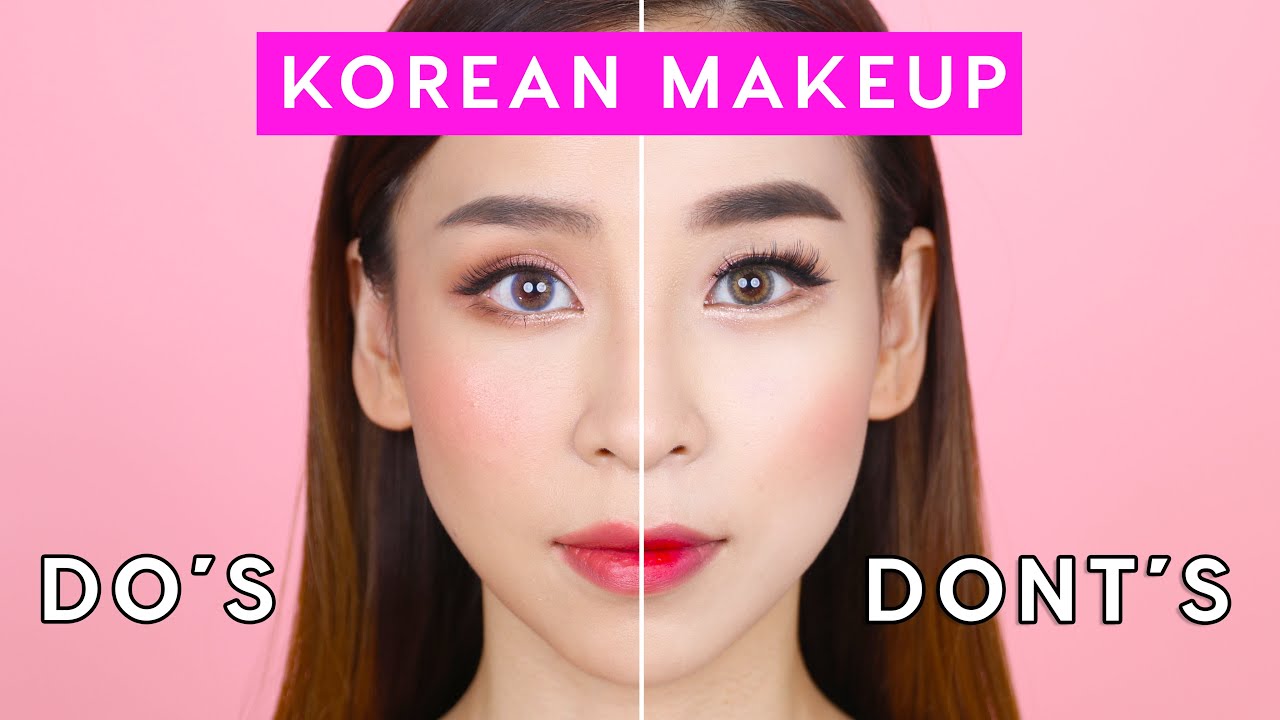
The techniques look simple on screen. They’re not. Most mistakes come from applying Western habits to a Korean framework.
Too Much Base Product
The number one mistake. Korean makeup depends on skin showing through. If you’re layering foundation the way you would for a full glam look, the whole concept falls apart.
The fix: use a skin tint or the lightest setting on your cushion compact. Apply one layer. If you need more coverage, spot conceal and leave the rest alone.
Mismatched Placement
Western blush contours the cheekbone. Korean blush sits on the apple. Using one placement style with the other’s eye and lip technique creates a look that doesn’t belong to any particular system. It reads as “off” without being obviously wrong.
Same with eyeliner. A sharp cat eye with a gradient lip and center-cheek blush? Those don’t go together in the Korean framework. The liner needs to follow the puppy-eye direction to keep everything cohesive.
Skipping Skincare Prep
You can’t get the dewy, glass-like finish with makeup alone. Products will sit on top of the skin and look patchy without proper hydration underneath.
Almost 70% of South Koreans say they’ll pay more for products that simplify their routine, per Mintel data. But they don’t skip the routine itself. The dewy look comes from prepped skin, not piled-on product.
Wrong Undertone in Korean Products
Many Korean BB creams and cushions pull pink or grey on skin tones they weren’t designed for. This is especially common with products from older lines that haven’t updated their shade science.
Always swatch on your jaw, not your hand. And if the product looks chalky or ashy after 10 minutes, it’s the wrong undertone, not the wrong coverage level. When in doubt, matching to your actual skin tone matters more than matching to a trend.
Overdoing the Aegyo-Sal
The shimmer highlight under the eye should be a thin strip, no wider than your lower lash line. The shadow crease below it should be barely visible.
Go too heavy and you get the opposite of the intended effect. Instead of looking youthful and bright-eyed, you look tired. Blend with a small brush, not your finger, for control. And step back from the mirror to check. If you can see the line from three feet away, it’s too much.
FAQ on Korean Makeup Looks
What makes Korean makeup different from Western makeup?
Korean makeup focuses on a dewy, skin-first base with gradient color placement on lips, eyes, and cheeks. Western makeup typically builds toward full coverage and sharp definition. Korean techniques blur and diffuse color for a softer, more natural result.
What is the glass skin look?
Glass skin is a finish where your complexion looks smooth, hydrated, and reflective, like light bouncing off glass. It comes from layered skincare prep topped with a sheer base product like a cushion compact or BB cream.
How do you do Korean gradient lips?
Apply concealer or foundation to blur your lip edges. Dab a lip tint on the inner center of both lips. Press lips together and blend outward with your finger. The color should fade toward the edges.
What products do Korean makeup artists use most?
Cushion foundations from Laneige and Sulwhasoo, lip tints from Romand and Peripera, eyeshadow palettes from Clio and Etude House, and cream blushes from Amuse and 3CE. Most are available through Olive Young Global.
Is Korean makeup suitable for all skin tones?
The techniques work on every skin tone. The product shade range has been the issue, though brands like Tirtir now offer 40 cushion shades. Adapting undertone choices and blush depth makes Korean looks work across diverse complexions.
What is aegyo-sal in Korean makeup?
Aegyo-sal is the small undereye puff that makes eyes appear larger and more youthful. You create it by applying a shimmer highlight directly under the lower lashes, then adding a faint shadow line just below to mimic natural fullness.
How long does a Korean makeup routine take?
A basic everyday Korean look takes about 10 to 15 minutes, including skincare prep. The no-makeup makeup version is faster once you know the steps. K-pop stage looks take significantly longer due to layering and precision work.
What is the best Korean makeup for beginners?
Start with a cushion compact for the base, one Romand or Peripera lip tint, and a cream blush. These three products cover the core of most Korean looks. Add a brown eyeliner pencil once you’re comfortable with the base routine.
Why do Korean makeup looks focus so much on skincare?
Because less makeup means your actual skin shows. The dewy finish Korean looks depend on comes from hydrated, well-prepped skin, not piled-on product. Korean beauty spending reflects this, with skincare taking the largest share of budgets.
Can you wear Korean makeup to work or formal events?
Absolutely. The natural, skin-focused approach is ideal for professional settings and formal events. It reads as polished without looking heavy. For evening occasions, increase lip color intensity and add a shimmer shadow for dimension.
Conclusion
Korean makeup looks come down to one thing: letting your skin do the work and keeping everything else soft, blurred, and intentional. The gradient lip, the puppy eye liner, the chok-chok base. None of it works without understanding the placement and restraint behind each step.
Brands like Peripera, Etude House, and Amuse have made these techniques accessible at every price point. And with Olive Young expanding into the U.S. and platforms like Stylevana shipping globally, the product gap is closing fast.
Start with a cushion compact, one lip tint, and a cream blush. Master the base first. The rest builds naturally from there.
Korean beauty rewards patience with your skin. Not perfection with your products.

She started writing on the site after fielding the same questions from clients and friends often enough to just write the answers down: which red won't turn orange on a warm undertone, how to keep lipstick from feathering into fine lines, why a "12-hour" formula rarely survives dinner.
Every review on the site follows the same rule she uses with paying clients: wear it first, then decide if it's worth recommending.
- How to Make Eyeliner Last Longer Without Smudging - August 31, 2026
- How to Make Eyeshadow Last Longer All Day - August 29, 2026
- How to Find Your Undertone in 5 Easy Steps - August 27, 2026