

Summarize this article with:
Your eyeshadow palette holds dozens of shades. But somehow you keep reaching for the same three.
Eyeshadow makeup looks range from a simple wash of color to complex cut creases that take real skill. The difference between amateur and polished comes down to technique, color placement, and knowing which look suits your eye shape.
This guide covers the major eyeshadow styles, from smokey eyes to halo techniques.
You will learn how to choose looks based on your eye shape, which finishes work for different occasions, and what colors complement brown, blue, green, and hazel eyes.
No fluff. Just practical steps to make those untouched palette shades finally earn their keep.
What is an Eyeshadow Makeup Look

An eyeshadow makeup look is a specific style or technique of applying pigmented powder, cream, or liquid formulas to the eyelids and surrounding areas.
Each look follows a particular color placement pattern and blending method to create depth, dimension, or drama around the eyes.
Some looks stay subtle with neutral tones. Others go bold with shimmer shadow and glitter particles.
The difference between a smokey eye and a cut crease comes down to where you place color and how you blend it.
What Are the Different Types of Eyeshadow Looks
Smokey Eye Look
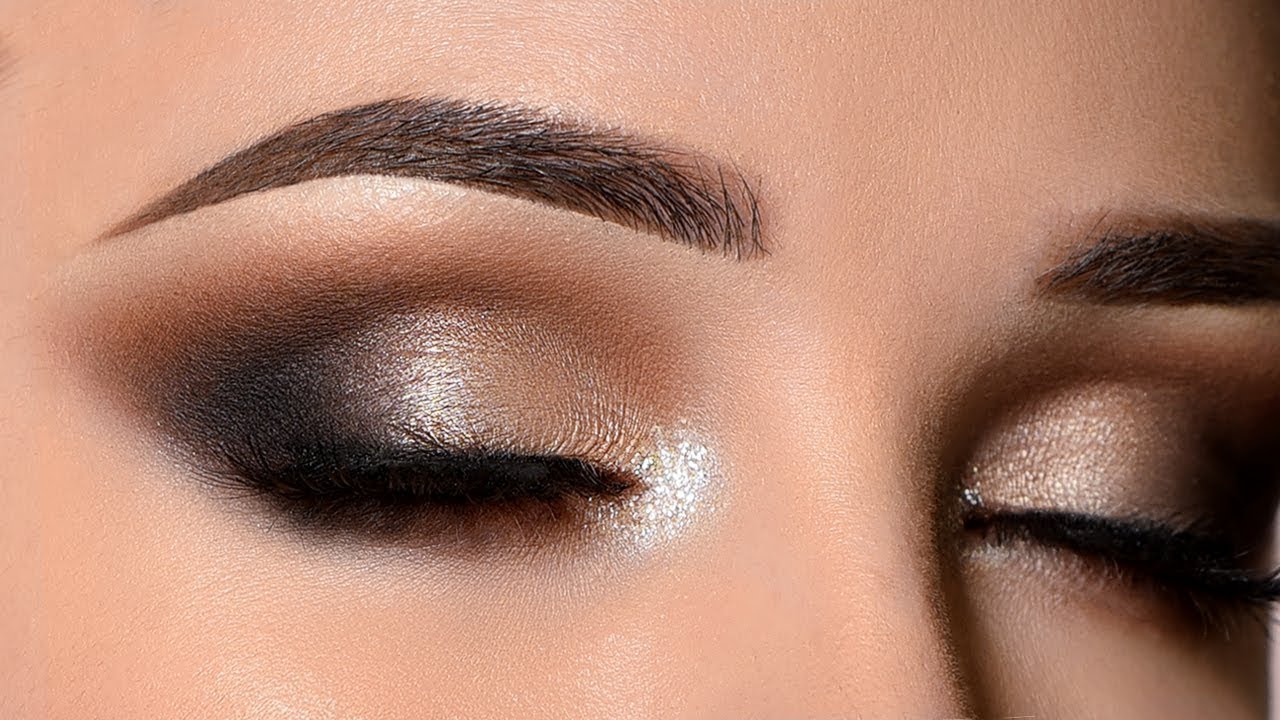
The smokey eye uses dark shades concentrated at the lash line, gradually fading lighter toward the brow bone.
Works on every eye shape. Best for evening events, date nights, and glam occasions.
Cut Crease Look
A sharp line of contrasting color “cuts” across the crease, separating lid color from the socket area.
Ideal for monolid eyes and hooded eyes where the natural crease disappears when eyes open. Requires concealer and a flat shader brush for clean edges.
Halo Eye Look
Dark shades frame the inner corner and outer V while a lighter shimmer shade sits in the center of the lid.
Creates a spotlight effect that makes eyes appear rounder and more awake.
Natural Eyeshadow Look
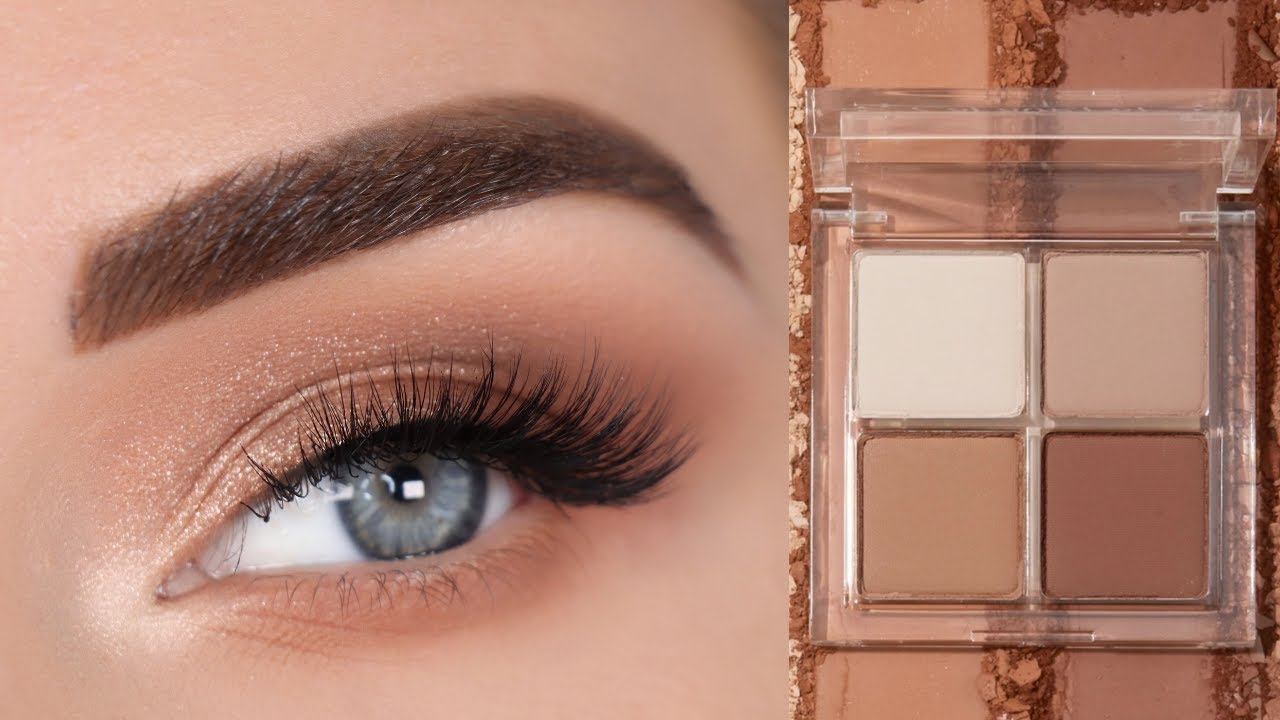
Flesh-toned matte finish shadows that barely show up. Think “your lids but better.”
Perfect for office settings, interviews, and anyone who wants natural makeup without looking washed out.
Gradient Eyeshadow Look
Three or more colors blend horizontally from inner corner to outer corner, each shade transitioning smoothly into the next.
Popular for colorful makeup and editorial eye looks.
Monochromatic Eyeshadow Look
One color family in varying depths across lid, crease, and brow bone.
Copper tones for warm eyeshadow shades. Plum and mauve for cool tone eyeshadow. Simple to execute, hard to mess up.
How to Choose an Eyeshadow Look for Your Eye Shape
What Eyeshadow Looks Work for Hooded Eyes

Keep darker shades above the crease where they stay visible when eyes open. Cut creases and halo eyes work well.
Avoid heavy lid color that disappears into the fold.
What Eyeshadow Looks Work for Almond Eyes
Lucky you. Almond shapes suit almost every technique from soft glam to intense pigmentation.
Focus on enhancing your natural shape rather than correcting it.
What Eyeshadow Looks Work for Monolid Eyes

Gradient looks and cut creases create dimension where there is no visible crease.
Place transition shade higher than typical tutorials suggest since the fold covers most of the lid space.
What Eyeshadow Looks Work for Round Eyes
Elongate with shadow concentrated on the outer V and outer corner. Smokey eyes with a horizontal pull work great.
Avoid too much color on the center lid which emphasizes roundness.
What Eyeshadow Looks Work for Deep Set Eyes

Light shimmer shades on the lid bring eyes forward. Keep dark colors minimal in the crease.
Heavy smokey eyes can make deep set eyes appear smaller.
What Tools Do You Need for Eyeshadow Application

Basic toolkit:
- Eye primer or concealer base for longevity
- Fluffy crease brush for blending
- Flat shader brush for packing color
- Small pencil brush for outer V detail
- Setting spray for crease-proof formula results
Brands like Urban Decay, Morphe, and MAC Cosmetics make dedicated eyeshadow primer that extends wear time significantly.
An eyeshadow palette with matte and shimmer options covers most looks. Anastasia Beverly Hills and Natasha Denona palettes offer strong pigment payoff.
How to Apply Eyeshadow Step by Step

How to Prime Eyelids Before Eyeshadow
Apply a thin layer of primer from lash line to brow bone. Let it set for 30 seconds before adding color.
Skipping this step means creasing by noon, especially on oily lids.
How to Place Transition Shade on the Crease
Use a fluffy blending brush and a matte shade two tones deeper than your skin.
Windshield wiper motions through the crease. Build gradually. This shade connects everything.
How to Apply Lid Color
Pack color onto the lid with a flat brush using pressing motions, not swiping.
Shimmer shadow and metallic eyeshadow need a damp brush or glitter glue for maximum buildable coverage.
How to Blend Eyeshadow Properly
Clean blending brush, small circular motions where colors meet. No harsh lines should remain.
If colors turn muddy, you over-blended. Less is more with proper blending technique.
How to Set Eyeshadow to Prevent Creasing
Mist setting spray from arm’s length. Some people dust translucent powder over primer before shadow application.
The inner corner highlight goes on last since it catches fallout from other steps.
What Eyeshadow Finishes Exist

Matte Eyeshadow
Zero shine, zero shimmer. Matte finish shadows work best for crease colors and transition shades where you need soft diffusion without sparkle.
Easier to blend than other finishes. The go-to for everyday looks and professional settings.
Shimmer Eyeshadow
Fine light-reflecting particles create a soft glow without chunky glitter. Most eyeshadow palettes include shimmer options for lid application.
ColourPop and Too Faced make some of the most blendable shimmer formulas on the market.
Metallic Eyeshadow
High-shine, foil-like finish with intense color payoff. Best applied with a damp flat brush or fingertip for maximum impact.
Pat McGrath Labs basically invented the modern metallic eyeshadow trend. Perfect for gold looks and evening events.
Satin Eyeshadow
The middle ground between matte and shimmer. Subtle sheen without obvious sparkle particles.
Flattering on mature skin where heavy shimmer settles into fine lines.
Glitter Eyeshadow
Chunky sparkle particles that catch light dramatically. Requires glitter glue or concealer base to prevent fallout.
Save these for glitter looks, festivals, and nights when subtlety takes a backseat.
What Eyeshadow Formulas Are Available

Powder Eyeshadow
Pressed powder remains the most popular formula. Easy to blend, layer, and correct mistakes.
Loose pigments offer more intense color but create more fallout. NYX Professional Makeup and Maybelline offer affordable pressed options.
Cream Eyeshadow
Cream formula applies smoothly with fingers and sets to a long-wearing finish. Charlotte Tilbury and Bobbi Brown make standout cream shadows.
Works as a base under powder shadows or alone for quick one-and-done looks.
Liquid Eyeshadow
Fast-drying, high-shine formulas that set within seconds. No blending window, so work quickly.
Stila and NARS Cosmetics offer liquid shadows with serious staying power.
Stick Eyeshadow
Twist-up crayons that glide across lids. Travel-friendly, beginner-friendly, mess-free.
L’Oreal Paris and Laura Mercier make stick formulas that double as easy eye makeup solutions.
What Colors Complement Different Eye Colors
What Eyeshadow Colors Suit Brown Eyes

Brown eyes pop with contrast colors: purple tones, bronze, gold, and forest green.
Warm eyeshadow shades like copper and burgundy intensify the warmth in brown eyes.
What Eyeshadow Colors Suit Blue Eyes
Orange-based shades make blue eyes appear more vivid. Think copper, peach, warm browns, and terracotta.
Cool tone eyeshadow in silver or icy pink creates a striking monochromatic effect.
What Eyeshadow Colors Suit Green Eyes

Purple and plum shades sit opposite green on the color wheel, creating maximum contrast for green eyes.
Warm brown tones, rose gold, and burgundy also enhance green beautifully.
What Eyeshadow Colors Suit Hazel Eyes
Hazel shifts between green and brown, so both color families work. Green shadows pull out green flecks; warm browns highlight golden tones.
Experiment with both warm and cool palettes to see which direction your hazel leans.
What Are Common Eyeshadow Mistakes to Avoid
Skipping primer: Shadows crease, fade, and disappear by midday without a proper base.
Wrong brush size: A brush too large for your eye shape deposits color everywhere except where you want it.
Ignoring fallout prevention: Apply eye makeup before foundation, or hold a tissue under your eye to catch loose pigments and glitter particles.
Over-blending: Colors turn muddy and lose definition. Blend just until harsh lines disappear.
Mismatched undertones: Cool-toned shadows on warm skin (and vice versa) look disconnected from your overall neutral makeup.
Same finish everywhere: Mix matte and shimmer. All shimmer looks flat; all matte lacks dimension.
Forgetting the lower lash line: A touch of shadow or smudged liner along the waterline ties the whole look together.
FAQ on Eyeshadow Makeup Looks
What is the easiest eyeshadow look for beginners?
A one-color wash using a single matte finish shade across the lid. Blend edges with a fluffy brush. No crease work needed. Maybelline and ColourPop palettes offer beginner-friendly formulas with good pigment payoff.
How do I make eyeshadow last all day?
Always use an eye primer before application. Let it set for 30 seconds. Layer powder shadow over cream bases for extra grip. Finish with setting spray. This prevents creasing and fading on oily lids.
What eyeshadow looks best for hooded eyes?
Cut crease and halo eye techniques work well because color stays visible when eyes open. Place your transition shade above the natural crease. Avoid heavy lid color that disappears into the fold.
Can I wear colorful eyeshadow to work?
Muted tones like dusty rose, soft mauve, or terracotta read professional while adding interest. Keep shimmer minimal. A single pop of color on the lid with neutral crease shades balances simple makeup with personality.
What brushes do I need for eyeshadow application?
Start with three: a fluffy blending brush for crease work, a flat shader brush for packing lid color, and a small pencil brush for outer V detail. Morphe and MAC Cosmetics make quality affordable options.
How do I prevent eyeshadow fallout?
Tap excess product off your brush before applying. Do eye makeup before foundation so you can wipe away fallen particles. For glitter and loose pigments, hold a tissue under your eye during application.
What eyeshadow colors make brown eyes pop?
Purple, bronze, gold, and warm copper shades contrast beautifully with brown eyes. Burgundy and forest green also intensify warmth. Avoid matching brown shadow directly to your eye color since it flattens dimension.
How many eyeshadow shades do I need for one look?
Most looks use three to four shades: a base, transition shade, lid color, and optional highlight or deepening shade. Some easy looks need just one or two. Complex cut creases may use five or more.
Should I apply eyeshadow before or after foundation?
Apply eyeshadow first if using dark colors, glitter, or loose pigments. Fallout lands on bare skin and wipes away cleanly. For light looks with minimal fallout risk, the order matters less.
What is the difference between shimmer and glitter eyeshadow?
Shimmer shadow contains fine light-reflecting particles that blend smoothly. Glitter has larger, chunkier sparkle that requires glitter glue to stick. Shimmer works daily; glitter suits night out occasions and festivals.
Conclusion
Mastering eyeshadow makeup looks comes down to understanding your tools, your eye shape, and basic color theory.
Start with a quality eye primer. Build your skills with simple techniques before attempting dramatic cut creases or editorial styles.
The right blending technique transforms muddy shadows into seamless gradients. The right crease brush makes transition shade application effortless.
Whether you prefer soft looks for daytime or intense pigmentation for date nights, the fundamentals stay the same.
Brands like Anastasia Beverly Hills, Urban Decay, and Natasha Denona offer palettes that make experimentation easy.
Pick one new technique from this guide. Practice it three times. Then move to the next.
That unused palette deserves better than collecting dust.

- What Is Skin Tint and Why Everyone Is Obsessed - July 11, 2026
- What Is Foundation and How Do You Choose One? - July 6, 2026
- How to Make Blush Last Longer - July 3, 2026


