You have seven seconds. That is how long it takes for a hiring manager to form a first impression, and 55% of that judgment comes entirely from how you look.
Knowing how to do makeup for an interview is not about looking glamorous. It is about looking intentional.
The right professional makeup look tells the room you are prepared, detail-oriented, and aware of your environment. The wrong one pulls focus away from everything you actually want them to remember.
This guide covers everything: skin prep, foundation and concealer, setting techniques, eye and lip choices, industry-specific adjustments, and the mistakes that quietly undermine an otherwise strong first impression.
What Interview Makeup Is
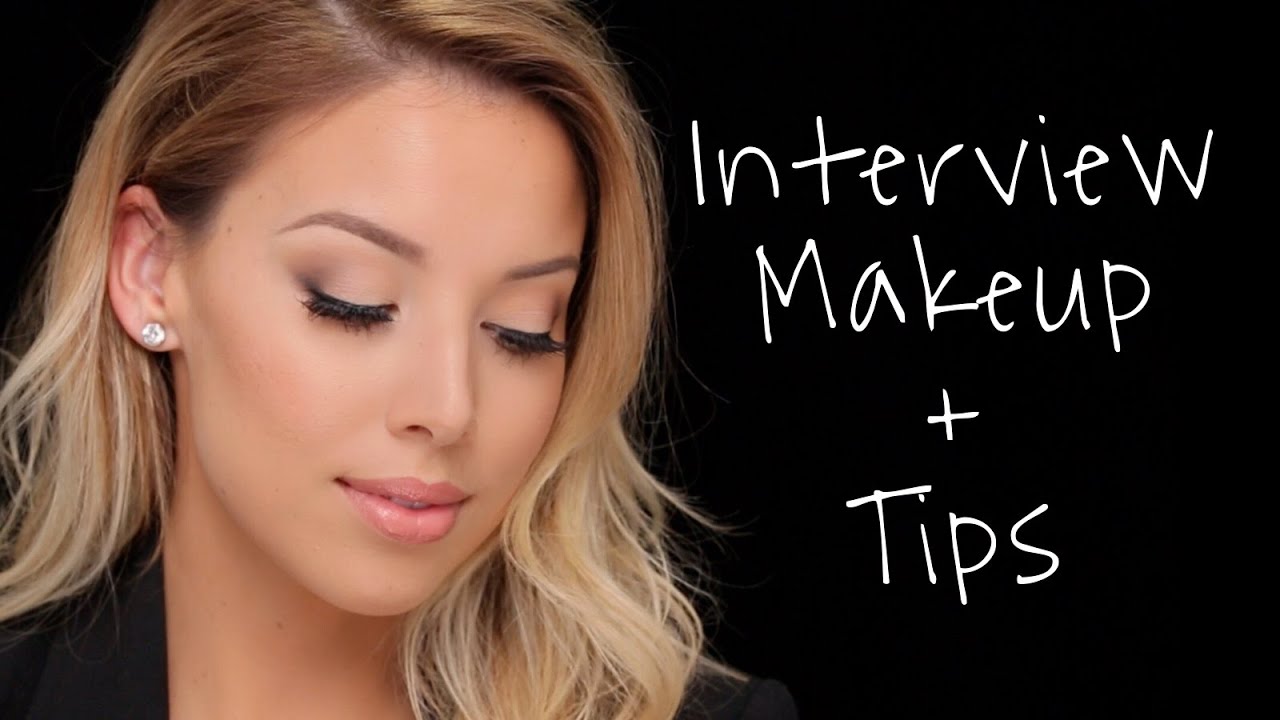
Interview makeup is polished, intentional, and invisible. The goal is not to showcase skill. It is to look put-together without the makeup itself becoming the topic of conversation.
Most people get this wrong. They either do too much (heavy contour, bold eye, statement lip) or too little (completely bare skin that reads as unprepared under harsh office lighting).
The benchmark is simple: would your face distract from what you are saying? If someone would walk away from the interview thinking about your eyeliner before your qualifications, something is off.
55% of first impressions come from visual appearance, according to research across multiple hiring surveys. Only 7% comes from the actual words spoken. That number alone should settle the debate on whether appearance matters.
Natural makeup looks are the default category for interview prep. Not minimal, not bare. Natural. There is a difference.
What Interview Makeup Is NOT
Not a showcase. Save editorial looks, heavy sculpting, and anything requiring significant blending time for another occasion.
Not a no-makeup makeup look either, at least not always. For industries like finance or law, slightly more defined skin and groomed brows read as more professional than a bare face.
- Full glam: too heavy, reads as evening
- Heavy contour with intense highlight: too sculpted for daytime professional
- Very bold lip with dramatic eye: forces the interviewer to look at the makeup
- Completely bare skin: can read as unpolished in traditional industries
Industry Context Changes Everything

A tech startup and a corporate law firm do not share the same definition of “appropriate.” Before picking a single product, think about the environment you are walking into.
| Industry | Makeup Approach | What to Avoid |
|---|---|---|
| Finance / Law | Classic, defined, neutral palette | Bold colors, glitter, heavy contouring |
| Creative fields | Expressive, allows color and individuality | Overly heavy or costume-like looks |
| Healthcare / Education | Minimal, functional, low-maintenance | Transfer-prone or easily smudged products |
| Tech / Startups | Clean, relaxed, polished casual | Overly formal or heavy coverage |
If you are not sure, research the company on LinkedIn. Look at photos of employees. The answer is usually right there.
Skin Prep Before Anything Else
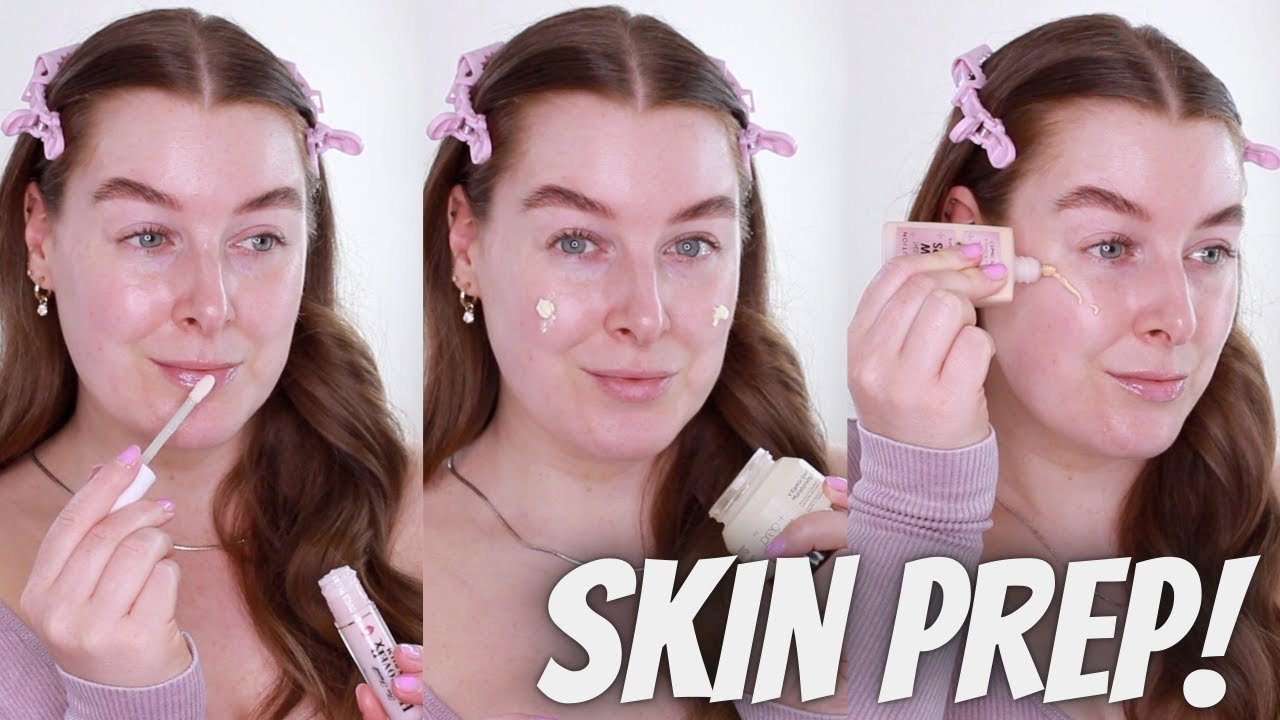
Skin prep is the step most people skip. It is also the reason foundation looks uneven by hour two.
The skin you put makeup on matters more than the makeup itself. Dry patches, excess oil, and uneven texture all show through foundation. Prep addresses those before a single drop of color goes on.
Moisturizer and Primer: The Order Matters
Moisturizer first, always. Let it absorb for at least five minutes before touching primer or foundation. Applying foundation over still-wet moisturizer is a common reason for pilling and patchy coverage.
Primer goes on after. Its job is to create a surface that makeup actually sticks to. The global foundation primer market reached USD 2.25 billion in 2024 (Wise Guy Reports), which tells you plenty of people already figured this step out.
- Pore-filling primer: silicone-based, best for oily or combination skin
- Hydrating primer: water-based, best for dry or sensitive skin
- Mattifying primer: controls oil, useful for T-zone management
Wait 30 to 60 seconds after applying primer before going in with foundation. It makes a real difference in how well everything holds.
What to Actually Do the Morning Of
Keep it simple. A full 10-step skincare routine the morning of an interview is not the move, especially if your skin is not used to those products.
Basic morning prep sequence:
- Gentle cleanser or water rinse
- Lightweight moisturizer suited to your skin type
- SPF (if not already in your moisturizer or primer)
- Primer, targeted to your main skin concern
Do not introduce new skincare the day of. One breakout from a new product on interview day is a situation that is very hard to fix quickly.
Timing: How Long Skin Prep Actually Takes
Realistically, 10 to 15 minutes. That includes application and wait time.
Factor this into your morning schedule. Rushing straight from moisturizer to foundation almost always results in uneven application or makeup that separates within a few hours.
Foundation and Concealer for a Long Day
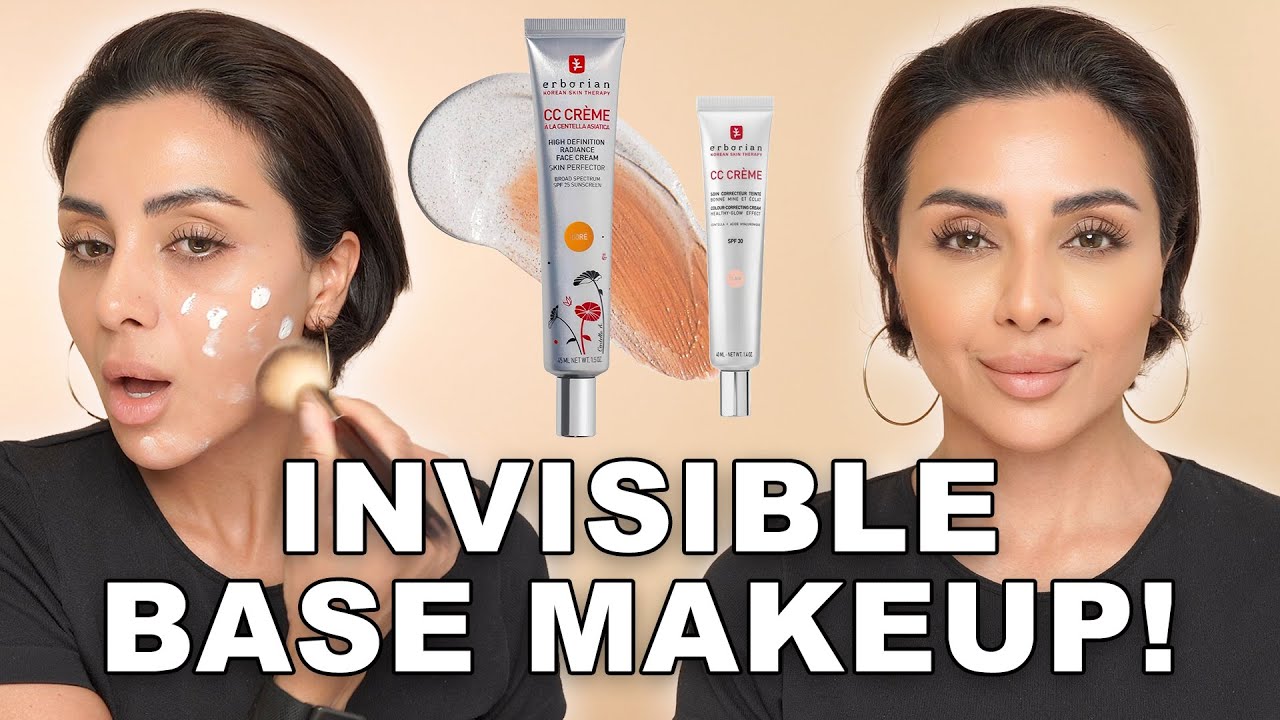
The average in-person interview lasts 45 to 90 minutes (Forbes). But with commute time, waiting rooms, and potentially multiple rounds, your foundation needs to look good for three to five hours minimum.
That changes the formula conversation entirely.
Coverage Level: What Actually Works
Medium coverage is the default for most interview settings. Full coverage tends to look heavy in person and even heavier under fluorescent office lighting.
Less is more applies here. Start with a small amount, blend it out, and add more only where needed. A skin-tint or serum foundation gives a second-skin result that is much harder to over-apply.
| Formula Type | Coverage | Best Skin Type | Finish |
|---|---|---|---|
| Skin tint | Sheer to light | Normal to dry | Dewy, natural |
| Serum foundation | Light to medium | All skin types | Satin, skin-like |
| Satin foundation | Medium | Combination | Balanced between matte and dewy |
| Matte foundation | Medium to full | Oily skin | Flat, shine-free |
Satin is the safest finish for most interview settings. It does not look flat or cakey, and it photographs well if there happens to be any documentation of the day.
Concealer: Where and How Much
Concealer goes on after foundation, not before. Foundation covers most of what you need it to. Concealer handles the rest.
Three areas to focus on:
- Under-eye: blend upward toward the inner corner, not dragged down
- Redness around the nose and chin: light tap, not a full swipe
- Individual spots: small amount, patted directly on, set immediately
Setting concealer with a small amount of translucent powder right after application keeps it from creasing, which matters especially during a long wait in a warm building.
The Shade-Matching Problem
Wrong shade is one of the most visible makeup mistakes in any professional setting.
Two things to watch: oxidation (some foundations darken 30 minutes after application) and flash-back (foundations with heavy SPF can look ashy in photos or video). Test a new foundation at least once on a non-important day before wearing it to an interview.
Setting the Face So It Lasts
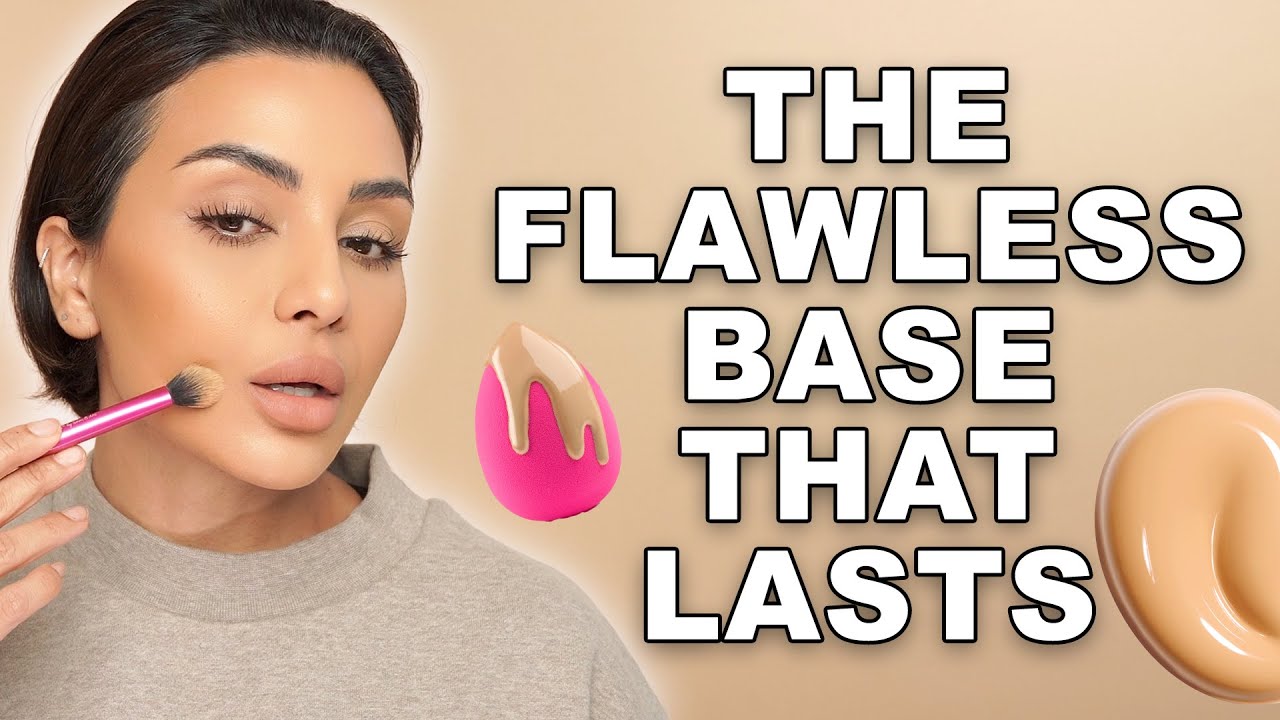
Interviews are stressful. Stress means sweating. Sweating breaks down makeup faster than almost anything else.
Setting is the step that keeps everything in place from the waiting room through the handshake at the end.
Setting Powder: Where to Apply and Where to Skip
Apply setting powder selectively, not all over the face. The areas that benefit most are the under-eye, the T-zone (forehead, nose, chin), and anywhere you used liquid concealer.
Areas to skip or use very lightly: the tops of cheekbones and the outer edges of the face. Heavy powder there accentuates texture and can make skin look dry under certain lighting.
- Translucent loose powder: works for most skin tones
- Pressed powder compact: good for touch-ups, takes up less bag space
- Banana powder: specifically for under-eye, color-corrects and brightens
Learning how to apply setting powder properly makes a real difference. Pressing it in with a fluffy brush rather than swiping keeps it from disturbing the foundation underneath.
Setting Spray as a Final Step
Setting spray is not optional if longevity matters. It melts all the powder layers together and gives skin a more natural, less “made-up” look.
Hold it about 8 to 10 inches from the face and mist in an X and T pattern. One or two passes is enough. More does not mean better hold.
Learning how to apply setting spray correctly is worth practicing at least once before the actual interview day. The technique is simple but people often apply it wrong on the first try.
What to Bring for Touch-Ups
Compact kit, not your full makeup bag.
- Blotting papers (for oil, before powder)
- Pressed powder compact
- Lip product used in the original look
- Small mirror
Blotting papers go before powder, not after. Pressing powder onto oily skin without blotting first just makes more of a mess.
Brows, Eyes, and the “Awake” Effect
The eye area does more for a polished interview look than any other part of the face. Defined brows and clean eye makeup create the appearance of being alert and focused, which is exactly what you want someone hiring you to think.
Brow Grooming: Defined, Not Drawn-On
Groomed brows are non-negotiable. They frame the entire face and read as put-together even when the rest of the makeup is minimal.
Filling them in lightly with a brow pencil or pomade in a shade that matches your hair color adds definition without looking overdone. Heavy, sharply drawn brows look costume-like in a professional setting.
Use a spoolie to brush them up and blend product through the hairs after filling. That one step takes a brow from flat to natural.
Eye Makeup: The Awake Approach
The goal is awake, not made-up. Most interviewers are not makeup professionals and will not notice a beautifully blended transition shade. They will notice if you look tired, unfocused, or over-done.
What works:
- Matte neutral shadow in a shade close to your skin tone across the lid
- Slightly deeper matte shade in the crease for dimension
- Tightlining the upper waterline with a dark pencil (adds definition without visible liner)
- One to two coats of mascara on upper lashes
What to avoid: shimmer across the lid (looks unprofessional under office lighting), a heavy lower lash line (ages the eye and reads harsh), and mascara that clumps (hard to fix quickly).
Learning how to apply mascara in clean, separated coats takes the look from fine to finished. Wiggle the wand at the base and pull through. Do not pump the wand in the tube.
If you deal with hooded eyes, adjusting your eye makeup technique for hooded eyes makes a significant difference. Standard placement does not work the same way.
When to Skip Eye Makeup Entirely
Honestly? Rarely. But there are cases where less eye makeup is the right call.
If your skin is in great condition, your brows are well-groomed, and you are interviewing for a role in a very casual environment, a mascara-only approach is fine. The issue is not about doing more. It is about doing what is appropriate and intentional.
Blush, Bronzer, and Contour Calls
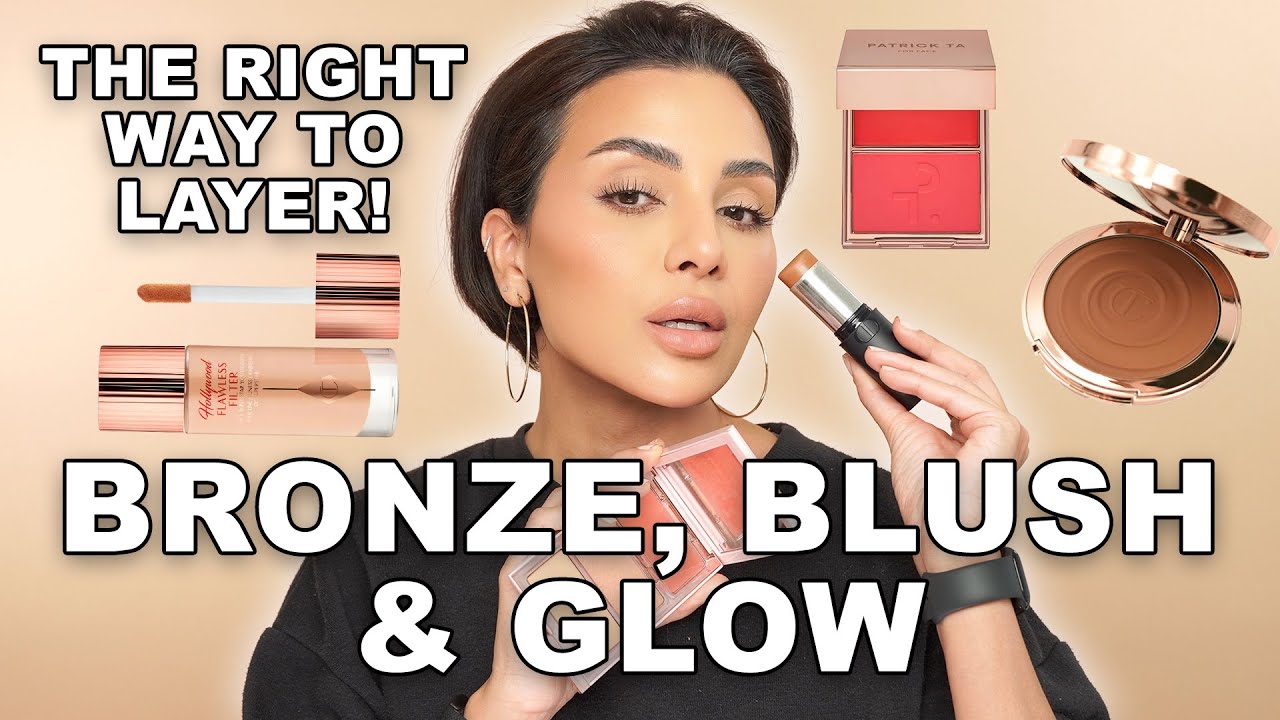
These are the products people either skip entirely or overdo. Both are mistakes.
A completely flat face with no warmth or color reads as washed out in person. Heavy contouring reads as theatrical. The answer is somewhere in between, and it leans toward restraint.
Blush: The One Product That Changes Everything
Blush is, arguably, the single most impactful product for looking healthy and polished in a professional setting. A small amount of the right shade makes skin look alive.
Placement for interview: smile lightly and apply to the apples of the cheeks, blending upward toward the temples. This gives a natural flush rather than the sculpted placement used in more editorial looks.
Shade selection matters. The right blush should mimic what your cheeks naturally do when you are warm or slightly flushed. For most people, that is in the pink-to-peach family.
Applying cream blush works particularly well for an interview because it blends into the skin rather than sitting on top of it. It looks more natural than powder, especially under harsh office lighting.
Bronzer: One Pass, Maximum Two
One light sweep of bronzer where the sun would naturally hit the face adds warmth without reading as contour. The forehead perimeter, tops of cheekbones, and bridge of the nose are the places to focus.
More than two passes and it starts to look like contouring, which is not appropriate for most interview settings. The goal is warmth, not structure.
Skip bronzer entirely on very fair or very deep skin tones if it reads as muddy or unnatural. Blush alone does the job.
Contour: Worth the Risk?
In most interview scenarios, no. Contour requires good lighting and blending time. Office lighting is harsh and reveals hard edges quickly.
If you want to slim the nose or define the jawline, a very light hand with a cool-toned matte bronzer can do both without the obvious stripe that full contour leaves if not perfectly blended.
The safer call is skipping dedicated contour entirely and letting the bronzer and blush do the structural work.
Lip Color That Works All Day

The lip is often the last thing applied and the first thing that fails. Eating, drinking, talking for an hour straight, none of that is friendly to lip color.
The right product choice matters more here than in any other part of a professional makeup look. A beautiful base and clean eye can be undone quickly by lipstick that has migrated into the lines around the mouth or disappeared entirely by the time you sit down.
The global lipstick market reached USD 17.49 billion in 2024 (Grand View Research). Satin finish lipsticks hold the dominant share at 43.41%, while matte is the fastest-growing segment at 7.81% CAGR through 2030 (Mordor Intelligence). Both point to the same thing: people want wear and comfort together.
Nude and MLBB Shades as the Default
MLBB (my lips but better) shades are exactly what they sound like: a version of your natural lip color, slightly more defined and even.
Why this works for interviews:
- Does not compete with your speaking or distract from eye contact
- Easier to touch up quickly without a mirror
- Reads as polished across almost every industry and skin tone
When picking a nude lipstick, match it to your undertone. A nude that is too light for your skin reads as washed out. Too deep and it starts to read as a statement color.
Formula Options: What Actually Lasts
Liquid lipstick over a lip liner base is the most reliable combination for all-day wear. The liner fills in the entire lip first, giving the liquid formula something to grip.
Bullet lipstick alone fades faster but feels more comfortable. The fix is simple: apply lip liner first, fill in the entire lip, then press the lipstick over the top. That extra liner layer significantly extends wear time.
A lip stain is worth considering if you tend to be a lip-licker. Stains survive moisture better than any other formula. The color stays even when the product itself wears off.
Learning how to apply lip liner properly makes a significant difference in how long any lip product lasts. A liner base is not optional when longevity is the goal.
When a Bold Lip Works, and When It Does Not
Bold lip color in an interview is a calculated risk. It works when the rest of the face is minimal and the industry allows for it.
| Lip Choice | Works For | Avoid When |
|---|---|---|
| Classic red | Creative, fashion, media roles | Healthcare, finance, or conservative fields |
| Berry or plum | Autumn interviews, creative industries | Video interviews (can appear too heavy on camera) |
| Nude or MLBB | All industries and settings | Rarely a wrong choice |
| Gloss | Casual environments | Most professional settings (can smear or transfer) |
If you wear a bold lip, go minimal everywhere else. A strong eye and a strong lip compete. Pick one.
Surviving Eating and Drinking
Many interviews include a coffee, a glass of water, or even a working lunch. Not every formula handles that well.
Matte liquid lipsticks survive eating and drinking better than any other type. Applying matte lipstick over a fully-lined lip gives the best chance of making it through a two-hour meeting intact.
The trick for drinking: sip from the edge of the glass rather than the center. It sounds small but it preserves the center of the lip where product loss is most visible.
Makeup by Industry and Interview Type

82% of employers now use virtual interviews as part of their recruitment process (Forbes). The split between in-person and video changes more than just the setting. It changes what the makeup needs to do.
What reads as polished in a law office can look overdone on a Zoom call, and what reads as natural in person can disappear entirely on camera. Industry norms and interview format both need to factor into the decision.
Corporate and Finance: Classic and Clean
These environments have the least tolerance for anything that reads as trend-driven or expressive.
Stick to: neutral skin, defined brows, tightlined upper lash line, mascara, blush, and a nude or soft pink lip.
Skip: shimmer anywhere on the face, contour, bold lip color, colorful eyeshadow. A hiring manager at Goldman Sachs or a law firm is not evaluating your creative side.
Creative Fields: More Room, But Not Unlimited
Ad agencies, design studios, fashion houses, and media companies generally allow more self-expression. But “more room” is not the same as “anything goes.”
A considered, deliberate look still reads better than a look that seems thrown together. A defined liner, a statement lip in a sophisticated shade, or a slightly more sculpted eye all work here. The key word is deliberate.
Chanel’s in-house creative teams, for instance, are known for a French approach: one feature elevated, everything else clean. That principle applies perfectly to creative interview settings.
Healthcare and Education: Functional First
Low-maintenance is the governing principle. Smudge-proof mascara, minimal foundation, a neutral lip, and groomed brows. Full stop.
Heavy contouring or complex eye looks do not survive the physical demands of these roles, and wearing them to an interview for those jobs sends a signal about your priorities that you probably do not intend.
Video and Virtual Interviews: Camera-Ready Adjustments
In 2024, 55% of recruiters used Zoom as their primary platform for virtual interviews (B2B Reviews). Camera changes everything about how makeup reads.
Key adjustments for video:
- Add more definition to brows than you normally would. Cameras flatten them.
- Use a foundation one shade warmer than your usual match. Cool tones read as ashy on most webcams.
- Skip shimmer around the eyes entirely. It creates distracting light flares on camera.
- Increase blush intensity slightly. Cameras absorb color.
Test your full look on your actual camera, in the actual lighting of your interview space, at least one day before. What looks fine in a bathroom mirror can look completely different through a webcam under ceiling lights.
Products and Tools Worth Having

You do not need much. The people who show up to interviews looking polished are not carrying a kit full of 40 products. They have the right 6 or 7 things and know how to use them.
A 2024 consumer trial comparing full drugstore routines against high-end counterparts found no statistically significant difference in overall appearance after two weeks of wear (Alibaba Product Insights). The gap is in formula feel and packaging, not results. That matters for budget decisions.
The Core Kit: What You Actually Need
Skin: moisturizer, targeted primer, medium-coverage foundation or skin tint, concealer, translucent setting powder, setting spray.
Face color: one blush shade, one light bronzer (optional).
Eyes: matte neutral eyeshadow, mascara, brow pencil or gel, optional pencil liner for tightlining.
Lips: lip liner in a shade close to your natural lip color, one lipstick or liquid lip in a neutral shade.
That is it. Eleven to thirteen products covers a complete, professional look with nothing missing and nothing wasted.
Where Price Actually Matters vs. Where It Does Not
| Product | Worth Splurging On | Drugstore Works Fine |
|---|---|---|
| Foundation | If skin texture or finish is a concern | Maybelline Fit Me, L’Oréal True Match |
| Concealer | NARS Radiant Creamy for under-eye | e.l.f. Camo for spot coverage |
| Setting powder | Laura Mercier Translucent (premium option) | Most drugstore powders perform well |
| Mascara | Rarely necessary to splurge | Maybelline and L’Oréal options perform consistently |
The one product category where price genuinely matters is makeup primer. A well-formulated primer from a mid-range or high-end brand outperforms most drugstore primers on longevity. For an 8-hour interview day, that is worth the difference.
Tools: What Matters, What Does Not
Two tools make the biggest difference: a damp beauty sponge for foundation application and a small fluffy brush for setting powder.
Everything else is optional. Brushes improve blending for eyeshadow, but a fingertip works fine for cream products. Applying makeup with a sponge gives a more skin-like, seamless finish than a brush for base products. That technique matters more than the brand of the sponge.
Common Mistakes That Read as Unprofessional

Your makeup will not win you a job. But it can cost you one. Research published in Sex Roles found that women who wear makeup are perceived as more competent and professional, highlighting the unconscious biases hiring managers carry into the room.
The mistakes below are not about aesthetics. They are about signals. Each one sends a message that was not intended.
Too Much Product in the Wrong Places
Heavy foundation is the most common error. It reads as mask-like under office lighting and draws attention to itself rather than away from it.
The problem is usually buildup: too much moisturizer before primer, too much primer before foundation, then full coverage applied on top. Each layer adds weight.
Build gradually. One thin layer of medium coverage beats two thick layers of full coverage every time.
Shade and Undertone Mismatches
A foundation that does not match the neck is visible from across the room. It reads as careless rather than done-up. This is one of those errors that no amount of blending fixes after the fact.
Three things to check:
- Test shade on your jaw, not your wrist or hand
- Check in natural light, not store lighting
- Account for oxidation by waiting 20 minutes before confirming the shade
Cool, warm, and neutral undertones all need different shade families. Getting this wrong undermines every other step in the routine.
Skipping the Trial Run
This is the one that gets people. Wearing a product combination for the first time on interview day means you have no idea how it will wear six hours in.
Foundations oxidize. Concealers crease. Mascaras smudge. Not every combination works on every skin type. The only way to know for sure is to prep skin and test the full routine at least once before the actual day.
Melissa Weaver, a New York-based professional, made headlines in early 2024 after being rejected for a VP of HR role, in part because a recruiter cited her appearance. The reaction was overwhelmingly that the bias was inappropriate. But the incident highlights how intensely appearance is scrutinized in hiring, regardless of whether it should be.
Trends That Do Not Translate
TikTok-driven makeup looks are built for camera and bright ring-light conditions. Most of them are not built for fluorescent office lighting and a 60-minute conversation.
Specifically: glass skin (too dewy, reflects harshly), heavy under-eye liner (reads as too editorial), bold graphic liner (distracts in a close-range conversation), and extreme contour (reveals hard edges under office light).
Opt for professional makeup looks over trending ones when the stakes matter. The benchmark is always: does this look like it belongs in the environment you are trying to enter?
Ignoring Wear Time Entirely
A full face that looks perfect at 8 AM but has migrated and faded by 10 AM is worse than a simpler look that stays put.
The fix is not more product. It is the right sequence: primer, medium coverage, set powder in targeted areas, set spray at the end. That combination, done correctly, keeps a full makeup look intact all day without touch-ups for most people in most conditions.
FAQ on How To Do Makeup For An Interview
Should you wear makeup to a job interview?
You do not have to, but a polished, natural makeup look can work in your favor. Research shows well-groomed candidates are perceived as more competent. Keep it minimal and intentional rather than skipping it or overdoing it.
What is the best foundation for a job interview?
A medium-coverage satin foundation is the safest choice. It looks natural under office lighting, does not feel heavy, and lasts through a long day. Maybelline Fit Me and NARS Sheer Glow are both reliable options.
What lip color should you wear to an interview?
A nude or MLBB shade works across every industry and skin tone. It does not distract, survives light eating and drinking, and reads as polished. Pair it with a lip liner that matches your shade for longevity.
How do you make makeup last through a long interview?
Use a primer suited to your skin type, set concealer and foundation with translucent powder, and finish with setting spray. That sequence keeps a long-wearing foundation intact for six to eight hours without touch-ups.
Is bold eye makeup appropriate for an interview?
It depends on the industry. Creative and media roles allow more. Finance and healthcare do not. As a general rule, keep eye makeup neutral and defined rather than dramatic. Tightlining and mascara cover most professional settings.
What makeup should you wear to a video interview?
Increase brow definition, skip shimmer near the eyes, and add slightly more blush than usual. Cameras absorb color and flatten features. A camera-ready makeup look needs more contrast than your typical in-person routine.
Should you contour for an interview?
Skip full contouring. Office lighting reveals hard edges quickly, and heavy sculpting reads as theatrical in a professional setting. A single light pass of bronzer adds warmth without the risks that dedicated contour products carry.
What are the biggest makeup mistakes in a job interview?
Too much foundation, a shade mismatch at the jawline, and skipping a trial run before the day. Also: glitter, heavy lower liner, and any trend-driven look built for ring-light conditions rather than fluorescent office lighting.
How do you apply lipstick that stays put during an interview?
Fill the entire lip with liner first, then press a matte lipstick over the top. That base layer extends wear significantly. Making lipstick last longer comes down to that liner base, not the formula alone.
Does interview makeup differ by industry?
Yes, quite a bit. Finance and law call for a clean, neutral, polished appearance. Creative fields allow more color and individuality. Healthcare prioritizes low-maintenance and functional. Video interviews need adjusted contrast regardless of the industry.
Conclusion
This conclusion is for an article presenting a complete, practical approach to interview makeup, from skin prep and primer to lip color and setting spray.
The through-line is consistent: a polished, natural finish built for longevity beats any trend-driven look every time.
Industry context matters. Corporate settings call for restraint. Creative roles allow more. Video interviews need contrast adjustments. The formula shifts, but the goal stays the same.
Get the base right, keep the eye area clean and awake, choose a long-wearing lip color that survives the conversation, and do a full trial run before the actual day.
Your makeup should be the last thing anyone thinks about. That is exactly how you know it worked.

She started writing on the site after fielding the same questions from clients and friends often enough to just write the answers down: which red won't turn orange on a warm undertone, how to keep lipstick from feathering into fine lines, why a "12-hour" formula rarely survives dinner.
Every review on the site follows the same rule she uses with paying clients: wear it first, then decide if it's worth recommending.
- How to Make Eyeliner Last Longer Without Smudging - August 31, 2026
- How to Make Eyeshadow Last Longer All Day - August 29, 2026
- How to Find Your Undertone in 5 Easy Steps - August 27, 2026