

Summarize this article with:
The smokey makeup look has outlasted every beauty trend since the 1920s. There’s a reason.
No other eye makeup technique creates the same depth, drama, and instant glamour with just a few shades of eyeshadow and a good blending brush.
But here’s the thing: most tutorials overcomplicate it.
This guide breaks down smokey eye application into actual steps that work, whether you’re using a classic black palette from Urban Decay or soft browns from Charlotte Tilbury.
You’ll learn which colors suit your eye shape, how to blend without creating muddy chaos, and how to adjust intensity from daytime soft to full evening drama.
No fluff. Just technique.
What is a Smokey Makeup Look

A smokey makeup look is an eye makeup technique built on gradient color placement and diffused edges.
Dark pigment concentrates at the lash line and outer corner, then gradually fades toward the brow bone.
The result? Sultry, dramatic eyes with depth and dimension that works for everything from date nights to red carpet events.
Unlike sharp, graphic liner styles, the smokey eye relies on seamless blending to create that signature soft focus effect.
How Does a Smokey Eye Differ from Regular Eye Makeup
Regular eye makeup often features defined lines and distinct color blocks.
Smokey eyes eliminate hard edges entirely, using a blending brush to merge shades into one another.
The technique also extends color below the lower lash line, something most everyday looks skip.
What Makes an Eye Look “Smokey”
Three elements: buildable coverage with pigment intensity, seamless transitions between shades, and smudged liner at the waterline.
The darkness should look diffused, not harsh. Think charcoal tones fading into skin, not color sitting on top of it.
Which Eyeshadow Colors Work for Smokey Looks
Any color can go smokey. Seriously.
The technique matters more than the shade. But certain colors deliver specific moods, so choosing your palette depends on the occasion and your eye color.
What Are the Best Dark Shades for a Classic Smokey Eye
Black, charcoal, deep espresso, and gunmetal grey remain the traditional choices.
Brands like Urban Decay and MAC Cosmetics built entire product lines around these dark eye makeup looks.
Matte finishes create intensity; add a shimmer accent at the center lid for dimension.
Which Neutral Tones Create a Soft Smokey Effect
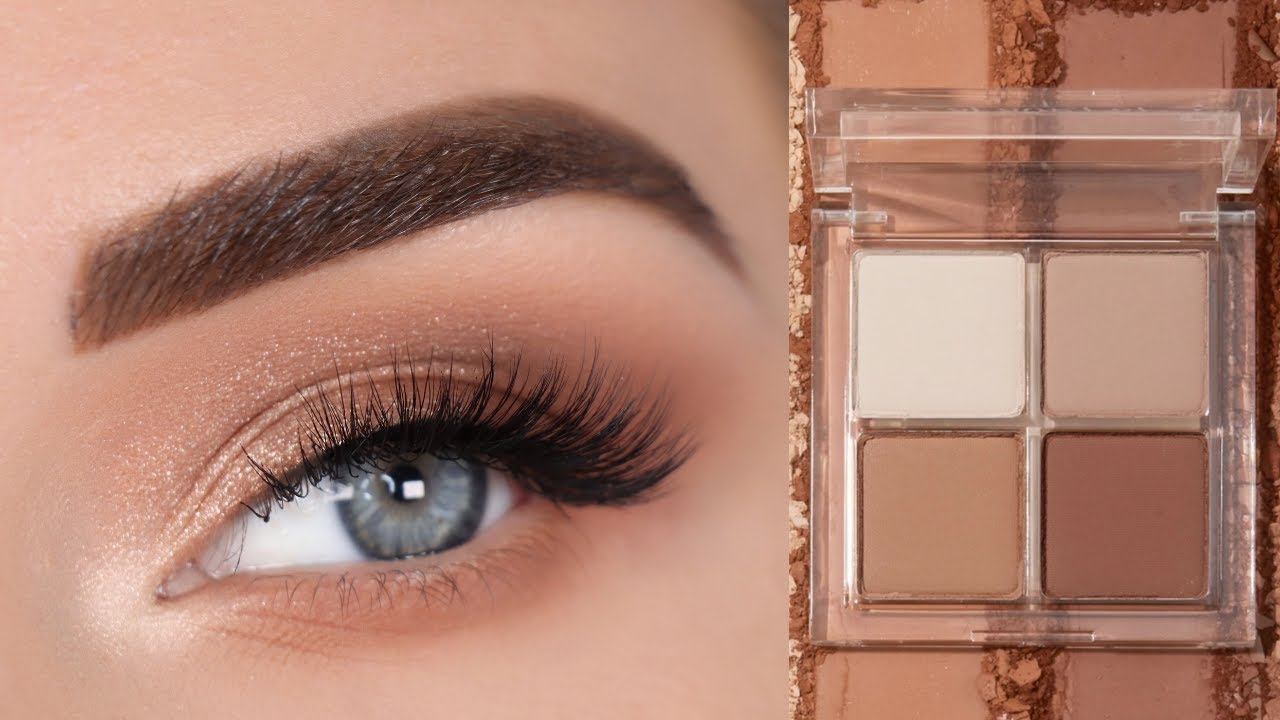
Warm tones like bronze, copper, and taupe soften the drama while keeping the depth.
The Anastasia Beverly Hills and Charlotte Tilbury palettes excel here. These shades transition beautifully from everyday makeup to evening with just a few extra layers.
What Bold Colors Work for a Colorful Smokey Look
Navy blue, emerald green, plum, burgundy, and even cobalt create stunning colorful makeup looks.
Pat McGrath Labs and Natasha Denona offer the pigment payoff needed for vibrant smokey eyes.
Pro tip: pair jewel tones with your eye color. Green eyes pop with purple; brown eyes come alive with navy.
How to Apply a Smokey Makeup Look
The application process follows a specific order. Skip steps and you’ll end up with muddy, unblended chaos instead of that gradient effect everyone wants.
What Tools Are Needed for Smokey Eye Application
- Flat shader brush for packing on color
- Fluffy blending brush for diffusing edges
- Smudge brush or pencil brush for the lower lash line
- Kohl pencil or gel liner for the waterline
- Eyeshadow primer (non-negotiable for longevity)
Sigma Beauty and Real Techniques make affordable brush sets specifically for this technique.
How to Prep the Eyelids Before Applying Eyeshadow
Start with makeup primer on clean, moisturized lids.
Set with translucent powder or a skin-toned shadow. This creates a base that prevents creasing and makes blending easier.
How to Blend Eyeshadow for a Gradient Effect

Work in layers. Apply a transition shade in the crease first, using windshield-wiper motions.
Build color gradually rather than depositing heavy pigment all at once. The key phrase: you can always add more, but removing excess creates patchiness.
Where to Place the Darkest Color on the Eye
Concentrate the deepest shade at the outer corner and along the upper lash line.
Press the color into place with a flat brush, then immediately blend the edges upward and inward with a clean fluffy brush.
How to Diffuse Color in the Crease
Use a windshield-wiper motion with a fluffy brush, moving back and forth through the crease.
The goal: no visible line where colors meet. Keep blending until transitions look seamless. This step takes the longest but makes or breaks the entire look.
What Types of Smokey Looks Exist
The smokey eye has evolved way beyond basic black.
Different variations suit different skill levels, occasions, and personal aesthetics. Here are the main styles makeup artists work with today.
What is a Classic Black Smokey Eye

The original. Black and charcoal eyeshadow blended from lash line to crease, heavy kohl liner on the waterline, and maximum drama.
Perfect for nights out and glam makeup looks. NARS and Too Faced have go-to palettes for this style.
What is a Brown Smokey Eye
A softer take using espresso, chocolate, and caramel tones instead of black.
This version flatters every skin tone from fair to deep. Check out brown makeup looks for more inspiration on working with these warmer shades.
What is a Soft Smokey Eye
Minimal intensity, maximum blend. Uses mid-tone shadows like taupe, mauve, or bronze rather than deep darks.
Great for daytime events, wedding makeup, and anyone who finds black eyeshadow intimidating. Charlotte Tilbury practically invented this aesthetic.
What is a Cut Crease Smokey Look

Combines cut crease technique with smokey blending. The lid stays clean and bright while the crease gets the full smokey treatment.
More complex to execute but creates a striking contrast. Morphe palettes have the shade range needed for this style.
What is a Halo Smokey Eye
Dark pigment sits at the inner and outer corners while a shimmer highlight or lighter shade goes on the center lid.
Creates a spotlight effect that makes eyes look rounder and more open. The inner corner highlight is critical here.
How to Choose a Smokey Look for Different Eye Shapes
Eye shape determines where you place color and how you blend it.
The wrong placement can make eyes look smaller, droopy, or unbalanced. Here’s how to adjust the technique for your specific anatomy.
What Smokey Technique Flatters Hooded Eyes

Bring the crease color above your natural crease so it’s visible when your eyes are open.
Keep the darkest shade tight to the lash line. Avoid heavy shadow on the mobile lid since it disappears into the fold anyway. More tips on doing makeup for hooded eyes can help you master this adjustment.
How to Create a Smokey Look on Monolid Eyes
Skip the crease work entirely since there’s no crease to define.
Instead, focus on gradient blending from lash line upward. Extend color outward and slightly upward at the outer corner for a lifted effect.
What Placement Works for Almond-Shaped Eyes

Almond eyes can handle almost any smokey variation without modification.
Play up the natural shape by concentrating depth at the outer V and blending upward toward the tail of the brow.
How to Adjust Smokey Makeup for Round Eyes
Elongate by focusing color at the outer corner and winging it slightly outward.
Avoid bringing dark shadow all the way around the eye, which emphasizes roundness. Keep the inner corner lighter.
What Techniques Suit Deep-Set Eyes
Use lighter transition shades since deep-set eyes already have natural shadow in the crease.
Focus shimmer and highlight on the mobile lid to bring eyes forward. Skip heavy darkness in the crease, it will make eyes look more recessed.
What Products Are Used for Smokey Makeup Looks

Product selection affects blendability, longevity, and overall finish.
Not every eyeshadow formula plays nice with the smokey technique. Here’s what actually works.
Which Eyeshadow Formulas Work Best for Blending
Powder shadows with finely milled textures blend easiest, especially from brands like Natasha Denona and Pat McGrath Labs.
Cream formulas work for base layers but can get patchy when layered. Stick with matte shadow for crease work; save shimmers for lid accents only.
What Type of Eyeliner Adds Depth to a Smokey Eye
Creamy kohl pencils and gel liners smudge beautifully along the lash line and waterline.
Skip liquid liner for classic smokey looks since it dries too fast to blend. Urban Decay 24/7 pencils and NARS Larger Than Life liners are industry favorites for eyeliner application in smokey styles.
Which Mascara Finishes Complement Smokey Looks
Volumizing formulas add drama; lengthening mascaras suit softer versions.
Waterproof is smart for long events. L’Oreal Paris Voluminous and Maybelline Lash Sensational deliver without clumping. Learn proper mascara application to avoid spider lashes that ruin the effect.
What Primer Prevents Creasing in Smokey Eye Makeup
Eyeshadow primer is mandatory, not optional.
Urban Decay Primer Potion, Too Faced Shadow Insurance, and NYX Professional Makeup’s HD primer all extend wear to 12+ hours. More tips on preventing creasing apply here too.
How to Match a Smokey Look to an Occasion
Intensity level should match the setting.
A black smokey eye at a morning meeting reads differently than at a cocktail party. Adjust depth, color choice, and finish accordingly.
What Makes a Smokey Eye Appropriate for Daytime

Swap black for taupe, bronze, or soft brown; skip the heavy waterline liner.
Keep the blend diffused and the overall effect closer to soft makeup looks. Charlotte Tilbury’s daytime palettes nail this balance.
How to Intensify a Smokey Look for Evening Events
Layer darker shades, add black to the outer V, line the waterline heavily with kohl liner, and apply false lashes.
Shimmer on the lid center catches light beautifully. These evening makeup looks demand maximum pigment intensity.
What Adjustments Work for a Professional Setting
Neutral tones only: grey, taupe, soft brown, muted plum.
Skip glitter entirely and keep liner subtle. The goal is polished, not dramatic. Check out professional makeup looks for office-appropriate inspiration.
How to Create a Bridal Smokey Eye

Soft smokey in champagne, rose gold, or warm browns photographs beautifully without overpowering.
Waterproof everything. Set with primer and finishing spray. More guidance on bridal makeup looks covers photography considerations and longevity tips.
What Are Common Mistakes in Smokey Eye Application
Even experienced people mess these up.
Most issues come down to product choice, technique errors, or skipping prep steps. Here’s how to fix each one.
How to Fix Uneven Blending in a Smokey Look
Use a clean fluffy brush to diffuse harsh edges; add transition shade between colors that won’t merge.
If one eye looks darker, add more shadow to the lighter one rather than trying to remove excess. Understanding eyeshadow application basics prevents most blending disasters.
What Causes Fallout and How to Prevent It
Fallout happens when loose pigment drops onto cheeks during application.
Solutions: do eye makeup first, use eyeshadow shields, tap excess off brushes before applying, or place loose powder under eyes to catch particles then sweep away.
How to Avoid a Muddy Appearance in Smokey Makeup
Muddy smokey eyes result from over-blending or mixing too many colors without intention.
Stick to three shades maximum from the same color family. Let each layer set briefly before adding the next. Use a light hand; build color gradually instead of depositing heavy pigment immediately.
How to Remove Smokey Eye Makeup

Heavy pigment and waterproof formulas require proper removal to avoid irritation and next-day raccoon eyes.
Gentle technique protects the delicate eye area while getting everything off.
What Products Dissolve Waterproof Smokey Eye Makeup
- Oil-based cleansers (Bobbi Brown, Clinique Take The Day Off)
- Micellar water formulated for waterproof makeup
- Cleansing balms that emulsify with water
- Dual-phase eye makeup removers
Regular cleansers won’t cut it. You need something that breaks down waterproof polymers. Full guide on removing eye makeup covers techniques for stubborn formulas.
What Technique Prevents Smudging During Removal
Soak a cotton pad with remover, press against closed lid for 10-15 seconds, then gently swipe downward.
Rubbing spreads pigment into skin and lashes. Patience dissolves product; friction just irritates. For heavy looks, tips on removing waterproof makeup properly save your skin and lashes from damage.
FAQ on Smokey Makeup Looks
What Is the Easiest Smokey Eye for Beginners?
A brown smokey eye using just two shades forgives blending mistakes better than black.
Start with a taupe transition shade and a deeper espresso for the outer corner. Fewer colors means less chance of muddy results.
Can I Wear a Smokey Eye During the Day?
Yes. Swap intense black for soft neutrals like bronze, mauve, or grey.
Keep the waterline clean and skip heavy liner. Daytime smokey eyes focus on diffused color rather than dramatic depth. Check out simple makeup looks for more subtle inspiration.
What Lip Color Works Best with Smokey Eyes?
Neutral lips balance dramatic eyes. Nude lipstick shades, soft pinks, and mauves complement without competing.
If you want bold lips too, keep the smokey eye softer. One focal point per face prevents overwhelming the look.
How Do I Stop My Smokey Eye from Looking Muddy?
Use three shades maximum from the same color family.
Let each layer set before adding the next. Tap excess pigment off your brush before applying. Over-blending causes muddiness more than under-blending.
Which Eye Shapes Suit Smokey Makeup?
Every eye shape works with adjusted placement. Hooded eyes need color above the crease; round eyes benefit from outer corner focus.
Monolids skip crease work entirely. Almond eyes handle any variation without modification.
What Brushes Do I Need for a Smokey Eye?
Three essentials: a flat shader brush for packing color, a fluffy blending brush for diffusing, and a smudge brush for the lower lash line.
Sigma Beauty and Real Techniques make quality affordable options.
How Long Does a Smokey Eye Take to Apply?
Beginners need 15-20 minutes; experienced hands finish in 10.
Blending takes the longest. Rushing this step shows. Proper eyeshadow primer cuts application time by making pigment adhere faster and blend smoother.
Can I Do a Colorful Smokey Eye?
Absolutely. Navy, emerald, plum, and burgundy all work using the same gradient technique as black.
Pat McGrath Labs and Natasha Denona offer the pigment intensity needed. Jewel tones paired with your eye color create striking bold makeup looks.
Why Does My Smokey Eye Crease After a Few Hours?
Missing primer is usually the culprit. Eyeshadow primer creates a base that prevents oils from breaking down pigment.
Urban Decay Primer Potion and Too Faced Shadow Insurance both extend wear to 12+ hours without creasing.
What Is the Difference Between Smokey Eye and Cut Crease?
Smokey eyes blend all colors seamlessly with no hard edges. Cut crease uses concealer to carve a sharp line, keeping the lid clean while darkness sits above.
Different techniques, different effects.
Conclusion
Smokey makeup looks remain one of the most versatile techniques in any makeup routine.
Master the gradient effect once and you can adapt it endlessly. Soft daytime neutrals, dramatic evening blacks, colorful jewel tones for special events.
The fundamentals stay the same: proper primer base, building pigment intensity gradually, and blending until transitions disappear.
Your tools matter. Invest in quality brushes from brands like MAC Cosmetics or Bobbi Brown. They make diffusing the crease and packing on color significantly easier.
Don’t overthink color choices. Start with a classic smokey eye in browns or greys, then experiment with bolder shades as your technique improves.
Practice the blend. Everything else follows.

- What Is Skin Tint and Why Everyone Is Obsessed - July 11, 2026
- What Is Foundation and How Do You Choose One? - July 6, 2026
- How to Make Blush Last Longer - July 3, 2026


