Forget everything Western beauty taught you about contouring and full coverage.
Japanese makeup looks flip the script entirely, prioritizing soft skin, flushed cheeks, and eyes that sparkle rather than smolder.
J-beauty techniques from Tokyo and Harajuku have shaped global trends for decades.
The Igari blush method, dolly eye techniques, and gradient lips all started here.
This guide breaks down every major Japanese makeup style, from everyday suppin to dramatic gyaru.
You will learn base makeup secrets, eye-enlarging tricks, seasonal color trends, and how personal color analysis shapes product choices across Japan.
Whether you want the kawaii aesthetic or soft makeup looks for daily wear, these techniques deliver.
What is Japanese Makeup

Japanese makeup is a beauty approach focused on creating natural, youthful appearances through light coverage and soft color placement.
The philosophy comes from wabi-sabi, a concept that finds beauty in imperfection rather than masking it.
J-beauty techniques prioritize luminosity and skin texture over heavy coverage.
Think dewy finishes, barely-there base makeup, and strategic color placement that makes you look refreshed rather than done up.
How Japanese Makeup Differs from Western Makeup
Western makeup often sculpts and defines through contouring, heavy foundation, and dramatic eye looks.
Japanese makeup skips the carving; it softens features instead of sharpening them.
No baking, no full-coverage foundation, no sharp contour lines.
How Japanese Makeup Differs from Korean Makeup
Korean makeup looks chase glass skin with bright, dewy finishes and gradient everything.
Japanese beauty leans toward mochi skin texture, which has a softer, more matte-adjacent glow.
Blush placement differs too: K-beauty applies it on cheekbones while J-beauty often places it under the eyes.
Base Makeup Techniques in Japanese Beauty
The base is everything in J-beauty.
Your skincare prep determines how the rest of your makeup sits, so Japanese women invest serious time here.
The goal is suhada, meaning your-skin-but-better.
What is Mochi Skin
Mochi skin mimics the soft, bouncy texture of Japanese rice cakes.
It looks hydrated and plump but not wet or greasy like glass skin.
How to Create Dewy Skin for Japanese Makeup
Start with thorough hydration: lotion, serum, moisturizer.
Use BB cream or cushion compact instead of foundation; these give the toumeikan luminosity J-beauty is known for.
What Products Work Best for Japanese Base Makeup

Japanese drugstore brands like CANMAKE, Cezanne, and Ettusais dominate this category.
Key products include:
- BB creams and CC creams for sheer coverage
- Cushion compacts for buildable finish
- Lightweight setting powders for the T-zone only
- Sunscreen as non-negotiable base prep
Skip heavy foundations entirely.
Japanese Eye Makeup Styles
Eye makeup in Japan focuses on making eyes appear larger, rounder, and more innocent.
The approach is completely different from Western smokey eyes or sharp cat-eye looks.
Soft shimmer, strategic liner placement, and lash emphasis do the heavy lifting here.
What is the Dolly Eye Technique

Dolly eyes create the wide, round appearance seen in anime and on J-pop artists like Kyary Pamyu Pamyu.
The technique uses circle contact lenses, false lashes on both upper and lower lash lines, and white or shimmer shadow on the inner corners.
How to Do Puppy Eyeliner

Puppy liner angles downward at the outer corner instead of flicking up like winged eyeliner.
This creates a softer, more approachable look that rounds the eye shape.
Use brown eyeliner rather than black for the most natural effect.
What is Aegyo Sal in Japanese Makeup
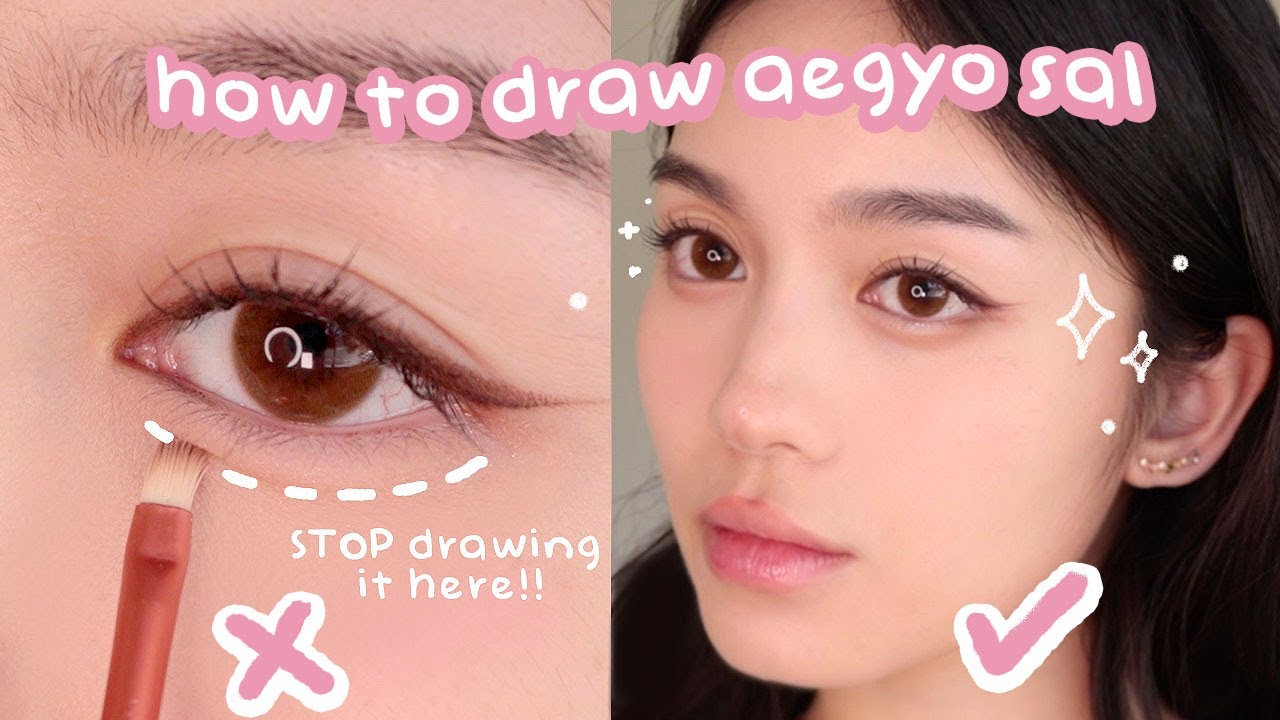
Aegyo sal highlights the small puffy area directly under the eyes.
Apply shimmer eyeshadow or a light concealer shade to this zone to make it pop; it creates the illusion of youthful eye smiles.
How to Apply Mascara for Japanese Makeup Looks
Curl lashes aggressively first using a Japanese lash curler from brands like Koji or Shu Uemura.
When applying mascara, focus on length and curl rather than volume.
False Lash Application for Japanese Styles
Japanese false lashes are wispy and natural, not dramatic.
Brands like Dolly Wink specialize in lashes that extend without overwhelming; applying false eyelashes to the lower lash line is common for the full dolly effect.
Japanese Eyebrow Styles

Brows frame everything.
The Japanese approach keeps them soft, natural, and never too sculpted.
What are Straight Brows
Straight eyebrows run horizontally with minimal arch, creating a youthful and innocent appearance.
This style softens angular faces and pairs perfectly with the overall kawaii aesthetic.
How to Shape Eyebrows for Japanese Makeup
Fill brows with powder or pencil in shades matching your hair color, typically dark brown or chocolate brown.
Brush hairs upward and outward; avoid sharp edges or heavy-handed definition.
Japanese Lip Makeup Techniques
Japanese lip looks prioritize softness and natural color over sharp definition.
You will not see dark lip liner or over-drawn lips here.
The effect should look effortless, like you just ate a popsicle or came in from the cold.
What is the Gradient Lip Technique

Gradient lips concentrate color in the center and blur outward toward the edges.
This differs from Western ombre lips, which often use two distinct shades; Japanese gradient relies on a single color applied strategically.
How to Create Popsicle Lips
Apply lip stain or tinted lip balm to the inner portion of lips only.
Blend outward with your finger or a brush; the edges should fade into your natural lip color.
What Lip Colors Are Popular in Japanese Makeup
Coral, soft pink, and orange-red dominate everyday Japanese lip looks.
Bold reds and deep wines appear for special occasions but rarely in daily makeup.
Gloss finishes are preferred over matte; brands like Opera make lip tints specifically for this plump, hydrated effect.
Popular Japanese Makeup Styles
Japanese makeup splits into distinct subcultures, each with its own rules and aesthetic goals.
Some push dramatic transformation; others barely look like makeup at all.
What is Gyaru Makeup

Gyaru originated in Shibuya during the 1990s and centers on dramatic eye enlargement, heavy lashes, and doll-like features.
Black eyeliner, circle lenses, and stacked false lashes create an almost anime-inspired transformation; this style influenced magazines like Ageha and Popteen.
What is Seiso Makeup
Seiso means neat or pure in Japanese; this style tones down gyaru elements for office and school settings.
Brown eyeliner replaces black, lashes stay natural, and base makeup remains minimal.
What is Hime Gyaru Makeup
Hime gyaru blends gyaru techniques with Lolita fashion influences from Harajuku.
More pastels, frills, and princess aesthetics; the makeup stays dramatic but leans pink and feminine rather than edgy.
What is Suppin Makeup
Suppin translates to bare-faced, and this style makes you look like you are wearing nothing at all.
Perfect for natural makeup looks that enhance without announcing themselves; similar to the Western no-makeup makeup trend but with J-beauty product preferences.
What is Igari Makeup

Igari makeup places blush under the eyes and across the nose bridge to mimic a flushed, just-had-a-drink glow.
Created by Japanese makeup artist Igari Shinobu, this technique became a global trend around 2018.
Also called hangover blush or drunk blush.
How to Apply Blush for Igari Makeup
Start high on cheekbones, sweep color directly under your eyes, and connect across the nose bridge.
Pat rather than drag to keep skin looking smooth; build intensity gradually.
What Blush Colors Work for Igari Style
Soft pink and peach tones work universally; choose shades one level lighter than your natural flush.
Avoid anything too orange or too berry for the authentic Igari effect.
Cream Blush vs Powder Blush for Igari
Cream blush application delivers the dewiest results and blends seamlessly into skin.
Powder works for oily skin types but set cream underneath first for longevity; liquid blush offers another option for that lit-from-within finish.
Seasonal Japanese Makeup Trends
Japanese makeup shifts with the seasons, reflecting nature and climate changes throughout the year.
Color palettes, textures, and even product formulas adapt accordingly.
Spring Makeup Trends in Japan
Cherry blossom season brings soft pinks, sheer textures, and spring lipstick colors in coral and rose.
Limited edition sakura-themed products from Shiseido and Kose release every March.
Summer Makeup in Japan
Humidity demands lightweight formulas, blotting papers, and constant sunscreen reapplication.
Orange and beige tones dominate; glitter stays minimal since it catches too much light in harsh summer sun.
Fall Makeup Colors in Japan
Earth tones like khaki, bordeaux, and chocolate brown match the koyo autumn foliage viewing tradition.
Fall lipstick colors shift toward warm browns and muted reds; the overall aesthetic becomes more sophisticated.
Winter Makeup Styles in Japan
Richer textures return as humidity drops; winter lipstick colors include deeper berries and classic reds.
Matte finishes become acceptable again after months of dewy-only looks.
Japanese Makeup Products and Brands
Japanese cosmetics prioritize quality ingredients, precise application, and skin-friendly formulas.
Drugstore options rival high-end performance at a fraction of the cost.
Japanese Drugstore Makeup Brands

Shop at Matsumoto Kiyoshi for access to these staples:
- CANMAKE for affordable blushes and eyeshadows
- Cezanne for base products
- Ettusais for skin prep
- Fasio for long-wearing formulas
- Integrate by Shiseido for trendy colors
Popular Japanese Mascaras
Heroine Make and Kiss Me dominate the mascara category with waterproof, curl-holding formulas designed for straight Asian lashes.
These products resist humidity and tears better than most Western alternatives.
Best Japanese Blushes
CANMAKE Glow Fleur Cheeks offers warm peach tones with subtle shimmer.
Visee by Kose provides more sophisticated options; Majolica Majorca delivers the kawaii aesthetic in packaging and payoff.
Japanese Sunscreens for Makeup Prep

Sunscreen is non-negotiable in J-beauty routines.
Japanese formulas from Shiseido’s Anessa line and drugstore options from Biore feel lightweight and work perfectly under makeup without pilling.
Step by Step Japanese Makeup Application
The order matters in J-beauty.
Skincare comes first, always; rushing this step ruins everything that follows.
How to Prep Skin for Japanese Makeup

Layer hydrating products: lotion, serum, moisturizer, sunscreen, then primer if needed.
Wait for each layer to absorb before adding the next; this prevents pilling and ensures smooth foundation application, similar to how you would approach prepping skin before makeup in any routine.
Complete Japanese Makeup Routine
Follow this order for authentic J-beauty results:
- Skincare prep and sunscreen
- BB cream or cushion compact, applied with sponge
- Concealer on spots and under eyes only
- Light powder on T-zone
- Straight brows filled with powder
- Shimmer eyeshadow on lids and under eyes
- Brown eyeliner, thin line or puppy style
- Curled lashes plus mascara
- Igari-style blush placement
- Gradient lip color
Personal Color in Japanese Makeup
Personal color analysis has become standard practice in Japanese beauty culture.
Choosing products based on your season type ensures colors flatter rather than clash.
What is Yellow Base (Iebe) Personal Color
Yellow base skin tones split into spring and autumn types.
Spring suits bright, warm colors; autumn handles muted, earthy tones better.
Both benefit from warm lipstick colors and coral blushes.
What is Blue Base (Burube) Personal Color
Blue base divides into summer and winter types.
Summer wears soft, muted cool tones; winter handles high contrast and bold colors.
Lipstick colors for cool undertones include rose, mauve, and berry shades.
How to Choose Makeup by Personal Color
Japanese beauty influencers and YouTubers often share their personal color type so viewers with matching tones can follow their product recommendations.
Getting professionally analyzed at department stores like Isetan helps narrow down your season; from there, shop brands that label products by personal color compatibility.
FAQ on Japanese Makeup Looks
What makes Japanese makeup different from Western makeup?
Japanese makeup focuses on enhancing natural features rather than transforming them.
Light coverage, dewy skin, soft blush placement, and eye-enlarging techniques replace contouring and full-coverage foundation common in Western routines.
What is Igari makeup?
Igari makeup places blush under the eyes and across the nose bridge, mimicking a flushed, post-drink glow.
Created by makeup artist Igari Shinobu, this technique creates youthful, innocent appearances.
What products do I need for Japanese makeup?
Start with BB cream or cushion compact, brown eyeliner, Japanese mascara from brands like Heroine Make, cream blush in pink or peach tones, and lip gloss or tinted balm for gradient lips.
How do I achieve mochi skin?
Layer hydrating skincare products before makeup, use sheer coverage base products, and skip heavy powders.
Mochi skin looks soft and bouncy like Japanese rice cakes, not wet like glass skin.
What is the best blush placement for Japanese makeup?
Apply blush high on cheekbones extending under the eyes for Igari style, or on the apples of cheeks for traditional placement.
Japanese techniques favor pink makeup looks with soft, diffused edges.
How do I do Japanese gradient lips?
Apply lip color to the center of lips only, then blend outward with your finger.
The edges fade into natural lip color, creating a soft, just-bitten effect different from applying lipstick fully.
What eyebrow shape works best for Japanese makeup?
Straight eyebrows with minimal arch define Japanese beauty standards.
Fill brows with powder in brown shades matching your hair color, brush hairs upward, and avoid sharp definition or heavy sculpting.
Can I do Japanese makeup on Western features?
Yes. Adapt techniques to your face shape.
Focus on the principles: light base coverage, soft blush placement, natural brows, and lip color that looks effortless rather than precise.
What Japanese makeup brands should beginners try?
CANMAKE, Cezanne, and Ettusais offer affordable quality at Japanese drugstores like Matsumoto Kiyoshi.
Shiseido’s Majolica Majorca and Integrate lines provide trendy options; Shu Uemura covers higher-end tools.
How do I make Japanese makeup last in humidity?
Use Japanese sunscreen as base, apply minimal layers, set T-zone only with light powder, and carry blotting papers.
Japanese summer formulas from Kiss Me and Fasio resist humidity better than most alternatives.
Conclusion
Japanese makeup looks offer a refreshing alternative to heavy, sculpted beauty routines.
The focus stays on luminous skin, natural flush cheeks, and eye enlarging techniques that brighten rather than dramatize.
Brands like Shiseido, CANMAKE, and Shu Uemura have perfected formulas for achieving that coveted toumeikan glow.
Whether you try the Igari blush method, master puppy eyeliner, or experiment with seasonal color shifts, these techniques adapt to any face.
Start simple with mochi skin prep and a cushion compact.
Add aegyo sal shimmer and straight brows.
Build toward cute makeup looks that feel effortless.
J-beauty proves that sometimes less product creates more impact.

She started writing on the site after fielding the same questions from clients and friends often enough to just write the answers down: which red won't turn orange on a warm undertone, how to keep lipstick from feathering into fine lines, why a "12-hour" formula rarely survives dinner.
Every review on the site follows the same rule she uses with paying clients: wear it first, then decide if it's worth recommending.
- How to Make Eyeliner Last Longer Without Smudging - August 31, 2026
- How to Make Eyeshadow Last Longer All Day - August 29, 2026
- How to Find Your Undertone in 5 Easy Steps - August 27, 2026