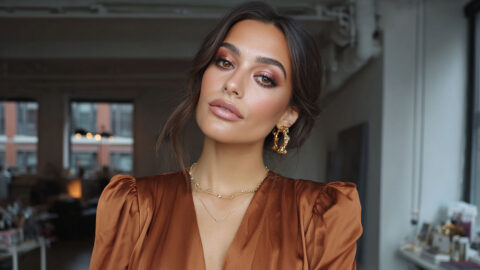
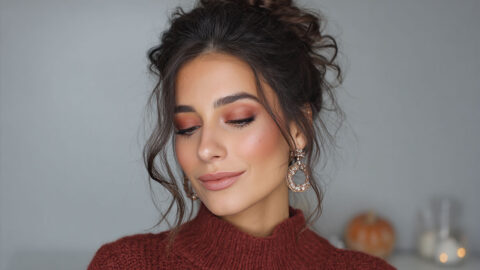
Dark makeup is about depth. The deep shades in play are black, charcoal, burgundy, and plum, and they take the place of everyday natural tones to give the eyes, the lips, or both some real definition.
Trad goth, romantic goth, grunge, dark feminine, and the smoky eye with a vampy lip all fit. Where they split is mostly the eye construction and which lip color goes with it.
People are clearly looking for it. Pinterest’s 2025 trend report (Pinterest Predicts, December 2024) recorded a 695% rise in searches for dark siren makeup, a moody variant built on smoked-out eyes in deep oceanic shades.
What Counts as Dark Makeup Looks?

It comes down to value. Deep, low-value shades do the work that beige and soft pink do in everyday makeup, and one or two features end up with strong definition against a base that stays controlled.
Quick scope note. This guide is about deep shades, which suit every complexion. If you’re after base and shade advice for deeper skin specifically, there’s a separate guide on doing makeup on dark skin.
The aesthetic has two scenes behind it. Siouxsie and the Banshees formed in 1976 (Louder), and Siouxsie Sioux’s wild eye makeup became the blueprint for the look, according to Dazed. The Batcave in Soho then served as the scene’s hub from 1982 to 1985.
Grunge came out of Seattle’s music scene. Its makeup settled on a matte base, dark lipstick, and smoky eyes (Makeup.com by L’Oreal).
Both keep the base under control so the dark features read clearly. Goth uses a pale or neutral base (L’Oreal Paris), grunge a matte one.
How Do the Main Dark Makeup Looks Differ?
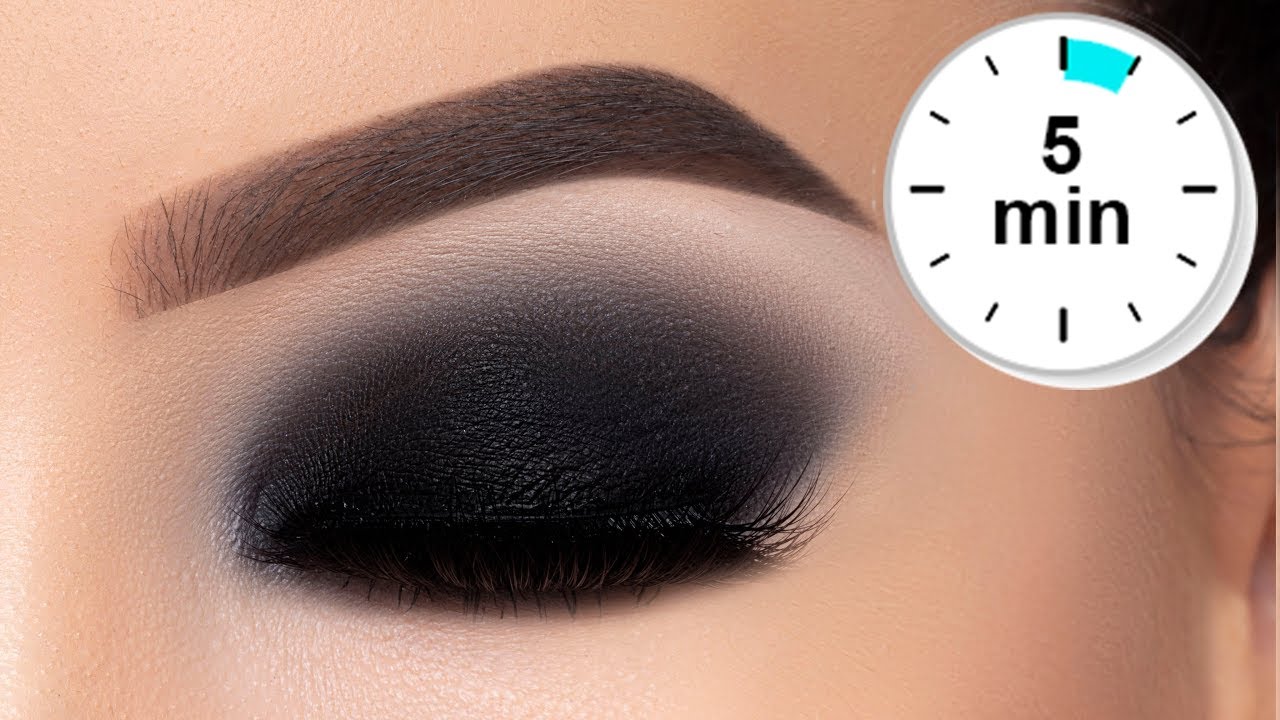
The looks separate mostly on how the eye is built and which lip color goes with it. The base matters less, though it still changes the overall feel.
| Look | Eyes | Lips | Signature detail |
|---|---|---|---|
| Trad goth | Black shadow, jet-black liner | Black or blood red | Pale or neutral base |
| Romantic goth | Soft smoky eyes | Berry tones | Glowing skin |
| Grunge | Smudged liner, smoky shadow | Dark berry or brick red | Matte base |
| Cyber grunge | Shimmery smoky eyes | Dark | Bleached brows |
| Dark feminine | Smoky shadow, sharp liner | Deep red or burgundy | Sculpted contour |
| Smoky eye with vampy lip | Charcoal or black smoke | Burgundy or plum | Eyes and lips share the focus |
The goth and grunge rows follow L’Oreal Paris and Makeup.com. L’Oreal Paris splits goth alone into five variants (trad, romantic, pastel, pink, and soft), so the label shifts from photo to photo. If you’re choosing between them, more goth looks side by side can help before you commit.
Grunge forgives the most. Smudged liner is the whole point, so a first attempt reads as deliberate. For a sense of how far the smudge can go, there’s a set of grunge makeup ideas.
Upkeep is the real difference. Trad goth needs a clean base and crisp edges, and grunge needs neither, which is a big part of why I’d point most beginners there.
Styles also mix. L’Oreal Paris describes romantic goth with a touch of emo smudginess as a valid combination.
Which Dark Shades and Finishes Work Best?

On the eyes, black, charcoal, plum, deep green, and navy lead. On the lips it’s burgundy, oxblood, plum, and black. Finish then decides how deep each one reads.
Eye shades
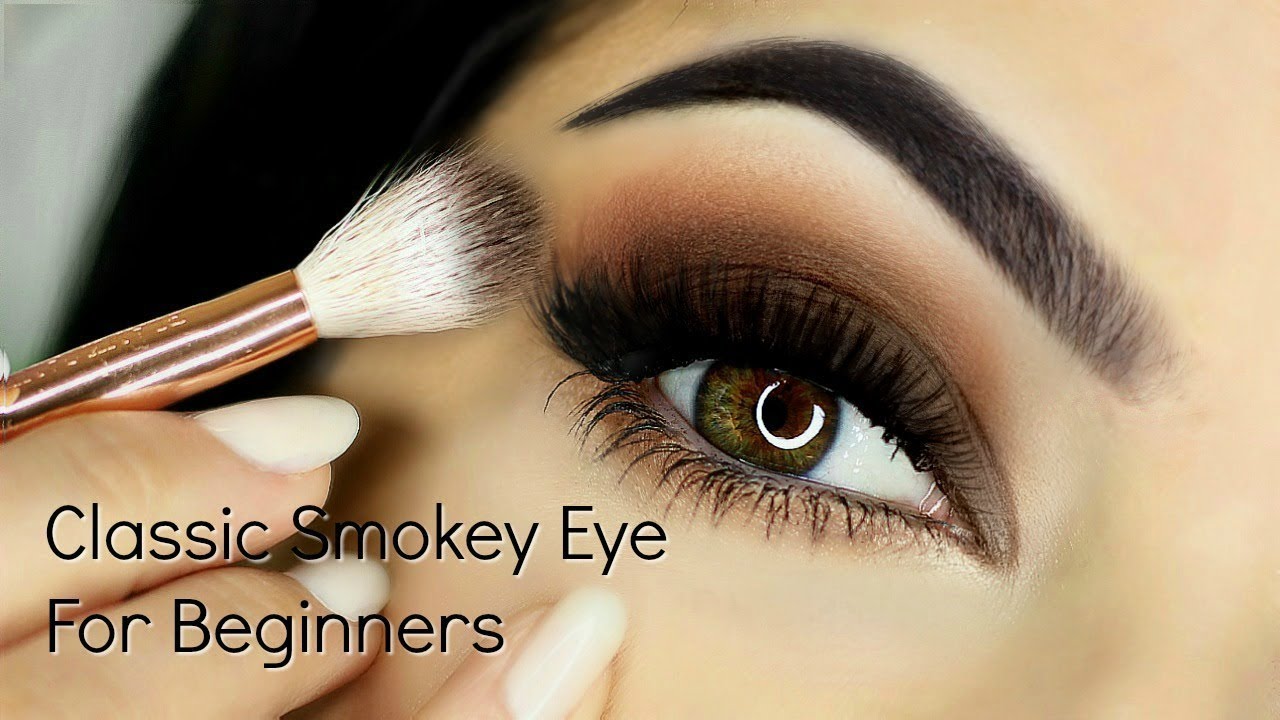
Black anchors the range, and charcoal is the softer option when you want something easier to blend. Plum, deep green, and navy add color without losing depth.
Why a black shadow can read gray
Cosmetic blacks usually come from carbon black or from iron oxides. Carbon black has at least 2 to 3 times the tinting strength of typical black iron oxides, which look gray or brown by comparison (Society of Cosmetic Chemists, 2005).
FDA cleared carbon black as D&C Black No. 2 for eyeliner, eye shadow, mascara, and lipstick, effective August 30, 2004. The listing caps lead at 10 ppm (21 CFR 74.2052, April 2026 edition).
Iron oxides are cleared for the eye area as well, so an iron-oxide black is legal but can land at charcoal. Formula density matters too. Natasha Denona’s Blackest Black lists only iron oxides (CI 77499) as its colorant, yet its retailer copy says it never turns gray.
MAC sells Carbon as its most intense matte black and tells users to prime first and press the color on in layers.
What kohl on a label means
Traditional kohl, kajal, and surma are unapproved color additives in the US, and FDA keeps an import alert on eye products that declare them.
Lead is the concern. Pure Earth’s December 2025 white paper found 29 of 56 kohl, kajal, and surma eyeliners above the 10 ppm limit, with 9 of the 56 above 100,000 ppm.
Plenty of brands use “kohl” only as a shade name. Consumer Reports notes the habit, and FDA guidance tells shoppers to read the ingredient list for approved eye-area color additives such as iron oxides.
Lip shades

Burgundy is the wearable middle. MAC describes Diva as an intense reddish burgundy, which makes it a fair test of whether a deep red suits you before you try black.
Oxblood is red with brown depth. Plum runs cooler and softer on pale skin, and deep berry is the lightest of the group. Black is for full goth only.
Edges and balance decide whether a deep lip looks intentional, and a piece on wearing dark lipstick well covers both.
Finishes
Matte gives the deepest, flattest read, and sharp edges matter most there. Satin is gentler. Makeup artist Colby Smith told Essence a satiny finish keeps smoky eyes with a rich lip sultry instead of sinister.
Shimmer and metallic shades work best on the mobile lid, with the area above the crease left matte (Makeup.com). Glitter sheds onto the cheeks, so press it over a sticky base. A high-shine black gloss is the wet-look option for lips (Makeup.com).
Wet application raises shadow intensity. MAC lists Carbon as usable wet or dry, and Pat McGrath Labs says the same of its Mothership palette shades.
The practical split between flat and creamy lips is laid out in how matte and satin lipsticks compare.
How Do You Match a Dark Look to Your Skin Tone, Eye Shape and Eye Color?
Undertone decides which shades work, and eye shape decides where they go. Eye color only fine-tunes the accent.
Skin tone and undertone

Pale skin carries the highest contrast, which is why goth leans on a pale or neutral base (L’Oreal Paris). A deep plum or burgundy lip is easier to wear there than black.
Warm or olive undertones tend to suit oxblood, brown-burgundy, and bronze accents. Cool undertones do better with plum, navy, charcoal, and true burgundy.
On deeper skin, saturated plum, deep green, burgundy, and metallic shadows hold their color, while gray-based blacks can look flat.
Lip color has its own rules on deeper skin, and a guide to lipstick colors for dark skin narrows the choice.
Eye shape
| Eye shape | Place the dark | Pair or avoid |
|---|---|---|
| Hooded | Slightly above the natural crease, blended upward | Pair with a matte taupe base, skip heavy liner |
| Monolid | Above where a crease would sit, plus the outer lower lashes | Pair with a light shade across the whole lid first |
| Deep-set | Smudged along the lower lash line | Pair with warm beige or metallic peach above the crease |
| Round | Outer corner, stretched horizontally | Avoid light shimmer in the lid center |
Monolid and round notes follow makeup artist Courtney Hart. Deep-set and round notes follow Makeup.com’s eye-shape guides.
Makeup artist Laura Geller recommends a deeper shadow just above the natural crease on hooded lids, so the color stays visible with the eyes open. Chanel Beauty ambassador Marco Antonio adds a primer first, and Ruby Hammer’s rule is that lift comes from placement, not intensity.
Hooded lids need the most adjustment, and a fuller walkthrough of makeup for hooded eyes goes step by step.
Eye color
Brown eyes look good in bronze, burgundy, and plum. Blue eyes pair with charcoal or a warm copper-brown, and green eyes with plum or deep burgundy.
It’s color-wheel contrast at work, with plum against green, copper against blue, and warm tones deepening brown. Black liner suits all of them.
How Dark Should the Look Be for the Occasion?

Match the intensity to the setting. Liner and a berry lip are enough for daytime, a smoked lash line or deep lip works for evening, and the full look belongs at concerts, editorial work, and costumes.
For daytime, use black liner, mascara, and a berry or plum lip, but push only one of the three dark. For evening, a smoked-out lash line with a burgundy lip does it.
Concerts call for smudged liner and a dark lip, since Makeup.com’s grunge guide calls the look gig and festival makeup. Editorial work and Halloween can go further, with metallic smoke and a warm inner-corner glow, as in Pat McGrath Labs’ Mothership II looks, or full black eyes with a vampy lip.
Daytime is where dark looks go wrong most often, because full intensity in an office or in sunlight reads heavy. Starting from an everyday makeup look and adding one dark element keeps the proportions right.
Evening gives the most room. Planning the rest of the face around one dark feature follows the same logic as any makeup routine for a night out.
To tone a look down, cut the lower-lash shadow first, then the contour, then the black lip. Each step removes weight and keeps the shape.
Costume looks carry one extra check. Face paints and theatrical makeup fall under the same FDA color additive rules as everyday cosmetics (Cosmetics & Toiletries, citing FDA).
What Products and Tools Do Dark Looks Need?
A waterproof liner and an eyeshadow primer cover most of it. Add a dense flat brush with a fluffy blending brush, and a palette that has a matte black and a mid-tone brown.
Liner formats

Every liner format trades control against forgiveness, and the table shows where each one lands.
| Format | Pros | Cons |
|---|---|---|
| Creamy waterproof pencil | Blendable for a short window, then long-wear | Blunts, needs sharpening |
| Gel pencil | Waterproof, sharpenable, easy first liner | Sets fast, so smudge at once |
| Liquid liner | Sharpest line for wings | No smudging, replace sooner |
Urban Decay’s 24/7 Glide-On Eye Pencil is the creamy example. The brand says the formula stays blendable for about 30 seconds before it dries down.
Make Up For Ever’s Aqua XL pencil adds range, with 20 shades in 5 finishes. The brand says professional artists tested it under water, on stage, and on camera.
Maybelline’s Tattoo Studio is the gel option, sold as a waterproof, sharpenable pencil. A clean point matters for crisp lines, and a short guide to sharpening the Maybelline Tattoo Studio gel pencil walks through it.
KVD Beauty’s Tattoo Liner is the liquid pick. KVD says to shake it before uncapping and store it flat so the ink flows evenly between uses.
For a first dark look, I’d buy a drugstore gel pencil. It makes the same waterproof, smudge-resistant claims as pricier pencils, and the money is better spent on eyeshadow primer.
Liquid liner and mascara need the earliest replacement. FDA says to discard mascara three months after purchase, a Sutter Health optometrist applies three months to all eye makeup, and the ophthalmologist Beautylish quotes allows three to six months.
Waterline liner
A Scientific Reports survey, covered by The Ophthalmologist in June 2025, found that 42.93% of eyeliner users scored 13 or above on the OSDI dry eye questionnaire, against 33.38% of non-users.
The authors speculate that inner lash application, which sits closest to the eye surface, drives the gap, and they advise avoiding it. That puts eye care at odds with makeup instructions.
On the makeup side, L’Oreal Paris’s July 2025 goth routine tightlines the upper and lower waterlines, and KVD Beauty says its Tattoo Pencil Liner sets fast in the waterline.
Eye-care guidance runs the other way. Ohio State ophthalmologist Mona Adeli says waterline makeup is more likely to block the meibomian oil glands, and she advises lining the side of the lashes farther from the eye.
The survey shows an association, not a cause. Outer lash line liner plus smudged shadow gives most of the effect with less risk, and FDA adds one flat rule. Never use a lip liner as an eyeliner.
Primer, brushes and palettes

Primer decides how long dark shadow holds on the lid.
Urban Decay’s Eyeshadow Primer Potion is the reference product. Its own US product page lists up to 8 hours of wear, while retailer copy for the same primer promises a 24-hour hold, so plan around the lower number.
Original dries transparent, Sin is a nude with an opaque shimmer, and Eden is an opaque matte nude. Pat it on from the inner corner to the outer corner and up to the brow bone, and let it dry, as using Urban Decay’s eyeshadow primer explains in more detail.
A dense flat brush packs black onto the lid, and a fluffy blending brush diffuses the edges. A small pencil brush handles smudging along the lower lash line.
For the palette, look for a matte black and a mid-tone brown, plus a taupe to act as the transition shade.
How Do You Apply a Dark Eye and Lip Step by Step?

Do the eyes before foundation. Dark pigment falls onto bare skin, and bare skin cleans up fastest.
- Pat a thin layer of eyeshadow primer across the lid and up to the brow bone, then let it dry.
- Sweep a soft taupe or brown across the crease as the transition shade, so the dark has something to blend into.
- Press black or charcoal onto the lid and outer corner with the dense flat brush.
- Blend up and out with the fluffy brush in small circles until the edge disappears into the transition shade.
- Draw liner along the upper lash line and smudge it while a creamy formula is still workable.
- Smudge a dark brown or black shade along the lower lash line.
- Add mascara, with false lashes optional.
- Wipe away fallout, then apply base and a cool-toned bronzer in the cheek hollows, jawline, and temples.
- Finish the lips.
The order is contested. L’Oreal Paris’s goth routine starts with the base, while Makeup.com’s goth tutorial applies eye makeup first. Eyes first is the safer call whenever the shadow is loose or very pigmented.
Anyone new to blending can follow a full walkthrough of doing a smoky eye alongside these steps.
For a winged liner, KVD describes drawing small dots along the lash line as a guide, joining them into one shape, and slicing the wing out last.
A cut crease swaps the blended crease for a sharp edge and suits lids with visible space. On hooded lids the fold hides the edge, so keep to the blended version.
For the lips, line first, fill the whole lip with a liner close to the lipstick shade, add lipstick, blot with a tissue, and apply a second layer, a method makeup artist Mary Irwin describes. A guide to applying lip liner covers the shaping.
Let one feature lead. A blown-out black eye pairs with burgundy or brown on the lips, a black lip pairs with a quieter eye, and Makeup.com lists a skin-tone lipstick as a valid neutral lip for goth looks.
What Goes Wrong With Dark Makeup, and How Do You Fix It?

Most failures trace back to fallout, liner that creases or runs, muddy color, a harsh finish, or lips that bleed.
| Problem | Cause | Fix |
|---|---|---|
| Fallout, raccoon eyes | Loose pigment drops onto bare skin below | Do eyes first, press powder under the eyes, lift specks with tape |
| Creasing, fading, running liner | Oily lids, no primer, liner not rated waterproof | Eyeshadow primer, waterproof liner |
| Muddy, gray color | Black blended into a light shade or built too thin | Blend into brown or plum, press color on in layers |
| Harsh, heavy finish | Hard edges, no transition shade | Add a transition shade, blend the outer edge upward |
| Bleeding lips | Oils and fine lines around the mouth | Line before and after lipstick, set with translucent powder |
Beautylish’s fallout guide adds a backstage trick. Press loose powder under the eyes so pigment lands on the powder, then flick it away with a clean brush.
Running liner on oily lids is a formula problem first, and Maybelline sells its Tattoo Studio gel pencil as sebum resistant for exactly that case. A separate piece on stopping eyeliner from running covers the rest.
Artists disagree about lip liner color. L’Oreal Paris says to match the lipstick, RMS Beauty founder Rose-Marie Swift prefers your natural lip color, and Sonia Kashuk uses a colorless pencil.
On a deep lipstick, a matching liner is the safer pick, since any wear at the edge stays the same color.
Bobbi Brown Pro Artist Warren Dowdall adds a powder step. Line before and after lipstick, then press fine translucent powder around the mouth. More detail on keeping lipstick from feathering sits in a separate guide.
Skip dark makeup altogether during an eye infection or when the skin around the eye is inflamed. FDA says to avoid eye cosmetics then and to discard what you were using when it started.
How Do You Make Dark Makeup Last and Remove It Cleanly?
Prime the lid, use waterproof liner, and finish with a setting spray. At night, dissolve everything with an oil cleanser or micellar water first, then cleanse again.
Making it last
Listings for the older Urban Decay All Nighter setting spray say up to 16 hours of wear, while Mecca’s page for the new version says up to 24 hours.
Urban Decay’s directions say to shake it, hold it 8 to 10 inches from the face, and spray after the makeup is on. A short piece on applying setting spray covers the technique.
Primer holds shadow to the lid and cuts creasing on oily lids. Pencils and liquids sold as waterproof resist sweat and tears. L’Oreal Paris says a matte-finish spray suits most gothic looks.
Removing it

Waterproof liner and long-wear shadow dissolve in oil, not plain water. Cleveland Clinic describes double cleansing as an oil-based cleanser first and a water-based one second, with micellar water as an alternative first step.
DHC says to apply Deep Cleansing Oil with dry hands to a dry face, add lukewarm water until it turns milky, then rinse. Bioderma says to soak a cotton pad with Sensibio H2O, wipe until the pad comes away clean, and skip the rinse.
Oil cleansers do not suit everyone. Cleveland Clinic notes that acne-prone skin can break out when an oil-based cleanser is used alone, which is where micellar water plus a water-based cleanser fits.
A separate guide to removing waterproof makeup goes further on stubborn formulas. Black residue in the inner corners of the eyes in the morning signals incomplete removal, according to ophthalmologist Dr. Bradford of McGee Eye Institute.
Around the lashes, Ohio State’s Mona Adeli names baby shampoo as a gentle cleaner.
Dark Makeup Looks FAQ
Why do some dark eye looks make the eyes look smaller?
Heavy shade packed across the whole lid hides the visible lid space, and hooded or deep-set eyes show it most. Makeup artist Laura Geller warns that piling on shadow or liner backfires, so keep the depth at the outer corner and along the lower lash line.
Can you wear dark makeup with glasses or contact lenses?
Yes. Glasses change nothing, but contact lens wearers should pick lens-compatible products, and Sutter Health advises asking an eye doctor for a list.
The same guidance says to skip mascara with fibers.
How should dark makeup change on mature skin?
Lid placement and lip edges need the most adjustment. Keep liner fine and set the dark shade just above the natural crease on hooded lids.
Around the mouth, line before and after lipstick, then press fine translucent powder on, as Bobbi Brown Pro Artist Warren Dowdall advises.
Are false lashes necessary for a dark look?
No. Mascara carries most looks, and L’Oreal Paris’s goth routine relies on a lengthening mascara alone for exaggerated lashes.
False lashes earn their place on monolids, where makeup artist Courtney Hart recommends a winged shape for extra length.
Which Dark Look to Learn First
Beginners should start with the grunge version of dark makeup looks, which means smudged gel-pencil liner, a smoky lower lash line, and a berry lip. Smudging is the goal there, so early mistakes read as intentional.
Start with smudged gel liner on the upper and lower lashes, then move to a transition shade with blended dark shadow, and finish with a lined berry lip. Liner forgives errors, so it goes first. Blending takes a practiced hand, so it’s second, and the lip comes last because bleeding punishes imprecise edges.
Winged liner, cut crease, and black lipstick can wait until the blend holds. The trade-off is polish, since grunge accepts soft, uneven edges that trad goth never does.
Blending skill transfers to every other look, and a guide to applying eyeshadow covers the base technique.

She started writing on the site after fielding the same questions from clients and friends often enough to just write the answers down: which red won't turn orange on a warm undertone, how to keep lipstick from feathering into fine lines, why a "12-hour" formula rarely survives dinner.
Every review on the site follows the same rule she uses with paying clients: wear it first, then decide if it's worth recommending.
- How to Make Eyeliner Last Longer Without Smudging - August 31, 2026
- How to Make Eyeshadow Last Longer All Day - August 29, 2026
- How to Find Your Undertone in 5 Easy Steps - August 27, 2026