Line the lips in a darker shade, put a lighter one in the middle, and blend only where the two meet. The dark color sets the edge and the light one catches the light, so the lips look fuller.
Blend all the way and you get ombre. Stop short and the contrast stays visible, which gives you the graphic version.
People are clearly buying into it. UK sales of brown lip liner, the usual darker half of the double-step lip routine, rose 45% year on year, against 38% for lip liners overall (Circana, 2025).
Which two-toned lip technique fits your look?
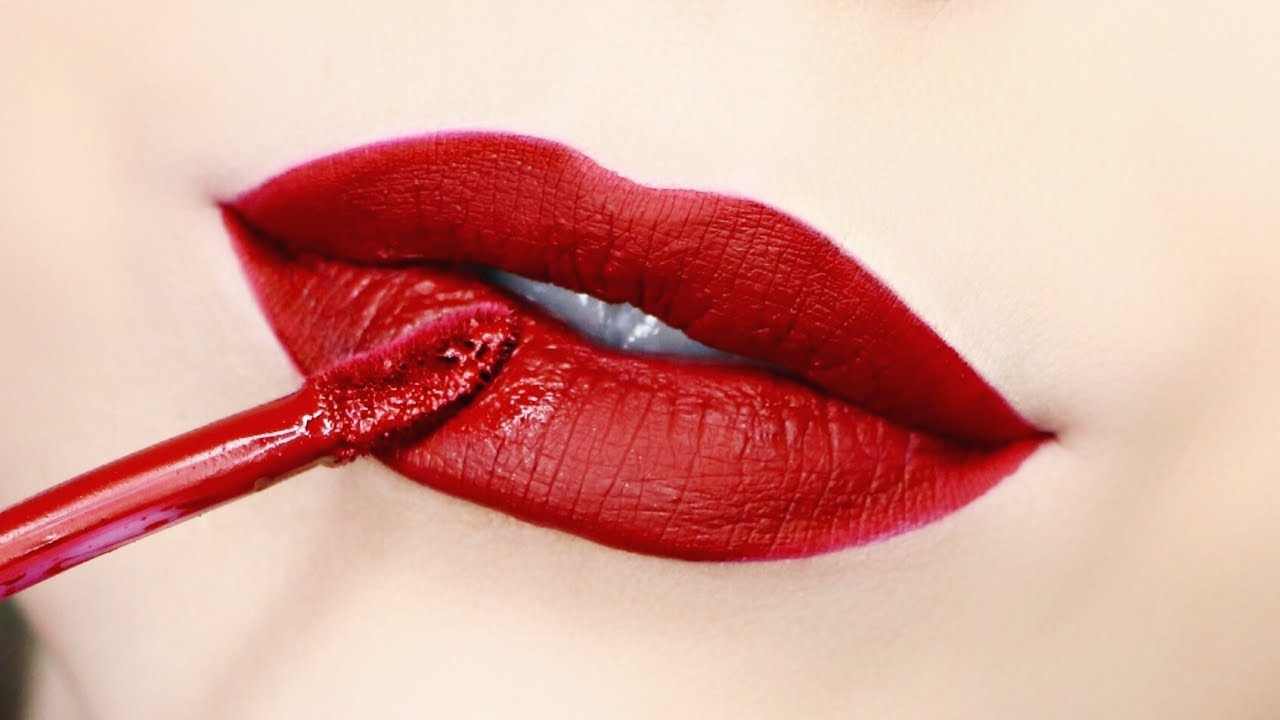
Ombre suits a soft, wearable gradient. A lined-and-filled contrast suits a graphic one. Both fall under the same lip makeup technique, which pairs two colors, or two shades of one color, so the lips gain depth and a fuller look.
People mix up the terms constantly. Ombre blends the shades into a gradient, while the modern two-toned look is more graphic and less perfectly blended, according to Beaut.ie.
| Technique | Look | Pro | Con |
|---|---|---|---|
| Ombre (gradient) | Dark edges fade into a light center | Soft, easy for daily wear | Needs a patient blend |
| Inner-outer split | Darker outer ring, lighter inner shade | Reads clearly as two colors | Any slip shows at the meeting line |
| Top-bottom split | A different shade on each lip | Evens out lips of unequal size | Bold, harder to wear casually |
| Lined-and-filled contrast | Deeper liner around a lighter fill | Defines the lip shape fast | Looks harsh if the liner is not diffused |
| Gloss-over | Lipstick with a different gloss on the center | Two products, almost no blending | Gloss wears off first |
Ombre means a dark shade around the perimeter, a lighter one in the center, and a blend between them. The steps below work for it, though a guide to building a full ombre gradient goes deeper on the fade.
The gloss-over version is the easiest place to start, and honestly the one I’d point most people to first. Dab a different gloss shade on the center of finished lipstick and let it melt into the base color (Beaut.ie describes the method).
Keep the gloss on the center only. A separate walkthrough covers layering gloss over lipstick without dragging the color underneath.
For the split looks, Stylevanity suggests a brighter lipstick on the bottom lip and a slightly darker one on the top when the upper lip is larger. It evens out the proportions optically.
Advanced variants
- Reverse ombre has a darker center and paler edges, cleaned up with a pale liner or concealer (Makeup.com)
- Dark ombre uses a fire-engine red fill, with the corners deepened in black liner (Makeup.com)
Skill level should decide the pick. Two creamy lipsticks and a fingertip are enough for a beginner ombre, per Iba Cosmetics. Split looks and reverse ombre need a steadier hand and a concealer cleanup.
What do you need to make two-toned lips?

Most versions need a liner, two lipsticks (or one lipstick and a gloss) and a small lip brush. The rest is edge control.
- Lip balm
- Lip primer, which smooths the base and limits feathering (MAC Cosmetics)
- Lip liner in the darker shade
- Two lipsticks, or one lipstick plus a stain or gloss
- Concealer for the outer edge
- A small lip brush, a small flat brush and your fingertip
Fingertips do the softest blending. Glamour South Africa found that tiny tapping movements worked best for spreading the lighter shade outward without wiping the edge color away.
Formula matters too. Creamy lipsticks do half the blending work by nature of the formula, while matte ones demand more finesse (Beaut.ie), and the different types of lipstick all blend at different speeds.
For the liner, Makeup.com points to a creamy, easy-to-blend pencil such as the NYX Professional Makeup Line Loud Vegan Longwear Lip Liner.
Whether you need a liner at all is where sources split.
Makeup.com’s ombre guide says never skip it, and to line the lips with an invisible liner or one that matches the outermost shade. Iba Cosmetics calls it optional for a two-lipstick gradient and says concealer on the edge gives the same sharp finish, though a liner helps when the darker shade bleeds or feathers.
The split comes down to what the dark shade is. In a lined-and-filled look the liner is the dark tone, so skipping it removes the look. In a two-lipstick gradient the lipstick plays that role.
If pencils are new to you, read up on what a lip liner actually does before buying one.
How do you choose the two colors?
Stay inside one undertone family, with the darker shade on the edge and the lighter one in the middle. How far apart the two sit decides whether the result looks natural or graphic.
Undertone and shade gap
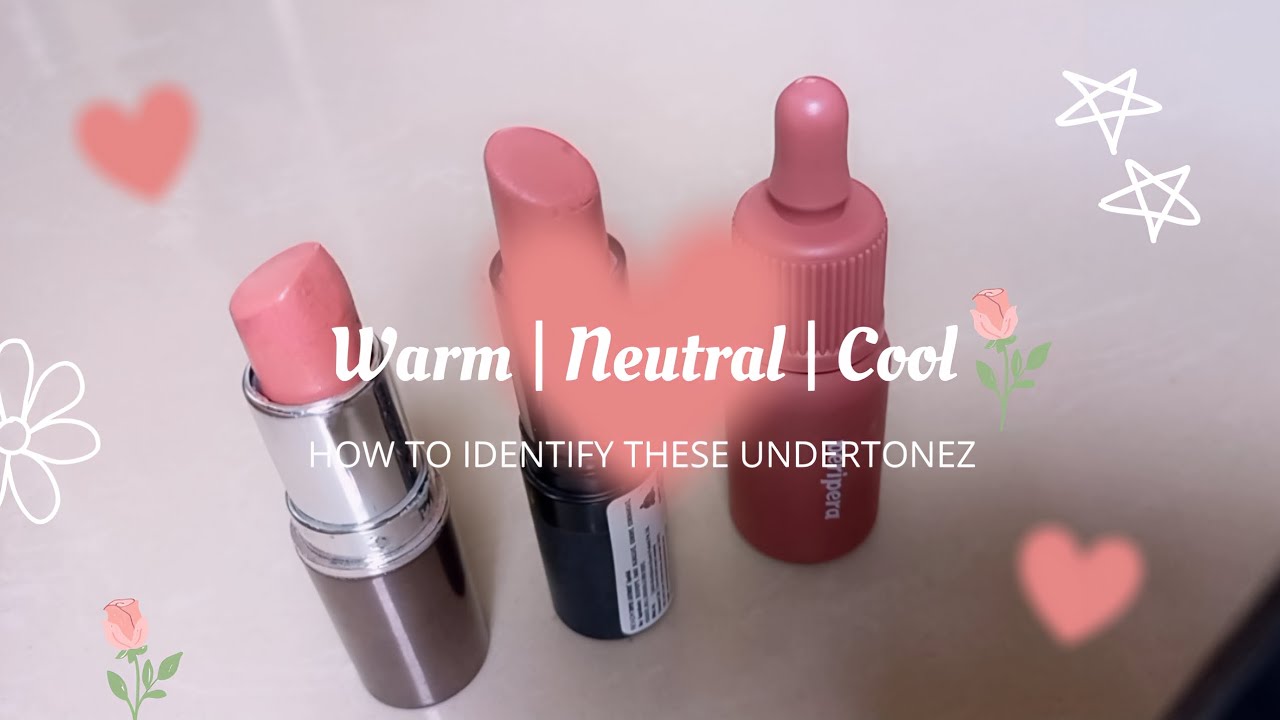
Bobbi Brown senior pro artist Warren Dowdall says cool undertones suit blue or purple bases, warm undertones suit peachy tones, and neutral undertones wear both.
Celebrity makeup artist Sheika Daley told Vogue to start with a liner one to two shades darker than the natural lip color.
Estee Lauder puts a ceiling on it. The liner should share the lipstick’s undertone and sit no more than two shades darker. Who What Wear’s guide goes further for ombre, recommending 2 to 3 shades darker, against 1 shade for a natural finish.
The sources disagree because they measure from different baselines (natural lip color versus lipstick) and aim at different results.
Roughly, 1 shade keeps things natural and 2 gives a visible gradient. 3 shades is deliberately graphic, and only works with matching undertones.
Huda Beauty adds a clash rule. A red lipstick needs a red liner, because a pink one fights it. For picking the pencil itself, this guide to choosing a lip liner shade covers the details.
A few pairings hold up well.
- Brown liner with a nude center (Makeup.com, MAC Cosmetics)
- Two reds sharing an undertone (Lancome)
- Orangey red with pink, or brick red with burgundy (KIKO, which warns against mixing cold and hot shades unless you want a striking look)
- Revlon Colorstay Lip Liner in Chocolate under Revlon Bare It All lipstick, a combination Money reported on
Finish combinations
Finish changes how visible the two tones are. Matte edges with a glossy center show the contrast most clearly, and Glamour South Africa found that a slick of clear gloss accentuated the ombre effect.
Matte with satin is a softer pair with less shine, and a good place to compare how matte and satin lipsticks differ in wear and comfort. A stain with balm over it works another way, since the stain gives a diffused inner tint while the balm adds slip on top.
Nykaa recommends a pigmented satin or matte lipstick for the outer shade, since a weak pigment fades into its neighbor.
How to do two-toned lips step by step
Darker shade first, lighter shade in the center, blend last.
- Exfoliate only if the lips are flaky, apply balm, then blot the excess.
- Dab a thin layer of foundation or concealer around the lip line for a sharper outline (Oriflame).
- Line with the darker shade, starting at the cupid’s bow. Outline the lips, then diffuse the color inward.
- Fill the center with the lighter shade, overlapping the liner slightly, as MAC Cosmetics advises for its Lip Pencil.
- Press the lips together and release, then tap the seam where the two meet with a fingertip or a small brush.
- Clean up the outer line with concealer and a small flat brush. Add gloss or balm to the center, or leave it matte.
Exfoliation is for flaky lips only. Dermatologist Suzanne Friedler told Healthline that healthy lips do not need it, and that very dry ones benefit from gentle scrubbing once or twice a week.
Sugar or salt mixed with a nourishing oil is the usual route, and natural ways to exfoliate lips are covered separately.
Smile while you smudge the outline. Oriflame says it keeps the lipstick from feathering at the edges.
For the blend, a MAC Cosmetics makeup artist advises pressing and releasing the lips for around 20 to 30 seconds. Rubbing them side to side merges the shades into one color and kills the ombre effect.
The same logic runs through any good lipstick blending method. Press and tap, never drag.
The most common slip is a liner line that never gets diffused. If the seam still reads as a stripe after blending, re-tap it with a clean fingertip before adding more product.
How do two-toned lips change lip shape?
The lips look fuller without changing size. A lighter, glossier center reflects light and reads as volume, and a darker edge defines the border.
Oriflame’s makeup team explains it with basic color theory. Surfaces that reflect light look larger, and very dark ones absorb it and appear to shrink.
Thin lips and full lips use that principle in opposite directions.
On thin lips, keep the dark shade narrow and run it just beyond the natural line, as makeup artist Lauren Cosenza advises, then add clear gloss to the bottom lip. Full lips go the other way. Pull the dark shade further inward so the edges recede, and keep the light center small.
For a flat cupid’s bow, Cosenza suggests dusting highlighter across it.
Overlining is the other lever. Makeup.com’s guide to faking fuller lips lines the edge with a pale pencil, extends it slightly beyond the lip at the center, and saves the darker pencil for the corners.
A visible outline gives overlining away, so the pencil should sit close to the natural lip color and get blended in. Placement rules for smaller mouths are covered in more detail in this guide to applying lipstick on thin lips.
Check the result in the light you will actually wear it in. Obsessive Compulsive Cosmetics’ David Klasfeld told HuffPost that a look that seems overdone under a makeup mirror can read as too natural in a restaurant or club.
Why do two-toned lips go wrong, and how do you fix them?
Nearly every failure traces back to dry lips underneath or an unprotected edge.
| Symptom | Cause | Fix |
|---|---|---|
| Harsh line | Liner never diffused | Blend inward; use a pencil near the natural lip color |
| Patchy blend | Dry flakes or product buildup | Smooth the lips first; blot worn spots before reapplying |
| Feathering | Fine lines and oil around the mouth | Thin concealer or foundation line at the lip edge |
| Bleeding | Slippery or glossy product, excess balm | Blot balm, keep gloss off the edge, line with a barrier liner |
| Dry flaking | Skipped prep, ultra-matte formula | Gentle exfoliation, thin balm, creamy formula |
The harsh line is the signature failure of two-toned lips. RMS Beauty’s Rose-Marie warns that a pencil matching a bold lipstick leaves a bright outline behind as the color fades, and recommends a pencil close to the natural lip color for that reason.
Shine adds to the problem. Thrive Causemetics says the shinier a lip product, the more likely it bleeds, which is why the gloss in a gloss-over look stays in the middle.
Liner also divides sources here. Napoleon Perdis calls it the thing that stops bleeding before it starts, which puts it at odds with Iba Cosmetics, where a liner is optional for two-lipstick gradients.
The practical rule is simple. Skip the pencil only when your edges stay put without it.
Feathering has a concealer fix. Red Apple Lipstick suggests a very thin line of concealer or foundation around the outer lip edge, applied with a clean brush.
If color escapes anyway, lift it with a cotton swab and dust powder around the mouth before touching up. A full routine is laid out in this guide to stopping lipstick from feathering.
For flaking, Smytten recommends a balm-blot-apply routine: gentle exfoliation, a lightweight balm, then blot before color. Makeup artist Gabriel Almodovar, quoted by Makeup.com, adds that cracked lips should not be exfoliated at all, and that a creamy finish suits chapped lips best.
There’s more on wearing lipstick over dry lips, including which formulas cooperate.
When to adapt or skip the look
With cracked or sore lips, skip the ultra-matte version and use a creamy two-tone instead (Almodovar).
Pronounced lines around the mouth are the other case. The more pronounced the lines, the more likely lipstick bleeds into them, according to makeup artist Irwin on Dermelect’s blog.
Irwin says matte formulations are the least likely to bleed. On lined lips, a soft matte gradient with an edge barrier is a safer choice than a crisp liner contrast.
How long do two-toned lips last?
Plan on touching up after any meal. Brand claims run well above what independent tests find.
Rimmel promised seven hours for its Lasting Finish lipstick, but The Globe and Mail’s testers saw the shade fade dramatically after three hours and lose to a meal. The same older review cites a Which? test of 17 long-wear lipsticks, where most did not survive a meal.
Manufacturer figures deserve the same caution. Skindinavia claims its finishing spray keeps makeup in place for up to 16 hours, a general brand claim with no independent test behind it and no specific promise for lipstick.
Thin layers and a set finish do more than any claim on the tube. Makeup artist Jenny Patinkin told NBC News that the thinner the layer, the longer the wear.
She also suggests a stain as the first layer, then a freshly sharpened liner to line and fill the lips, then a blot.
- Blot once after the first layer
- Add a second thin layer
- Hold a tissue over the lips
- Dust translucent powder through the tissue
The tissue lets only a little powder through, and that thin veil is what sets the color. Women’s Weekly Singapore describes the same sequence, and a longer walkthrough sits in this guide to setting lipstick with powder.
Powder dulls shine, so add the gloss for the center after setting, not before. For general wear-time habits beyond this look, see making lipstick last longer.
For touch-ups, the center fades first, according to Nykaa’s blog on reapplying matte lipstick, so re-dab only the lighter shade there.
Blot away what is left on worn areas before adding product. Smytten notes that layering new color over partly worn lipstick is a common cause of patchiness.
Two-Toned Lips FAQ
Where did two-toned lips come from?
The look traces back to Black and Latina culture, where women wore bold lip liner long before mainstream beauty accepted it. Many lined their lips with brown brow pencils or eyeliners, and white celebrities adopted the style in the early 2000s.
Why did the 90s version look so harsh?
It paired plenty of concealer with a hard, dark brown line drawn around the natural lip, with nothing softening the edge. Modern versions diffuse the deeper liner into the lip color instead, so the contrast reads smoother.
Can you get two-toned lips with just lip liner and gloss?
Yes. Line the lips with a darker pencil, then coat them in a gloss shade you like.
The gloss supplies the second tone, and the pencil keeps the edge defined, so no lipstick is needed.
What eye makeup goes with two-toned lips?
Sources disagree. Makeup.com’s ombre guide says a heavy eye and a light eye both work, while The Beauty Department advises keeping the rest of the face low-key so a bold lip has no competition.
When the lip contrast is strong, pick one focal point and let the eyes stay quieter.
How do you remove two-toned lips without smearing the color around?
Press, do not rub. Hold a cotton pad soaked in oil-based remover or micellar water on the lips for a few seconds, then wipe gently.
Iba Cosmetics suggests leaving an oil cleanser or thick balm on for 20 to 30 seconds first. Finish with a moisturizing balm.
Are two-toned lips wearable during the day?
Yes, with a smaller gap between the shades and creamier formulas. Woolworths’ beauty editors recommend warm, creamy shades for a 9-to-5 under harsh office lights, and deeper reds or vampy colors for evenings in softer light.
Which Two-Toned Lip Look to Try First
Start with the gloss-over, move to a two-lipstick ombre, and save the lined-and-filled contrast for last. Each step adds one skill, so any mistake has one likely cause.
Gloss-over tests placement only. Ombre adds blending, and the lined-and-filled contrast adds edge control on top of both.
Combine Who What Wear’s ceiling of 3 shades for ombre with RMS Beauty’s warning that fading lipstick leaves the pencil line behind. A 3-shade gap then suits only a wearer who can retouch the edge.
The trade-off is upkeep, since a wider contrast buys fuller-looking lips with more frequent edge retouching.
Picking the two shades is the first decision at every stage, and a guide to picking a lipstick color that suits your skin tone is the natural next read.

She started writing on the site after fielding the same questions from clients and friends often enough to just write the answers down: which red won't turn orange on a warm undertone, how to keep lipstick from feathering into fine lines, why a "12-hour" formula rarely survives dinner.
Every review on the site follows the same rule she uses with paying clients: wear it first, then decide if it's worth recommending.
- How to Make Eyeliner Last Longer Without Smudging - August 31, 2026
- How to Make Eyeshadow Last Longer All Day - August 29, 2026
- How to Find Your Undertone in 5 Easy Steps - August 27, 2026