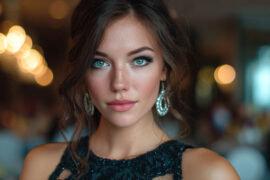

Lilac is having its moment, and it is not going anywhere.
Lilac makeup looks work across skin tones, occasions, and skill levels, but only when you understand which shade, finish, and placement actually suit you.
This guide covers everything from a soft lilac eyeshadow wash to a full monochromatic look with lilac blush and lip color. You will find specific guidance for fair, medium, olive, and deep skin tones, plus product picks that deliver real pigment payoff.
By the end, you will know exactly how to wear this cool-toned pastel without the guesswork.
What Lilac Makeup Is
Lilac is a pale purple with a cool, blue-leaning base. It sits between lavender and soft violet on the color spectrum, and the difference actually matters when you’re standing in front of a makeup display trying to figure out which pan to pick up.
Lilac reads as a blend of white, pink, and blue. That’s what separates it from its relatives.
| Shade | Undertone | Feel |
|---|---|---|
| Lilac | Blue-pink mix | Soft, airy, cool |
| Lavender | Blue-dominant | Cooler, slightly muted grey |
| Mauve | Brown-pink base | Warm, muted, earthy |
| Violet | Blue-red base | Deep, rich, highly saturated |
Finish type shifts how lilac reads on the face. A matte lilac looks flatter and more pigmented. A shimmer version picks up light and reads softer. A duochrome lilac can shift toward blue or pink depending on the angle, which is either exciting or tricky depending on your skin tone and the look you’re going for.
Cosmetics Business named lilac 2025’s standout beauty color, citing a consumer shift toward calmer, more introspective hues after years of loud color stories like Barbiecore and Brat.
This distinction isn’t just academic. If you accidentally buy a mauve thinking it’s lilac, the whole look changes. Mauve pulls warm and brown-pink. Lilac pulls cool and blue-pink. They’re not interchangeable, especially on fair or medium skin tones where the undertone difference becomes obvious the second it’s on the lid.
Lilac Eyeshadow Looks

Lilac eyeshadow was spotted across Milan and Paris spring/summer 2024 runways at Balmain, Issey Miyake, Givenchy, and Rodarte. It’s been moving steadily from editorial to everyday since then.
There are a few distinct ways to wear it, and they don’t all require the same skill level or the same amount of time.
Soft Wash of Lilac on the Lid
This is the entry point. One shade, applied with a fluffy brush from lash line to crease, blended out softly at the edges.
- Works best with a shimmer or satin finish for daytime
- Pair with a nude or brown lower lash liner to keep it grounded
- Mascara only for lashes, no liner needed
Trendalytics data shows lilac searches grew 10.2% year-over-year in 2023, driven in part by the soft, minimal makeup aesthetic that soft wash looks fit into perfectly.
Lilac Cut Crease
The logic behind a cut crease: you’re creating contrast between the lid and the crease to make the eye appear larger and more defined.
For a lilac version, the setup is: pale lilac on the lid, deeper plum or navy in the crease, and a white or vanilla concealer to carve the clean line between them.
- Prime the lid first or the crease color will migrate
- Use a small, stiff brush to place the concealer line precisely
- Keep the lid lilac bright by pressing (not swiping) it on
- Add a white shimmer in the inner corner to lift the look
The cut crease technique dates back to silent film-era makeup, where artists needed strong eye definition for black-and-white cinematography. It’s been reworked constantly since, and the lilac version lands somewhere between soft glam and editorial.
Smoky Lilac Eye
Lilac as the base, deep plum or navy pushed into the outer corner and blended through the crease.
This one is specifically about diffusion over sharpness. No hard lines. Everything blends into everything else. The lilac reads brightest on the lid, then transitions into the darker shade toward the outer corner and socket.
- Smudge a dark pencil along the lower waterline to tie the look together
- Avoid adding highlight on the brow bone if the look feels too heavy
Check out these purple makeup looks for more smoky and blended variations to build from.
Graphic Lilac Liner
Liner-only approach. No eyeshadow. Just a precise lilac line placed above the lash line, floating in the socket, or drawn as a graphic shape on the lid.
This works best with a pigmented gel or liquid liner, not a powder pencil. Powder smudges too easily and the precision disappears. NYX and Urban Decay both carry usable lilac liner options at different price points.
Lilac Eyeshadow on Different Eye Shapes
Eye shape changes where color goes, not what colors you use. Lilac works on any shape. Placement is the variable.
| Eye Shape | Placement Tip |
|---|---|
| Hooded | Place shadow slightly above the natural crease so it’s visible with eyes open |
| Monolid | Focus color on the outer third of the lid and softly smudge the lower lash line |
| Deep-set | Keep lilac/lighter shades on the lid; avoid overly dark colors in the crease |
| Almond | Works with all placements; most versatile and forgiving eye shape |
For hooded eyes specifically, the rule is almost always to work slightly above where you think the color should go. Apply with eyes open to check placement as you go.
Lilac Eyeshadow on Different Skin Tones
Cool skin tones (fair to medium with pink or neutral undertones) tend to get along with blue-leaning lilacs best. Warm undertones, olive, and deeper skin tones usually do better with pink-leaning lilac, which bridges the gap between cool shadow and warm skin without creating an ashy or disconnected look.
For deeper skin tones, makeup artist Pati Dubroff advises using dense cream formulas first, then layering powder on top to get a vivid pop rather than a washed-out result. A light pastel application on deep skin can read ashy. Intensity matters here more than it does on fair skin.
Blue eyes: lilac in the crease with a champagne or gold on the lid reads soft and complementary. Green eyes: lilac creates color contrast that makes the green appear more vivid. Brown eyes: most open to experimentation, but a deeper plum mixed in adds dimension. Hazel eyes: try a warm pink-lilac to echo the green-brown tones already in the iris.
Lilac Eyeliner Looks

Liner-only lilac looks have been gaining traction since 2024, especially as a way to wear color without committing to a full eyeshadow look. It’s one product, applied in a few minutes, with a result that reads as intentional rather than done-up.
Tight-Line or Waterline
A lilac pencil on the waterline brightens the eye and creates a softer, cooler look than a classic black tight-line. It also slightly changes the perceived eye color on people with light irises.
Formula matters: use a creamy, waxy pencil for the waterline. Hard formulas drag and skip. Soft formulas transfer. You want something in between.
- Charlotte Tilbury’s Rock ‘n’ Kohl liner works for this application
- Reapply after a few hours if the waterline look fades
Smudged Lower Lash Line
Different from a neat waterline look. This one involves applying a lilac pencil or powder shadow along the outer two-thirds of the lower lash line, then smudging it outward with a small brush or fingertip.
The result is soft and blurry, not sharp. It ties together a lilac lid without drawing a hard line under the eye. Keeps the cool-toned palette cohesive without adding weight.
Graphic Floating Liner
Place the liner above the crease, disconnected from the lash line. It floats in open space above the lid. This is the most editorial of the three options and works best on almond or monolid shapes where the space above the crease is visible when eyes are open.
Lilac liquid liner is the only formula that works here reliably. Anything less precise loses the whole point of the look.
For more liner placement and application techniques, the full guide on how to apply eyeliner covers brush types, angles, and working with different eye shapes in detail.
Lilac Lip Looks

Lilac lip color is tricky for one main reason: if the undertone is wrong for your skin, it can make you look washed out or unwell rather than cool and editorial. But when it works, it works well. The global lipstick market is projected to grow at a CAGR of 4.7% from 2025 to 2030, with cool purple shades gaining traction as part of that shift, per Accio market data.
Sheer Lilac Gloss
Easiest entry point into lilac lips. A sheer gloss adds just a wash of color and reads more as a tinted shine than a statement.
Pair it with a stronger eye look to keep the face balanced, or wear it with no other color for a minimal, cool-girl result. The low commitment makes this a good starting point if you’re not sure how lilac reads on your skin tone.
Understanding the difference between finishes helps here. A full breakdown of what lip gloss is and how it differs from other formulas covers the texture, wear, and finish differences in full.
Full-Coverage Matte Lilac Lip
This is the version that requires prep. Dry lips under a matte formula look patchy and flaky within an hour. Exfoliate first, apply a thin layer of balm, blot, then go in with the lilac.
- Lip liner in a matching cool lilac or mauve shade prevents feathering
- A blue-toned lilac matte works on fair and cool-toned skin
- Pink-toned lilac matte works on medium and olive skin
- Deeply pigmented lilac matte works on deep skin (avoid pale pastels here)
For skin tone-specific matte lip guidance, the pages on matte lipstick for fair skin and matte lipstick for dark skin are worth reading before you commit to a shade.
Ombre Lilac Lip
Lilac on the outer corners of the lips, lighter pink or white in the center. The gradient creates the illusion of fuller lips while keeping the cool-toned color.
Application method: use a lip brush or fingertip to blend the center shade outward in a very short radius. Over-blending loses the ombre effect entirely. The border between shades should be soft but still visible.
The full technique for how to do ombre lips covers blending methods, product combinations, and liner prep in detail.
Skin Tone Pairing for Lilac Lips
This is where most people run into trouble. Pale lilac on very fair skin can disappear entirely or read as if you’re unwell. Deep skin needs saturation. Medium and olive skin usually needs a pink-leaning lilac to avoid looking grey.
| Skin Tone | Best Lilac Lip Approach | Avoid |
|---|---|---|
| Fair / Cool | Blue-leaning lilac with medium pigment | Overly pale or frosty lilac |
| Medium / Neutral | Pink-lilac in gloss or matte finishes | Grey-leaning, dull lilac tones |
| Olive | Pink-toned lilac with clear warmth balance | Very cool or blue-heavy lilac shades |
| Deep | Rich violet-lilac with strong pigment payoff | Sheer, pastel, or low-coverage formulas |
Lilac Blush and Monochromatic Looks

Purple blush has been going for nearly three years now without fading. Pinterest called it one of the biggest trends for 2025, alongside aura makeup and Rococo beauty. The category has expanded far past novelty at this point.
How Lilac Blush Works
Unlike pink or peach blush, lilac contains blue undertones that neutralize yellow in the skin. Beautify.Tips reported in early 2025 that purple blush functions like a color corrector for sallowness, giving an oxygenated look to the complexion rather than just adding warmth.
On deeper skin: creates a rich, dimensional flush that catches light. On medium tones: adds a cool warmth that reads differently than bronze. On fair skin: gives that slightly flushed, editorial glow without looking pink-pink.
Placement for Lilac Blush
Higher than traditional placement. Lilac blush applied on the apple of the cheek tends to read flat or overly pink from a distance. Dust it on the upper cheekbone, close to the temples, and blend upward and slightly toward the hairline.
- Use a fluffy, domed brush for powder lilac blush
- Tap off excess before applying, pastel pigments can deposit heavily
- Layer over a warm blush if you want depth with the cool tone on top
Building a Monochromatic Lilac Look
Monochromatic lilac means eye, cheek, and lip all pulling from the same color family. It sounds like a lot but it actually reads as cohesive and intentional rather than overdone, as long as you vary the finish across the face.
A workable formula: matte or shimmer lilac on the eyes, powder lilac blush on the cheeks with a light hand, sheer lilac gloss on the lips. Three products, three finishes, one color family.
MAC and REM Beauty both carry products that can double as eye and cheek color in lilac-adjacent shades, which simplifies the process. Multitasking products also reduce the risk of the look reading too heavy from stacking multiple pigmented formulas on the face.
For building and layering blush on different face shapes, the technique changes based on your bone structure. What works high on a sharp cheekbone looks different on a rounder face shape.
More pink makeup looks built on a similar monochromatic logic are worth scanning if the single-color approach appeals to you.
Lilac Makeup for Fair Skin

Fair skin and lilac is not automatically a match. The issue is saturation. A lot of people with fair skin try a pale, cool lilac and end up looking washed out or slightly unwell. The fix isn’t to avoid lilac entirely. It’s to choose the right version of it.
Which Lilac Shades Work on Fair Skin
Color theory confirms that cool undertones pair best with lilac, mauve, icy pink, and cool greys, per Morphe’s makeup color theory guide. For fair skin specifically, the lilac needs enough pigment to read as a color rather than a shadow or a bruise.
- Pink-leaning lilac tends to be more forgiving than blue-leaning on very pale skin
- Shimmer formulas catch light and prevent the washed-out problem better than matte
- A medium-pigmented shade is safer than extremely pale or extremely saturated
Avoiding the “Bruised” Look
This is the main concern with lilac on fair skin. A blue-heavy, dark lilac without warmth nearby can read as a bruise rather than a makeup look.
Two fixes: add warmth elsewhere on the face (a warm blush, a bronze on the lids as a transition shade), or choose a pink-lilac instead of a blue-lilac. Both work. The first approach is more flexible and lets you keep using blue-toned lilac products you already own.
Complementary Colors on Fair Skin
Lilac works especially well with warm contrast on fair skin. Bronze, gold, and warm brown pulled into the crease or used as a transition shade stop the look from reading too cold.
| Pairing | Where to Apply | Effect |
|---|---|---|
| Bronze | Crease as transition shade | Warms the look and prevents a flat, cool appearance |
| Gold shimmer | Inner corner highlight | Brightens and visually lifts the eyes |
| Warm brown | Outer corner | Adds depth without making the look too dark |
| Peach blush | Cheeks | Balances cool lilac tones with warmth in the face |
For foundation and base considerations on fair skin, lipstick colors for fair skin covers undertone matching in depth. The same undertone logic that applies to lip color applies to eyeshadow selection.
Dior’s lilac collection launch in spring 2024 was one of the early signals that the color was moving from trend to category staple. They don’t release full collections around shades that haven’t proven commercial demand.
Lilac Makeup for Medium and Olive Skin

Medium and olive skin tones have green or golden undertones sitting underneath the surface. That’s the part that makes or breaks a lilac look on these complexions.
A blue-heavy lilac applied over warm, golden skin can look disconnected, even grey. But a pink-leaning lilac bridges the gap. Per Woman and Home Magazine’s 2025 beauty guide, olive skin’s green undertones are actually neutralized by purple’s position opposite yellow on the color wheel, which creates a balanced, glowing effect when the shade is right.
Which Lilac Works on Olive Skin
Pink-toned lilac is consistently the safer pick here. It echoes the skin’s warmth without fighting against it.
- For eyes: focus lilac on the lid with a warm bronze or terracotta in the crease
- For lips: a lilac with a pink base prevents the grey, cool-lip problem
- For blush: Glossier Cloud Paint in Wisp (a lilac-plum blend) performs well on medium and olive tones, per Marie Claire UK testing
Avoid blue-dominant cool lilacs directly on olive skin without a warm transition shade nearby. The contrast reads flat.
Lilac Makeup on Medium Skin
Medium skin is the most flexible. Most lilac shades work. The main variable is saturation, not undertone.
Makeup artist Ashleigh Ciucci, quoted by Makeup.com, recommends violet and plum for medium skin to cancel sallowness and brighten the complexion. A mid-saturation lilac (not the palest pastel, not the deepest violet) lands best as a standalone shade.
For complementary color pairings on medium skin:
- Terracotta blush: grounds the cool eye with warm cheek color
- Gold highlight: bridges lilac and skin tone at the brow bone
- Warm nude lip: keeps focus on the eye without competing
More color-matching guidance for this skin range is in the section on lipstick colors for olive skin, which covers how warm and cool tones read differently depending on depth and undertone.
Lilac Makeup for Dark and Deep Skin

Pale pastel lilac on deep skin reads ashy. Full stop. This is the single biggest mistake people make when trying lilac on deeper complexions.
The fix isn’t avoiding lilac. It’s going richer. Deeper, more saturated violet-lilac shades hold against deep skin. Pale, white-based pastels do not.
Pigmentation First
Essence magazine’s 2024 lilac blush roundup found that products without a white pigment base perform significantly better on dark skin tones because they avoid the ashy finish. Haus Labs’ cream lilac blush was highlighted specifically for this reason. Its formula blends into deeper skin rather than sitting on top of it.
What to look for in products:
- Cream or liquid formulas over powder for eyes and cheeks
- Buildable coverage that layers without going chalky
- Deeper violet-lilac rather than pastel lilac for lips
- No white base in the formula (check the ingredient list or reviews from deep skin testers)
Shade Selection for Deep Skin
Deep skin and deep-rich lilac are a strong match. Think violet-lilac, not powder-pink-lilac.
| Product Type | Best Lilac Approach | Avoid |
|---|---|---|
| Eyeshadow | Richly pigmented violet-lilac, ideally with a cream base | Pale pastel powder lilac shades |
| Blush | Deep lilac-plum in liquid or cream formulas | White-based or chalky powder blush |
| Lip Color | Full-coverage violet-lilac with dense pigment | Sheer, frosty, or overly pale lilac tints |
Highlight and Liner Choices
Gold and copper highlighter placement pairs naturally with lilac on deep skin. It adds warmth and dimension without pulling the look cold.
For liner, a deep plum or black-violet along the lash line anchors a lilac eye look on deep skin far better than a pale liner or no liner at all. The contrast is part of what makes the color pop rather than disappear.
Juvia’s Place is worth noting here. Their pigment levels are specifically designed with deeper skin tones in mind, which led to the viral 2024 TikTok discussion about pigment standards in mainstream beauty products.
Deeper lilac makeup looks sit well alongside dark lipstick makeup looks that use similar deep-toned product logic. The formulation approach is nearly identical.
Lilac Makeup for Specific Occasions
The same lilac shade can look completely different depending on how much of it you use and what you pair it with. Context matters more than the color itself.
Everyday and Office-Appropriate

One product. That’s the whole approach.
A shimmer lilac wash on the lid with mascara. A lilac liner on the waterline with clean skin and brows. A sheer lilac gloss over a bare lip. Any of these works as a single-product weekday look.
The goal is a cool-toned lift without an obvious “I’m wearing makeup” result. Brides opting for soft washes of lilac in the wedding context shows the same instinct, per The Wed’s 2025 bridal trends guide. The look reads polished at low intensity.
Wedding and Formal Events

Dreamy washes of lilac across the eyes have been identified as a key bridal beauty trend for spring/summer 2025, per The Wed’s makeup trend forecast. Paired with dewy skin and a barely-there lip, it’s one of the cleaner, more wearable formal eye looks available right now.
- Use a satin or shimmer finish for longevity and light-catch in photos
- Pair with a nude or soft pink lip to avoid competing color blocks
- Set the look with a fine-mist setting spray to prevent crease through a long event
More on building a complete bridal look is in the guide to wedding makeup looks, which covers foundation prep, eye looks, and lip pairing in full.
Night Out: Intensifying the Look
Same color, more everywhere. That’s how a daytime lilac look becomes a night-out look.
Push the crease color deeper (add plum or navy). Smudge lilac shadow along the lower lash line. Swap the gloss for a matte or metallic lilac lip. Intensify the liner. The core palette stays the same. The weight of it changes.
| Occasion | Intensity | Key Product / Focus |
|---|---|---|
| Everyday | Minimal, single-focus | Shimmer lid wash or glossy lip |
| Wedding / Formal | Soft, layered | Satin eyeshadow with setting spray |
| Night Out | Medium to bold | Plum crease with matte lilac lip |
| Festival / Editorial | High-impact, graphic | Liner work with duochrome or metallic lid |
Festival and Editorial
This is where you can stop being careful. Graphic liner above the crease. Duochrome lilac shifting to blue or pink depending on light. Lilac paired with neon, silver, or holographic elements.
Sensient Beauty’s 2024/2025 color trend report noted that soft, shimmery lilac on eyelids was a runway staple at Balmain and Issey Miyake, and the editorial interpretation pushed it even further with bold contrasts. Orange lips with a lilac eye is a specific combination from that runway season that works against all logic but photographs extremely well.
For the full category of high-color, high-commitment eye work, colorful makeup looks covers the broader range of ways to use saturated pigment without the result looking messy.
Products to Create Lilac Makeup Looks

The difference between a lilac look that works and one that doesn’t often comes down to formula, not shade. Pale shades need good pigmentation. Shimmer formulas need to be finely milled. Matte lilac needs to be blendable enough to not sit in harsh patches on the lid.
The global lipstick market is growing at a projected CAGR of 4.7% through 2030, per Accio market data, with cool purple shades gaining market share. The category has real commercial momentum, which is why product options in lilac have multiplied noticeably since 2023.
Eyeshadow Palettes With Strong Lilac Coverage
Palettes worth knowing:
- ColourPop “Lilac You a Lot”: soft lavenders, mauves, and shimmery lilac pans, affordable entry point
- Natasha Denona Lila palette: high pigment, cream-powder formula, wears 8-9 hours per Temptalia’s testing
- Urban Decay Naked3: rose-hued neutrals with cool lilac-leaning shimmers, cult favorite for a reason
- Charlotte Tilbury palettes: tend toward more wearable, blended versions of lilac across their color-story releases
For standalone pigments, Pat McGrath Labs and Makeup Forever both carry individual lilac shades with strong payoff. These are useful if you already have a palette and just need one or two lilac pans to round it out.
Lip Products by Finish
Three finish categories, three different use cases.
Gloss: sheer coverage, adds shine, good for beginners or low-commitment days. HAUS LABS Color Fuse in Glassy Lilac works across skin tones and doubles as a cheek product.
Matte: highest pigment, most demanding on prep. Requires lip liner and exfoliated lips to avoid patchiness. Understanding what matte lipstick is and how the formula behaves helps set realistic expectations before buying.
Liquid lipstick: longer wear than traditional bullet, harder to remove. Works well for deeper violet-lilac shades on deep skin. A quick look at how long liquid lipstick lasts is useful here since wear time varies significantly across formulas and skin types.
Lilac Blush and Face Products
Liquid and cream formulas consistently outperform powder blush for lilac on deeper and medium skin tones. Powder lilac blush has a tendency to read chalky unless the formula is specifically high-pigment.
- Haus Labs Color Fuse (cream, no white base, works on deep skin)
- Glossier Cloud Paint in Wisp (lilac-plum, sheer, good for medium/olive)
- Fenty Beauty soft violet cream blush (blends into skin, dewy finish)
For the distinction between cream and powder formats across different face products, cream blush vs powder blush breaks down application method, finish type, and skin type compatibility. Relevant if you’re building a full lilac monochromatic look and need blush and eye products to layer without becoming heavy.
Affordable vs. High-End
You do not need to spend $65 on a palette to get a good lilac look. That said, formula quality does correlate with price in this category, especially for pastel shades where pigmentation is harder to achieve without the right binders.
| Price Range | Best For | Examples |
|---|---|---|
| Under $15 | Testing the trend, single shades, basics | ColourPop singles, NYX pencil liners |
| $20–$45 | Reliable everyday palettes, easy blending | Urban Decay, Morphe |
| $65+ | High pigment payoff, long wear, luxury feel | Natasha Denona, Pat McGrath Labs |
NYX Professional Makeup is worth mentioning at the affordable end specifically for lilac liner. Their Jumbo Eye Pencil range has workable lilac shades at under $10, and for a graphic liner look or waterline application, the formula performs well enough that you don’t need to step up in price.
For more inspiration built around a soft glam makeup look structure, the same product logic applies: a shimmer lid shade, a diffused crease, and a polished lip in a coordinating color. Lilac fits that formula cleanly.
Lilac is having its moment, and it is not going anywhere.
Lilac makeup looks work across skin tones, occasions, and skill levels, but only when you understand which shade, finish, and placement actually suit you.
This guide covers everything from a soft lilac eyeshadow wash to a full monochromatic look with lilac blush and lip color. You will find specific guidance for fair, medium, olive, and deep skin tones, plus product picks that deliver real pigment payoff.
By the end, you will know exactly how to wear this cool-toned pastel without the guesswork.
Conclusion
This conclusion is for an article presenting lilac makeup looks as a versatile, wearable category, not a niche trend reserved for editorial shoots.
The pastel purple eyeshadow, the monochromatic lilac blush-and-lip combo, the graphic cool-toned liner – all of it is more accessible than it looks once you understand undertone and formula.
Skin tone determines shade direction. Finish determines how much work the color does on your face.
Whether you’re building a soft lilac eye look for everyday wear or pushing into a full smoky lilac with deep plum and a matte lip, the same principles apply.
Pick the right version of the color. Prep your base. Let the pigment do the rest.

She started writing on the site after fielding the same questions from clients and friends often enough to just write the answers down: which red won't turn orange on a warm undertone, how to keep lipstick from feathering into fine lines, why a "12-hour" formula rarely survives dinner.
Every review on the site follows the same rule she uses with paying clients: wear it first, then decide if it's worth recommending.
- How to Choose Setting Powder for Your Skin Type - August 1, 2026
- How Long Does Eyeliner Last Before It Expires? - July 28, 2026
- What Is Contour and How Do You Apply It? - July 25, 2026