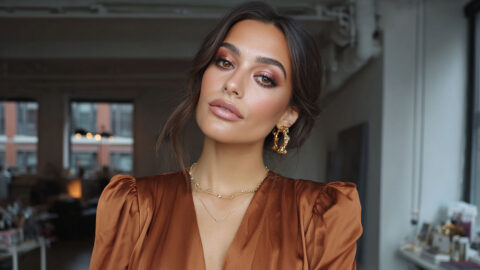
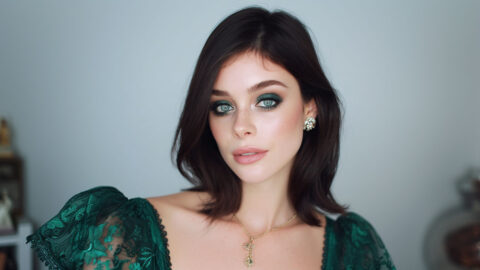
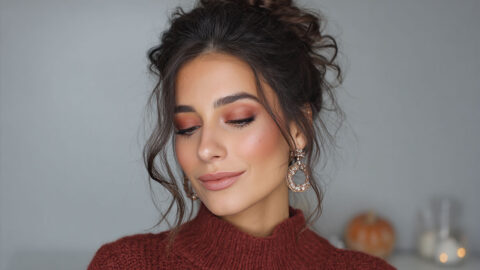
Most “summer lipstick” lists lump warm corals in with cool pinks like they belong in the same drawer. They don’t, not if you’re working with soft summer coloring: cool-neutral undertone, low to medium contrast, everything a little dialed back rather than vivid. A true soft summer lip color has to blend into that quiet coloring instead of arguing with it.
Inside the twelve-season Sci/ART system, soft summer sits in the gap between true summer and soft autumn, borrowing pieces of both. The shades that work stay in mauve, dusty rose, and muted berry territory, worn in satin or cream finishes. Nothing warm, nothing saturated, nothing with heavy shine.
The whole framework traces back further than most people expect. Carole Jackson’s 1980 book, Color Me Beautiful, is the one that introduced the four-season method this system grew out of, and it has sold well over a million copies since it came out. Contemporary press put the total closer to two million within just the first three years, and lifetime sales across all its editions get estimated anywhere from the low millions up into the tens of millions, depending on who’s counting.
What Are Soft Summer Lipstick Colors?

Generic “summer” lipstick roundups mix warm and cool shades into one big list, which sounds inclusive but actually undercuts the point for anyone with soft summer coloring. Low-contrast, blended features need shades built for exactly that, not a grab bag that happens to include a few winners.
The category comes out of personal color analysis, specifically the branch that grew from Carole Jackson splitting coloring into four seasons back in 1980. Colorist Kathryn Kalisz took that four-season grid further, launching her Sci/ART system around 2000 and finishing its twelve-season, three-way split, soft summer included, by 2001. Christine Scaman later built a related system, 12 Blueprints, on top of Kalisz’s Sci/ART framework.
Picture soft summer sitting between true summer and soft autumn on the color wheel. It takes the coolness from one side and the muted quality from the other, landing somewhere in the middle rather than fully in either camp. Practices trained in the Sci/ART method, Chrysalis Colour among them, still lean on physical drape testing rather than a quiz or a photo upload to confirm the type. Worth knowing if you’ve only ever taken an online color quiz and assumed the result was final.
How Do You Know if You Are a Soft Summer?
No single feature confirms it on its own. Hair, eyes, and skin all have to get checked together, and what you’re really looking for across the three is low contrast: nothing jumping out sharply against anything else.
Physical Signs of a Soft Summer
A few markers tend to show up together:
- Hair somewhere in the ashy blonde to soft brown range, without gold or red warmth pulling through
- Eyes reading hazel, gray-blue, or soft brown
- Skin with a cool-neutral undertone, blended at low to medium contrast against the hair and eyes
None of this has to be extreme. Soft summer coloring comes from everything blending together, not from any one trait standing out on its own.
Self-Test Methods Without Professional Draping
A professional drape session is still the most accurate way to confirm the type, but a couple of home checks narrow things down first.
Look at your veins under natural light. If they read blue or a muted blue-green mix rather than clearly green, that leans cool. Then check jewelry. If both silver and gold look fine against your skin, with no strong pull toward either, that’s another point toward soft summer rather than a warmer season.
Christine Scaman’s 12 Blueprints site runs through this same pairing before pointing anyone near the soft summer or soft autumn border toward an in-person analysis instead of guessing from a screen.
How Does Soft Summer Differ From Other Summer and Autumn Seasons?
Three seasons sit close enough to soft summer to cause mix-ups: cool summer, light summer, and soft autumn. Each one is missing a piece of what makes soft summer soft summer, whether that’s the cool undertone, the low contrast, or the muted chroma.
| Season | Undertone | Contrast | Signature Lip Hue |
|---|---|---|---|
| Soft Summer | Cool-neutral | Low to medium | Dusty rose, muted mauve |
| Cool Summer | Cool | Medium to high | Cool pink, berry |
| Light Summer | Cool-neutral | Low | Pale pink, soft coral-pink |
| Soft Autumn | Warm-neutral | Low to medium | Rosewood, muted terracotta |
Cool summer shares soft summer’s undertone, but it runs at higher contrast and more saturation, so its lipsticks can push a shade brighter without looking wrong.
Light summer is paler across the board. It keeps the low contrast, sure, but the whole palette sits lighter, which means lip color there reads more like a pink wash than a full mauve.
Soft autumn is the trickiest mix-up because the chroma matches. Same mutedness, just shifted warm instead of cool. That’s the whole reason a soft summer mauve can look flat and slightly wrong on soft autumn skin instead of complementary.
If your coloring actually leans warm rather than cool, none of this soft summer logic applies to you in the first place. You’d want to start from warm-toned lipstick shades instead.
Chrysalis Colour, a Sci/ART-trained practice, runs separate neutral-shade workshops for each summer subtype. That’s a pretty strong signal these three overlap enough in real life to confuse people without seeing them side by side.
What Undertone and Contrast Level Work Best for Soft Summer Lipstick?

Two things matter more than shade name: a cool-neutral undertone, leaning slightly blue rather than yellow, and contrast that stays low to medium against the skin.
Warm-based mauves and corals are the usual mistake. They fight soft summer skin because they push forward instead of blending in, which is the opposite of what this coloring wants. Contrast works the same way. The lip color should sit close to your natural depth rather than several shades darker or lighter than everything else on your face, or it ends up looking pasted on rather than worn.
Checking your undertone doesn’t take long:
- Veins read blue or a blue-green mix under natural light
- Silver jewelry looks at least as good as gold, sometimes better
- Bare lips already carry a pink or rosy cast rather than orange or peach
If you test as fully neutral instead of clearly cool-leaning, lipstick shades built for neutral undertones is probably a better place to start than a strictly cool palette.
For anyone who tests clearly cool, lipstick shades suited to cool undertones narrows the field before layering the soft summer muting rule on top.
What Hue Families and Saturation Levels Suit Soft Summer Lipstick?
Five hue families cover the soft summer lip palette, and all of them sit at a medium-low chroma. None of them reads bright or neon, which is sort of the whole point.
| Hue Family | Character |
|---|---|
| Mauve | Cool pink-purple, the soft summer default |
| Dusty rose | Neutral-cool pink with a grayed-down finish |
| Cool berry | Muted raspberry, never bright fuchsia |
| Muted plum | Grayed purple with a blue undertone |
| Rosewood | Softest of the group, closest to a true nude |
Rosewood sits closest to actual skin tone out of the five. That’s why some soft summers reach for it specifically when they want a nude lipstick instead of a visible color statement.
Chroma Range to Look For
Chroma is just how much gray sits inside a color, a term pulled straight from the Munsell color system that the whole Sci/ART method is built on.
The target zone is medium-low saturation, closer to the muted quality of a faded photograph than a fresh print. True reds and bright corals fall outside that zone entirely. They simply don’t carry enough gray to blend with soft summer’s low-contrast coloring.
Hair depth shifts the pick a little. Darker-haired soft summers usually carry muted plum or cool berry best, while lighter-haired soft summers tend to lean more naturally into dusty rose or rosewood.
Which Lipstick Finish Works Best for Soft Summer?

Satin is the safest default. It softens pigment just enough to match the season’s low-contrast quality without going completely flat, a balance the other finishes don’t hit quite as well.
The market backs this up too. Satin and cream finishes together held 44.34% of the global lipstick market in 2025, more than any other finish category (Mordor Intelligence).
Satin gives even color payoff and comfortable wear, and it flatters muted shades specifically well. The tradeoff is staying power. It won’t outlast a matte formula through a full day of eating and drinking.
Cream finishes build up in coverage and give dry lips some extra slip, which matters more than people expect once winter rolls around. The catch is that cream can shift shade slightly as it wears down over a few hours, so what you swatch in the morning isn’t always exactly what’s left by afternoon. For a closer look at what makes cream lipstick different from the other finishes, it’s worth checking before choosing between it and satin for everyday wear.

Sheer or tinted balm formulas work for low-contrast daytime wear and need almost no application skill. Color fades fast, though, and you’ll be reapplying more than you would with anything heavier.
Matte holds pigment the longest and wins on wear time outright. It also flattens an already-muted tone and risks looking chalky on dry lips, which is the actual reason so many soft summers avoid it even though it lasts longer.
For a deeper comparison of the two most common finishes, the matte versus satin comparison covers wear time, texture, and how often you’ll need to touch up.
MAC’s September 2024 MACximal Sleek Satin Lipstick relaunch reformulated its satin line with a more hydrating base across 34 shades, and that shift lines up with the broader pull toward satin over matte among cool-toned, muted shade wearers.
What Are the Best Lipstick Shades for Soft Summer?

Real options exist across every price tier, from drugstore counters to prestige beauty houses, so shopping this palette doesn’t mean committing to a high-end tube right out of the gate.
| Brand | Shade | Finish | Price Tier |
|---|---|---|---|
| Charlotte Tilbury | Pillow Talk (original) | Satin | Prestige |
| NARS | Dolce Vita | Sheer, cream | Prestige |
| Maybelline | Mauve For Me | Satin | Drugstore |
Pillow Talk built Charlotte Tilbury’s whole reputation around a muted dusty rose-pink that basically reads as a soft summer’s own lip color, just slightly more defined.
NARS calls Dolce Vita its signature dusty rose. It’s sheer, cream-finish, and lands in exactly the low-contrast territory soft summer coloring needs.
Maybelline’s Mauve For Me lives in the brand’s Made For All line, a satin mauve Maybelline says it tested across fifty skin tones specifically to widen the color match.
Names like mauve or rose get used loosely across the industry, so it’s still worth checking undertone against a brand’s own shade description before buying online rather than trusting the name alone. A broader look at how to pick a flattering lipstick color goes into testing methods that apply beyond just this palette.
What Lipstick Colors Should Soft Summer Avoid?
Bright orange, neon fuchsia, mustard-leaning nudes, and anything with a high-shine metallic finish all sit outside the soft summer range, and each one breaks the rule in its own way: too warm, too saturated, or too much shine bouncing off low-contrast skin.
| Avoid | Why It Fights the Palette |
|---|---|
| Bright orange, orange-red | Warm undertone clashes with cool-neutral skin |
| Neon fuchsia, blue-red brights | Saturation too high for a muted palette |
| Mustard-leaning warm nudes | Reads sallow against cool-neutral skin |
| Frosted or metallic finishes | Reflective shine fights the soft, blended look |
| True black or near-black plum | Contrast too sharp for a low-contrast face |
Lizzie Heo, who founded the color analysis studio Seklab, told InStyle that soft summers do best steering clear of bright orange, neon yellow, mustard, and intense red, since none of those fit the season’s low-saturation range.
Shimmer finishes make up 37.2% of global lipstick revenue in 2024 (Grand View Research), which means a fair chunk of what’s actually on shelves has some reflective quality working against soft summer’s non-metallic look, and frosted lipstick finishes gets into why the sparkle particles in that category read as harsh rather than glowy on muted, low-contrast skin.
None of this is absolute, though.
Self-tanned skin can carry a bit more pigment and warmth than usual without looking off, since the base underneath has already shifted deeper. Dramatic evening makeup opens things up too. A heavier eye look can support a bolder lip, as long as it stays inside the mauve, berry, or plum family instead of jumping all the way to true red or orange. And anyone testing near the soft autumn or true summer border might find a slightly warmer or brighter shade than the strict soft summer range still works fine on them.
Any of these adjustments means shifting saturation or warmth by one small step, not throwing out the muted, cool-neutral base the rest of the palette is built on.
How Do You Test a Lipstick Shade for Soft Summer Before Buying?
The single most common mistake in shopping this palette is judging color straight from the tube instead of on skin. Testing before you commit fixes that.
- Swatch the color along your jawline, not the back of your hand. Hand skin often reads a different depth than your face does.
- Step into natural daylight, ideally near a window, before making any judgment call.
- Hold the swatch next to a soft summer reference, whether that’s a fabric drape, a printed fan deck, or a saved palette photo.
- Photograph the swatch in that same natural light and compare it side by side with the reference.
- Check the same swatch again under indoor lighting to catch any shift in warmth or shine before you actually buy it.
Skipping the daylight check is where most people go wrong. Indoor bulbs shift color more than you’d think, enough to make a shade look cooler or warmer than it actually is.
Online beauty purchases carry real risk here. Color-mismatch returns across online beauty run between 20% and 65% of purchases depending on category, with lipstick sitting at the lower end of that range, per Netcore Unbxd’s analysis of color-variant discovery (Eightx, 2026).
In-store tools help close that gap. Sephora’s Color IQ, built with the Pantone Color Institute since 2012, has logged more than 14 million shade matches and expanded into a lip-specific matching service for exactly this kind of testing.
None of these tools replace the swatch-and-daylight check, though. They narrow the shortlist. The final call still comes down to how the color actually reads on skin in real light.
A step-by-step look at matching makeup to skin tone covers the same undertone logic applied across foundation, concealer, and lip color together.
FAQ on Soft Summer Lipstick Colors
Is soft summer the same as regular summer-season lip color trends?
No. “Summer lipstick” as a marketing trend usually just means bright corals and glossy pinks picked because it’s warm outside.
Soft summer as a color type has nothing to do with the calendar. It’s built on cool-neutral undertone and muted chroma, and it stays the same in December as it does in July.
Are drugstore lipsticks as reliable as high-end brands for soft summer shades?

Formula quality isn’t really the variable here. Shade accuracy is.
A mass-market satin mauve can match the palette just as well as a prestige one does. Checking the undertone description on the label matters more than what the brand charges or where it sits on the shelf.
Can a soft summer wear bold or bright red lipstick for special occasions?
True red stays outside the palette no matter the occasion. Its warmth and high saturation clash with cool-neutral, low-contrast skin, event or not.
A deeper cool berry or muted plum gets you the same evening drama without breaking the season’s core rule, and honestly reads just as intentional on camera.
What mistakes do people make when picking lipstick for soft summer?
Judging color on the back of the hand instead of the lips tops the list. Depth reads differently in those two spots, sometimes enough to throw off the whole decision.
Trusting a marketing name over the actual color is a close second. A tube labeled mauve doesn’t automatically have the cool-neutral, muted chroma soft summer needs.
What blush and eyeshadow shades pair with soft summer lipstick?
Blush in dusty rose or soft berry keeps the same muted chroma going across the whole face.
Eyeshadow works best in taupe, soft plum, or gray-toned browns, and it should stay matte. Shimmer breaks the low-contrast, non-metallic rule the rest of the look follows.
What Should You Buy First in Soft Summer Lipstick Colors?
Start with one cool-neutral mauve in satin finish. It covers the widest range of daily situations, so it earns its spot before anything else gets added to the collection.
From there, a dusty rose covers lighter or warmer days, and a muted berry or plum handles evening depth. That order means less variety at first, but it also means you’re less likely to end up with a shade that clashes once you actually test it in daylight.
Pairing that sequence with a full soft summer makeup look pulls blush, eyeshadow, and liner into the same cool-neutral, muted framework the lip color already follows.

She started writing on the site after fielding the same questions from clients and friends often enough to just write the answers down: which red won't turn orange on a warm undertone, how to keep lipstick from feathering into fine lines, why a "12-hour" formula rarely survives dinner.
Every review on the site follows the same rule she uses with paying clients: wear it first, then decide if it's worth recommending.
- How to Make Eyeliner Last Longer Without Smudging - August 31, 2026
- How to Make Eyeshadow Last Longer All Day - August 29, 2026
- How to Find Your Undertone in 5 Easy Steps - August 27, 2026