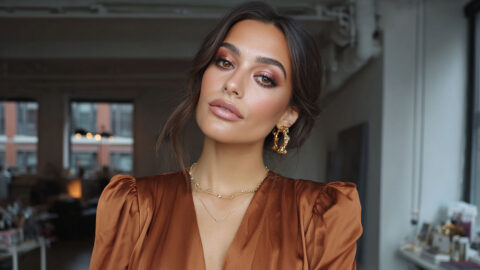
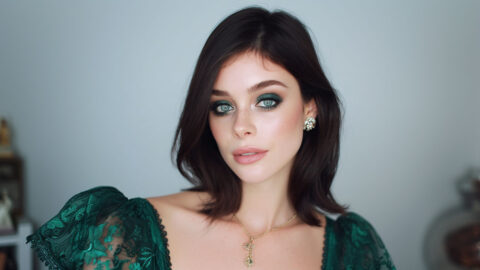
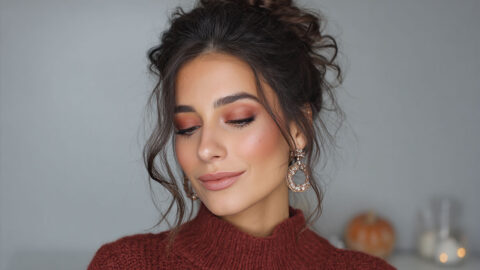
Most advice aimed at redheads treats “warm-toned” like it explains everything, and it doesn’t. Copper eyeshadow gets recommended on autopilot, blush goes peachy by default, and none of it accounts for how much undertone actually varies from one redhead to the next.
Colorists work from a different starting point. They apply the same undertone logic used in seasonal color analysis, matching eyeshadow, lip, and blush families to skin tone and eye color first, hair shade second.
There’s a genetic reason the overlap is so tight. MC1R gene variants, the same mutation responsible for red hair itself, show up in more than 80 percent of redheads and fair-skinned people who don’t tan, according to Medicover Genetics (2023). That’s a big part of why colorists treat red hair as its own undertone category instead of folding it into blonde or brunette advice.
What Makes a Makeup Look Work for Red Hair?
Two things carry almost all the weight. Skin undertone decides whether a shade reads flattering or slightly ashy. Eye color decides which shadow and liner families pull their weight. Get those right and blush, brows, and lip shade tend to fall into place without much guesswork.
This piece covers color selection only, not hair care or dye technique, and the logic holds whether the red is natural or came out of a box.
How Does Skin Undertone Affect Red Hair Makeup?
A shade can look right on the back of your hand and wrong the second it hits your cheek. Undertone is usually the reason.
Warm undertones carry yellow, peach, or golden hints under the skin. Cool undertones lean pink or blue, and neutral sits somewhere between the two.
Most natural redheads land warm or neutral, a result of the same pigment shift that produces the hair color in the first place. Dyed red hair over a naturally cool base is really the main exception.
| Undertone | Vein Color | Flattering Metal | Shade Family |
|---|---|---|---|
| Warm | Green | Gold | Copper, terracotta, peach |
| Cool | Blue or purple | Silver | Berry, rose, blue-red |
| Neutral | Blue-green mix | Both work | Brick red, mauve, soft coral |
A mismatch is obvious once you see it. Warm copper shadow on a cool undertone can look muddy. A blue-based red lipstick on a warm undertone can come off bruised rather than bold, which is not the look anyone’s going for.
Most of these mismatches trace back to skipping the basics, and that mostly just means learning how to match makeup to skin tone before spending money on something new.
Fenty Beauty’s 40-shade foundation launch in September 2017 reset expectations for undertone-inclusive matching across the entire industry. Most prestige foundation lines had offered around 20 shades or fewer before that.
Fair-skinned redheads, often with porcelain or lightly freckled skin, typically sit at Fitzpatrick skin type I or II, the two most sun-sensitive categories on the six-point dermatology scale used to classify skin tone and burn risk.
How to Check Your Undertone in Under a Minute
None of this needs a professional color consultation. A few checks at home cover most of it.
- Check the veins on your inner wrist in natural light: green reads warm, blue or purple reads cool, a mix reads neutral
- Hold gold and silver jewelry against your jaw: gold that blends in signals warm, silver that brightens the skin signals cool
- Notice how skin reacts to sun exposure: burning fast without tanning usually pairs with a warm-to-neutral undertone in redheads
None of these are exact science, just a starting point before you actually try a shade on. Testing two or three options from the table above under natural daylight, not the bathroom mirror, settles most of what the quick checks leave uncertain.
Why Do Certain Colors Flatter Red Hair?

It comes down to where the color sits on the wheel. Shades opposite red-orange make both the hair and the makeup look more saturated by contrast, which is basically complementary color theory borrowed from painting and applied to a face instead of a canvas.
Green sits close to that opposite point, which explains why olive, forest, and khaki eyeshadow read as flattering instead of random. Copper and bronze work differently. Rather than contrasting with the hair, they match its warmth, and that reads as cohesive instead of clashing.
Genetics is behind the whole thing. Red hair comes from variants in the MC1R gene, which shifts pigment production toward pheomelanin (the reddish pigment) instead of eumelanin (the darker one). That same shift shows up in skin tone too, not just hair.
A few numbers put the rarity in context. Red hair occurs in roughly 1 to 2 percent of the global population (AIM at Melanoma Foundation, 2025). Ireland has the highest concentration of natural redheads anywhere, at around 10 percent of the population (AIM at Melanoma Foundation, 2025), and MC1R gene variants account for about 73 percent of the genetic heritability behind red hair, according to a UK Biobank genetic analysis (2018).
That rarity is a lot of why color pairing for red hair gets treated as its own category instead of getting lumped in with generic warm-toned advice.
Which Eyeshadow and Eyeliner Colors Suit Red Hair?

Eye color matters more here than hair depth, since it decides which contrast actually reads as flattering. Copper, bronze, and warm taupe work broadly across most redheads regardless of eye color, whether worn as a single wash or built into a soft smokey eye.
| Eye Color | Shadow Family | Example Shade | Liner Shade |
|---|---|---|---|
| Green | Plum, copper, warm brown | Deep plum or rust | Brown or dark plum |
| Hazel | Bronze, gold, olive | Antique gold | Dark brown or bronze |
| Blue | Warm bronze, terracotta, peach | Burnt orange | Brown, navy, or charcoal |
Two shades to skip, no matter your eye color: orange-red shadow, which fights the hair instead of complementing it, and ashy grey liner, which drains warmth out of fair skin fast.
Urban Decay’s Naked palettes lean on copper, bronze, and warm taupe tones, which makes them a decent starting point if you want one palette covering most of what’s in the table above.
Green Eyes
Purple sits close to opposite green on the color wheel, so plum and deep copper shadow pull out the most contrast.
- Deep plum or aubergine through the crease
- Warm copper or rust across the lid
- Brown or dark plum liner instead of black, since black can look harsh against fair skin
A makeup look built around green eyes usually skips heavy black liner altogether for these warmer, softer lines.
Hazel Eyes
Hazel shifts color depending on what sits next to it, so bronze and gold-based shadow tend to do more here than a flat matte would. Antique gold or bronze pushes hazel toward green. Warm brown deepens the gold flecks already in the iris, and olive or khaki, used sparingly, brings out whatever green undertone the eye already carries.
That’s also part of why makeup looks built for hazel eyes lean on metallics more than flat mattes. Dark brown liner reads better than black here too, for the same fair-skin reason covered above.
Blue Eyes
Warm bronze and burnt orange do for blue eyes what plum does for green. Both sit opposite on the color wheel and pull contrast out of the iris. Terracotta and peach-toned shadow, sometimes finished with a rose gold shimmer, work as a softer daytime version of the same idea.
Brown, navy, or charcoal liner tends to suit blue eyes on red hair better than pure black. Black can look stark against pale skin and light eyes together, a combination that doesn’t need more contrast than it already has.
Which Lipstick and Lip Colors Suit Red Hair?

Warm shade families do the heavy lifting: brick red, warm berry, coral, and peachy nude tend to flatter, while blue-based cool reds tend to fight the hair’s warmth instead of working with it.
The reasoning is the same complementary logic from the color theory section above, just applied to lips instead of eyes. A blue-red lipstick next to warm copper or auburn hair can read cold, even on skin where the exact same shade would look sharp against darker hair. Warm coral, brick red, and rust-toned berry avoid that clash entirely, which is why most lipstick shade recommendations for redheads cluster around those three families.
MAC’s Lady Danger, a bright orange-red, shows up often on redhead-specific lipstick lists because it leans warm instead of pink.
Finish matters almost as much as shade. Matte formulas hold color through the day and read a bit more modern, but they show dry patches faster, so lip prep matters more with them than with a cream or satin finish. Anyone unsure what matte lipstick actually does differently should expect less slip and more staying power, with a real trade-off in comfort on dry lips.
Bold Lip or Soft Lip
Both work on red hair, honestly. It’s more about the occasion, and how much attention the rest of the face is already pulling.
A bold warm-red lip photographs well and reads confident for evening or events, and it tends to pair with red or auburn hair instead of competing against it. The catch is that it demands a cleaner base and sharper brows, since it’s the first thing anyone’s eye lands on.
The soft neutral route asks less of you. It’s forgiving of freckles, low-maintenance for daytime, and it lets a bolder eyeshadow or a stronger brow carry the look instead. Go too pale or too pink with it, though, and it can wash out very fair skin fast.
Neither one is objectively better. Redheads swing both directions depending on the rest of the styling that day, not because one option wins outright.
What Blush Tone and Placement Suit Red Hair?

Same undertone rule as everywhere else in this guide: peachy-coral suits warm undertones, rosy-pink suits cooler or neutral ones.
Peachy-coral works with copper, auburn, and ginger shades of red hair, and it reads closer to a natural, sunkissed flush than pink does. It also pairs cleanly with warm bronzer and warm-toned lipstick, worth knowing if you’re building a full warm-toned look.
Rosy-pink is the one for cooler or neutral undertones, more common with dyed or strawberry-blonde-leaning red than with natural copper, and it reads fresher on very fair, pink-toned skin while clashing less with a cool-toned berry lipstick.
Placement matters as much as shade choice. Applying blush slightly higher on the cheekbone, rather than low and wide, keeps the color from flattening the natural flush that fair, freckled skin already has going for it. A guide to applying blush across different face shapes is worth checking before settling on placement, since cheekbone height shifts where the ideal spot actually is.
Formula matters too, and it changes with skin type. Cream blush blends into dry or freckled skin without sitting on top of it, while powder holds up better on oilier or combination skin. Anyone with dry patches, common on fair redhead skin, usually gets a more natural result learning how to apply cream blush properly rather than reaching for powder out of habit.
NARS Orgasm, a peachy-pink blush with gold shimmer, gets recommended constantly for fair warm-to-neutral skin, mostly because it splits the difference between the two tone families above instead of committing hard to either one.
What Eyebrow Color Works for Redheads?

One shade lighter than the hair itself is usually the safer call. Match it exactly and it tends to look heavy and drawn-on instead of natural.
Product choice depends on hair depth more than personal preference.
| Hair Depth | Product Type | Effect |
|---|---|---|
| Light copper or strawberry blonde | Tinted brow gel | Soft, barely-there definition |
| Medium auburn or ginger | Brow pencil, light auburn shade | Fills gaps without hardening the shape |
| Deep auburn | Powder or pencil, one shade lighter than hair | Definition without a drawn-on look |
Redheads with fair, cool-pink undertones sometimes assume a cool-toned pencil is the safer bet. It usually isn’t. Black or ash brow product almost always looks too stark against warm red hair, no matter how cool the skin underneath happens to be.
Warm auburn, soft brown, or copper-toned brow products blend into the skin instead of sitting on top of it like a drawn line. A tinted brow gel is usually the lowest-maintenance option for lighter copper hair, since it adds color without the harder edge a pencil can leave behind.
Deeper auburn or ginger hair generally needs more pigment than gel alone gives you, which is where a brow pencil in a warm auburn shade earns its keep, filling sparse areas without hardening the natural arch.
Anastasia Beverly Hills even names one of its Brow Wiz shades “Auburn,” built for exactly this hair-depth match.
Technique still outweighs product choice. Short, hair-like strokes that follow the brow’s natural direction beat one solid line every time, regardless of which product is laying down the color.
How Do You Match Foundation for Fair or Freckled Skin?

Shade range is the first call, and coverage level is the second, since too much of it starts hiding freckles nobody asked you to hide in the first place.
Most redheads land in the lightest 15 to 20 percent of any brand’s shade range, and often need to test two or three neighboring shades since warm and neutral fair tones sit close together on the shelf.
| Coverage Level | Freckle Visibility | Best For |
|---|---|---|
| Sheer | Fully visible | Daily wear, skin-first looks |
| Medium | Softened, still visible | Work, most everyday occasions |
| Full | Mostly hidden | Photography, formal events, redness coverage |
Make Up For Ever’s Ultra HD line has offered 40 shades since 2015, built around distinguishing red versus yellow undertones rather than depth alone, according to the brand’s own statements on shade development. Yellow-based formulas tend to sit better on warm-undertone freckled skin. Pink-based formulas can look chalky against it, worth knowing before you commit to a bottle.
Learning how to apply foundation with a damp sponge rather than a dry brush keeps sheer and medium coverage from settling into texture around freckles.
Broad-spectrum SPF 30 blocks about 97 percent of UVB rays, according to the American Academy of Dermatology, and fair redhead skin burns faster than most other skin types. A tinted SPF or an SPF-infused primer under foundation covers the gap on days when a full sunscreen routine feels like too much.
Which Makeup Look Fits Which Occasion for Redheads?
The shade families stay the same across occasions. What actually shifts is intensity, not color choice. An everyday look, a bridal look, and a bold evening look all pull from the same copper, coral, and berry families, just in different amounts and different placements.
| Occasion | Base | Eye Focus | Lip |
|---|---|---|---|
| Everyday | Sheer, freckles visible | Single wash of copper | Tinted balm or coral |
| Bridal | Medium, soft-focus | Muted bronze or plum | Long-wear peachy nude |
| Bold Evening | Medium to full | Deep copper or olive smoke | Warm berry or brick red |
Everyday

Sheer to medium foundation, freckles left alone. A single wash of copper or bronze shadow that needs no real blending. Tinted lip balm or a coral gloss instead of a full lipstick application. That’s most of it, and it’s built to survive a full workday without touch-ups, which is the whole point of everyday makeup looks for redheads in the first place.
Bridal
Bridal makeup for red hair leans on longevity and how it photographs, more than whatever’s trending that season.
Muted bronze or plum shadow works better than shimmer here, since shimmer can flash back oddly under camera flash. Long-wear peachy nude lipstick, reapplied from a matching tube kept in a small clutch, holds up through a full day of photos and hugs.
A look at wedding makeup looks built for fair, warm-undertone skin usually skips heavy contour in favor of the soft-focus base from the table above. Westman Atelier, a brand built around skin-like bases, gets recommended often for bridal looks on fair skin, mainly because it avoids the flat, masked finish heavier foundations can create once the photos come back.
Bold Evening

This one builds up rather than starts over, layering intensity onto whatever base was already established earlier in the day. Deep copper or olive smoke gets built in layers instead of applied as one flat wash. Brow definition needs to get stronger too, since a bold eye and lip next to a weak brow tends to make the brow disappear entirely. The lip, warm berry or brick red, gets reapplied once through the evening rather than left to fade by hour four.
Pat McGrath Labs, known for building intense metallic and smoked-out eye looks, is a common reference point for redheads assembling a bold evening palette from scratch.
How Do You Apply a Red Hair Makeup Look Step by Step?
The build order stays the same across every version in this guide: base, brows, eyes, cheeks, lips. Locking that order in place prevents the most common mistake, which is layering blush or lipstick before eyeshadow fallout gets cleaned up.
- Prep and protect: moisturizer, then SPF, then primer if the base needs extra grip or oil control
- Base: foundation or tinted coverage at the level chosen from the table in the foundation section above
- Brows: gel, pencil, or powder in the warm shade matched to hair depth
- Eyes: shadow and liner from the eye-color pairing covered earlier, done before anything else touches the lower face
- Cheeks: blush placed high on the cheekbone, cream or powder depending on skin type
- Lips: bold or soft, applied last so fallout from earlier steps doesn’t sit on top of it
According to the American Academy of Dermatology, sunscreen belongs as the final step of the skincare routine and the first step before any makeup touches the skin. Skipping that order is one of the more common reasons a look breaks down by midday, and applying foundation before sunscreen has fully set is a typical culprit.
Learning how to layer makeup properly solves most of the fading and patchiness complaints tied to this exact mistake. For anyone building a base from scratch, how to use makeup primer correctly is worth checking before adding a new product to the routine, not after.
When Do These Makeup Rules Not Apply to Redheads?
These rules shift, sometimes completely, once hair color comes from a box instead of genetics, or once skin tans past the fair baseline this guide has assumed so far.
Red is the second most requested hair dye color among women, chosen by 23 percent of surveyed consumers behind blue at 35 percent, according to a 2023 Enterprise Apps Today survey cited by Grand View Research. A large share of the people searching for red hair makeup advice, in other words, have a hair color built on a completely different pigment base than the natural redheads this guide’s undertone logic was built around.
| Scenario | Standard Advice | What Changes |
|---|---|---|
| Dyed red over cool-based hair | Match warm undertone shades | Undertone test matters more than hair color itself |
| Deep auburn vs light strawberry blonde | One shadow depth fits all redheads | Deeper hair needs deeper shadow and brow depth |
| Tanned or olive-warm redhead skin | Peachy blush, fair-skin foundation range | Shift toward deeper coral, bronze, and terracotta |
The most common mistake isn’t picking the wrong color family at all. It’s applying fair-skin blush and lip depth to skin that has since tanned or shifted olive-warm, without adjusting the intensity to match.
Dyed red hair over naturally cool undertones is the clearest exception to everything above. L’Oreal Paris, whose Excellence and Feria lines carry several red shades built on different underlying pigments, is a good example of how two boxes both labeled “red” can pull warm or slightly cool depending on the base color sitting underneath.
Checking undertone directly, instead of assuming it from hair color alone, matters more here than anywhere else in this guide. A quick pass with a color corrector can bridge the gap on days when tan lines or seasonal skin shifts leave foundation sitting one shade off.
FAQ on Makeup Looks For Red Hair
Can Redheads Wear Red Lipstick?
Yes. Undertone decides the outcome here, not hair color. Warm, orange-leaning reds like brick or vermillion complement red hair, while blue-based true reds can look cold against it. A warm bronzer or peachy blush helps balance out a cooler red already sitting in your makeup bag.
Is Contouring or Highlighting Different for Fair Redhead Skin?
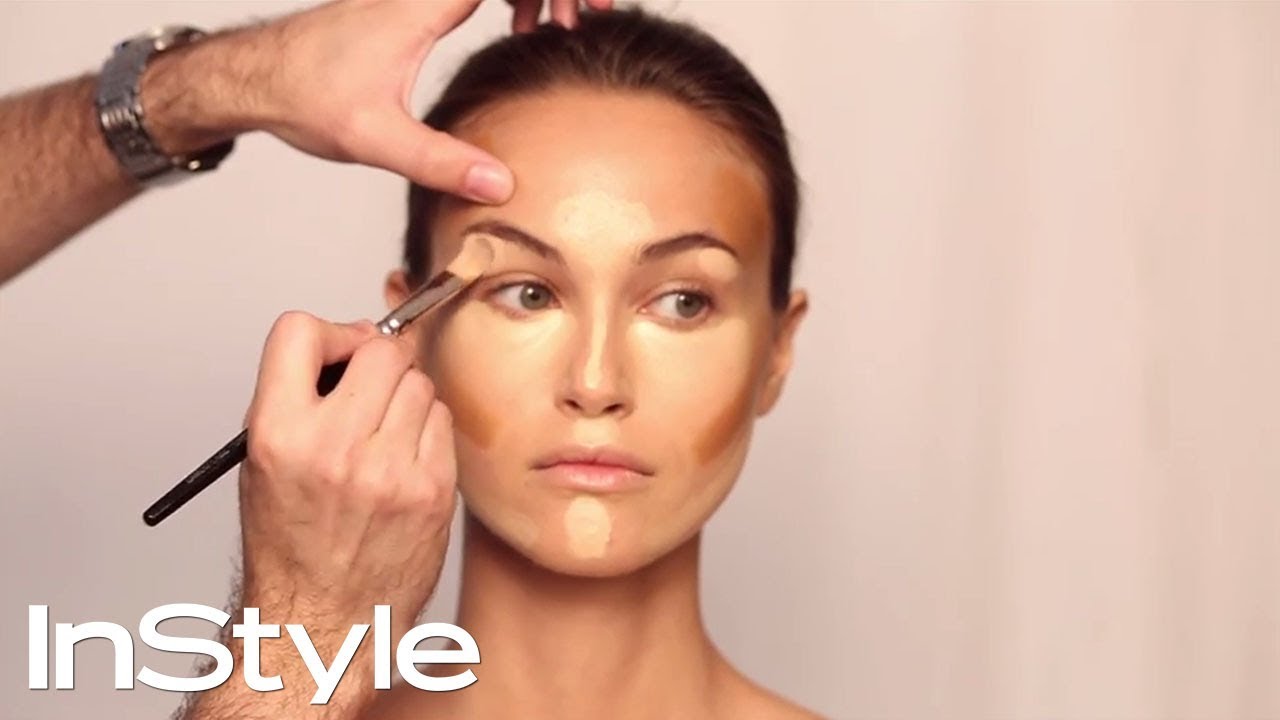
Fair skin shows contour fast, so cream formulas in soft taupe work better than heavy grey-brown sticks, which tend to read muddy against it. Highlighter in warm champagne or peach-gold finishes suits redhead skin better than icy or platinum shimmer.
Which Redheads Show These Color Principles in Practice?
Natural redheads like Julianne Moore and Isla Fisher, along with actresses such as Emma Stone who are known for wearing red hair color on camera and on the red carpet, consistently favor copper, bronze, and warm berry tones. Their styling choices follow the same complementary color logic covered above: warm shadow families and undertone-matched lips over cool, blue-based shades.
How Often Should the Palette Change With Seasons or Tanning?

Reassess undertone after any major shift, a summer tan, a new hair dye job, or a seasonal skin change. Most redheads only need to deepen blush and bronzer slightly for tanned months, keeping the same warm shade families the rest of the year.
What Should You Try First in Makeup Looks For Red Hair?
Start with an undertone check before buying anything. Eyeshadow, lipstick, blush, and brow choices all trace back to whether skin reads warm, cool, or neutral against copper, auburn, or ginger hair, and skipping that step is how most mismatches happen in the first place.
Undertone comes first because it filters every shade family before anything else gets decided. Eye color pairing comes next, narrowing shadow and liner choices inside whatever undertone you land on. Lipstick, blush, and brow shade follow last, since both earlier decisions shape them.
Committing to one undertone-matched palette means skipping shades built for cool-toned hair. That’s a fair trade for color choices that hold up consistently across seasons and lighting, instead of working in some rooms and not others.
Once the shade decisions are settled, application technique is the next thing worth spending time on. Learning how to apply makeup layer by layer is what actually turns those color choices into a finished look.

She started writing on the site after fielding the same questions from clients and friends often enough to just write the answers down: which red won't turn orange on a warm undertone, how to keep lipstick from feathering into fine lines, why a "12-hour" formula rarely survives dinner.
Every review on the site follows the same rule she uses with paying clients: wear it first, then decide if it's worth recommending.
- How to Make Eyeliner Last Longer Without Smudging - August 31, 2026
- How to Make Eyeshadow Last Longer All Day - August 29, 2026
- How to Find Your Undertone in 5 Easy Steps - August 27, 2026