That rounded, mushy tip is not the liner’s fault. It is a format problem most people never get told about.
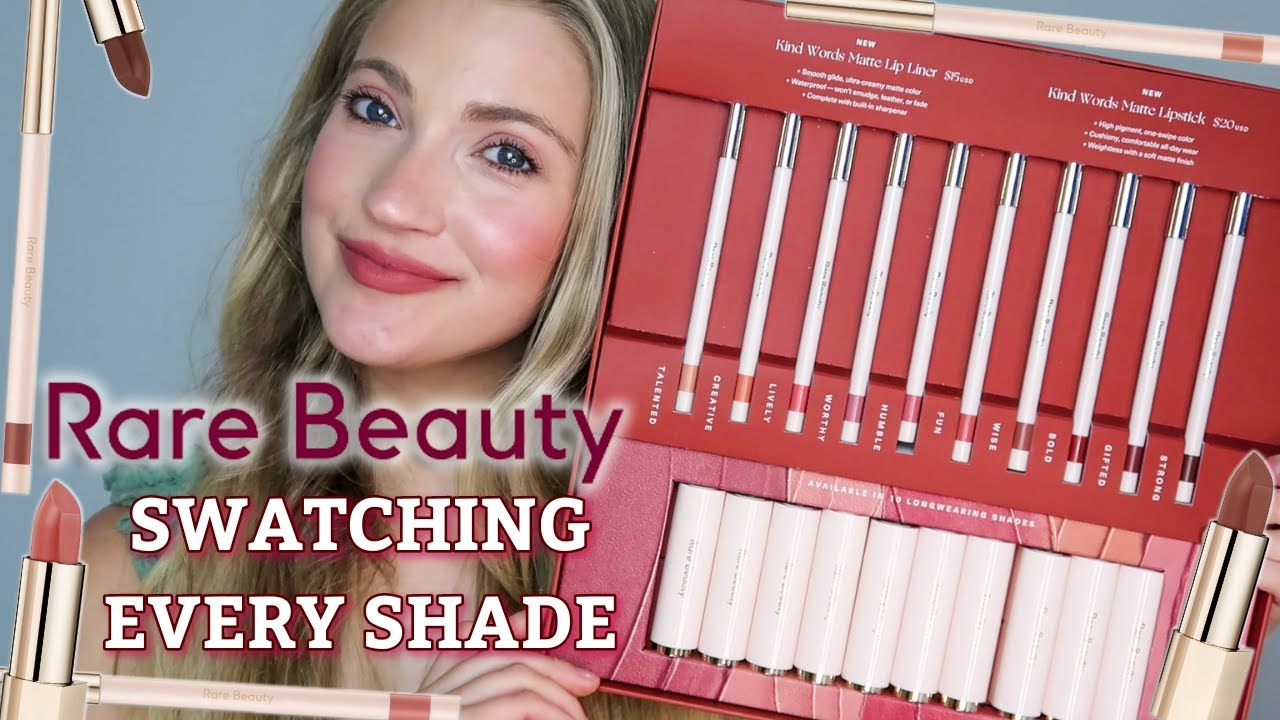
The Rare Beauty Kind Words Matte Lip Liner is a retractable twist-up pencil with a built-in sharpener hidden at the bottom end. Knowing how to sharpen Rare Beauty lip liner correctly means understanding that mechanics first.
This guide covers everything: the built-in sharpener, the freezer trick for soft creamy formulas, how to fix a broken tip, and how to get a precise lip line even when the pencil tip is less than perfect.
What Type of Pencil Rare Beauty Lip Liner Is

The Rare Beauty Kind Words Matte Lip Liner is a retractable twist-up pencil. There is no wooden core, no traditional casing to whittle down.
This matters because most confusion around sharpening this liner comes from people treating it like a standard wood-cased cosmetic pencil. It is not.
Here is a quick breakdown of what you are actually working with:
| Feature | Rare Beauty Lip Liner | Traditional Wood-Cased Liner |
|---|---|---|
| Casing | Plastic barrel, twist-up mechanism | Wood casing, sharpener-ready |
| Formula | Super creamy, balm-like, soft matte | Varies, often firmer wax-based |
| Sharpening method | Built-in sharpener at the bottom end | External cosmetic sharpener |
| Tip exposure | Twist-up to extend product | Sharpened to reveal fresh tip |
The formula itself is worth understanding. Rare Beauty describes it as a super creamy, waterproof liner with a balm-like glide, built on a synthetic wax base including carnauba wax, Trimethylsiloxysilicate, and Isohexadecane.
That softness is what makes the liner so smooth to apply around the Cupid’s bow and lip line. It is also exactly what makes the tip vulnerable when heat or pressure is involved.
In an independent consumer study of 51 people conducted by Rare Beauty, 100% said the liner draws smooth, even lines and that it helps prevent lipstick from feathering.
That performance depends entirely on keeping the tip in good shape.
Retractable vs. wood-cased: why the difference matters
Retractable liner: Product sits inside a plastic barrel and extends by twisting the base. No external sharpener needed for basic use.
Wood-cased liner: Product is bonded inside wood. Needs a cosmetic sharpener to expose fresh formula after wear.
Rare Beauty made a deliberate choice with the retractable format. It reduces waste, keeps the formula protected, and means you are never sharpening away usable product just to get to a fresh tip.
The tradeoff is that some users never find the built-in sharpener because it is hidden at the bottom end of the pen.
Does Rare Beauty Lip Liner Actually Need Sharpening

Short answer: sometimes, yes. But not in the way most people expect.
The twist-up mechanism means you extend the product rather than expose it through sharpening. When the tip becomes rounded or mushy from use, your first move should always be to retract and re-extend, not grab a sharpener.
When sharpening is not the answer
If the tip is simply worn from application, a few things to check first:
- Has the liner been stored in a warm place (car, bathroom shelf in summer)?
- Is the tip soft and melting rather than worn down?
- Did you extend too much product at once, causing it to droop?
All three of those are heat or extension problems, not sharpening problems. A warm soft tip will not sharpen cleanly regardless of what tool you use.
When sharpening does help
The built-in sharpener is the right tool for this specific liner. Rare Beauty designed it to sit at the bottom end of the pen, concealed behind a pull-off cap.
Pull from the bottom end to reveal the sharpener. Then insert the retractable tip (after extending it slightly) and rotate gently.
This is useful when the tip has developed an uneven or lopsided edge from use, and you want a clean, precise point for applying lip liner along the Cupid’s bow.
Two to three slow rotations is usually enough. The creamy formula does not need aggressive sharpening.
How to Sharpen a Twist-Up Lip Liner Without a Sharpener
Lost the cap? Sharpener clogged? There are a few reliable workarounds for the Rare Beauty liner specifically.
The freezer method

This is the most useful trick for soft, creamy pencil tip maintenance. Place the liner in the freezer for 10 to 15 minutes before doing anything else.
Cold temperatures firm up the formula temporarily, making it much easier to reshape without crumbling. Labooshy notes that chilling a liner helps the polymer casing become firmer, which allows a cleaner shave.
After chilling:
- Wipe the tip gently with a dry tissue to remove any residue
- Use the built-in sharpener with very light pressure
- Two to three slow rotations only
- Wipe again after sharpening
Reshaping with a lip brush
If the tip is just mushy and lopsided rather than fully worn, a firm lip brush can reshape it.
After freezing for 10 minutes, use the edge of a flat lip liner brush to gently press the softened product back into a more pointed shape. This works better than it sounds, especially for on-the-go fixes.
No sharpener needed at all. Just patience and a light hand.
Blotting before use
If the tip looks soft and waxy before you even start applying, press it gently onto a folded tissue once. This removes the outer layer of formula that has been exposed to air and skin oils.
You end up with a cleaner, firmer starting point. It is one of those small habits that makes a difference over the life of the pencil.
The Right Sharpener for Rare Beauty Lip Liner

The built-in sharpener on the Rare Beauty liner is the first choice. Always. It is sized correctly for the pencil diameter and designed for that specific formula.
But if you are using an external sharpener, the rules here matter.
Cosmetic sharpener vs. regular sharpener
Do not use a regular pencil sharpener on this liner.
According to MasterClass, a regular sharpener is built for hard pencil lead, not soft waxy formulas. The blade angle is too aggressive, and the hole diameter rarely fits cosmetic pencils correctly.
| Sharpener Type | Blade Style | Best For | Use on Rare Beauty? |
|---|---|---|---|
| Built-in (bottom of pen) | Fine blade, matched diameter | This liner only | Yes, first choice |
| Cosmetic sharpener (single-hole) | Finer blade, less aggressive | Standard lip liners | Yes, with caution |
| Double-hole cosmetic sharpener | Two blade sizes, versatile | Standard and jumbo pencils | Use the smaller hole only |
| Regular pencil sharpener | Aggressive blade, wide angle | Writing pencils | Never |
If you do use an external cosmetic sharpener on the Rare Beauty liner, chill the liner first. Freeze for 10 minutes, extend the tip only 3 to 5mm, and rotate the sharpener around the liner rather than twisting the liner aggressively into the sharpener.
Tweezerman and Japonesque both make solid double-hole cosmetic sharpeners that handle soft formulas reasonably well. The Tweezerman Deluxe uses a patented double-blade system designed to prevent breakage on creamy pencils.
When a dull blade is the real problem
A dull sharpener blade does not cut through soft formula cleanly. Instead, it drags and tears, which causes breakage and crumbling.
If your liner keeps snapping during sharpening, the blade is likely the issue. Replace the sharpener rather than adjusting technique. Clean sharpener blades with rubbing alcohol on a cotton swab between uses.
How to Fix a Broken or Damaged Rare Beauty Lip Liner Tip
A snapped tip is genuinely annoying, especially on an $18 liner. But it is usually fixable.
Reattaching a broken piece
If the tip snapped off cleanly and you still have the piece:
- Warm the broken end slightly with your fingertip for 5 to 10 seconds
- Press it gently back onto the liner tip
- Hold it in place for 30 seconds
- Chill the whole liner for 10 minutes to set it
This works more often than you would think. The carnauba wax in the formula re-bonds under gentle heat and then firms back up when cooled.
Working with a flat tip
If the piece is lost or too crumbled to reattach, you are working with a flat or irregular surface.
A flat-edged tip is still usable. Use the edge of the break to trace the lip line with short, light strokes rather than the pointed tip you are used to. It takes a slightly different technique but works fine for filling in and defining the overall lip shape.
For sharper definition around the Cupid’s bow, switch to a small angled lip brush to apply liner product from the flat tip directly onto the skin. More control, less risk of further breakage.
When to accept the tip is gone
If the formula has crumbled significantly and will not reshape even after freezing, do not keep trying to sharpen what is left. Extend the liner slightly, wipe away the damaged section on a tissue, and work from the fresh product underneath.
You lose a small amount of product but keep the rest of the liner usable.
How to Get a Precise Line Without a Sharp Tip

A rounded or blunt tip does not have to mean imprecise application. Technique adjusts for it.
Using the edge, not the point
Hold the liner at a steeper angle than usual (closer to 90 degrees rather than 45). The side edge of the tip creates a thinner line than the flat face does.
Short, feather-like strokes along the lip line work better here than one continuous pass. Build the definition gradually.
The translucent powder trick
After applying the liner with a rounded tip, press a tiny amount of translucent powder over the edge of the lip line with a small brush or your fingertip.
This sets the liner edge and prevents any soft formula from migrating, which compensates for the slightly less crisp line you get from a rounded tip. It also extends wear time on the liner overall.
The Rare Beauty liner already performs well against lip bleeding in clinical testing, but this step adds extra insurance when working with a tip that is not perfectly sharp.
Lip brush as a precision tool
A thin, firm lip liner brush picked up directly from the liner tip gives you more control than the liner itself in many cases.
This is actually how many working makeup artists apply liner. The brush tip is thinner than any sharpened pencil, and you control the pressure and angle entirely. If you are going for a really clean Cupid’s bow definition or want to try ombre lips, the brush method is worth getting used to regardless of tip condition.
Pick up product by pressing the brush lightly onto the flat liner tip, then apply to the lip line the same way you would use a fine eyeliner brush.
How to Extend the Life of Your Rare Beauty Lip Liner Tip
Most tip damage is preventable. The creamy formula and retractable pencil casing both have specific storage needs that most people ignore until something goes wrong.
Storage habits that actually matter
Temperature is the biggest factor. Heat softens the carnauba wax base in the Rare Beauty liner, which means the tip exits the casing already compromised before you even start applying.
Avoid these:
- Leaving the liner in a hot car or near a sunny window
- Storing tip-down in a makeup bag (product migrates forward)
- Keeping it in a steamy bathroom long-term
Pencils benefit from cool, dry storage, according to beauty storage guides. Horizontal storage or tip-up in a pencil cup both work fine for retractable liners.
Cap, retract, repeat
Retract the product before capping. Always.
When you press the cap onto exposed formula, it compresses and flattens the tip. Over several uses, the tip shape degrades and requires resharpening that would otherwise be unnecessary.
Two seconds of habit saves you from five minutes of fixing.
Cleaning the tip between uses

Blot on a tissue: removes skin oils and product buildup that soften the formula over time.
Wipe the sharpener opening: old shavings clog the blade, which causes tearing rather than clean cuts on the next use.
Occasional alcohol wipe on the tip: removes bacteria and surface oxidation on the formula, which can affect both texture and pigment payoff.
According to beauty hygiene guidelines, sharpening lip pencils regularly removes surface bacteria and keeps the formula fresh, which also extends the overall shelf life of the product.
How to Get a Precise Line Without a Sharp Tip

A rounded or flat tip is not a reason to skip liner. Technique adjusts.
Filling in the entire lip with liner before applying lipstick creates a base layer that extends wear time by 2 to 4 hours, according to lipstickqueen.com research. A slightly blunt tip is actually fine for this step since you are covering surface area, not tracing a fine edge.
Angle and pressure adjustments
Hold the liner closer to vertical (around 80 to 90 degrees from the lip surface) rather than the usual lower angle.
The side edge of the tip creates a thinner, more controlled line than the flat face does. Short feathering strokes from the Cupid’s bow outward give more precision than a single continuous pass around the entire lip.
Key adjustment: less pressure, more passes. Pressing hard into a soft rounded tip just flattens it further.
Lip brush as backup tool
A flat, firm angled lip brush picks up formula directly from the liner tip and gives finer control than the pencil itself.
| Application Method | Best For | Tip Condition Needed |
|---|---|---|
| Direct pencil (sharp tip) | Outlining, Cupid’s bow definition | Sharp or slightly rounded |
| Direct pencil (flat/blunt tip) | Filling in lips, base layer | Any condition |
| Angled lip brush | Fine edge work, corner definition | Any condition |
| Finger blending | Soft blurred liner look | Any condition |
Makeup artist Amanda Bell (per Who What Wear) recommends putting creamy lip liners in the freezer for 20 minutes before sharpening for a precise point. That same principle applies here: a brief chill firms up the tip enough that even a blunt end traces more cleanly.
Setting the edge with powder
After applying liner with a rounded tip, press a tiny amount of translucent powder over the lip edge using a small brush or folded tissue.
This sets the soft formula and stops it from migrating slightly, which compensates for the less-defined line you get without a sharp point. It also adds staying power to the overall liner application.
Filling in lips with liner under lipstick, then setting with powder, pushes wear time to 4 to 6 hours minimum from a standard 1 to 2 hours, according to lipstickqueen.com data. That is worth the extra step.
For a full making lip liner last routine, this powder trick pairs well with a lip primer underneath and blotting between lipstick layers.
Working the liner into a complete look
A slightly imperfect liner edge disappears the moment you apply lipstick over it.
Match the liner shade closely to the lipstick, or go one shade deeper for dimension. The lipstick covers any soft edges along the lip line while the liner holds the color in place underneath.
For a softer finish, blend the liner inward with a fingertip before applying lipstick. The result reads as intentional lip color rather than a visible liner border.
Want to go further with the look? A rounded-tip liner filled across both lips makes an excellent base for lip gloss layered on top. The liner provides color staying power while the gloss adds volume without needing crisp definition at the edges.
FAQ on How To Sharpen Rare Beauty Lip Liner
Does the Rare Beauty lip liner come with a sharpener?
Yes. The Kind Words Matte Lip Liner has a built-in sharpener at the bottom end of the pen. Pull the bottom cap to reveal it. Most users miss it entirely because it looks like part of the casing.
Do I need an external sharpener for this liner?
Not usually. The built-in sharpener handles routine tip maintenance. If you lose the bottom cap or need a backup, use a cosmetic pencil sharpener only. Never use a regular pencil sharpener on this formula.
Why does my Rare Beauty lip liner tip keep breaking?
The creamy formula softens quickly with heat. A warm tip will snap under sharpener pressure. Freeze the liner for 10 minutes before sharpening. That firms up the pencil tip enough to sharpen cleanly without breakage.
Can I sharpen this liner if the tip gets mushy?
Yes, but chill it first. A soft, warm tip cannot hold its shape during sharpening. After freezing, extend the product slightly, insert it into the built-in sharpener, and rotate gently two to three times maximum.
How do I use the built-in sharpener on the Rare Beauty liner?
Pull the cap off the bottom end of the pen to expose the sharpener opening. Twist the retractable tip out slightly. Insert the tip into the sharpener and rotate slowly. Two or three turns is enough for a clean point.
What happens if I sharpen the Rare Beauty liner too much?
Over-sharpening wastes product and leaves a fragile, overly tapered tip that breaks on first use. Stop after two to three rotations. The creamy formula does not need a long narrow point to apply well.
Can I use a Tweezerman or Japonesque sharpener on this liner?
Yes, both work. Use the smaller hole on a double-hole cosmetic sharpener. Chill the liner first, extend the tip only 3 to 5mm, and apply very light pressure. These sharpeners handle soft lip liner formulas reasonably well.
How do I fix a Rare Beauty lip liner tip that snapped off?
If the broken piece is intact, warm it slightly with your fingertip and press it back onto the liner. Hold for 30 seconds, then freeze the whole pen for 10 minutes to reset. The carnauba wax formula re-bonds well.
How do I keep the Rare Beauty lip liner tip sharp longer?
Store the liner horizontally or tip-up in a cool place. Always retract product before capping. Blot the tip on a tissue after each use to remove skin oils. Avoid heat, which softens the pencil tip fast.
Can I get a precise lip line if my Rare Beauty liner tip is not sharp?
Yes. Hold the liner at a steeper angle and use short feathering strokes. A flat lip liner brush picks up product from the blunt tip for finer edge work around the Cupid’s bow.
Conclusion
This conclusion is for an article on how to sharpen Rare Beauty lip liner, and the core takeaway is simple: the Kind Words Matte Lip Liner is a retractable pencil with its own sharpening solution already built in.
The built-in sharpener at the bottom end of the pen handles most tip maintenance. The freezer trick handles the rest.
Good pencil tip care, proper storage away from heat, and blotting after each use will keep the creamy formula in shape far longer than most people expect.
A broken or blunt tip is fixable. A rounded tip is workable. Neither one should cut your liner’s life short.
Pair a well-maintained liner with a solid lip care routine and the results speak for themselves.

She started writing on the site after fielding the same questions from clients and friends often enough to just write the answers down: which red won't turn orange on a warm undertone, how to keep lipstick from feathering into fine lines, why a "12-hour" formula rarely survives dinner.
Every review on the site follows the same rule she uses with paying clients: wear it first, then decide if it's worth recommending.
- How to Make Eyeliner Last Longer Without Smudging - August 31, 2026
- How to Make Eyeshadow Last Longer All Day - August 29, 2026
- How to Find Your Undertone in 5 Easy Steps - August 27, 2026