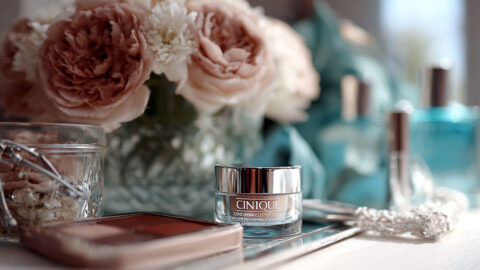
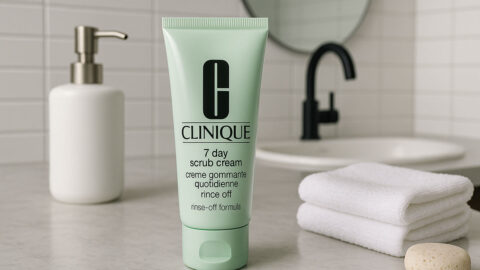
Most foundations either cover well or feel good on the skin. Clinique Even Better does both, which is exactly why it trips people up when they first try to apply it.
Knowing how to apply Clinique Even Better Foundation correctly makes the difference between a cakey result and a seamless, buildable coverage finish that actually lasts.
This guide covers everything: formula differences, skin prep, shade and undertone matching, application tools, step-by-step technique, and how to pair it with the rest of the Even Better line for a complete base.
What Is Clinique Even Better Foundation

Clinique Even Better Foundation is a dermatologist-developed, oil-free liquid foundation designed to even out skin tone while delivering buildable coverage. It targets hyperpigmentation, discoloration, and dullness, and it does all of that without sitting heavy on the skin.
The formula is not just makeup. Clinique’s own data notes the Even Better Clinical Serum Foundation is 86% skincare formula, with only 14% makeup ingredients. That ratio matters for how it feels and performs.
The active ingredients include UP302 and vitamin C (both targeting dark spots), salicylic acid for skin texture, and hyaluronic acid for moisture retention. Zinc oxide and titanium dioxide provide the SPF 25 mineral sun protection built into the formula.
Clinique’s clinical testing on 22 women showed visibly reduced dark spots after 12 weeks of daily use. That does not mean it replaces your skincare, but it does work harder than a standard base.
The finish is satin-matte. Not a flat, powdery matte, and not dewy either. It sits somewhere between the two, which is why it works across combination, oily, and normal skin types without looking dry or greasy by midday.
One thing worth noting: the Even Better line includes several formulas. The original Even Better Makeup SPF 15, the Even Better Clinical Serum Foundation SPF 25, and the Even Better Refresh are all different products with different coverage levels, finishes, and ingredient profiles. This guide covers the core Even Better Makeup and Clinical Serum Foundation, since those are what most people are working with.
| Formula | Coverage | Finish | Best For |
|---|---|---|---|
| Even Better Makeup SPF 15 | Medium, buildable | Satin-matte | Daily wear, uneven tone |
| Even Better Clinical Serum SPF 25 | Full | Matte | Dark spots, oily/combo skin |
| Even Better Refresh | Medium to full | Satin | Dry to normal skin |
All three are fragrance-free, allergy-tested, and ophthalmologist-tested. That is standard across the Even Better range.
Skin Prep Before Applying Even Better Foundation

How your foundation looks at 6pm has a lot to do with what you did at 7am. Clinique itself recommends applying Even Better after moisturizer, not before. That step is not optional if you want the satin-matte finish to actually look like that.
For dry skin, the prep routine needs extra attention. A lightweight moisturizer, fully absorbed, prevents the foundation from clinging to dry patches and looking flaky. The Dramatically Different Moisturizing Lotion from Clinique works well here since the formulas are designed to layer together without pilling.
If you are using the Even Better Clinical Serum Foundation specifically, let your serum and moisturizer fully absorb before applying. This is a denser formula. Layering it over still-wet skincare causes pilling. Give it two to three minutes minimum.
Skin type prep differences:
- Oily skin: Use a mattifying or pore-refining primer. Clinique’s Pore Refining Solutions Primer extends wear time and reduces midday shine considerably.
- Dry skin: Skip the mattifying primer entirely. A hydrating primer or just your moisturizer is enough. Matte primers on dry skin make the foundation look chalky.
- Combination skin: Spot-prime. Apply mattifying primer only to the T-zone, leave cheeks with just moisturizer.
- Sensitive skin: The formula is allergy-tested and fragrance-free, but still patch-test any new primer before applying all over.
One thing that trips people up with SPF-containing foundations: if you are adding a separate sunscreen underneath, wait for it to fully dry and set before applying the foundation. SPF layers that are still tacky cause the foundation to move and bunch.
A good baseline that most people skip is actually prepping the skin properly before any makeup goes on. Cleansed, moisturized, and primed skin holds the foundation for significantly longer than bare skin.
Beauty Buddy’s foundation survey found that 54% of consumers prioritize long-wear performance when purchasing foundation. Prep is the single biggest factor in whether that claim holds up in real life.
How to Pick the Right Shade and Undertone

Clinique’s shade system uses a number-letter code. The number refers to depth (lighter numbers are fairer, higher numbers are deeper). The letter refers to undertone: N for neutral, W for warm, C for cool.
So a shade like 2W Alabaster is light with warm undertones, while 6N Ivory is light with neutral undertones. Once you understand that system, the shade range is much less confusing.
Finding the right shade is the top struggle for foundation users. 35% of consumers list shade matching as their biggest challenge, and 41% say it is their most important purchase factor, according to Beauty Buddy’s 2025 foundation survey. Clinique’s Shade Finder tool online addresses this directly using a series of skin tone photos.
Undertone identification: quick method
Look at the veins on your inner wrist in natural light.
- Blue or purple veins: cool undertone, look for C shades
- Green veins: warm undertone, look for W shades
- Blue-green or hard to tell: neutral undertone, look for N shades
When testing in-store, apply the shade to your jawline, not your wrist. The wrist is a different tone than your face. Blend it in and step outside to check in natural light. Store lighting is notoriously bad for shade matching.
If you are between two shades, go slightly lighter. Even Better oxidizes minimally compared to many foundations, but a slightly lighter shade blends more naturally at the hairline and jaw than one that is too dark.
The global foundation shade finder market was valued at $1.2 billion in 2023 and is projected to reach $2.1 billion by 2032 (DataIntelo), which tells you how big the shade-matching gap has become for consumers across every brand, not just Clinique.
Tools to Apply Clinique Even Better Foundation
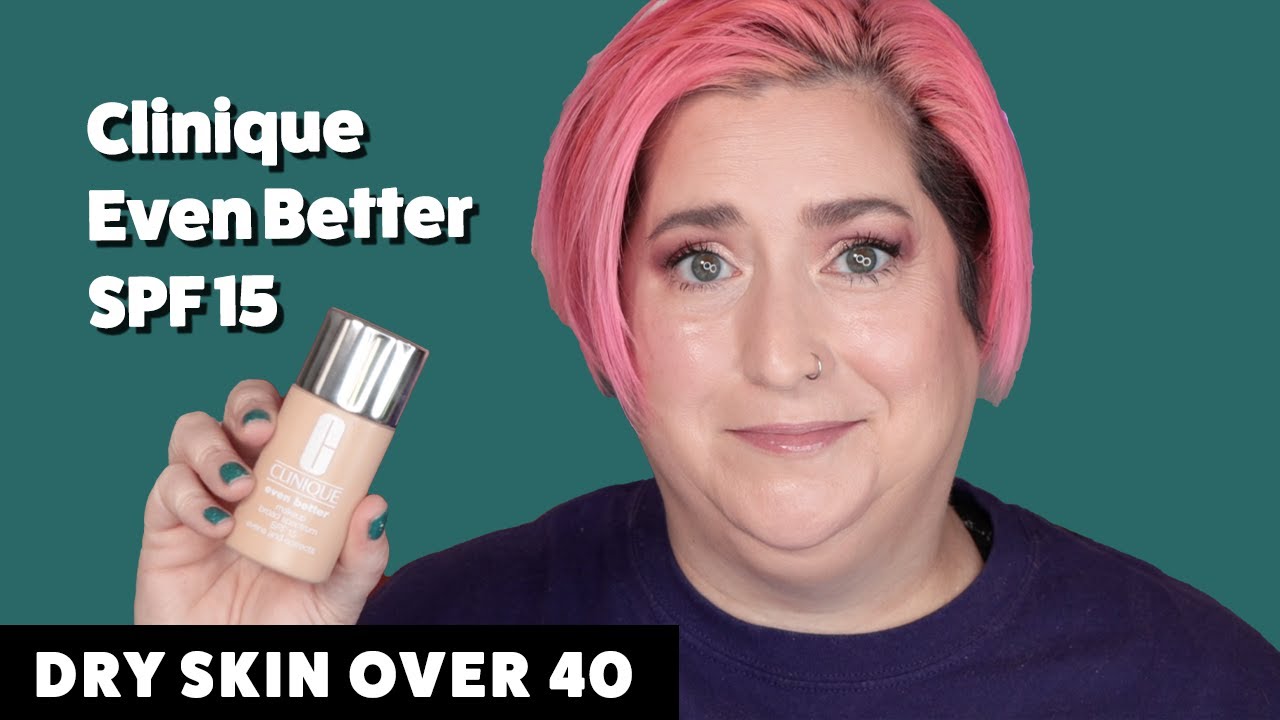
The tool changes the finish. Same foundation, different tool, noticeably different result.
Beauty Buddy’s 2025 survey found makeup brushes are the top application tool (32%), followed closely by beauty sponges (29%). Both work with Even Better’s formula, but they produce different outcomes.
| Tool | Finish Result | Coverage Level | Best Skin Type |
|---|---|---|---|
| Dense foundation brush | More polished, fuller | Medium to full | Oily, combination |
| Damp beauty sponge | Natural, skin-like | Light to medium | Dry, normal |
| Fingers | Sheer, warmed in | Light | Normal, sensitive |
Clinique recommends a buff brush for the most polished result with the Clinical Serum Foundation specifically. Their own Foundation Brush and Blending + Concealer Brush are both designed to work with the formula’s consistency.
Damp sponge technique: Wet the sponge, squeeze out all excess water until it is just damp, not dripping. Then press and bounce the sponge into the skin rather than dragging. Dragging moves the product instead of pressing it in.
One thing worth knowing: a damp sponge sheers the formula out. If you need full coverage for dark spots or hyperpigmentation, a brush gives you more control and more product on the skin. The sponge is better for a natural, second-skin finish on lighter coverage days.
The makeup brush and tools market was valued at $7 billion in 2024 (Global Market Insights), which reflects just how seriously people now take the tool side of application, not just the product itself.
Whether you choose a brush, sponge, or fingers, applying makeup with a brush takes a bit of practice to get the pressure and motion right. Same goes for applying makeup with a sponge. Neither is instant, but both get faster quickly.
Step-by-Step Application Method

Start with prepped, moisturized skin. This cannot be repeated enough.
Shake the Even Better bottle gently before dispensing. The formula settles slightly, and shaking ensures the pigment is evenly distributed before you pump.
Less product than you think. For the Clinical Serum Foundation, half a pump covers the full face for light-to-medium coverage. Start there. You can always add more. Starting with too much product is how people end up with a cakey, heavy result.
Begin application at the center of the face. Nose, center of forehead, center of chin. Blend outward toward the hairline and jawline. This method naturally gives the most coverage where people usually need it most, with a softer finish at the edges.
Applying for Light Coverage
Half a pump, applied with a damp sponge using a pressing motion.
Work quickly. The formula starts to set after a couple of minutes, so blend as you go rather than applying everything first. Start center, press outward, clean up the hairline and jaw last.
No setting powder needed for light coverage on normal skin. A light dusting of translucent powder on the T-zone is enough if you tend toward oiliness.
Applying for Full Coverage
Layering is the method. Apply one half-pump with a dense foundation brush, blend fully, then assess where you need more. Add a second layer only to the areas that need it rather than applying another full layer everywhere.
The Clinique Even Better Clinical Serum Foundation is specifically designed for buildable full coverage without caking. But that only holds if you let each layer fully blend before adding more. Rushing the layers is where the cakey finish comes from.
Set with a light press of translucent or tinted setting powder to lock the second layer in place. A setting spray on top extends the wear time further.
For a more detailed look at how to apply foundation across different formulas and techniques, the process overlaps significantly regardless of the specific product.
Common Application Mistakes and How to Fix Them
The biggest foundation struggle after shade matching is cakiness. 28% of consumers list preventing a cakey finish as their top challenge (Beauty Buddy, 2025). Most cakiness comes from too much product applied too fast, not from the foundation itself.
Mistake: Using too much product at once. Fix it by starting with half a pump and building only where needed. Even Better is concentrated. One full pump for a first-time user usually ends in visible overload.
Mistake: Applying on dry, unprepared skin. Dry patches grab at the formula and hold it unevenly. The fix is moisturizer applied and fully absorbed before the foundation goes on. For very dry skin, the Dramatically Different Moisturizing Lotion works as a prep step.
Mistake: Skipping the hairline and jawline. Foundation that stops at the face instead of blending into the neck and hairline creates a visible line. Blend past the jaw and feather into the hairline before the formula sets.
Foundation oxidation is another common issue, and 10% of consumers identify it as their main challenge (Beauty Buddy, 2025). The Even Better Clinical Serum Foundation uses a non-oxidizing formula, but oxidation can still happen if you apply over still-tacky SPF or oily skincare. Fully absorb everything underneath first.
Patchy finish on dry areas usually means the skin was not prepped. If it happens mid-application, a damp sponge pressed over the patchy area can smooth it out without disturbing the rest of the base. Do not try to fix patchiness by adding more foundation on top of it.
If you find your base going wrong after it is set, there are practical methods for fixing patchy makeup without having to start over. And if oxidation is a recurring issue, it is worth understanding how to stop foundation from oxidizing at the prep stage rather than trying to correct it after application.
How to Make It Last All Day

Getting it to last all day is the third biggest foundation challenge consumers face, cited by 20% of users in Beauty Buddy’s 2025 survey. With Even Better, wear time depends heavily on what happens after the foundation goes on, not just how it is applied.
Setting powder is the most reliable step for extending wear. The US makeup setting powder market was valued at $0.95 billion in 2022 and is projected to reach $1.55 billion by 2030 (Verified Market Research), which tells you how seriously people take this step now.
| Setting Method | Best For | Result |
|---|---|---|
| Translucent loose powder | All skin types | Sets without adding coverage |
| Tinted pressed powder | Oily skin, touch-ups | Adds coverage, controls shine |
| Setting spray | Dry to normal skin | Locks base, keeps finish natural |
For oily skin, the satin-matte finish of Even Better helps on its own, but a light press of translucent powder over the T-zone makes a noticeable difference by midday. Skip the heavy powder all over. That is what causes the dry, cakey look by afternoon.
Midday touch-up method: Use a damp sponge to press down any areas that have moved or become patchy before reapplying powder. Adding powder directly over a broken-down base without pressing first just layers more product on top of something that needs to be re-set.
Setting spray works well as a final step if you have dry or normal skin. It softens the finish slightly and helps everything move together as one layer rather than separate products sitting on the skin.
Humidity and heat accelerate breakdown. Liquid foundations like Even Better typically last 8 to 12 hours under standard conditions (Makeup School Sydney), but high humidity shortens that significantly. A setting spray formulated for humid conditions (not just any finishing spray) is the practical fix here.
For a full breakdown of how to make makeup last all day, the process applies across most liquid foundation formulas and goes beyond just powder and spray.
If your base holds well through application but starts creasing under the eyes later, that is a separate issue from overall foundation longevity. Understanding how to prevent creasing under eyes usually comes down to concealer application and the amount of product in that area, not the foundation itself.
One more thing: if you wear SPF underneath, you need to reapply it through the day for actual sun protection. The SPF 15 or 25 in Even Better does not replace a full sunscreen application, and layering more foundation as a touch-up does not re-apply the SPF. Knowing how to reapply sunscreen over makeup without disturbing the base is a separate skill worth knowing.
Pairing Even Better Foundation With Other Clinique Products
The Even Better line is designed to layer. Products from the same range share formulation logic, which means less pilling, more compatible finishes, and a more consistent look across the face.
The global hybrid makeup market was valued at $19.79 billion in 2023 and is growing at 6.04% annually through 2033 (The Brainy Insights). The hybrid foundation and tinted creams segment alone held the largest share at 31.63% in 2023 (Grand View Research). Even Better sits squarely in this growing category, built to deliver both skincare benefits and makeup coverage in one step.
Core Clinique pairings that work:
- Even Better Concealer: Formulated to match the foundation’s finish and coverage. Apply after foundation for under-eye areas and spots. The satin finish matches without flashback.
- Dramatically Different Moisturizing Lotion: The prep-step product. Fully absorb before applying the foundation to avoid pilling.
- Pore Refining Solutions Primer: Spot-apply to the T-zone before foundation for better wear on oily areas.
- Even Better Glow Light Reflecting Makeup: Mix a small amount into the Even Better Makeup SPF 15 for a subtle glow, or use it alone on lighter coverage days.
The Even Better All-Over Concealer uses hyaluronic acid and caffeine, designed to reduce puffiness and brighten dark circles while staying under or over the foundation without creasing. Clinique recommends applying it with a stippling motion using the included blurring sponge applicator.
Under-eye layering order:
- Moisturizer
- Foundation (applied lightly under eye)
- Concealer on top, blended by stippling
For blushes and highlighters over the satin-matte finish, powder formulas layer more cleanly than cream. The matte base does not grip powder products unevenly the way a dewy base sometimes does, so standard powder blush and highlighter work well on top without looking patchy.
If you are using the Even Better Clinical Dark Spot Corrector underneath, apply it as part of your skincare routine and let it absorb fully before primer and foundation go on. It is a serum-weight product, and layering the foundation directly over a still-wet corrector disrupts the base. A two to three minute wait is usually enough.
Knowing how to use concealer correctly over or under foundation changes the finish considerably. Applying it before foundation gives more coverage with less product. Applying it after gives a more precise, targeted result for dark spots and under-eye circles specifically.
If you want a full-face base routine that layers well, layering makeup in the right order prevents pilling, extends wear time, and keeps the finish consistent from center face to edges throughout the day.
FAQ on How To Apply Clinique Even Better Foundation
How much product should I use per application?
Start with half a pump. The Even Better Clinical Serum Foundation is concentrated, so a little goes a long way. Build coverage in thin layers rather than applying a full pump at once. Too much product upfront causes caking.
Do I need a primer before applying Even Better Foundation?
Not always. For oily or combination skin, Clinique’s Pore Refining Solutions Primer extends wear time noticeably. Dry skin types can skip primer entirely and apply directly over moisturizer once it has fully absorbed.
What is the best tool for applying this foundation?
A dense foundation brush gives the most polished, full-coverage result. A damp beauty sponge produces a natural, skin-like finish with lighter coverage. Clinique specifically recommends a buff brush for the Clinical Serum formula.
How do I stop it from looking cakey?
Use less product and build in layers. Apply on fully moisturized skin and let each layer blend before adding more. Patchy or cakey results almost always come from too much product applied too quickly on unprepared skin.
Can I use Even Better Foundation on dry skin?
Yes, but skin prep matters more for dry skin types. Apply a hydrating moisturizer and let it absorb fully first. Avoid mattifying primers. The Even Better Refresh formula is specifically better suited to dry skin than the Clinical Serum version.
How do I find my correct shade?
Use Clinique’s online Shade Finder tool or test at the jawline in natural light. The shade numbering system combines depth and undertone: N for neutral, W for warm, C for cool. When between two shades, go slightly lighter.
Does Even Better Foundation oxidize through the day?
The Clinical Serum Foundation uses a non-oxidizing formula, but applying it over still-tacky SPF or unabsorbed skincare can cause color shift. Let all layers beneath fully dry before applying foundation to avoid this.
How do I make the foundation last longer?
Set with a light press of translucent powder, focusing on the T-zone. A setting spray on top works well for normal to dry skin. For oily skin, a mattifying setting powder extends wear time more reliably than spray alone.
Can I build it to full coverage?
Yes. Apply a first layer with a foundation brush, blend fully, then add a second layer only where more coverage is needed. Letting each layer set before adding the next is what keeps the finish smooth rather than heavy.
What Clinique products pair best with Even Better Foundation?
The Even Better Concealer matches the finish seamlessly for under-eye coverage and spot concealing. The Dramatically Different Moisturizing Lotion works well as prep. Powder blush and highlighter layer cleanly over the satin-matte base.
Conclusion
This conclusion is for an article presenting the full process of applying Clinique Even Better Foundation, from skin prep and shade matching to layering technique and setting methods.
The formula rewards patience. Half a pump, fully blended, builds more naturally than a heavy first layer ever will.
Pair it with the Even Better Concealer for seamless under-eye coverage, use the right tool for your skin type, and set with translucent powder where your skin needs it most.
Get those steps right and the satin-matte finish holds. Get them wrong and no amount of buildable coverage will save it.
Prep well, start light, and build from there.

She started writing on the site after fielding the same questions from clients and friends often enough to just write the answers down: which red won't turn orange on a warm undertone, how to keep lipstick from feathering into fine lines, why a "12-hour" formula rarely survives dinner.
Every review on the site follows the same rule she uses with paying clients: wear it first, then decide if it's worth recommending.
- How to Make Eyeliner Last Longer Without Smudging - August 31, 2026
- How to Make Eyeshadow Last Longer All Day - August 29, 2026
- How to Find Your Undertone in 5 Easy Steps - August 27, 2026