Summarize this article with:
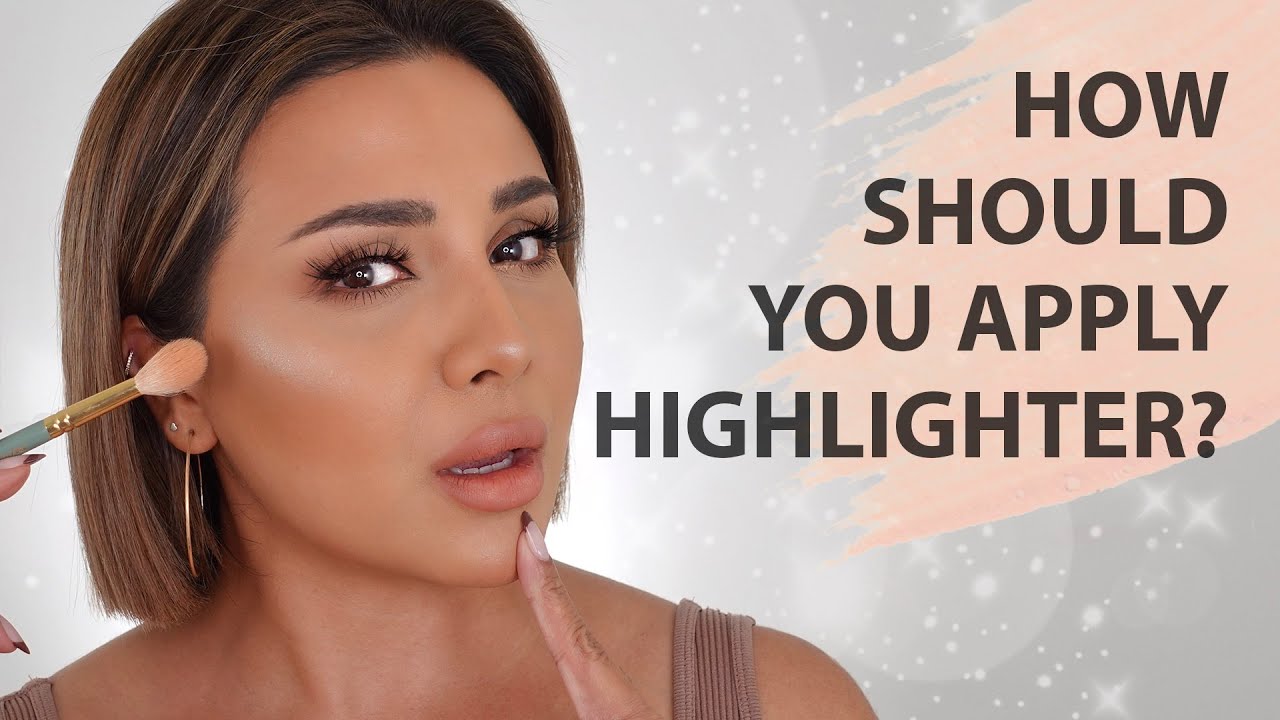
That luminous glow you see on Instagram isn’t just good lighting. Learning how to apply Rare Beauty highlighter properly transforms your everyday makeup routine into something that stops people mid-scroll.
Selena Gomez’s inclusive beauty brand offers two distinct highlighter formulations that work beautifully across all skin tones.
Yet most people struggle with placement, blending, and building coverage without looking overdone.
Professional makeup artists know the secrets to natural-looking radiance that photographs beautifully.
The difference between amateur and expert application lies in understanding your unique facial structure and choosing the right techniques for your skin type.
This comprehensive guide reveals professional highlighting methods that create buildable coverage and long-lasting luminosity. You’ll master liquid and powder application techniques, troubleshoot common mistakes, and learn advanced strategies for different occasions.
Whether you’re aiming for subtle daytime glow or evening glamour intensity, these proven methods ensure your highlighting looks intentional and effortless.
Understanding Rare Beauty Highlighters

Selena Gomez’s inclusive beauty brand offers two distinct highlighter formulations. Each provides buildable coverage for different preferences and skin types.
Product Range and Formulations
The Soft Pinch Liquid Highlighter delivers a natural glow that melts seamlessly into skin. This lightweight formula contains light-reflecting particles that create subtle luminosity.
Positive Light Silky Touch Highlighter comes in powder form with a buttery texture. The compact design makes it perfect for travel and quick touch-ups throughout the day.
Both formulas are cruelty-free and designed with sensitive skin in mind. They layer beautifully over foundation without disturbing the base makeup underneath.
Shade Selection Guide
Rare Beauty’s inclusive shade range caters to all skin tones. Mesmerize works beautifully on fair to light skin tones with cool undertones.
Enchant complements medium skin with warm golden undertones. This shade adds natural warmth without looking overdone.
Captivate suits deeper skin tones with its rich bronze finish. The formula maintains its luminous quality across all complexions.
Professional makeup artists recommend testing shades in natural light. The right highlighter should look like your skin but better, not like a completely different color sitting on top.
Skin Tone Matching
Cool undertones pair best with champagne and pearl shades. These create that coveted glass skin effect popularized on Instagram and TikTok.
Warm undertones shine with golden and peachy highlights. Bronze tones add dimension without clashing with your natural coloring.
Neutral undertones have the most flexibility in shade selection. You can lean either cool or warm depending on the look you want to achieve.
Pre-Application Preparation

Proper skin prep makes the difference between amateur and professional results. Clean, moisturized skin provides the perfect canvas for luminous highlighting.
Skin Preparation Steps
Start with gentle cleansing to remove any oils or residue. Pat skin dry with a clean towel rather than rubbing.
Apply your regular moisturizer and let it absorb completely. This prevents the highlighter from looking patchy or separating on dry areas.
Primer creates a smooth base that helps makeup last longer. Focus on areas where you plan to apply highlighter for maximum staying power.
Base Makeup Coordination
Foundation should be fully set before highlighting begins. Use translucent powder lightly in areas where you’ll apply liquid highlighter.
Concealer placement affects how your highlight appears. Avoid heavy concealer directly where you plan to highlight, as this can create a muddy appearance.
Color matching between your base and highlighter prevents an obvious, painted-on look. The goal is seamless integration, not stark contrast.
Tool Selection
Professional makeup brushes offer the most control for powder application. A small, tapered brush works best for precise placement.
Beauty sponges blend liquid formulas beautifully. Dampen the sponge slightly for the smoothest application and natural finish.
Your fingertips can work for liquid highlighter too. The warmth from your skin helps blend the product naturally, especially for subtle daytime looks.
Liquid Highlighter Application Techniques

Liquid formulas require different techniques than powder versions. The key is working quickly while the product remains blendable.
Direct Application Methods
Fingertip Blending Approach
Warm a small amount between your fingertips first. This helps the product spread more evenly across your skin.
Tap gently rather than rubbing when applying. Start with less product than you think you need – you can always build coverage.
Blend immediately in upward motions. The natural oils on your fingers help create a seamless, skin-like finish.
Brush Application Steps
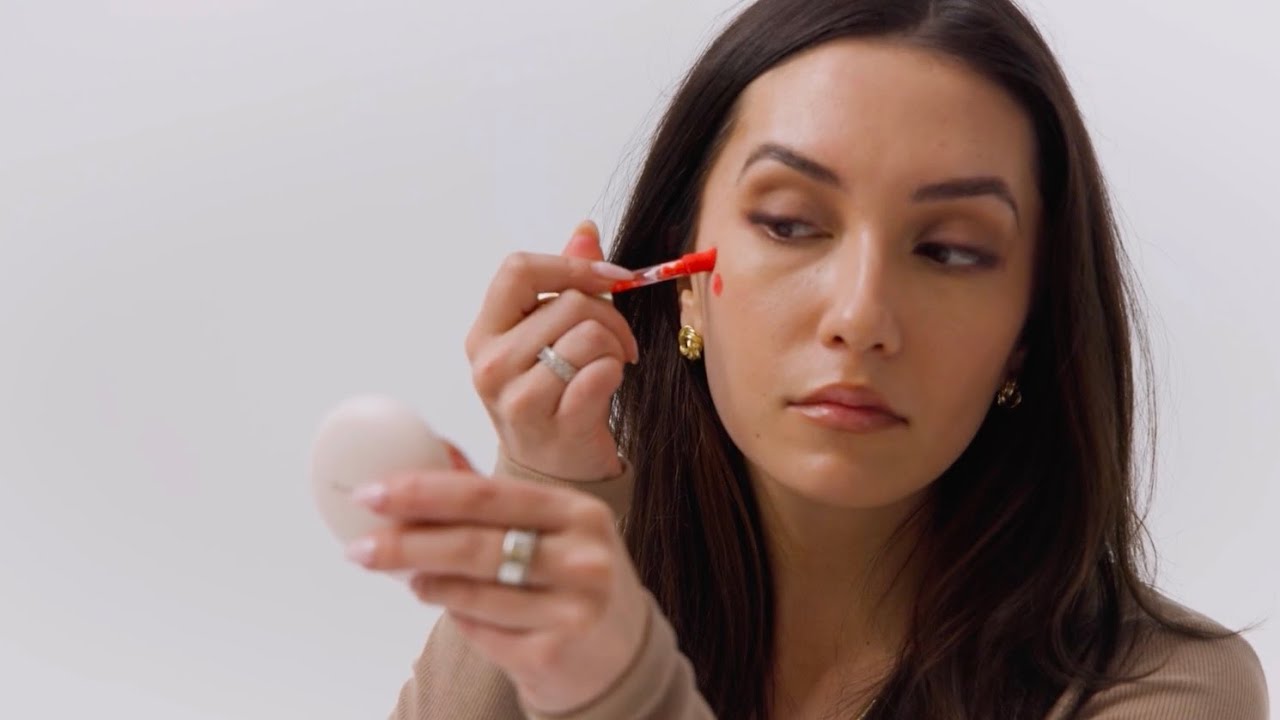
Load a small amount onto a damp synthetic brush. Natural bristles can absorb too much liquid product.
Apply in thin layers using pressing motions. Avoid dragging the brush, which can disturb your base makeup underneath.
Blend the edges while the product is still workable. This prevents harsh lines that scream “makeup” instead of natural radiance.
Beauty Sponge Technique
Dot the liquid highlighter directly onto skin first. Then use a damp beauty sponge to blend and diffuse.
Press and roll the sponge rather than wiping. This technique maintains coverage while creating natural-looking luminosity.
Clean your sponge regularly during application. Product buildup can cause streaky, uneven coverage.
Strategic Placement Areas
High Points of Cheekbones
Feel for the highest point of your cheekbone with your finger. This is where light naturally hits your face.
Apply highlighter in a C-shape from the temple down to the apple of the cheek. This mimics natural light reflection.
Avoid highlighting too close to your nose. This can make your face appear wider than desired.
Bridge of Nose Positioning
A thin line down the center creates the illusion of a straighter nose. Use very little product here.
Focus on the top third of your nose bridge only. Highlighting the entire nose can look unnatural in most lighting.
Blend carefully into surrounding areas. Sharp lines on the nose are particularly noticeable and unflattering.
Cupid’s Bow Accent
This small area above your upper lip catches light beautifully. Use just a tiny dot of product.
Blend outward from the center point. Too much highlight here can emphasize any asymmetry in lip shape.
Coordinate with your lip color choices for a cohesive overall look.
Inner Corner Eye Highlight
This trick opens up your eyes instantly. Use the tiniest amount on your ring finger.
Pat gently into the inner corner without getting product on your actual eyeball. Less is definitely more here.
Choose a shade slightly lighter than your main highlighter. This area should be the brightest point on your entire face.
Brow Bone Illumination
Highlight just under the brow bone, not on the brow itself. This lifts and defines your eye area.
Follow your natural brow shape rather than creating an artificial arch. Work with your bone structure, not against it.
Blend downward slightly to avoid a harsh stripe effect. The highlight should fade naturally into your skin.
Blending Perfection
The secret to natural-looking highlight is seamless blending. No one should see where the product starts and ends.
Seamless Edge Creation
Use light, feathering motions at the edges. Build coverage gradually rather than applying heavily at once.
Clean tools between applications prevent product buildup. Dirty brushes can cause streaky, uneven results.
Check your work in different lighting conditions. What looks perfect in your bathroom mirror might appear overdone in natural light.
Natural Gradient Building
Start with the lightest application possible. You can always add more, but removing excess is much harder.
Build in thin layers rather than one thick application. This creates depth and dimension that looks skin-like.
Take breaks between layers to assess your progress. It’s easy to overdo highlighting when you’re focused intensely on application.
Avoiding Harsh Lines
Blend while the product is still workable. Liquid highlighters set quickly, so work efficiently.
Use the same blending tool for consistency. Switching between brushes and sponges can create texture differences.
Step back frequently to see the overall effect. Close-up application can lead to heavy-handed results that look obvious from normal viewing distance.
Powder Highlighter Mastery

Powder formulas require different handling than liquid versions. The key is controlling the amount of product pickup from the compact.
Product Pickup Techniques
Brush Loading Methods
Tap your brush lightly into the Positive Light Silky Touch compact. Too much pressure picks up excess product that creates streaky application.
Swirl the brush in small circles rather than pressing straight down. This loads product evenly across all bristles.
Test the coverage on the back of your hand first. You should see a subtle shimmer, not heavy pigment buildup.
Excess Product Removal
Tap off excess on a tissue or the back of your hand. This prevents the dreaded glitter bomb effect that screams amateur application.
Roll the brush between your fingers to distribute product evenly. Uneven loading creates patchy coverage on your face.
Work quickly once you’ve loaded the brush. Powder highlighters can become patchy if you hesitate during application.
Building Intensity Gradually
Start with the lightest possible application. Professional makeup artists always build coverage rather than applying heavily at once.
Use the same brush angle for each layer. Changing your technique mid-application creates uneven texture and finish.
Allow each layer to settle before adding more. Rushing this process leads to muddy, overdone results.
Application Patterns
Sweeping Motions for Cheekbones
Follow your natural bone structure with long, sweeping strokes. Short, choppy motions create visible brush marks.
Angle the brush parallel to your cheekbone for maximum surface contact. This creates smooth, even coverage without streaking.
Lift the brush at the end of each stroke. Dragging across multiple areas can disturb previously applied makeup.
Tapping Technique for Precise Areas
Use gentle tapping motions for inner corner highlighting. This deposits product exactly where you want it without over-blending.
Press rather than sweep on the nose bridge. Sweeping motions can remove foundation and create uneven coverage.
Control pressure carefully during tapping. Heavy-handed application looks obvious and unnatural.
Circular Blending Motions
Small circles help diffuse harsh edges after initial application. Keep the circles light and feathery.
Work outward from the center of highlighted areas. This creates natural gradients that mimic real light reflection.
Stop blending once edges look seamless. Over-blending can remove too much product and flatten the effect.
Layering Strategies

Light Base Layer Establishment
The first layer should be barely visible. This creates a foundation for building more intense coverage.
Focus on placement accuracy in this initial layer. Getting the position right matters more than coverage at this stage.
Check the base layer in natural light before proceeding. Artificial lighting can be deceiving for highlighting work.
Intensity Building Process
Add coverage gradually in thin applications. Each layer should increase intensity by about 20 percent.
Wait between layers for powder to settle completely. Rushing creates texture issues and uneven buildup.
Assess frequently during the building process. It’s easier to add more than to remove excess product.
Final Touch-Up Methods
Use a clean, fluffy brush for final blending. This softens any harsh edges without removing coverage.
Mist setting spray lightly for longer wear. Hold the bottle far from your face to avoid disrupting the powder.
Check all angles in a hand mirror. Highlighting should look natural from every viewing position.
Advanced Highlighting Strategies

Mastering these techniques separates amateur applications from professional results. These methods require practice but create stunning, multi-dimensional effects.
Multi-Dimensional Looks
Combining Liquid and Powder Formulas
Layer liquid highlighter under powder for maximum intensity. The liquid creates a base glow while powder adds surface shimmer.
Allow liquid formula to set completely before adding powder. Wet products can cause powder to clump and look muddy.
Use different shade families for depth creation. Warm liquid with cool powder creates complex, natural-looking dimension.
Color Mixing Techniques
Blend two highlighter shades on the back of your hand. This creates custom colors that perfectly match your skin tone.
Apply lighter shades to highest points and deeper shades to surrounding areas. This mimics how natural light actually hits facial features.
Experiment with complementary colors during evening glamour applications. Rose gold with champagne creates sophisticated depth.
Targeted Placement for Depth
Use three different intensities across your face. Brightest on center points, medium on secondary areas, and subtle on edges.
Apply warmest tones where sun naturally hits. Cooler tones work better in shadow areas for realistic light mimicry.
Coordinate with bronzer placement for cohesive contouring. Highlighting and bronzing should work together, not compete.
Skin Type Adaptations
Oily Skin Considerations
Set liquid highlighters immediately with translucent powder. Oily skin can cause liquid formulas to slide and separate.
Focus on powder formulas for longer-lasting results. They’re less likely to break down throughout the day.
Use oil-absorbing primer specifically where you plan to highlight. This creates a stable base for product adhesion.
Dry Skin Enhancement
Prep thoroughly with moisturizer before any highlighting. Dry patches make highlighter look flaky and uneven.
Cream formulations work better than powder on very dry skin. They provide hydration while adding luminosity.
Avoid alcohol-based setting sprays that can worsen dryness. Look for hydrating formulas instead.
Mature Skin Application
Focus on subtle placement rather than intense coverage. Heavy highlighting can emphasize texture and fine lines.
Stick to liquid formulas that blend seamlessly into skin. Powder can settle into lines and look aging.
Apply setting spray first, then highlighter. This prevents the product from emphasizing any texture issues.
Occasion-Specific Applications
Natural Daylight Glow
Use cream formulas mixed with moisturizer for subtle radiance. This creates skin-like luminosity perfect for daytime wear.
Focus only on cheekbones and nose bridge. Too many highlighted areas look overdone in natural light.
Choose champagne or pearl tones that mimic natural skin radiance. Avoid anything with obvious glitter particles.
Evening Glamour Intensity
Build coverage in multiple layers for photography-ready intensity. Stage lighting requires more product than everyday wear.
Highlight additional areas like collarbones and shoulders for full glamour effect. This creates cohesive radiance across visible skin.
Use setting spray between layers for maximum longevity. Evening events require transfer-proof application.
Photography-Ready Techniques
Apply heavier coverage than feels natural in person. Cameras flatten dimension, requiring more product for visible results.
Use pure white or silver tones that photograph well under flash. Warm tones can look muddy in professional photography.
Set everything thoroughly with powder and spray. Hot lights and long shoots test makeup durability.
Troubleshooting Common Issues
Even experienced users encounter highlighting problems. These solutions fix the most frequent application mistakes.
Fixing Over-Application
Blending Out Excess Product
Use a clean, damp beauty sponge to gently press over highlighted areas. This removes excess without disturbing base makeup.
Roll the sponge rather than wiping to maintain coverage while reducing intensity. Wiping motions can remove too much product.
Work in sections rather than trying to fix everything at once. Focus on one area until it looks natural.
Toning Down Intensity
Apply matching foundation over the highlighted area with a small brush. This reduces shimmer while maintaining some glow.
Press gently rather than rubbing when applying foundation over highlighter. Aggressive blending can create muddy results.
Use translucent powder to mattify overly intense highlights. This maintains placement while reducing shine.
Powder Setting Solutions
Dust lightly with translucent powder using a fluffy brush. This tones down glitter while preserving the highlighting effect.
Choose powder one shade lighter than your skin tone. This maintains luminosity while reducing obvious shimmer.
Blend powder carefully into surrounding areas. Sharp contrast lines make corrections obvious and unnatural.
Addressing Patchiness
Even Distribution Techniques
Use stippling motions with a damp beauty sponge to redistribute product evenly. This fills in gaps without adding more highlighter.
Apply thin foundation over patchy areas, then re-highlight with proper technique. Sometimes starting over works better than fixing.
Mist your brush lightly with setting spray before blending. This helps redistribute powder highlighter more evenly.
Base Preparation Improvements
Exfoliate gently before makeup application next time. Dead skin cells cause uneven highlighter distribution and texture.
Use primer specifically where you plan to highlight. This creates smooth application surface and better product adhesion.
Allow moisturizer to fully absorb before applying any makeup. Wet skin causes highlighter to slide and separate.
Tool Cleaning Importance
Clean brushes between uses prevent product buildup that causes streaky application. Dirty tools are the main cause of patchy coverage.
Use brush cleaning spray between highlighting sessions. This removes residue without full washing requirements.
Replace makeup sponges regularly since they harbor bacteria that can affect product performance and skin health.
Longevity Problems
Setting Spray Applications
Mist setting spray onto your highlighting brush before application. This increases adherence and wear time significantly.
Apply setting spray in thin layers rather than heavy misting. Too much can cause highlighter to run or separate.
Use alcohol-free formulas that won’t break down cream or liquid highlighter formulations throughout the day.
Touch-Up Strategies
Carry powder highlighter for touch-ups since it’s less messy than liquid formulas. Small compacts fit easily in purses.
Blot away excess oils with tissue before reapplying. Oil buildup prevents fresh highlighter from adhering properly.
Focus touch-ups on high-contact areas like cheekbones. Most highlighting fades from natural face touching throughout the day.
Environmental Factor Considerations
Humidity affects powder adherence and can cause liquid formulas to slide. Adjust application technique based on weather conditions.
Air conditioning can dry highlighted areas and cause flaking. Use hydrating setting spray in dry environments.
Heat increases oil production that breaks down highlighter faster. Apply extra setting powder in warm conditions.
Maintenance and Longevity Tips

Proper setting and maintenance techniques keep your luminous glow looking fresh throughout the day. These professional methods extend wear time significantly.
Setting Techniques
Translucent Powder Methods
Light dusting with translucent powder locks liquid highlighter in place. Use a fluffy brush to avoid disturbing the underlying glow.
Focus powder application around highlighted areas, not directly on them. This prevents dulling while providing longevity.
Tap excess powder from your brush before application. Too much powder can mattify your carefully crafted radiance.
Choose powder one shade lighter than your skin tone. This maintains brightness while securing the makeup underneath.
Setting Spray Applications
Mist setting spray from 8 inches away for even coverage. Closer application can cause highlighter to run or separate.
Use alcohol-free formulas that won’t break down cream or liquid products. Harsh ingredients can cause makeup to shift throughout the day.
Apply in thin layers rather than heavy saturation. Multiple light applications provide better coverage than one heavy misting.
Allow each layer to dry completely before adding more. Rushing this process can create uneven coverage and reduced longevity.
Lock-In Strategies
Press a damp beauty sponge gently over set highlighter. This melds all layers together for seamless, long-lasting finish.
Use upward pressing motions to avoid disturbing product placement. Dragging or wiping can remove carefully applied coverage.
Check different angles after setting to ensure even application. Side lighting reveals any missed spots or uneven areas.
Set only after you’re completely satisfied with placement and intensity. Once set, major adjustments become much more difficult.
Touch-Up Essentials
Portable Application Tools
Carry a small powder compact for easy touch-ups throughout the day. Liquid formulas are messier for on-the-go application.
Pack a travel-sized fluffy brush for blending. Fingers work in emergencies but tools provide more professional results.
Keep oil blotting papers handy for removing excess shine before reapplication. Clean skin accepts fresh highlighter better.
Choose products with secure packaging to prevent spills in your bag. Broken compacts can ruin other makeup items.
Quick Refresh Techniques
Blot gently with tissue before adding fresh product. Oil buildup prevents new highlighter from adhering properly.
Apply touch-ups in thin layers using the same technique as initial application. Heavy-handed corrections look obvious and unnatural.
Focus on high-contact areas like cheekbones where fading occurs first. Most highlighting remains intact in less-touched zones.
Blend edges carefully to avoid visible lines between old and new application. Seamless integration is key for natural results.
On-the-Go Corrections
Use a clean finger to gently press and blend any harsh edges that develop throughout the day. Body heat helps redistribute product.
Carry tissues for removing excess if you accidentally over-apply during touch-ups. It’s easier to remove than to blend out mistakes.
Check lighting conditions before major corrections. Bathroom lighting can be misleading compared to natural daylight.
Take photos in different lighting to assess your highlighting before important events. Phone cameras reveal issues your eyes might miss.
Removal and Care

Gentle Cleansing Methods
Oil-based cleansers remove highlighter most effectively without harsh scrubbing. They dissolve stubborn shimmer particles gently.
Massage cleanser in circular motions for 30 seconds minimum. This ensures complete removal of all product residue.
Use lukewarm water for rinsing to avoid irritating skin. Hot water can cause redness and dryness around delicate eye areas.
Double cleanse if wearing heavy highlighting for special events. One cleanse might not remove all traces of long-wearing formulas.
Brush Cleaning Requirements
Clean highlighting brushes after each use to prevent product buildup. Dirty tools cause streaky application and harbor bacteria.
Use gentle brush cleaner or baby shampoo for thorough cleaning. Harsh detergents can damage natural bristles.
Rinse thoroughly and reshape bristles while damp. Proper drying maintains brush shape and extends tool lifespan.
Lay brushes flat to dry rather than standing upright. Water can seep into ferrules and loosen bristles.
Product Storage Tips
Store powder compacts in cool, dry places away from direct sunlight. Heat can alter texture and performance.
Keep liquid highlighters tightly sealed to prevent evaporation and contamination. Exposure to air changes formula consistency.
Avoid bathroom storage where humidity fluctuates dramatically. Consistent temperature and humidity preserve product quality longer.
Check expiration dates regularly and replace old products. Expired makeup can cause irritation and performs poorly.
Clean product surfaces regularly with alcohol wipes to prevent bacterial growth. This is especially important for finger-applied products.
Replace makeup sponges frequently since they can harbor harmful bacteria. Weekly replacement is ideal for regular users.
Store brushes in breathable containers that allow air circulation. Enclosed storage can trap moisture and promote bacterial growth.
Keep different product types separated to prevent cross-contamination. Mixing formulas can alter their individual performance characteristics.
FAQ on How To Apply Rare Beauty Highlighter
What’s the difference between Soft Pinch Liquid and Positive Light powder highlighters?
Soft Pinch Liquid provides buildable, natural-looking luminosity that melts into skin. The powder version offers more intense coverage with longer wear time and easier touch-ups throughout the day.
Which Rare Beauty highlighter shade works best for my skin tone?
Mesmerize suits fair to light skin with cool undertones. Enchant complements medium skin with warm undertones, while Captivate works beautifully on deeper skin tones with rich bronze finish.
Should I apply highlighter before or after foundation?
Always apply foundation first, then highlighter on top. This prevents disturbing your base makeup and ensures the luminous glow sits naturally on the skin’s surface for maximum impact.
How much product should I use for natural-looking results?
Start with less than you think you need. Build coverage gradually in thin layers rather than applying heavily at once. You can always add more, but removing excess is much harder.
What’s the best tool for applying liquid highlighter?
Fingertips work best for liquid formulas because body heat helps blend the product naturally. Damp beauty sponges and synthetic brushes also provide excellent results for seamless application.
Where should I place highlighter on my face?
Focus on high points where light naturally hits: cheekbones, nose bridge, cupid’s bow, inner corners of eyes, and just under the brow bone for lifted, dimensional effects.
How do I prevent my highlighter from looking too glittery?
Choose formulas with fine shimmer particles rather than chunky glitter. Blend thoroughly and use setting spray to meld the product into skin for natural radiance instead of obvious sparkle.
Can I mix different highlighter shades together?
Yes, blending two shades on the back of your hand creates custom colors. Mix lighter and deeper tones for multi-dimensional effects that complement your unique undertones perfectly.
How do I make my highlighter last all day?
Use primer where you plan to highlight, set liquid formulas with translucent powder, and apply setting spray. Keep powder compact handy for quick touch-ups throughout the day.
What’s the biggest mistake people make with highlighter application?
Over-application is the most common error. Heavy-handed highlighting looks obvious and unnatural. Build coverage slowly and blend thoroughly for skin-like luminosity that photographs beautifully.
Conclusion
Mastering how to apply Rare Beauty highlighter opens up endless possibilities for creating dimensional makeup looks. These professional techniques work across all skin types and occasions.
Practice makes perfect when building your highlighting skills. Start with subtle daytime applications before attempting intense evening glamour looks.
The key to natural radiance lies in understanding your facial structure and choosing appropriate placement areas. Strategic highlighting creates the illusion of lifted, sculpted features without obvious makeup lines.
Remember that quality tools make a significant difference in your final results. Clean brushes and proper product storage maintain optimal performance.
Troubleshooting skills develop over time as you encounter different lighting conditions and wear situations. Each application teaches you something new about your preferences.
Whether you choose liquid or powder formulations, consistent practice builds muscle memory for flawless application. Your highlighting technique will become second nature with regular use.
Start experimenting with these methods today and watch your makeup confidence soar to new heights.
- Wedding Guest Makeup Looks for Every Season - February 15, 2026
- Fair Skin Makeup Looks That Enhance Your Complexion - February 14, 2026
- Good Makeup Looks That Always Work - February 13, 2026