Pencil eyeliner is one of those products that sounds simple until you realize how many people are using the wrong one for their eye shape, their skin type, or the look they’re actually going for.
It’s the most beginner-friendly liner format on the market. It’s also the most versatile, covering everything from a clean lash line to a smudged smoky eye to a precise tightline.
This guide covers what pencil eyeliner is, how the formula works, which types suit different needs, and how to apply, maintain, and remove it correctly.
Now I have enough research. Let me write the HTML content for sections 1-6.
What Is Pencil Eyeliner

Pencil eyeliner is a pigmented cosmetic tool used to define, line, and shade around the eyes. It comes in a wood-encased or twist-up (retractable) format and sits between liquid liner and gel eyeliner in terms of precision and blendability.
Nearly 70% of cosmetic users include eyeliner in their daily routine, according to market research from Reanin (2024). Pencil eyeliner is one of the three dominant formats driving that figure, alongside liquid and gel.
The core function is straightforward. You draw a line. But the pencil format gives you something liquid liner doesn’t: the ability to smudge, blend, and soften that line with a fingertip or brush.
It works on the upper lash line, lower lash line, waterline, and tightline. That range of application zones is part of why it stays so popular, even as liquid and felt-tip liners have grown.
| Liner Type | Finish | Blendability | Best For |
| Pencil | Soft to defined | High | Everyday use, smoky eye, waterline |
| Liquid | Sharp, precise | Low | Winged liner, graphic looks |
| Gel (pot) | Intense, polished | Medium | Professional, long-wear looks |
| Felt-tip | Bold, clean | Very low | Quick application, beginners |
Pencil eyeliner is consistently the most beginner-friendly format. There is no learning curve the way there is with a liquid brush tip.
Types of Pencil Eyeliner
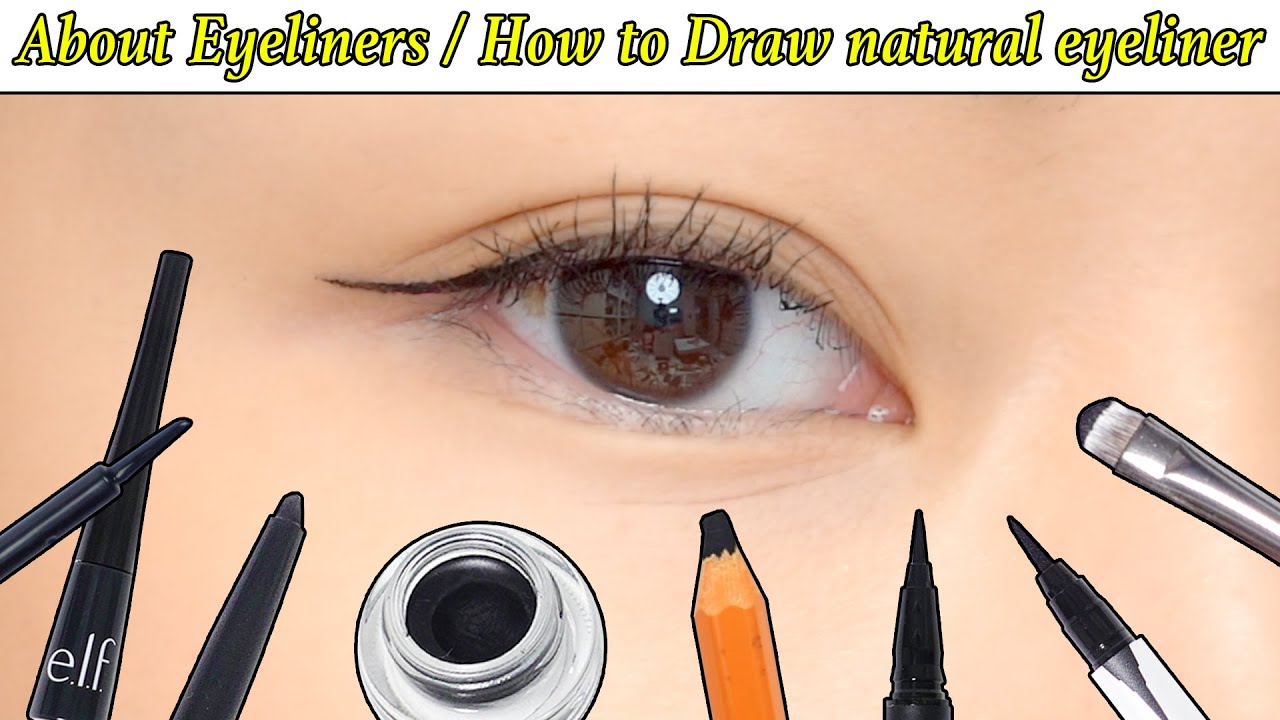
Not all pencil eyeliners are the same product. The format, texture, and formula vary enough to make a real difference in how the liner applies and wears.
Wood-Encased Pencil. Traditional format, still widely used. The pigment core sits inside a wood casing that you sharpen as the tip wears down. Sharpening keeps the tip precise. The downside is breakage if you push too hard or sharpen a cold pencil. Most makeup artists keep these in the fridge for a few minutes before sharpening.
- Requires a sharpener (cosmetic or standard)
- Usually softer formulas with more blendability
- Examples: Urban Decay 24/7 Glide-On, Charlotte Tilbury Eye Cheat
Retractable (Mechanical) Pencil. Twist-up format. No sharpener needed. The NYX Mechanical Pencil is a widely-used example. These tend to have slightly harder formulas. Good for travel, good for quick application, less ideal if you want a super-fine precise line. Kohl Pencil. Softer and more diffused.
Designed for smudging. Used heavily for waterline application and smoky eye looks. Not ideal for clean lash line definition. Key difference: kohl formulas are creamier and harder to control for a sharp finish, and that is exactly the point.
Kajal. A subcategory of kohl with roots in South Asia and the Middle East. Traditional kajal was made from soot and oils. Modern versions use safe synthetic pigments but keep the ultra-soft, deeply pigmented texture. Goes on darker and blends more aggressively. Very popular for bold, dramatic eye looks.
| Type | Texture | Best Application Zone | Finish |
| Wood-encased | Soft to firm | Lash line, tightline | Defined or blended |
| Retractable | Firm | Lash line, quick use | Clean, consistent |
| Kohl | Very soft | Lower lash line, waterline | Smudged, diffused |
| Kajal | Ultra-soft | Waterline, full eye | Intense, smoky |
Pencil Eyeliner Formula and Ingredients
Wax Base
Wax is the structural backbone of any eyeliner pencil. It determines hardness, glide, and how well pigment deposits on skin.
Three waxes dominate pencil eyeliner formulations:
- Carnauba wax – sourced from Brazilian palm leaves, the hardest natural wax available with a melting point above 80C. Adds structure and heat resistance.
- Candelilla wax – plant-derived, native to Mexico. Softer than carnauba, adds gloss and oil-binding capacity. Popular in vegan formulas.
- Beeswax – the classic base. Softer, more emollient, good for blendable formulas. Not vegan.
According to Cosmetic Ingredient Review 2023 data, beeswax, carnauba wax, and candelilla wax are each used in over 5,000 cosmetic formulations and are classified as safe under current practices.
Pigments and Color Payoff
Black pencil eyeliners typically use iron oxides or carbon black as the primary colorants. The ratio of pigment to wax determines intensity. More wax relative to pigment means sheerer color. Higher pigment load means more opaque, deeper payoff. Shimmer pencils include mica particles. Matte finishes rely entirely on pigment and wax without reflective additives.
Oils, Emollients, and Silicones
Oils give a pencil its glide. Without them, even a soft wax formula drags on the skin. Common additions: castor oil and jojoba oil for smooth application, shea butter for emollience in softer formulas, and dimethicone in waterproof pencils for slip and long-wear performance. Waterproof pencil eyeliners rely more heavily on silicones and film-forming polymers. These create a coating that resists water and oil, which is why they require an oil-based remover to break down properly.
How Pencil Eyeliner Differs from Other Liner Types
Deep Market Insights data from 2024 values the global eyeliner market at $7.82 billion, growing at a 7.6% CAGR through 2030. Liquid liners lead in sales volume, but pencil liners maintain strong demand for their ease of use and versatility.
Pencil vs. Liquid Eyeliner
Liquid liner gives you a sharp, defined line. That is its strength and its limitation. One wrong stroke and you are removing and restarting. Pencil is workable. You can soften an edge, smudge an angle, or blend a mistake into something intentional.
For anyone learning to apply eyeliner, pencil is significantly easier to control. Google Trends data from November 2024 shows pencil eyeliner search volume hit a peak of 100 (maximum interest score), while liquid peaked at 96 in the same period. Pencil is not the underdog format it is sometimes treated as.
Pencil vs. Gel Eyeliner
Intensity comparison: gel liners in a pot are generally more pigmented and longer-wearing. But they require a brush and a bit of technique. Pencil wins on convenience. Gel-pencil hybrids, like the Maybelline Tattoo Studio Gel Pencil Eyeliner launched August 2023, try to bridge that gap. But a traditional pencil still has more forgiveness in the application process.
Pencil vs. Felt-Tip Liner
Felt-tip liners are portable and consistent. They work well for daily use and quick cat-eye looks. But they give you one look. A pencil eyeliner gives you several: a clean lash line, a smudged lower lid, a tightlined effect, or a smoky base for eyeshadow. Felt-tip liners cannot do any of that. For application flexibility, pencil wins.
How to Apply Pencil Eyeliner

Upper Lash Line Application
Short strokes work better than trying to draw one continuous line.
- Rest your elbow on a stable surface
- Pull skin at the outer corner taut with your non-dominant hand
- Apply in small dashes from inner to outer corner
- Connect and smooth the dashes
Press firmly at the lash line to deposit pigment into the base of the lashes. This makes liner look fuller without drawing an obvious line above the eye. Warming the pencil tip slightly against your wrist for a second helps softer formulas glide without dragging.
Applying Pencil Eyeliner on the Waterline
The waterline is the inner rim of the lower eyelid. White or nude pencils open the eye and make it look larger. Dark pencil eyeliner on the waterline adds intensity and makes the eye look deeper-set.
Formula requirements for waterline use: must be waterproof or water-resistant, ophthalmologist-tested, and soft enough to apply without dragging on sensitive tissue.
A 2015 study found that eyeliner particles can migrate into the eye within 5 minutes of waterline application. Choosing an ophthalmologist-tested, hypoallergenic pencil eyeliner formula reduces that risk.
Tightlining with Pencil Eyeliner
Tightlining means placing the pencil between the upper lashes at the base of the lash line. You are lining the inner rim of the upper lid, not the skin above it. Lashes look thicker and denser without it being obvious you are wearing liner.
Best textures for tightlining: soft kohl formula or waterproof pencil eyeliner. Firm pencils drag and are uncomfortable to use this close to the eye.
Learning to tightline eyes well takes practice but adds definition without looking heavy. It works for everyone, including people who say they cannot wear eyeliner.
How to Choose the Right Pencil Eyeliner

Soft vs. Hard Pencil Formulas
Soft formula: better blendability, creamier application, shorter wear time, not great for very precise lines. Hard formula: more precise, longer-wearing, less blendable, better for clean lash line definition. For hooded eyes or oily lids, harder formulas hold up better. For a smoky eye look or waterline application, a softer kohl or kajal pencil is the better call.
Waterproof vs. Non-Waterproof
Waterproof pencil eyeliner formulas are worth it for oily lids, humid climates, or long wear days. They do not crease or migrate the way standard formulas can.
The trade-off: waterproof formulas require an oil-based remover to take off properly. Products like DHC Cleansing Oil or Bioderma Sensibio H2O work well.
If you are removing eye makeup with micellar water alone, a waterproof pencil will not come off cleanly. Rubbing to compensate causes lash damage over time.
Pencil Eyeliner by Eye Shape
Eye shape affects placement, not which product you pick. But knowing your shape helps you choose between precision pencils and softer smudge-friendly formulas.
| Eye Shape | Liner Placement | Formula Preference |
| Hooded | Close to lashes, no flick | Waterproof, firm |
| Monolid | Thicker line above lashes | Any, bold pigment |
| Almond | Standard technique works | Any formula |
| Deep-set | Upper lid only, avoid lower | Lighter shades or nude |
For more on doing makeup for hooded eyes, pencil liner placement matters more than the product. Liner applied near the lash root prevents it from disappearing into the fold.
Budget vs. High-End Pencil Eyeliner
The gap is smaller than most people expect. A well-formulated drugstore pencil like the NYX Mechanical Pencil often matches premium options in pigment payoff and wear time.
Where high-end products like Charlotte Tilbury Eye Cheat or Urban Decay 24/7 Glide-On tend to win: texture refinement, fewer dragging issues, and packaging quality.
Real differences, but not always worth the price jump. Test texture before buying when possible. A pencil that drags once in the store will drag on your eye.
Pencil Eyeliner for Different Eye Shapes
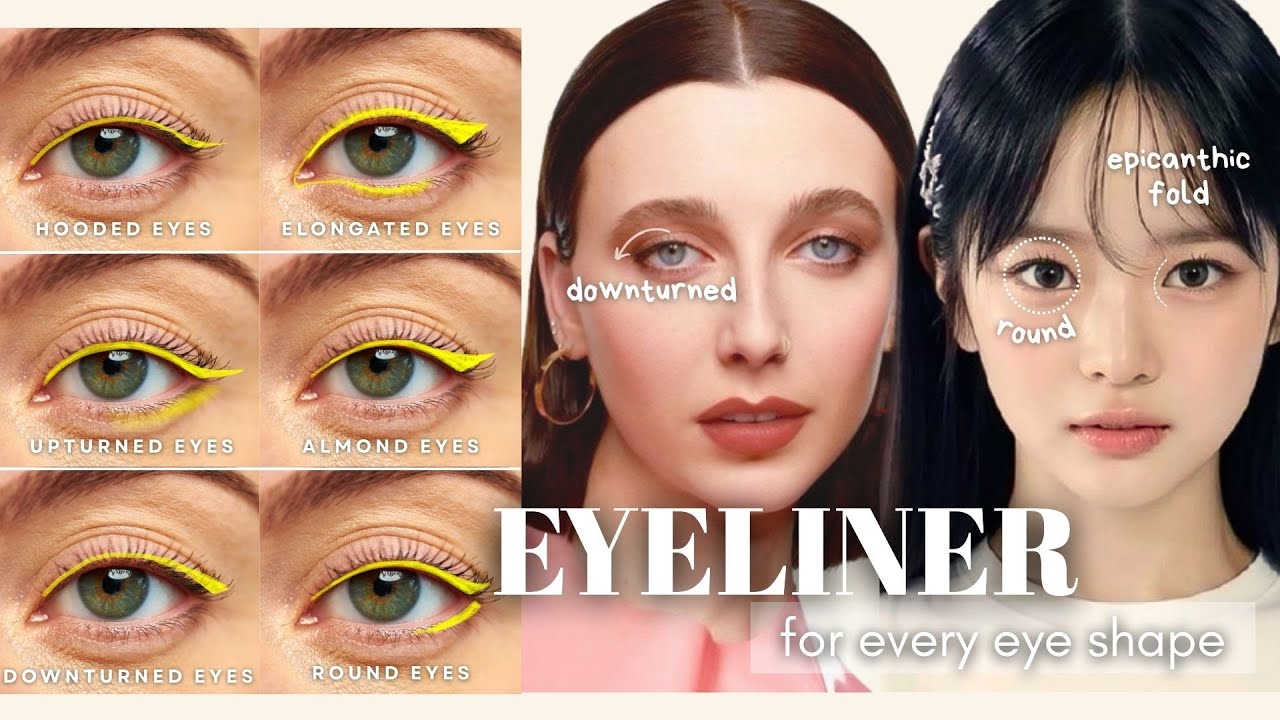
Eye shape changes everything about where and how you place the liner. The same technique that works beautifully on almond eyes can completely disappear or misfire on hooded lids.
Hooded Eyes
The problem: liner drawn on the mobile lid disappears when the eye is open, because the hood folds over it.
Apply liner directly at the lash root with the eye open, not closed. A thin line placed here stays visible. Avoid any downward flick at the outer corner, it drags the eye down visually.
Waterproof pencil eyeliner is non-negotiable here. Non-waterproof formulas transfer onto the hood skin and create a shadow above the line, which looks messy by midday. Studies show waterproof formulas and eyeshadow primer together reduce transfer by around 85%, according to Cosmetic Dermatology Review (2024).
Monolid Eyes
A thicker line works better on monolids because a fine line disappears when the eye opens. Start with a standard thickness at the inner corner and gradually increase toward the outer corner.
Color payoff matters more here than formula texture. A deeply pigmented pencil eyeliner shows up better than a softer, sheerer formula. Dark brown or black with high pigment load is the practical pick.
Skip tightlining on the upper inner rim. It closes down the eye further. Instead, use a nude or white pencil on the waterline to open things up.
Deep-Set Eyes
Deep-set eyes sit further back in the socket, creating a natural shadow that already adds intensity.
Liner placement: upper lash line only, in a lighter or mid-tone shade. Avoid heavy black pencil on both upper and lower lids, it makes the eye recede further.
A nude pencil eyeliner on the waterline counteracts the shadow effect and makes eyes look more open and forward-set.
Almond Eyes
Almond eyes have the most flexible application options. Most standard liner techniques work without modification.
This is the eye shape where you can experiment freely, whether that is tightlining with a soft kohl pencil, creating a winged effect, or using a smudged pencil liner along the lower lash line for a smokey eye makeup look. All of it works.
How Long Pencil Eyeliner Lasts and How to Make It Last Longer

Wear time depends on the formula, your lid type, and how you prep before applying.
Standard pencil eyeliners hold up for roughly 6 to 12 hours. Waterproof pencil eyeliner formulas can push past that when paired with an eye primer.
Why Oily Lids Reduce Wear Time
Oil is the main reason pencil liner migrates. Even if your overall skin is dry, eyelids naturally produce oil throughout the day, and that oil breaks down the wax-based formula.
What actually helps:
- Eye primer applied before liner, not foundation or concealer
- Setting the liner with a matching powder eyeshadow pressed on top
- Blotting papers to absorb lid oil mid-day without disturbing the liner
Applying eyeshadow primer increases liner wear time by 40 to 60%, according to Journal of Cosmetic Science (2023). That is a real difference, not a marginal one.
Setting Pencil Liner with Powder
This step gets skipped constantly and it makes a noticeable difference.
After applying pencil eyeliner, take a small angled brush and press a matching eyeshadow directly on top of the liner. This absorbs excess oils and locks the pigment in place.
Key technique: press the shadow, do not drag it. Dragging smears the liner instead of sealing it. Use a dark brown or black shadow over black pencil liner for a cleaner result.
Waterproof Pencil Eyeliner vs. Standard Formula
| Formula | Wear Time | Removal | Best For |
| Standard pencil | 4–8 hours | Micellar water | Dry lids, quick removal |
| Waterproof pencil | 8–16 hours | Oil-based remover | Oily lids, humid climates, long days |
Urban Decay 24/7 Glide-On, for instance, claims up to 16 hours of wear and is consistently flagged as one of the better-performing long-wear pencils in independent testing (Twindly Beauty, 2024).
How to Remove Pencil Eyeliner
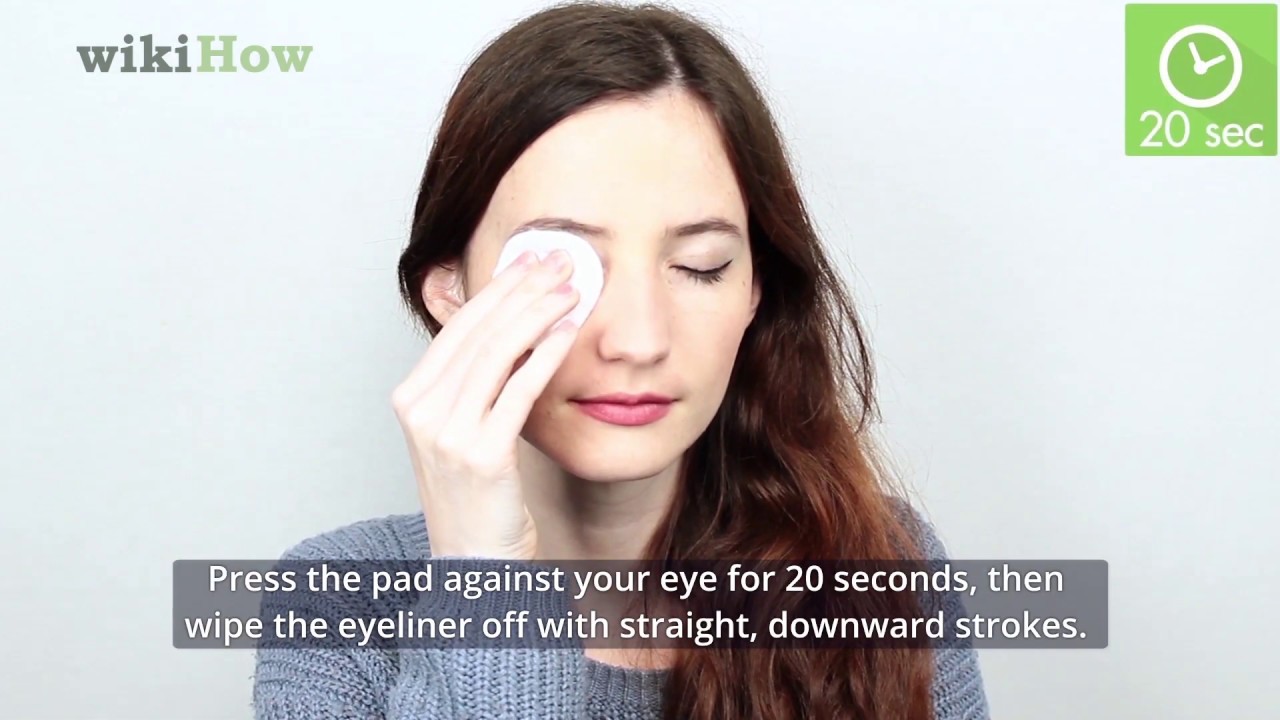
Removal is where most people cause more damage than the liner itself. Rubbing hard at the eye area thins the skin over time and contributes to lash loss.
Standard Pencil Eyeliner Removal
Non-waterproof pencil eyeliner comes off easily with micellar water. Bioderma Sensibio H2O is a well-established option for sensitive eyes.
Correct technique: soak a cotton pad and press it against the closed eye for 10 to 15 seconds. Let the product dissolve the liner. Then wipe gently outward, once. No back-and-forth motion.
The skin around the eye is up to 10 times thinner than facial skin and contains fewer oil glands, making it far more vulnerable to friction damage, according to dermatology sources cited across multiple ophthalmologist-reviewed guides (2023-2024).
Removing Waterproof Pencil Eyeliner
Micellar water alone is not enough for a waterproof pencil eyeliner formula. You need an oil-based remover to break down the silicone and film-forming polymers.
Options that work:
- DHC Cleansing Oil, a long-standing reliable pick
- CeraVe Comforting Eye Makeup Remover (bi-phase, ophthalmologist-tested)
- Standard micellar water will work but requires more passes and light pressure
Always choose ophthalmologist-tested formulas for the eye area, particularly for waterline liner removal. A 2015 study found that eyeliner particles can migrate into the eye within minutes, making the choice of remover relevant to actual eye health, not just makeup removal efficiency.
Safe Removal from the Waterline
The waterline is the most sensitive zone. Even ophthalmologist-tested removers require care here.
Use a cotton swab dipped in oil-based remover and run it gently along the inner rim. Do not press into the eye. One pass is usually enough if you let the product sit for a few seconds first.
Skip the rubbing. If the liner does not come off in two gentle passes, add more product and wait longer. Friction near the waterline can irritate the cornea.
Pencil Eyeliner Shelf Life and Storage
Pencil eyeliner lasts longer than almost any other eye makeup format. That is one of its practical advantages.
How Long Pencil Eyeliner Lasts
Pencil eyeliners last longer than liquid or gel formats because sharpening removes the outer layer, taking bacteria with it. According to L’Oreal Paris and GoodRx, pencil eyeliners are safe to use for 12 to 24 months after opening. Liquid liners expire in 3 to 6 months.
The Mayo Clinic notes pencil and gel eyeliners can be used for up to a year, while more conservative guidance puts pencil liner specifically at up to 24 months with proper sharpening and storage.
Signs a Pencil Eyeliner Has Expired
Replace your pencil eyeliner when you notice:
- A white, waxy film on the tip that does not sharpen off
- Significant dryness or dragging that was not there before
- An unusual smell
- The core crumbling rather than sharpening cleanly
Using an expired pencil near the waterline is a real hygiene concern. The eye is a direct route for bacteria, and old formulas can harbor contamination even if they look visually fine.
Sharpening Hygiene and Cross-Contamination
The sharpener is often the problem, not the pencil.
Sanitize your cosmetic sharpener regularly with 70% isopropyl alcohol and let it dry fully before use. A sharpener that has not been cleaned transfers bacteria from previous uses back onto the pencil tip.
Keep cosmetic sharpeners separate from regular pencil sharpeners. GoodRx recommends wiping the pencil tip with rubbing alcohol at least once a week as an additional step for hygiene.
Storage Tips for Pencil Eyeliner
Heat and humidity are the two main enemies of pencil eyeliner formula stability.
Store pencils in a cool, dry place away from direct sunlight. Avoid leaving them in a car or bathroom where temperature swings are significant. For wood-encased pencils specifically, cold storage (a brief stint in the fridge before sharpening) prevents breakage of soft formulas during the sharpening process.
Cap the pencil after every use. An uncapped pencil dries out faster and loses its glide quality well before the 24-month mark. For the full picture on caring for your products, a solid care routine mindset applies to eye products the same way it does to lip products.
FAQ on What Is Pencil Eyeliner
What is pencil eyeliner used for?
Pencil eyeliner is used to define the lash line, darken the waterline, create a smoky eye, or add subtle eye definition. It works on the upper lid, lower lash line, and inner rim depending on the look you want.
Is pencil eyeliner better than liquid eyeliner?
For beginners, yes. Pencil eyeliner is more forgiving, easier to blend, and correctable. Liquid eyeliner offers sharper lines but has little room for error. Your skill level and desired finish should decide which you reach for.
Can pencil eyeliner be used on the waterline?
Yes, but choose a waterproof, ophthalmologist-tested formula. Standard pencil eyeliners smudge quickly on the waterline. Kohl pencils and kajal are traditionally used here because their softer texture applies without dragging on sensitive tissue.
What is the difference between kohl and pencil eyeliner?
Kohl is a subtype of pencil eyeliner with a softer, creamier formula that blends and smudges more aggressively. Standard pencil eyeliner holds a cleaner edge. Kohl suits smoky, diffused looks. Regular pencil suits defined lash line application.
How long does pencil eyeliner last on the eyes?
Standard formulas last 4 to 8 hours. Waterproof pencil eyeliner can hold 8 to 16 hours, especially when paired with an eye primer. Oily lids shorten wear time regardless of formula unless you prep with primer and set with powder.
How do you stop pencil eyeliner from smudging?
Apply an eye primer first. Use a waterproof formula. After lining, press a matching eyeshadow on top with an angled brush to seal it. Avoid touching your lids throughout the day and keep blotting papers nearby for oil control.
What are the main types of pencil eyeliner?
The four main types are wood-encased pencils, retractable mechanical pencils, kohl pencils, and kajal. Each varies in texture, blendability, and ideal application zone. Wood-encased and retractable are best for defined lines; kohl and kajal for smoky, blended looks.
What ingredients are in pencil eyeliner?
The base is typically carnauba wax, candelilla wax, or beeswax, combined with pigments like iron oxides or carbon black. Oils such as castor oil add glide. Waterproof formulas include silicones and film-forming polymers for long-wear performance.
How do you sharpen a pencil eyeliner without breaking it?
Refrigerate the pencil for 5 to 10 minutes before sharpening. Use a clean cosmetic sharpener and rotate slowly with light pressure. Sanitize the sharpener regularly with rubbing alcohol to prevent bacterial buildup transferring back onto the tip.
How long does a pencil eyeliner last before it expires?
Pencil eyeliners last 12 to 24 months after opening, longer than liquid or gel formats. Regular sharpening removes surface bacteria and extends safe use. Replace sooner if the tip develops a white waxy film, smells unusual, or drags noticeably.
Conclusion
This conclusion is for an article presenting what is pencil eyeliner, from its wax-based formula and kohl pencil variations to waterline application and long-wear techniques.
The format works because it adapts. Soft kajal for a smudged lower lash line. A firm retractable pencil for a clean upper lid. Waterproof formulas for oily skin or long days.
Choosing the right pencil eyeliner comes down to knowing your eye shape, your lid type, and the finish you are after.
Sharpen regularly, store correctly, and remove gently. Those three habits extend both the product’s life and your eye health.
Pencil eyeliner does not need to be complicated. It just needs to be the right one for your routine.

She started writing on the site after fielding the same questions from clients and friends often enough to just write the answers down: which red won't turn orange on a warm undertone, how to keep lipstick from feathering into fine lines, why a "12-hour" formula rarely survives dinner.
Every review on the site follows the same rule she uses with paying clients: wear it first, then decide if it's worth recommending.
- How to Make Eyeliner Last Longer Without Smudging - August 31, 2026
- How to Make Eyeshadow Last Longer All Day - August 29, 2026
- How to Find Your Undertone in 5 Easy Steps - August 27, 2026