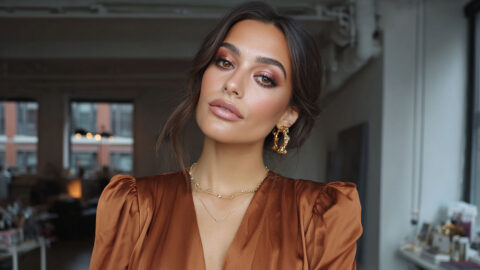
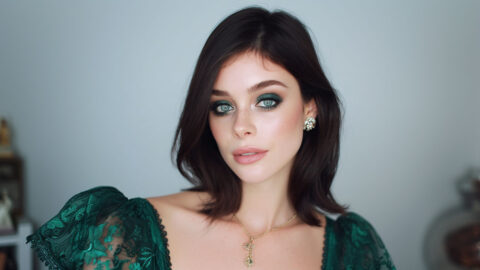
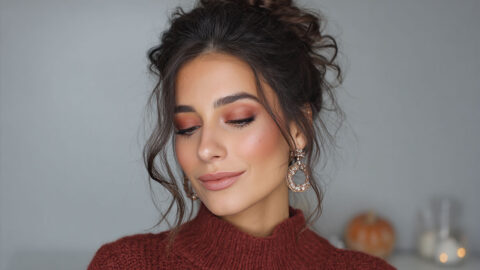
Orange is one of those dress colors that stops people mid-scroll. It’s bold, warm, and demands a makeup look that actually works with it, not against it.
The wrong lip color, a cool-toned blush, or a mismatched foundation undertone can quietly unravel the whole combination. Most color pairing mistakes are avoidable once you understand how skin tone, undertone, and color temperature interact.
This guide covers the best makeup looks for an orange dress across every skin tone, hair color, and occasion, from a casual daytime look to a full evening glam.
Makeup Looks That Work With an Orange Dress

Orange is having a real moment. Search interest for orange dresses peaked at a normalized value of 96 in August 2025 (Google Trends), and designers at NYFW Spring/Summer 2025 sent model after model down the runway in bold orange looks. Simkhai opened with neon-tinged pieces; Saint Laurent closed Paris Fashion Week with marigold satin gowns.
The challenge isn’t finding a makeup look that technically works with orange. It’s picking one that feels right for your skin, your occasion, and how bold you actually want to go.
These are the looks that reliably hold up.
Nude and Warm Brown Looks
Best for: Everyday wear, daytime events, letting the dress do the talking.
A warm nude lip and soft brown eyeshadow is the most reliable pairing for an orange dress. It keeps everything cohesive without competing with the color.
- Stick to nudes with a yellow or peach base, not pink
- A terracotta or caramel eyeshadow deepens the look without clashing
- Matte nude lip shades with a warm undertone are especially flattering here
Latte makeup, which focuses on creamy warm brown tones, became one of the dominant trends of 2024 (Milk Makeup). That aesthetic translates directly to an orange dress pairing.
Bold Lip Looks
Instagram users reported a 55% increase in orange-toned fashion’s popularity compared to 2024, and bold lips followed right behind. A strong lip can work with an orange dress if the color relationship is correct.
| Lip Color | Works Because | Best Skin Tone Match |
|---|---|---|
| Classic red | Analogous to orange on the color wheel | Medium to deep |
| Berry | Contrast without cool-tone clash | Fair to medium |
| Coral | Tonal harmony, smooth color bridge | All skin tones |
| Warm mauve | Neutral enough to stay calm | Fair to medium |
When going bold on the lip, keep the eye makeup minimal. Liner only, or a tight wash of brown shadow. The dress is already a statement.
If you want to try a coral lip specifically, learning how to wear coral lipstick properly makes a real difference in whether it reads polished or muddy against warm-toned fabric.
Bronzed Glam
The color cosmetics market hit USD 76.50 billion in 2023 (Grand View Research), with bronzers and highlighters among the fastest-growing segments. Bronzed, sun-kissed makeup is one of those looks that genuinely complements orange rather than just tolerating it.
The formula: warm foundation, sculpted bronze, shimmery copper or gold eyeshadow, nude-peach lip.
- Apply bronzer along the temples, cheekbones, and jawline, not just the nose
- A warm copper shadow catches light without going editorial
- Avoid silver or icy highlighter, it creates an undertone conflict with orange fabric
This is one of the strongest looks on medium and olive skin, where warm pigments layer naturally with the skin’s own depth.
Graphic Eye Looks

A graphic liner look or editorial eye pairs well with orange when the palette stays earthy. Think burnt sienna liner, graphic brown shapes, or an exaggerated wing in deep olive or black. Keep the lip completely neutral, a sheer gloss or nothing.
This works for fashion-forward contexts. A party, a concert, an event where someone might actually stop and look at your face. Not a work lunch.
For inspiration on structure and technique, editorial eye makeup looks show how far graphic liner can go before it tips into costume territory.
Minimal Skin-First Looks
Skinimalism became a defining 2024 trend, described by Milk Makeup as “your best skin on your best day.” For an orange dress, that approach means: great skin prep, light coverage, a cream blush in peach or apricot, and a tinted lip balm.
Nothing competes with the dress. Everything supports it.
- Dewy base, not matte
- One product on the eyes, mascara or a swipe of brown liner
- Cream blush over powder for a more natural flush
This is the look that photographs best outdoors in natural light, which makes it practical for summer events and daytime weddings.
How Skin Tone Affects Makeup Choice With an Orange Dress

The same orange dress reads differently depending on who is wearing it. A burnt orange on deep skin looks rich and intentional. The same dress on very fair skin can wash out a pale, pink-toned face if the makeup doesn’t compensate with warmth.
Undertone matching is the most important variable here. Warm undertones (yellow, golden, peachy) naturally harmonize with orange. Cool undertones (pink, blue, purple) create contrast, which can work but needs more deliberate balancing in the makeup.
Fair and Light Skin
Over a third of US makeup consumers look to beauty influencers for guidance (Sensient Beauty, 2024), and fair-skin content has shifted toward warmer, earthier palettes specifically to avoid the washed-out effect bright clothing can create.
What to do:
- Add warmth to the base: a lightly bronzed foundation or warm-toned tinted moisturizer
- Peach blush over pink blush, always
- Warm nude or coral lip to bridge the gap between fair skin and the orange dress
- Avoid heavy cool-toned contour, it reads gray against warm fabric
Fair skin with cool undertones can still wear orange beautifully. The fix is adding warmth in the base and cheeks so the skin doesn’t recede behind the color.
Medium and Olive Skin
Medium skin, especially olive-toned, is where orange dress makeup feels the most effortless. Warm and neutral undertones that sit in this range harmonize with orange without much correction.
Warm undertone: Lean into it. Bronze, terracotta eyeshadow, warm browns on the lip. Everything layers together.
Neutral undertone: Flexibility in both directions. A berry lip creates contrast; a bronze eye creates harmony. Both work.
Makeup.com notes that medium skin with olive tones should avoid reddish bronzers, which can tip into muddy territory against warm-colored fabric. A golden or yellow-brown bronzer is the safer call.
Deep Skin
Deep skin tones have the most range with an orange dress. Rich pigments in eyeshadow, bold lip colors, and sculpted contour all show up with full intensity against deeper skin, and orange as a dress color creates a striking, high-contrast visual.
| Look | Product Direction | Why It Works |
|---|---|---|
| Bronzed glam | Deep bronze shadow, warm blush | Amplifies natural warmth |
| Bold berry lip | Deep plum or wine with brown undertone | Creates contrast without cool-tone conflict |
| Rich nude | Espresso or caramel matte lip | Keeps focus on the dress |
| Sculpted contour | Deep brown, not gray-toned | Adds structure without looking ashy |
Fenty Beauty’s 50-shade foundation launch in 2017 proved demand for deep skin representation in beauty. The products now exist for this. The color range with an orange dress is actually one of the most generous for deeper complexions.
Eye Makeup Options for an Orange Dress

The eye is where most people make the wrong call. Blue eyeshadow feels intuitive as a complementary color (it is, technically, complementary on the color wheel), but in practice it reads jarring against orange fabric. The warm tones in the dress pull the blue toward conflict rather than contrast.
Staying within warm and neutral palettes works better in almost every case.
Brown and Bronze Eyeshadow
Brown eyeshadow is the most reliable option. It works on every skin tone, pairs with every lip choice, and creates depth without competition.
- Matte brown in the crease for daytime
- Bronze or copper shimmer on the lid for evening
- Deep espresso brown in the outer corner to deepen the look
The “latte makeup” trend from 2024 (Milk Makeup) pushed warm brown eyeshadow firmly into the mainstream, which means the product options right now are excellent across every price point.
Terracotta and Earthy Tones
Terracotta eyeshadow went from niche to mainstream after appearing heavily in NYFW 2024 collections alongside orange garments. It’s a tonal approach: the eye echoes the dress rather than contrasting it.
Works best on: medium, olive, and deep skin.
Tricky on: very fair skin, where terracotta can look bruised without careful blending. On fair skin, a lighter peach-gold version of the same tone reads cleaner.
Sensient Beauty’s 2024 color palette featured earthy golden tones, which they described as “an earthy, golden-infused brown” aligned with the minimalist nude makeup movement. That translates directly to how terracotta eyeshadow sits on the skin.
Neutral Smoky Eye
A smoky eye works with an orange dress when it’s built in warm neutrals, not the traditional gray or black base. A brown-black smoke keeps the drama without creating temperature conflict with the warm dress.
The rule: if you go smoky, go nude on the lip. No exceptions. A berry lip with a full smoke and an orange dress is too much at once.
Liner-Only Looks
Sometimes less structure on the eye is the right answer, especially for casual or daytime orange dress outfits.
- Black or brown pencil liner tightlined at the upper waterline
- A thin wing in brown or olive
- White or champagne liner at the inner corner to open the eye
These are fast, precise, and leave room for either a bolder lip or a dressed-up blush to carry the look.
Lip Color Choices for an Orange Dress

The lip is the most debated part of this pairing. People either go too safe (a forgettable nude that disappears) or too wild (a cool fuchsia that fights with the orange). Both are avoidable.
The key is understanding the relationship between the dress’s specific orange tone and your skin’s undertone before picking a lip color.
Nude Lips
A nude lip is the default recommendation for good reason. It works. But the wrong nude actively makes the look worse.
Pink-toned nudes: too cool, can look wan against a warm orange dress.
Warm nudes (peach, beige, caramel): the correct choice. They harmonize without competing.
Knowing how to pick a nude lipstick that matches your actual undertone saves a lot of trial and error here. The mistake most people make is choosing a nude that matches their lip color rather than one that complements their skin tone overall.
Coral and Peach Lips
Coral is the most tonal choice. It bridges the skin and the dress without creating visual separation. Looks intentional on most skin tones.
Peach works similarly but sits softer. Better for daytime and minimal makeup looks.
Both finishes work here, matte or gloss. A glossy coral actually looks excellent with an orange dress in summer, it adds a freshness that matte sometimes loses in warm weather.
Red Lip
A red lip with an orange dress works specifically when the red is warm. Think warm, tomato-toned reds with orange or yellow base rather than cool blue-based reds.
Cool reds (blue-based, deep cherry) create a visual conflict with orange fabric. Understanding the difference between cool vs. warm red lipstick shades is exactly the variable that makes or breaks this combination.
Keep the eye completely clean when doing a red lip with orange. No eyeshadow, maybe just mascara and liner.
Berry and Mauve
Berry works as a contrast option. It creates a cooler counterpoint to the warm orange dress, which can look deliberate and striking, particularly on medium and deep skin tones.
What to avoid: overly cool, purple-heavy berries on fair skin with pink undertones. These can make the face look drained next to saturated orange fabric.
Warm mauves are a safer middle ground. They read as contrast without the risk of clashing undertones.
Blush and Bronzer Pairings

Cheek products are the part of this look most people underestimate. The blush shade you use can either pull the entire look into harmony or introduce a conflict no amount of correct lip color will fix.
Blush Shades That Work
Warm peach and coral blushes are the strongest pairings with an orange dress. They maintain the warm color story across the face without competing with the fabric.
- Peach blush: safe on all skin tones, particularly good on fair and medium
- Coral blush: slightly more saturated, excellent on medium and deep skin
- Terracotta blush: the most tonal option, great for bronzed and editorial looks
Cool pink blushes are the main thing to avoid. They sit at the opposite temperature to orange and create an internal conflict in the face.
Bronzer Application
A bronzer deepens the warm look and creates a sun-kissed effect that feels cohesive with an orange dress.
The placement matters more than the shade. Temples, cheekbones, the bridge of the nose, and the chin lightly. This creates a dimensional warmth rather than a flat, muddy base.
Knowing how to apply bronzer correctly is especially important with warm-toned outfits because an unevenly applied bronzer reads as patchy rather than glowing, and the orange dress amplifies that.
Shade direction:
- Fair skin: cool or neutral-toned bronzer to avoid looking orange
- Medium and olive: warm golden bronzer
- Deep skin: rich, brown-based bronzer with no gray or ash
Cream vs. Powder Finish
Cream blush and bronzer give a more natural, skin-like finish that reads well with the kind of dewy summer look an orange dress often calls for.
Powder works fine for more structured or evening looks but can look dry or flat in photos taken outdoors. The difference between cream and powder blush in terms of finish and longevity is real, and the choice shifts depending on skin type and setting.
Oily skin: powder over cream, set with translucent powder to prevent migration. Dry or normal skin: cream products sit better and last longer through long events.
Foundation and Base Makeup Considerations

Facial color cosmetics held about 39% of the US color cosmetics market in 2024 (Grand View Research). Base makeup is where most people spend the most money and where the most mistakes get made when dressing for warm-toned outfits.
Skin Finish for an Orange Dress
The finish of your base affects how the orange reads next to it.
Dewy finish: the stronger choice for most orange dress occasions. It creates a warm, luminous skin effect that harmonizes with the warm fabric. Works especially well in natural light.
Matte finish: better for evening and indoor events, or oily skin types that need control. Less warmth in the overall look, but more structured.
A full matte base with a full matte orange dress can look flat in photos. Adding a cream highlighter on the high points (cheekbones, cupid’s bow, inner corners) brings back dimension.
Foundation Shade and Undertone
This is the most common mistake. People grab a foundation that’s slightly warm-toned thinking it will “match” the orange outfit. It doesn’t work that way. Your foundation should match your skin, not your clothes.
What changes is the bronzer and blush, not the base. A foundation with too much orange in it will look muddy or like it’s blending into the dress at the neckline.
Learning how to match your makeup to your skin tone correctly is the foundation skill that makes everything else easier.
Prepping the Base
Skin prep before applying foundation affects how long the look lasts and how the finish reads through the day.
- Moisturize first, even oily skin benefits from lightweight hydration before foundation
- Primer helps foundation adhere and reduces oxidizing (shifting orange on the skin)
- Setting spray at the end locks everything in place and adds cohesion to the finish
Foundation oxidation is a known issue with warm-toned foundations. Knowing how to stop foundation from oxidizing throughout the day is practical for anyone wearing a warm base with an orange outfit, since even a slight shift in the foundation’s tone changes the overall color story.
Makeup for Specific Occasions With an Orange Dress

An orange dress at a summer wedding reads completely differently than the same dress at a night out. The occasion changes the intensity, the longevity requirements, and how much risk you can take with color.
Getting the context right matters as much as getting the color pairing right.
Daytime and Casual
Less is more. A dewy base, light coverage, mascara, and a warm tinted lip balm or sheer gloss is genuinely enough for a casual daytime orange dress look.
Cream blush in peach or apricot over powder for a natural flush. Skip the eyeshadow entirely if the dress is bold enough.
- Lightweight tinted moisturizer over full foundation
- Single product on the eye: mascara or brown liner
- No setting powder unless oily skin requires it
This is also the look that holds up best in outdoor heat. Bellapierre’s 2024 summer makeup guidance confirms cream products last longer in warmth than powder counterparts and blend more naturally into skin.
Wedding Guest
Wedding guest makeup with an orange dress is a balance problem. Bold enough to look polished in photos, restrained enough not to overpower the occasion.
Blinc cosmetics makeup artists (2024 wedding season guidance): luminous skin effects and soft berry-tinted lips hit the right balance between understated and memorable for wedding guests.
For an orange dress specifically, a berry or warm mauve lip with dewy skin and minimal eye makeup reads polished without competing with the dress or the bridal party. Pair with a peach blush, not pink.
Setting spray is non-negotiable for a long wedding day. Charlotte Tilbury’s Airbrush Flawless setting spray was consistently rated as one of the top performers for all-day events in 2024 testing.
Night Out
Evening gives you room to add drama. An orange dress at night can handle a bronze smoky eye or a bold lip in a way a daytime look cannot.
Two directions that work:
- Eye-forward: Bronze or copper smoke, nude or peach lip, sculpted bronze cheek
- Lip-forward: Warm red or berry lip, clean eye with liner only, warm blush
Pick one focal point. Both at full intensity with an orange dress tips into too much.
Learning how to do makeup for a night out that actually lasts is a separate skill from applying it. Long-wear foundation, waterproof mascara, and a setting spray matter more at 11pm than they do at noon.
Summer Outdoor Events
Heat and humidity are the variables that change everything. Makeup that looks perfect at 10am can migrate, oxidize, or fade by 2pm in direct sun.
Lancôme’s product guidelines for summer 2024 recommend transfer-resistant liquid eyeshadows and eyeliners over powder formulas, and waterproof mascara as a baseline for any outdoor event.
- Waterproof or long-wear mascara only
- Powder blush over cream for oily skin types in heat
- Matte setting spray to control shine through the day
- Avoid frosty highlighter, it melts visibly
Colors and Products to Avoid

Orange is a warm, saturated color. Most clashes come from introducing cool-toned products that conflict with that warmth rather than complementing it.
Knowing what to skip saves time and avoids that vague “something is off” feeling that’s hard to diagnose mid-look.
Eyeshadow to Avoid
Blue eyeshadow is technically complementary to orange on the color wheel, but in practice it fights the fabric rather than enhancing it. The blue reads cold against the warm dress tone, and the visual tension is unflattering rather than intentional-looking.
Skip these:
- Bright or cobalt blue eyeshadow
- Cool lavender or lilac shadow
- Icy silver or grey smoke
Faces Canada’s eyeshadow guidance confirms that warm skin tones and warm outfits suit golds, oranges, and reds rather than cool blues and purples. The same principle applies to the clothing’s temperature, not just the skin’s.
Lip Colors That Clash
Cool-toned pinks are the most common mistake. A bright bubblegum or fuchsia lip pulls the face into a cool direction that directly conflicts with the orange dress’s warmth.
| Lip Color | Problem | Better Alternative |
|---|---|---|
| Cool fuchsia | Too cold against warm orange | Warm coral or berry |
| Blue-based red | Undertone conflict with fabric | Warm tomato red |
| Pink-toned nude | Washes out against orange | Peach or caramel nude |
| Cool mauve | Creates gray, flat effect | Warm rose or terracotta |
Blush and Contour Issues
Cool pink blush is the single most common mistake in this pairing. It introduces a color temperature conflict right at the center of the face, and no amount of correct eye or lip makeup compensates for it.
Gray-toned contour is the second issue. Contour products with a gray or ash base were designed for fair or neutral skin and look muddy against warm-toned outfits and warm skin tones.
Use brown-based contour only. The color warmth has to stay consistent from the fabric to the face.
Finish and Formula Clashes
Frost and heavy shimmer are the finish issues. Frosty highlighter and glittery eyeshadow with silver or icy tones sit at odds with orange’s warmth.
Warm-toned metallics, gold, copper, and bronze, are fine. The temperature of the shimmer is the variable, not the shimmer itself.
Heavy matte contour powder over a dewy base also creates a patchy, inconsistent finish that shows up badly in photos taken near the warm tones of orange fabric.
Hair and Makeup Coordination With an Orange Dress
Hair color affects how every makeup choice reads. The combination of hair color, skin tone, and dress color creates the full visual, and ignoring one of those variables leads to a look that technically follows all the right rules but still feels slightly off.
Brown hair is the most common natural hair color worldwide, at approximately 79% of the population (Gitnux, 2025). Orange dresses pair especially well with brunette hair because the warmth of the fabric echoes the depth of dark hair.
Blonde Hair
Blonde hair with an orange dress can look washed out if the makeup doesn’t add enough contrast or warmth. The combination of light hair and warm fabric needs an anchor.
What works:
- A defined brow, filled in darker than the hair color
- Brown or bronze eyeshadow to add depth at the eye
- Coral or warm nude lip, not a pale pink
Approximately 85% of blondes have blue or green eyes (Gitnux, 2025). Blue-eyed blondes actually get one exception to the “avoid blue eyeshadow” rule: a very subtle blue liner at the waterline can make blue eyes pop in a way that looks intentional rather than conflicting with the dress.
For lipstick guidance by hair color, lipstick colors for blondes specifically address how warm and cool tones interact with fair and golden hair shades.
Dark Hair
Dark brunette and black hair with an orange dress is the strongest combination. The contrast is high, the warmth of the orange reads rich against dark hair, and the makeup has the most range here.
Deep berry lips, sculpted bronze eyes, and terracotta blush all land well. There’s no real risk of the look becoming washed out.
The only call to make is how much contrast to add. A warm monochromatic look (orange dress, bronze eye, coral lip) reads cohesive. A high-contrast look (bold berry lip, defined eye) reads more dramatic and fashion-forward. Both are correct choices depending on the occasion.
John Frieda’s color council notes that brunettes can wear a bright lip in a way that reads balanced rather than overwhelming, specifically because dark hair creates enough visual weight to carry the color.
Red Hair
Only about 2% of the world’s population has naturally red hair (Gitnux, 2025), but it’s one of the trickiest combinations with an orange dress because the hair and the dress are adjacent on the color wheel. Too much warm color in one place.
| Makeup Element | Best Choice | Why |
|---|---|---|
| Lip | Classic nude or berry | Creates contrast without adding extra warmth |
| Eye | Brown or olive liner | Grounds the look without introducing too much heat |
| Blush | Soft peach, very light application | Too much warmth can overpower the look |
| Base finish | Natural to matte | Dewy finishes can look too heavy or warm, especially with warm hair tones |
Red hair benefits from lipstick colors for redheads that lean toward berries and classic nudes rather than corals, which can amplify the orange-red visual to the point where it reads overwhelming rather than warm.
Updo vs. Loose Hair
An updo exposes the neck and face entirely, which shifts the visual weight toward the makeup. A loose style shares that weight with the hair.
Updo: more makeup intensity is appropriate. The face needs to carry the look fully.
Loose hair: lighter makeup often works better because the hair already contributes visual weight and warmth alongside the dress.
The occasion usually determines the hair style anyway, and the makeup just needs to adjust accordingly. The principle is consistent: the less the hair contributes visually, the more the makeup needs to step up.
FAQ on Makeup Looks For Orange Dress
What lip color goes best with an orange dress?
Warm nudes, coral, and classic red with warm undertones all work well.
Avoid cool-toned pinks and blue-based reds. They conflict with the dress’s warmth. A peach or caramel nude is the safest starting point across all skin tones.
Should I wear a bold eye or a bold lip with an orange dress?
Pick one. Not both.
An orange dress is already a strong visual. A bronze smoky eye with a nude lip, or a bold berry lip with minimal eye makeup. Either works. Doing both at full intensity reads as too much.
What eyeshadow colors work with an orange dress?
Brown, bronze, copper, and terracotta are the strongest choices.
Stay within warm and neutral palettes. Cool blues and lavender eyeshadow clash with orange fabric regardless of skin tone. Earthy tones create harmony; cool tones create conflict.
What blush should I wear with an orange dress?
Peach, coral, or terracotta blush. Always warm-toned.
Cool pink blush is the most common mistake with this outfit. It introduces a temperature conflict right at the center of the face that no other product can fix.
Does skin tone change which makeup I should wear with an orange dress?
Yes, significantly.
Fair skin needs added warmth in the base to avoid looking washed out. Medium and olive skin has the most flexibility. Deep skin tones carry bold lips and sculpted contour best alongside an orange dress.
Can I wear red lipstick with an orange dress?
Yes, but only a warm red.
The distinction between cool vs. warm red lipstick matters here. Tomato-toned reds with a yellow or orange base work. Blue-based cherry reds create an undertone clash with warm orange fabric.
What makeup works for a wedding guest wearing an orange dress?
Dewy skin, soft berry or warm mauve lip, peach blush, and minimal eye makeup.
Keep it polished, not editorial. A luminous base with one focal point, lip or eye, reads well in wedding photos without competing with the occasion.
What foundation finish works best with an orange dress?
Dewy for daytime and natural light. Matte for evening or oily skin.
A full matte base with an orange dress can look flat in photos. Adding cream highlighter on the cheekbones and inner corners brings back dimension without switching products entirely.
What makeup should redheads wear with an orange dress?
Classic nude or berry lip, soft brown liner, light peach blush.
Red hair and orange fabric sit close on the color wheel. Too much warm tone in one look feels heavy. Berry lips add contrast and prevent the overall look from reading as one warm block of color.
What makeup colors should I avoid with an orange dress?
Cool-toned blues, icy silvers, frosty highlighters, cool pink blush, and blue-based red lipstick.
Anything with a cool undertone conflicts with orange’s warmth. Gray-toned contour is also a common issue. Stick to warm browns, bronzes, and peach-toned products throughout the entire look.
Conclusion
This conclusion is for an article presenting makeup looks for an orange dress across every skin tone, hair color, and occasion.
The through-line is simple: keep your products warm-toned, pick one focal point, and match your intensity to the context.
A bronzed glam look hits differently at a night out than it does at a summer wedding. A nude lip on fair skin needs a peach base, not a pink one. These details are what separate a look that works from one that almost works.
Blush undertone, contour warmth, and foundation finish all matter more than most people realize when wearing a saturated, warm-toned outfit.
Get those right, and the color coordination takes care of itself.

She started writing on the site after fielding the same questions from clients and friends often enough to just write the answers down: which red won't turn orange on a warm undertone, how to keep lipstick from feathering into fine lines, why a "12-hour" formula rarely survives dinner.
Every review on the site follows the same rule she uses with paying clients: wear it first, then decide if it's worth recommending.
- How to Make Eyeliner Last Longer Without Smudging - August 31, 2026
- How to Make Eyeshadow Last Longer All Day - August 29, 2026
- How to Find Your Undertone in 5 Easy Steps - August 27, 2026