Your eyeshadow looks perfect at 8 AM. By noon, it has creased, faded, and shifted somewhere it was never meant to be.
That is what happens without a proper lid primer in your eye makeup routine.
Eyeshadow primer is a base product applied to the eyelid before shadow to control oil, grip pigment, and extend wear time. It is the step most people skip and the reason most eye looks fall apart mid-day.
This guide covers what eyeshadow primer is, how it works, which types suit different skin concerns, and what to look for before you buy.
What Is Eyeshadow Primer
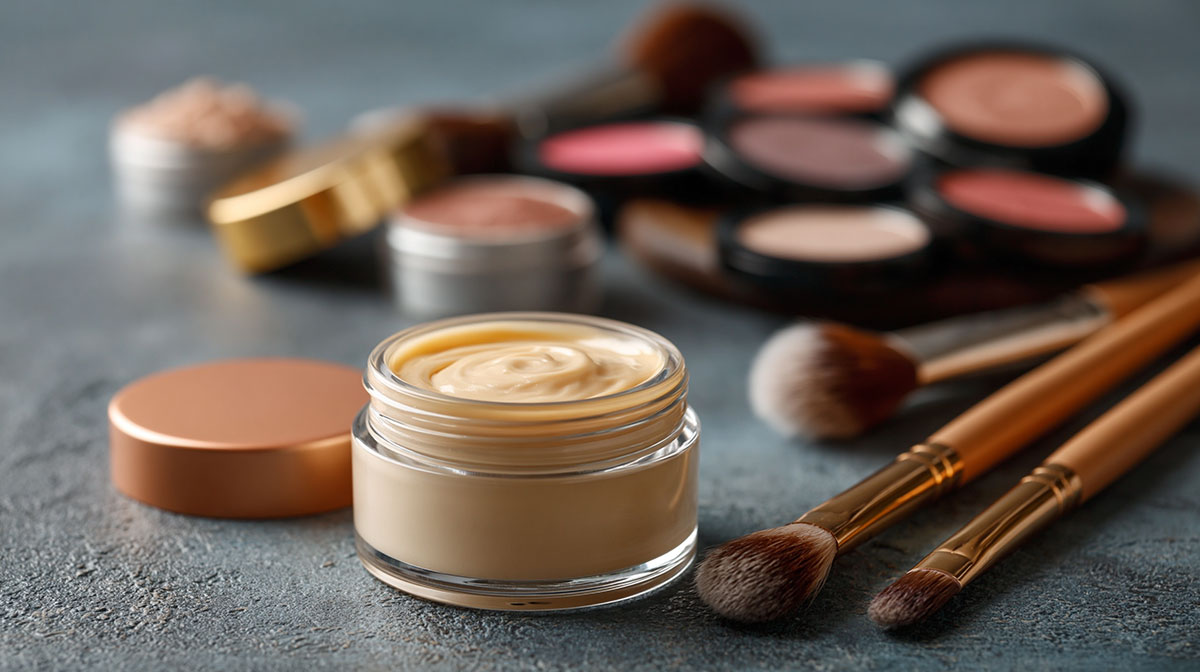
Eyeshadow primer is a base product applied directly to the eyelid before eyeshadow. Its job is to create a surface that pigment can stick to, stay on, and actually show up as intended throughout the day.
Without it, the natural oils on your lid break down shadow within a few hours. Colors fade, crease into the fold, and shift from where you placed them.
The global eyeshadow primer market was valued at approximately USD 450 million in 2023 and is projected to reach USD 750 million by 2032, growing at a CAGR of 6.2% (DataIntelo). That growth reflects one thing: people are using these products and noticing a difference.
| Form | Texture | Best For |
| Tube / wand | Liquid or cream | Everyday use, most skin types |
| Pot | Thick cream | Dry lids, high coverage needs |
| Pencil / stick | Waxy, dense | Targeted application, travel |
| Loose powder | Lightweight | Oily lids, matte finish preference |
Eyeshadow primer sits between your eyelid skin and your shadow. That positioning is what makes it work. It is not just a base layer for color. It is a barrier between oil and pigment, and a grip surface that keeps everything in place.
Because of that, using a makeup primer of any kind, eye-specific or otherwise, changes how long a full look lasts and how much touch-up you need mid-day.
How Eyeshadow Primer Works on the Skin
The eyelid is one of the oiliest areas on the face. It moves constantly, folds, and generates heat. That combination breaks down makeup faster than almost any other zone.
Eyeshadow primer addresses this with a combination of ingredients that work together. Most formulas rely on silicone-based polymers as their base.
Dimethicone is the most common. It forms a thin, breathable film on the lid surface, fills in texture and fine lines, and creates a smooth, slightly tacky grip for pigment. According to cosmetic chemistry sources, dimethicone is non-comedogenic and forms a water-resistant film that stays in place without clogging pores or feeling heavy.
Trimethylsiloxysilicate (TMS) is another silicone often paired with dimethicone. Where dimethicone smooths and softens, TMS forms a more rigid, flexible film that locks makeup down. Together, they give primer its staying power in heat and humidity.
Beyond silicones, some formulas include:
- Disteardimonium Hectorite: A modified clay that absorbs excess oil on the lid, which is especially useful for oily skin types
- Silica spheres: Tiny round particles that distribute pigment more evenly and prevent streaky eyeshadow application
- Acrylate polymers: Found in silicone-free formulas, these provide a similar film-forming effect with a lighter feel
The result is a lid that no longer acts like bare skin. The oil is controlled. The texture is smoothed. The surface has grip. Pigment adhesion increases, and eyeshadow blending becomes more even and predictable.
Eyeshadow Primer vs. Concealer vs. Foundation on the Lid

A lot of people skip primer and reach for concealer instead. It makes sense on the surface. Concealer is already in the kit, it covers discoloration, and it creates a pale base that makes colors look brighter.
But concealer was not designed for the eyelid, and that matters.
Key difference: Eyeshadow primer is formulated specifically to grip pigment and resist oil. Concealer is formulated to cover skin and blend seamlessly into foundation. Those are different jobs, and the formulas reflect it.
Celebrity makeup artist Disco, speaking with Marie Claire, put it directly: “The concealer has other steps and needs other products to do the full job of a primer.” Concealer requires powder on top to set, and even then, it breaks down faster on the mobile eyelid skin.
| Product | Oil Control | Pigment Grip | Coverage | Wear Time on Lids |
| Eyeshadow primer | Strong | High | Varies by formula | 8–12 hours |
| Concealer | Low to moderate | Low | High | 4–6 hours (crease risk) |
| Foundation | Low | Very low | Moderate | 2–4 hours (breakdown) |
Foundation on the lid is the worst option of the three. It oxidizes, moves with lid folds, and provides almost no grip for shadow pigment. It also tends to look patchy within a couple of hours as the skin warms up.
Concealer works for a quick base when you need coverage and your skin is not oily. For hooded eyes or anyone whose lids produce a lot of oil, primer is the only option that holds up.
If eyeshadow application is a regular part of your routine, learning how to apply eyeshadow over a proper primer base makes a visible difference in wear time and color accuracy.
Types of Eyeshadow Primer

Not all formulas do the same thing. The type of primer you use affects the final color, how long the look lasts, and how the shadow blends. Worth knowing before you buy.
Nude and Skin-Toned Primers
These are the most versatile. They match or closely match your lid color, correct mild discoloration, and create a uniform base without shifting your shadow shades.
Good for everyday looks where you want the shadow color to show up exactly as it looks in the pan. The market data from WiseGuy Reports shows the matte finish segment accounts for the largest revenue share of the global eyeshadow primer market, largely because of its wide-ranging skin tone appeal.
White and Light Primers
Purpose: Maximum pigment brightness.
Applied under shadow, a white or pale cream primer acts like a white canvas. Dark, dusty, or sheer shadows suddenly look saturated. Glitter shadows pop with far less product.
The tradeoff: on medium to deep skin tones, a stark white primer can make shadow colors look slightly off or ashy if the formula is not well-blended.
Tinted Primers
Tinted formulas add a base color before shadow goes on. Peach tones cancel out purple discoloration on the lid. Corrective shades like green or lavender exist for specific skin concerns.
- Peach: corrects dark or purple-toned lids
- Nude/tan: works well on deeper skin tones without altering shadow color
- Pink or lavender: brightens dull lids
Laura Mercier Eye Basics is a well-known tinted primer in this category, available in shades specifically designed for lid correction rather than just neutral priming.
Clear Primers
Transparent formula. Adds grip without any color shift. Useful when you want to use the natural skin tone as the base, or when working with highly pigmented shadows that do not need any boost.
Generally lighter in texture, and the preferred choice for those with minimal discoloration on the lid.
Waterproof Primers
Built for oily skin, high humidity, and long events. These typically contain a higher concentration of film-forming polymers, including TMS, which creates a stronger bond that resists sweat and moisture.
Worth noting: waterproof formulas are harder to remove at the end of the day and usually require an oil-based or micellar cleanser to break them down completely. Knowing how to remove eye makeup properly becomes more relevant with these formulas.
Who Needs Eyeshadow Primer

The short answer is anyone who wears eyeshadow and wants it to last. But certain people genuinely cannot get by without it.
Oily lids. If your eyeshadow creases or disappears within two to three hours, excess oil is almost always the cause. Primer is not optional here. It is the only thing that stands between your oil production and your eyeshadow fading entirely.
Hooded eyes. The skin of a hooded lid folds onto itself with every blink. That constant friction and movement requires a formula with serious grip. Without primer, shadow migrates into the crease and onto the brow bone quickly.
The eye makeup market, which includes primers, was valued at USD 18.2 billion in 2023 and is projected to reach USD 26.8 billion by 2030 at a CAGR of 5.7% (Grand View Research). Much of this growth is driven by demand for longer-wearing formulas from people with exactly these concerns.
Other situations where primer makes a real difference:
- Mature skin with textured or crepey eyelid skin, where primer fills and smooths before shadow goes on
- Events longer than six hours, where eyeshadow needs to stay put without touch-ups
- Working with sheer or lightly pigmented eyeshadow formulas that need a stickier surface to show up properly
- Anyone with visible lid discoloration that affects how shadow colors look when applied
MAC’s Paint Pot in Painterly became a professional makeup artist staple for exactly these reasons. It functions as a primer with solid coverage, keeping shadow in place through long shoot days where touch-ups are not possible.
If you are doing eye makeup for older women or anyone with mature skin, primer is especially worth adding to the routine. The texture differences on the lid are more pronounced, and primer compensates for that directly.
How to Apply Eyeshadow Primer

Application is simple, but the details matter. Too much product, or not waiting long enough before layering shadow, and the primer works against you.
Step 1: Start with clean, dry lids. Any residual moisturizer on the eyelid area will prevent primer from bonding properly to the skin.
Step 2: Apply a small amount, about the size of a small grain of rice per eye. Using a fingertip or a flat synthetic brush, press and blend from the lash line up to the brow bone, or just across the lid if you prefer a more targeted application.
Step 3: Let it set for 30 to 60 seconds. This step is where most people go wrong. Primer needs to become slightly tacky before shadow goes on. Applied too fast, shadow drags through a wet layer and does not adhere properly.
Step 4: Apply eyeshadow. The primer surface will grip powder and cream shadows differently. Powder applies more smoothly. Cream shadows need a lighter hand to avoid moving the primer underneath.
Urban Decay’s Primer Potion is one of the most widely referenced formulas for this technique. If you want to know specifically how to use Urban Decay eyeshadow primer, the application method is the same as above, though the formula is slightly thicker than average and requires very little product per application.
Common mistakes to avoid:
- Applying too much product (leads to patchy or pill-like shadow application)
- Skipping the inner corner of the lid (shadow migrates there first without coverage)
- Using primer over a moisturizer applied to the lid area (breaks down adhesion)
- Not waiting for it to set before applying shadow (reduces wear time significantly)
What to Look for in an Eyeshadow Primer
Not every formula works for every person. The right primer depends on your skin type, the finish you prefer, and how long you actually need it to hold.
These are the factors worth checking before you buy.
Finish Type
Matte finish primers are the most widely used category. WiseGuy Reports data shows matte formulas hold the largest revenue share in the global eyeshadow primer market, largely because they work across the widest range of skin types and eye looks.
Matte formulas absorb oil, give powder shadows the best grip, and work well under both neutral and bold looks. Tacky or satin finishes suit those applying cream or glitter shadows, since the slight stickiness helps dense product adhere without pulling.
Shade Range
Shade matters more than most people realize. A stark white primer on a medium or deep skin tone changes how shadow colors appear on the lid.
- Fair to light skin: most nude shades work without color distortion
- Medium skin: warm beige or peach tones are a safer bet than white
- Deep skin: a shade close to the natural lid color avoids an ashy cast on darker shadows
Laura Mercier Eye Basics comes in six shades specifically because one-size skin-toned primers do not serve everyone equally.
Ingredient Flags
For sensitive eyes, fragrance is the main ingredient to avoid. The eyelid skin is thin and reactive, and fragrance is one of the most common causes of contact dermatitis around the eye area.
High alcohol content in a formula dries out the lid, which creates a flaky base that makes eyeshadow look patchy. Look for alcohol listed high on the INCI list as a signal to skip the product.
For daily wear around the eyes, ophthalmologist-tested labeling is a useful filter. Clinique has built an entire Eye Safety Promise around this standard, requiring every eye product in its range to pass ophthalmologist testing before it reaches shelves.
Longevity Claims vs. Reality
Claims like “24-hour wear” are tested under controlled conditions. Your actual wear time depends on oil production, humidity, and how much the lid moves during the day.
| Claimed Wear | Realistic Range (Oily Lids) | Realistic Range (Normal Lids) |
| 8-hour | 4–6 hours | 7–8 hours |
| 12-hour | 6–8 hours | 10–12 hours |
| 24-hour | 10–14 hours | 14–18 hours |
Smashbox 24 Hour Photo Finish Eyeshadow Primer is one of the few products with reviewer-verified claims close to its stated wear time, particularly for normal to dry lids.
Skincare Additions
Some formulas do double duty. Hyaluronic acid and glycerin prevent dry lids from flaking under powder shadows. Vitamin E and chamomile soothe reactive skin around the eye area.
These additions matter more if you wear eyeshadow daily. A formula that also addresses the health of the eyelid skin is a smarter long-term choice than pure-grip formulas that dry out the lid with repeated use.
Knowing how to apply eyeshadow properly over a well-chosen primer makes a compounding difference. The primer handles grip and oil control; the shadow does the rest. When both are suited to your skin, the look stays put without extra effort.
How Long Eyeshadow Primer Lasts and When to Reapply
There are two meanings of “how long it lasts.” One is wear time during the day. The other is how long the product itself stays usable before you should toss it.
Both are worth knowing.
Daily Wear Time
With proper application and a suitable formula, quality makeup including eye primer should last 8 to 12 hours under normal conditions, according to Typsy Beauty’s 2024 professional makeup guidance.
That holds for normal skin in moderate conditions. Oily lids, heat, and humidity all reduce it. A 2024 study published in the Journal of Cosmetic Dermatology found that foundation altered sebum levels during just 20 minutes of activity, confirming that oil and heat are the main reasons eye makeup breaks down before the day is out.
Reapplication mid-day is rarely practical with eyeshadow. The better approach is pre-empting breakdown at the start.
Two things that extend primer wear time without reapplication:
- Setting powder over the finished shadow look, pressed lightly over the outer corners where creasing starts first
- Avoiding moisturizer directly on the eyelid before primer, which creates an unstable base
Properly making makeup last all day starts at the primer step, not with setting spray at the end.
Product Shelf Life
Eyeshadow primer has a shorter shelf life than most other makeup in your kit. After opening, most formulas are good for 6 to 12 months, per the PAO (Period After Opening) guidelines published by Red Apple Lipstick and confirmed by the FDA’s cosmetics safety guidance.
The FDA specifically notes that eye-area cosmetics have a more limited shelf life than other products due to repeated microbial exposure during use.
Signs a primer has expired:
- Separating or clumping formula
- Off or chemical smell
- No longer grips shadow as it used to
- Causes redness or irritation on the lid
Marlena Stell, founder of Makeup Geek Cosmetics, says liquid primers begin to separate or clump once they have expired. That change in formula performance is the clearest sign to replace, regardless of how much product remains.
When Primer Alone Is Not Enough
Some conditions push past what primer can handle on its own. Very high humidity, heavy sweating, or extremely oily skin can break down even strong-hold formulas before the day ends.
Layering strategy: Apply primer, let it set, apply shadow, then press a translucent setting powder over the finished look with a flat brush. This seals the shadow over the primer without adding visible product.
The eyeshadow primer market is growing at a CAGR of 6.31% through 2032 (WiseGuy Reports), driven partly by demand for waterproof and extended-wear formulas that can handle these conditions. Brands are responding with higher-TMS formulas and hybrid skin care ingredients that adapt to the wearer’s environment.
A full skin prep routine before makeup that includes keeping the lid area dry before primer application is the most effective thing you can do to extend how long primer holds, beyond the formula itself.
FAQ on What Is Eyeshadow Primer
What does eyeshadow primer actually do?
It creates a grip surface on the eyelid that holds pigment in place and blocks natural oils from breaking down shadow.
The result is better color payoff, less creasing, and longer wear time throughout the day.
Is eyeshadow primer the same as face primer?
No. Face primer is formulated for broader skin concerns like pore coverage and foundation adhesion.
Eye primer is specifically designed for the thinner, oilier eyelid skin and is tested to be safe around the eye area.
Can I use concealer instead of eyeshadow primer?
You can, but it is not a direct substitute. Concealer lacks the grip needed to hold pigment long-term and breaks down faster on the mobile eyelid skin.
It works in a pinch, but crease prevention suffers noticeably.
How long does eyeshadow primer keep shadow in place?
Most formulas hold eyeshadow for 8 to 12 hours under normal conditions.
Oily lids and high humidity reduce that range. Waterproof primers extend wear further in challenging conditions.
Do I need primer if my eyeshadow is already pigmented?
Yes. Pigmentation affects how vibrant shadow looks, not how long it stays.
Without a base, even highly pigmented shadows crease and fade as the eyelid produces oil throughout the day.
What type of eyeshadow primer works best for oily lids?
Matte-finish, silicone-based formulas with oil-absorbing ingredients like Disteardimonium Hectorite work best.
Urban Decay Primer Potion and NARS Smudge Proof Eyeshadow Base are both widely used by makeup artists for oily eyelids.
Where exactly do I apply eyeshadow primer?
Apply it from the lash line to the brow bone, or just across the lid if you prefer a targeted base.
Let it set for 30 to 60 seconds before applying shadow so it becomes slightly tacky.
Can eyeshadow primer expire?
Yes. Most formulas last 6 to 12 months after opening, per standard PAO guidelines.
Signs of expiry include separation, an off smell, or reduced grip performance. Eye-area products should be replaced promptly once expired.
Does eyeshadow primer work for mature or hooded eyes?
Yes, and it matters more for these eye shapes. Mature skin has more texture on the lid, which primer fills before shadow goes on.
Hooded eyes experience more friction and movement, making pigment adhesion harder without a dedicated base.
Is eyeshadow primer worth it for everyday makeup?
If you wear eyeshadow regularly, yes. It reduces touch-ups, keeps color true, and prevents the mid-day crease that undoes a blended look.
For minimal or no-shadow days, a simple everyday makeup routine may not require it.
Conclusion
This conclusion is for an article presenting what eyeshadow primer is, how it works, and why it belongs in any serious eye makeup routine.
The eyelid is oily, mobile, and unforgiving to unprepared pigment. Without a dedicated lid primer, even well-formulated eyeshadow loses its color payoff and creases within hours.
Choosing the right formula comes down to skin type, shade range, and how long you need the look to hold.
Oily lids need matte, silicone-based options. Dry or mature skin benefits from formulas with hyaluronic acid or glycerin. Sensitive eyes should stick to fragrance-free, ophthalmologist-tested products.
Apply a small amount, let it set, and your shadow wear time doubles. Simple as that.

She started writing on the site after fielding the same questions from clients and friends often enough to just write the answers down: which red won't turn orange on a warm undertone, how to keep lipstick from feathering into fine lines, why a "12-hour" formula rarely survives dinner.
Every review on the site follows the same rule she uses with paying clients: wear it first, then decide if it's worth recommending.
- How to Make Eyeliner Last Longer Without Smudging - August 31, 2026
- How to Make Eyeshadow Last Longer All Day - August 29, 2026
- How to Find Your Undertone in 5 Easy Steps - August 27, 2026