Most contour tutorials skip the part where things actually go wrong.
Learning how to use the NYX contour palette correctly means understanding more than just where to put the brush. It means knowing which shade matches your skin tone, which brush works for each facial zone, and how to blend so nothing looks striped or muddy.
This guide covers all of it, including:
- What each shade in the palette does
- Contour and highlight placement by face shape
- Blending technique for a natural, buildable finish
- How to set the look so it actually lasts
No filler. Just a clear, step-by-step breakdown that works whether you are new to face sculpting or refining a routine you already have.
What the NYX Contour Palette Does

The NYX Professional Makeup Highlight & Contour Pro Palette is a powder-based face sculpting tool that holds 8 pans in a single refillable compact. Four pans are for contouring, four are for highlighting. That’s the whole premise.
NYX was acquired by L’Oreal in 2014 for $500 million and posted $1 billion in U.S. sales in 2024, driven partly by its large palette offerings. The brand’s whole identity is professional-quality makeup at drugstore pricing, and this palette fits exactly that.
The contour shades are all powder, ranging from a light taupe to a deep brown. The highlight shades split between two matte finishes and two shimmer finishes. That mix gives you options depending on the look you’re going for.
What each shade group does:
- Matte contour shades – add shadow and depth, best for defining cheekbones, jawline, forehead, and nose
- Matte highlight shades – brighten without shine, good for brow bone and undereye
- Shimmer highlight shades – add glow to cheekbones, nose bridge, and cupid’s bow
One thing worth knowing: the pans are refillable. Each pan pops out and snaps back in. So when you hit pan on the taupe contour shade (which happens fast because it’s that good), you can order a replacement for about $5 instead of buying the whole palette again.
The palette also works as a bronzer vs contour hybrid depending on which shades you pick up. The warmer brown shades can double as a bronzer. The cooler, ashier tones are strictly contour territory.
This is a different product than a cream contour. If you’re used to using cream contour, the application steps and blending behavior are different here. Powder formulas sit differently on skin, blend more slowly, and require a drier brush setup.
Tools You Need Before You Start

The right brushes change everything with this palette. The powders are highly pigmented, so the wrong brush picks up too much product and the whole thing looks muddy fast.
Angled contour brush – The most-used brush for this palette. The angled head lets you follow the hollow of the cheek and the hairline precisely.
Fluffy blending brush – For buffing out harsh lines after the contour shade is placed. Doesn’t need to be expensive.
Fan brush – Best for the shimmer highlight shades. Picks up just enough product for a light dusting on cheekbones.
Small flat brush or pencil brush – Useful for nose contouring and precise brow bone highlight application.
Beyond brushes, there are two prep decisions that affect how the palette performs.
First: foundation base. Applying the NYX contour palette directly over bare skin without foundation underneath gives a patchy, blotchy result. A layer of foundation first creates a smooth surface for the powder to sit on. If you want to know more about applying foundation before powder products, it helps to understand that technique separately.
Second: dry versus damp application. A dry brush gives a softer, more blended result. A slightly damp sponge packs the pigment harder and gives a more defined, almost editorial contour line. For everyday wear, dry is the right call.
| Tool | Best For | Key Tip |
|---|---|---|
| Angled contour brush | Cheekbones, hairline, jaw | Tap off excess before applying |
| Fluffy blending brush | Softening edges | Use in circular motions |
| Fan brush | Shimmer highlight shades | Light pressure only |
| Small pencil brush | Nose, brow bone detail | Build in layers |
One thing people skip: tapping the brush against your hand or the edge of a tissue before touching it to your face. With the NYX palette specifically, the pigment payoff is high enough that even a lightly loaded brush can deposit more than you intend.
How to Read Your Face Shape First

Contour placement is not one-size-fits-all. Put the same shade in the same spot on two different face shapes and you’ll get two completely different results. One looks sculpted. The other looks like a stripe.
The global contouring powder market was valued at $2.5 billion in 2023 and is projected to reach $4.2 billion by 2032 (Kings Research). That growth is driven partly by consumers wanting personalized application techniques, not generic tutorials that skip face shape guidance.
Quick self-assessment: Pull your hair back and look straight into a mirror. Compare forehead width to jaw width to cheekbone width. That ratio tells you your face shape.
| Face Shape | What to Contour | What to Avoid |
|---|---|---|
| Round | Temples, cheeks, jawline perimeter | Heavy chin contour |
| Oval | Minimal needed, light cheek definition | Over-contouring anything |
| Square | Corners of jaw, temples | Contouring the sides of a strong jaw more |
| Heart | Below cheekbones, forehead sides | Contouring the chin point |
| Oblong | Temples and chin to shorten | Vertical cheek contour that adds length |
Round faces need the most contouring to create the illusion of dimension. Oval faces need the least. Square faces benefit from softening the jaw corners specifically, not the whole jawline.
A practical test that works: take a photo in natural light, no makeup. Look at where shadows naturally fall on your face. Those are the spots where the contour shade will look most believable, because you’re reinforcing what’s already there.
Most people skip this step and go straight to applying product. That’s where the stripe-on-the-cheek problem comes from.
How to Apply the Contour Shade

Pick up product with a dry angled brush. Tap off the excess. Start applying.
Around 68% of U.S. consumers ranked price as the most important factor when buying makeup in 2024 (Statista). For contour specifically, that means a lot of people are reaching for the NYX palette over higher-end options. Knowing how to actually use the product correctly matters more than which palette you own.
Cheekbone Contour Placement
Start at the ear, just below the cheekbone. Draw the brush forward toward the nose, stopping in line with the edge of the nostril. Never go further than that toward the mouth.
The two-finger test: place two fingers horizontally below your cheekbone. The contour should sit just above your fingers. This keeps the shade out of the lower half of the face, which is where most beginner mistakes happen.
Use the shade Toffee or Sculpt from the palette for light to medium skin tones. These two shades work well mixed together. Applied separately, Toffee can look slightly gray and Sculpt can look orange, but blended together they create a neutral-toned contour that photographs naturally.
Forehead and Temple Contouring
For forehead width reduction, sweep contour shade along the temples from the hairline inward. The softer, lighter contour shades work here. Heavy pigment on the forehead reads as dirt on camera.
If the forehead is very high, bring the shade slightly across the hairline at the top as well. Use a fluffy brush with very little product. This one is easy to overdo.
Jawline and Nose Contouring
The jawline contour should sit just below the jaw bone, not on top of it. Brush from ear to chin using the angled brush. Keep the line soft immediately. A hard jawline contour looks painted on from any distance beyond arm’s length.
Nose contouring with the NYX palette uses the smallest amount of product in the whole routine. A pencil brush loaded lightly with the taupe contour shade, placed on either side of the nose bridge, and blended straight down. That’s the full technique. Most people use too much product here and end up with a striped nose. Less is genuinely more.
Blending Technique for the Contour Shade
Blend immediately after placing each shade. Don’t let the product sit.
A clean fluffy brush in small circular motions at the edges of each contour zone softens everything. The goal is to make the contour look like a shadow, not a line. If you can still see where the shade starts and stops, keep blending.
If you’ve over-applied, don’t try to wipe it off. Apply a small amount of foundation or translucent powder over the top and blend again. It softens the intensity without removing the shape.
How to Apply the Highlight Shade
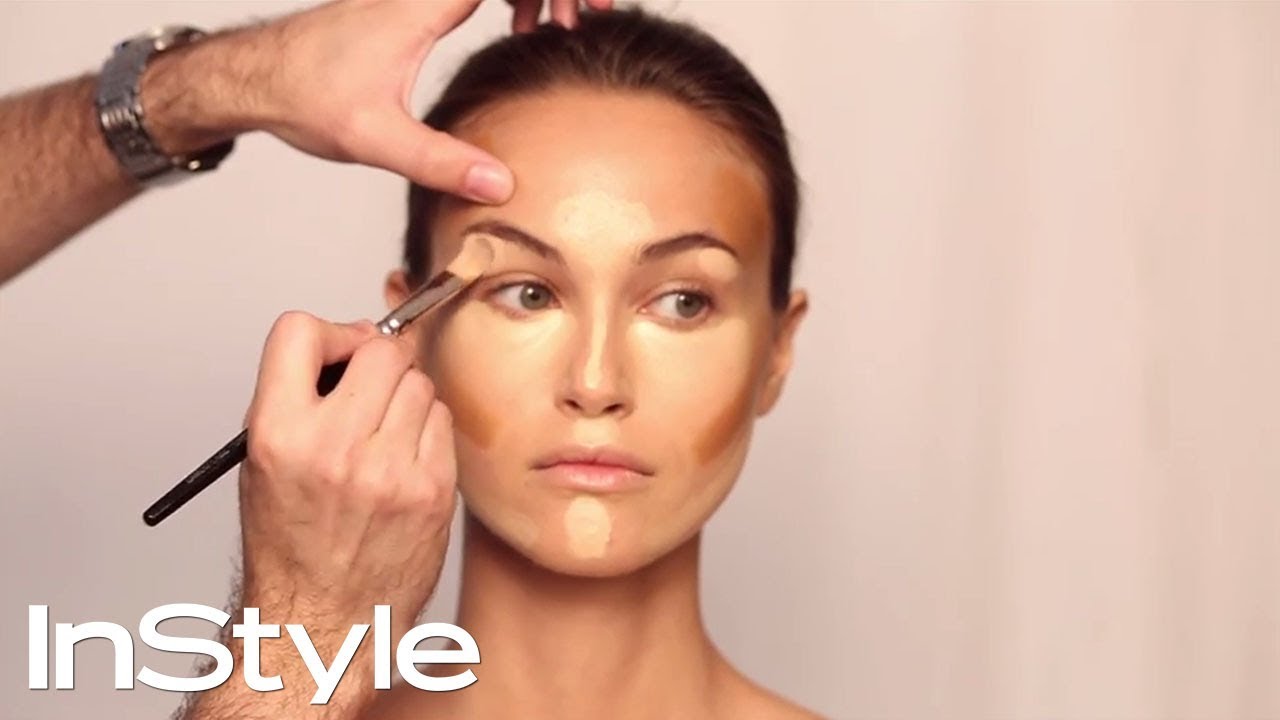
The highlight shades in this palette serve a different job than the contour shades. Contour pulls features back. Highlight pushes them forward. Both work together to create face dimension.
The shimmer highlight shades go on the high points: the top of the cheekbones, down the nose bridge, the cupid’s bow, and the brow bone. The matte highlight shades are better for the undereye and inner corner of the eye, where shimmer tends to settle into fine lines or reflect weirdly in photos.
Cheekbone and Facial Highlight Placement
Load a fan brush lightly with the peach shimmer highlight shade (Nectar in the palette). Apply directly to the highest point of the cheekbone, not below it.
Key placement rule: the highlight and the contour shade should meet at the edge of the cheekbone. The contour sits below the bone. The highlight sits on top of the bone. They blend into each other at the edge.
For the nose bridge, the flat pencil brush picks up the lightest matte highlight shade and draws a thin line straight down the center. Keep it narrow. A wide nose highlight makes the nose look broader, not sharper.
Knowing how to use highlighter makeup as a separate technique helps here, because the high points of the face respond differently to shimmer depending on skin texture and lighting.
Layering Contour and Highlight Together
Always contour first, then highlight. Doing it in reverse makes blending the contour harder because the shimmer particles interfere with how the matte powder blends.
After both are placed, check the look in natural light near a window. Indoor lighting hides mistakes. Natural light shows everything, including whether the shimmer highlight is sitting on the right spot and whether the contour is too heavy.
The blend point between the contour and highlight is where most looks either succeed or fall apart. There should be a gradual fade from the deeper contour shade into the skin tone, then up into the highlight. No visible border between any of the three zones.
At this stage, you can also decide if the look needs a blush layer on different face shapes, which sits between the highlight and the contour in the cheek zone and adds warmth that neither the contour nor the highlight provides.
Shade Selection by Skin Tone

The NYX Highlight & Contour Pro Palette holds 8 shades total, but not every shade works the same on every skin tone. Getting this right is what separates a sculpted look from a muddy one.
According to Statista (2023), 94% of U.S. beauty consumers are actively buying makeup. With that many people using complexion products regularly, the conversation around shade matching for contouring has grown significantly, especially for medium and deeper skin tones who have historically been underserved by drugstore palettes.
Fair to Light Skin
Contour shade: Toffee or Sculpt, used lightly or mixed together for a cool-neutral tone.
Fair skin is the easiest to over-contour with this palette because the pigment shows up immediately. A light-handed approach and a well-tapped brush matter more here than with any other skin tone. The matte cream and matte yellow highlight shades also read most naturally on fair complexions.
Medium Skin
This is where the NYX palette really performs. The warm brown shade Tan gives visible definition without going orange, and Toffee fills in as a lighter alternative for blending.
The shimmer highlight shades in this palette, particularly the soft peach, pick up well on medium skin and give a natural-looking glow without looking frosted or overdone. Medium skin tones get the most use out of this palette overall.
Deep to Dark Skin
Contour shade of choice: Hollow, the darkest brown in the palette.
Deeper skin tones need a contour shade dark enough to actually show contrast against their skin. The lighter shades in this palette won’t register at all. Hollow was added to the palette specifically to give darker complexions a workable option, which was a thoughtful choice NYX made when most drugstore palettes still only catered to lighter skin tones.
For highlight on deep skin, the shimmer shades in the palette can look ashy or washed out. A separate highlight product with more pigment and warmth may work better alongside the palette’s contour shades for this skin tone group.
Common Mistakes and How to Fix Them
Most contouring problems come from the same handful of errors. Knowing them in advance saves a lot of frustration.
Makeup artists consistently point to over-application as the top issue, especially with the NYX palette, which has high pigment payoff that catches beginners off guard.
Placing Contour Too Low on the Cheek

The mistake: sweeping the contour shade below the cheekbone hollow, landing it in the lower cheek area.
This drags the face down and creates a stripe effect that looks painted-on, not sculpted. According to makeup artist guidance from L’Oreal Paris, placement should always follow the natural shadow structure of the face, not a generic map.
Apply the angled brush higher, starting just below the cheekbone itself. Build slowly. If you can see where the contour starts and stops, it’s too low or too heavy.
Too Much Shimmer Highlight Under the Eye
Shimmer directly under the eye catches light in ways that emphasize fine lines, dark circles, and texture. It can also cause flashback in photos, where the highlight reflects white under a camera flash.
Use the matte highlight shade (Soft Light or Cream from the NYX palette) under the eye. Save the shimmer highlight shades for the top of the cheekbone only, where the skin is tighter and the effect reads as a glow, not a line-accentuator.
Skipping Blending Time
Blending takes longer than most people expect. Most harsh contour lines come from stopping too early.
- Use a clean fluffy brush after every zone
- Blend in circular motions, then finish with light upward strokes
- Check in natural light before considering the step done
The NYX palette powders are finely milled, so they do blend out well given enough time and the right brush. A hard line is almost always a technique issue, not a product issue.
Using the Wrong Brush Size for Each Zone
A large fluffy brush on the nose gives a muddy mess. A tiny pencil brush on the cheekbones leaves patchy stripes.
Match brush size to zone size. The cheek and forehead zones need a medium angled brush. The nose and brow bone need a small flat or pencil brush. This one adjustment fixes most uneven contour application problems without changing anything else in the routine.
Over-Contouring the Nose
Nose contouring is the easiest zone to overdo. Even a small amount of the NYX contour shade reads clearly on the nose bridge, because the surface area is narrow and the contrast between highlight and shadow is compressed.
Fix it: if the nose contour looks heavy, take a clean sponge and press (not wipe) over the area. Pressing diffuses the pigment without removing the shape entirely. Wiping removes too much and leaves a patchy result.
| Mistake | Quick Fix |
|---|---|
| Contour too low on cheek | Blend upward, reapply higher |
| Shimmer under eye | Switch to matte highlight shade |
| Harsh lines remaining | More blending time with fluffy brush |
| Over-contoured nose | Press (don’t wipe) with clean sponge |
Setting the Look After Application

The contour and highlight placement is done. Now the question is how to make it last.
The global setting spray market was valued at $966 million in 2023 and is projected to grow at 7.6% annually through 2030 (Grand View Research). That growth reflects how much consumers have learned that finishing products matter, not just the base makeup underneath.
Translucent Powder Over Contour
A light dusting of translucent powder locks the NYX contour palette shades in place without dulling the effect. The powder absorbs surface oils and creates a barrier that helps the powder contour resist fading.
Important: use a large, soft brush for this step. Pressing hard with a puff can shift the contour placement. A light sweep is enough.
Avoid applying translucent powder over the shimmer highlight areas. Powder over shimmer flattens the glow. Leave the highlight zones alone and set only the contour and foundation areas.
If you want to know more about applying translucent powder over a full base, the technique differs slightly depending on the foundation formula underneath.
Setting Spray as the Final Step
After powder, a fine mist of setting spray bonds all the layers together. This is particularly useful when the NYX palette’s powder contour shade is layered over a liquid or cream foundation base.
Circana data shows setting sprays and powders in Europe grew 63% in sales between January and June 2024, with makeup setting sprays accumulating 774 million views on TikTok in 2024. The category is mainstream now, not an optional extra.
Hold the bottle 8 to 10 inches from the face. Spray in a light, even mist. Do not over-spray. One thin layer is enough to bind powder products and add a natural, skin-like finish to what would otherwise look slightly dry.
For more detail on the mechanics of this finishing step, applying setting spray correctly makes a visible difference to how long both the contour and highlight hold through the day.
Touch-Up Method for Mid-Day Fading
Oily skin breaks down powder contour faster than any other skin type. A mid-day touch-up takes about 30 seconds if you have the right tool with you.
What to carry: a small pressed powder or a travel-size contour shade, and a clean blending brush.
Blot any excess oil first using a blotting paper or tissue. Then lightly re-apply the contour shade over the original placement. Skip re-applying the shimmer highlight if it has faded. The contour definition matters more for structure. The highlight is optional for a mid-day refresh.
One thing worth knowing: reapplying setting spray over powder that has been on your face for several hours can cause pilling or streaking. If the base is already heavy, skip the spray re-application and stick to a light powder touch-up only.
FAQ on How To Use NYX Contour Palette
What shades should I use from the NYX contour palette for fair skin?
Use Toffee or Sculpt mixed together. Applied separately, each shade can pull gray or orange. Blended, they create a neutral-toned contour shadow that reads natural on light skin without looking muddy or dirty.
Do I apply the NYX contour palette before or after foundation?
Always after foundation. The powder contour shades need a smooth base to grip and blend into. Applying directly on bare skin gives a patchy, uneven result that is hard to fix without starting over.
What brush works best with the NYX highlight and contour palette?
An angled contour brush for cheekbones, jawline, and forehead. A small pencil brush for the nose. A fan brush for shimmer highlight shades. Match brush size to the facial zone you are working on.
How do I stop my contour from looking like a stripe?
Start higher on the cheek and use less product than you think you need. Blend immediately in circular motions with a clean fluffy brush. Check the result in natural light before adding more product.
Can I use the NYX contour palette on dark skin?
Yes. Use the Hollow shade, the deepest pan in the palette. Lighter shades won’t show contrast on deeper skin tones. For highlight, consider pairing the palette with a more pigmented highlighter for better payoff.
How do I contour my nose with the NYX palette?
Load a pencil brush lightly with the taupe contour shade. Draw a thin line down each side of the nose bridge. Blend straight down, not outward. Use minimal product. Less is genuinely more here.
Should I use setting spray after the NYX contour palette?
Yes, after a light layer of translucent powder. Setting spray bonds all the powder layers together and gives the finish a more skin-like appearance. One thin mist held 8 to 10 inches from the face is enough.
What is the difference between the matte and shimmer shades in the palette?
Matte shades add depth and shadow for face sculpting. Shimmer shades catch light to push features forward. Use matte shades for all contour zones. Reserve shimmer highlight shades for cheekbone tops, nose bridge, and cupid’s bow only.
How do I fix an over-applied contour from the NYX palette?
Press a clean damp sponge over the area. Do not wipe. Pressing diffuses excess pigment without removing the shape. If the shade is still too heavy, dust a small amount of translucent powder over it to soften.
Are the pans in the NYX contour palette refillable?
Yes. Each pan pops out and snaps back in. Replacement pans are sold individually for around $5. When one shade runs out, typically the taupe contour shade goes first, you can replace it without buying the full palette again.
Conclusion
This conclusion is for an article presenting a full breakdown of how to use the NYX contour palette, from shade selection and brush technique to highlight placement and long-lasting finish.
The palette works across skin tones when you match the right pan to your complexion and apply with a controlled hand.
Face sculpting with powder takes practice. But the NYX palette’s refillable pans and buildable pigment give you room to adjust without waste.
Cheekbone contouring, jawline definition, nose shading, and brow bone highlight all follow the same principle: less product, more blending time.
Set everything with translucent powder, finish with a setting spray, and the look holds. Simple as that.

She started writing on the site after fielding the same questions from clients and friends often enough to just write the answers down: which red won't turn orange on a warm undertone, how to keep lipstick from feathering into fine lines, why a "12-hour" formula rarely survives dinner.
Every review on the site follows the same rule she uses with paying clients: wear it first, then decide if it's worth recommending.
- How to Make Eyeliner Last Longer Without Smudging - August 31, 2026
- How to Make Eyeshadow Last Longer All Day - August 29, 2026
- How to Find Your Undertone in 5 Easy Steps - August 27, 2026