To remove Maybelline Super Stay Matte Ink, press an oil-based remover such as coconut oil or a cleansing balm (olive oil works too) onto dry lips, let it soften the film, and wipe it off with a cotton pad.
Micellar water is quicker on a single thin coat but can fall short on a fully set, multi-coat layer. Maybelline’s own advice, micellar water or an oil-based remover, doesn’t tell the two apart.
The formula is mostly silicone. Once the solvent in it evaporates, the resin leaves a water-resistant film that oil dissolves and water barely touches.
Why Maybelline Super Stay Matte Ink resists water and plain wipes

Super Stay Matte Ink dries into a silicone film that water doesn’t dissolve. Oil-type removers do, which is why they work and a damp tissue just pushes the color around.
It sits in the family of liquid lipsticks, with a wand applicator and a wet formula that sets to matte within a few minutes.
Maybelline rates the wear at up to 16 hours and markets it as water resistant and smudge resistant, with no transfer either.
Maybelline’s published ingredient list opens with dimethicone, a silicone fluid. Listed first, it tells you the base is silicone and not wax or water. Trimethylsiloxysilicate comes next, a silicone resin that works as the film former. Suppliers describe it as giving transfer and wash-off resistance with a flexible film (MakingCosmetics spec sheet, 2024). Third is isododecane, a volatile solvent that evaporates quickly and helps stop color transfer.
That solvent explains the caution printed on retailer pages for the product, flammable until dry. Once the isododecane has evaporated, only the film and pigment are left on the lips.
Iba Cosmetics, which makes lipstick itself, says oil breaks down the silicone and polymer film behind long-wear color. Water and a cotton pad, by its account, mostly gets you repeated wiping.
Formulas shift by market, and Maybelline notes that its ingredient lists are updated regularly, so check the box. A wider look at what goes into a lipstick makes those labels easier to read.
What does Maybelline recommend for removing Super Stay Matte Ink?

Maybelline’s own answer is micellar water or an oil-based makeup remover. Its Australian site adds the SuperStay Eraser, a lip color remover stick built for long-wear formulas.
That’s the brand’s position as of October 2026, and outside sources don’t agree on how far it gets you.
Maybelline’s replies on Ulta and Target both say micellar water or another oil-based makeup remover. The Target product page points to Garnier Waterproof Micellar Water specifically, and the Eraser only shows up on the Australian site.
Iba Cosmetics draws a line the brand doesn’t. It says micellar water suits lighter cream and satin formulas that haven’t fully set into a film. On a heavy matte or transferproof liquid, micellar water alone can fall short, so an oil cleanser or balm goes first.
The two don’t actually contradict each other. Maybelline’s reply never separates a single thin swipe from a full set coat, and that’s the exact difference Iba’s advice hinges on.
For a general walkthrough that applies to any liquid formula, see this guide to taking off liquid lipstick.
Per Maybelline’s retail copy, the Eraser is a swipe of the stick and a rub of the lips together, then a tissue wipe.
Check stock before you plan around it. One Australian pharmacy listed it on clearance in January 2025. A buyer review calls it discontinued, and a German eBay listing shows it as sold out.
Removal methods compared: oil, balm, micellar water and petroleum jelly

Oil or balm is the most reliable choice on a fully set coat. Micellar water is quicker on a thin one, and petroleum jelly is the slow fallback.
| Method | How it acts on the film | Main limit |
|---|---|---|
| Coconut or olive oil | Oil breaks down the silicone and polymer film | Leaves an oily layer, needs a second cleanse |
| Cleansing balm or oil cleanser | Turns to oil on contact and dissolves long-wear makeup | Costs more than kitchen oil |
| Micellar water | Micelles lift pigment, no rinse | Can fall short on a full, set film |
| Petroleum jelly | Melts the lipstick like an oil | Needs 2 to 3 minutes of contact |
| SuperStay Eraser | Oil-based balm stick that sinks into the color | Availability varies by market |
Kitchen oil is already in most cupboards and it does dissolve the film, though the oil itself then needs washing off. A cleansing balm slots into a double cleanse nicely and just costs more. Micellar water is fast and needs no rinse, but it struggles once there are several coats on. Petroleum jelly means one jar and nothing else to buy, and it’s the slowest of the lot. The Eraser is portable and made for this formula, which doesn’t help much if you can’t find it where you live.
Clinique describes its Take the Day Off balm as a balm-to-oil formula that dissolves long-wear makeup, and positions it as step one before a rinse-off mousse. A guide to using the Clinique Take the Day Off balm covers that routine.
Contact time differs by method. MasterClass presses a damp micellar pad to the lips for about one minute and leaves petroleum jelly on for 2 to 3 minutes, while Makeup.com by L’Oreal (2022) gives 3 minutes of petroleum jelly as the fallback when an oil remover leaves color behind.
The Eraser’s label, as printed on retailer listings, starts with ethylhexyl palmitate and octyldodecanol. It also carries petrolatum and beeswax, along with shea butter. That puts it in the same oil-and-wax class as the cheaper options, so I’d skip the hunt for the branded stick if kitchen oil or petroleum jelly is within reach.
For one thin coat, start with micellar water. For several coats or a full day of wear, go to oil or balm first.
How to remove Maybelline Super Stay Matte Ink step by step
Oil or balm goes on first to soften the film, then a cotton pad lifts it, a water-based cleanser takes the oil off, and lip balm finishes. Micellar water can replace the oil step, but only when the coat is thin.
Removing it with oil or balm

- Start with dry lips and clean, dry fingers, then work in coconut oil, olive oil or a cleansing balm.
- Leave it on long enough to soften the film. A thick, multi-coat layer takes longer.
- Press a cotton pad to the lips, lift, and wipe starting at the center of the lips.
- Re-oil anything that stays, corners and lip lines first.
- Wash with a gentle water-based cleanser, pat dry and apply balm.
Cleveland Clinic describes double cleansing as an oil-based product first, then a water-based cleanser. The oil step is the one that handles waterproof makeup and sunscreen, and the same logic applies to a silicone film on the lips.
Skip hard rubbing. Maybelline’s own removal guide warns that excessive scrubbing leaves lips dry and parched.
Removing it with micellar water
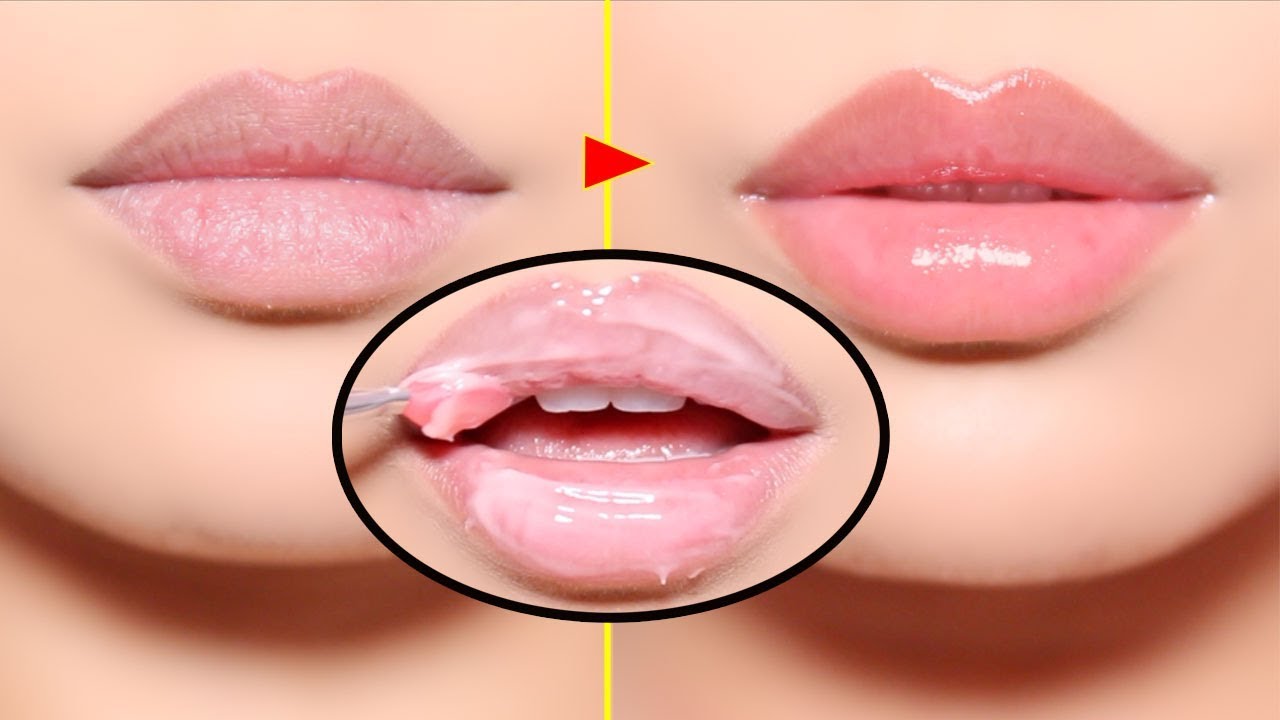
For a thin coat, soak a cotton pad and press it to the lips, then lift instead of dragging. Use a fresh pad for each pass.
WebMD notes that micellar water may not fully remove heavy or waterproof makeup, so a heavier look can take several pads.
If the second pad still comes away pigmented, switch to the oil route above. Cleveland Clinic dermatologist Jane Wu calls micellar water followed by a water-based cleanser a good alternative to a full double cleanse.
When Super Stay Matte Ink still will not come off

If color survives the first pass, either the film never softened or the pigment has stained the lip skin. More oil contact deals with the first. For the second, exfoliate gently instead of wiping harder.
Film that has not softened
Patches that stay dry and flaky usually mean the oil never reached the film. Apply a fresh layer and give it longer before the next wipe.
For stubborn patches, Bustle’s long-wear lipstick guide suggests a toothbrush method.
- Coat the lips fully in lip balm.
- Use a soft toothbrush kept only for this job, never the one you brush your teeth with.
- Work small circles until the dried patches lift.
The same guide names Pond’s Cold Cream as the fallback for leftover residue.
Color left in lip lines
Sources split on scrub frequency. Dermatologist Azadeh Shirazi, quoted by Bustle, advises against exfoliating lips more than once a week, while Iba Cosmetics says a very gentle scrub once or twice a week can lift leftover pigment stains.
Go with the lower number. Lip skin is only 3 to 5 cell layers thick against up to 16 on facial skin (Cosmetics and Toiletries), so there is little to spare.
A homemade scrub is the cheap route, and this guide to exfoliating your lips naturally covers the options.
If your lips are peeling or cracked, skip the scrub entirely. The AAD says to stop licking, biting and picking at chapped lips, so leave the flakes alone until they heal.
Lip care after removing a matte liquid lipstick

Apply lip balm as soon as the last cleanse is dry. For very dry or cracked lips, American Academy of Dermatology guidance is a thick ointment such as petroleum jelly, used through the day and before bed.
Lips have no oil glands to build their own protective film, which is why they dry faster than the skin around them (Cosmetics and Toiletries). MasterClass notes that long-lasting lipsticks, matte ones included, can leave lips dry and cracked.
- If lips burn, sting or tingle after a product, stop using it (AAD).
- Camphor, eucalyptus and menthol irritate lips, so skip any balm that contains them (AAD).
- Saliva evaporates fast and worsens dryness, which makes licking a bad habit here. Reach for balm instead.
- Before bed, a non-irritating balm works as a night layer, ideally one with petrolatum or shea butter (AAD).
The lipstick carries fragrance too. Maybelline’s published label lists parfum, and also limonene and citronellol, so a lip that stings after wear is worth checking against the box.
Dryness that sticks around has its own causes and fixes, covered in this guide to lip care for dry lips. The AAD says cracked lips that do not heal after 2 to 3 weeks of home care need a board-certified dermatologist.
To make the next wear easier on the lips, here is how to keep lips moisturized under matte lipstick.
Maybelline Super Stay Matte Ink Removal FAQ
Does Super Stay Vinyl Ink come off the same way?
Yes. Maybelline’s reply on Target says Super Stay Vinyl Ink comes off with micellar water or another oil-based makeup remover.
The brand gives the same advice for Matte Ink. The two lines differ in finish, matte versus glossy, but the brand treats them alike for removal.
Can makeup wipes take off Super Stay Matte Ink?

Only oil-based ones. Beauty Bakerie’s Lip Whip Remover Wipes, for example, are oil-based wipes sold to break down long-wear liquid lipsticks with minimal scrubbing, according to the product listing.
Check the ingredient list for oils before relying on a wipe.
Will soap and water remove it?
Not reliably. None of Maybelline’s removal answers mention soap, and they all point to micellar water or an oil-based remover.
If soap is all you have, wash after oil or petroleum jelly has softened the film, not instead of it.
How do you clean it off the skin around your lips?
Use the same remover. L’Oreal Paris says its micellar water works on the face, eyes and lips, and Bustle dabs olive oil over a cotton round to clear lipstick.
Soak a cotton swab for the edge of the lip line, then finish with a water-based cleanser.
Applying Maybelline Super Stay Matte Ink for Easier Removal
Thin coats over a lip balm base make Maybelline Super Stay Matte Ink easier to remove, because a thinner film gives micellar water less to dissolve. Maybelline’s UK lipstick-longevity guide recommends light, thin layers and a balm base for a smooth surface.
The same guide rates the Super Stay range at up to 12 hours, while product pages claim 16. After either span, treat the coat as a fully set film and start with oil or balm.
So balm goes on bare lips first, the layers stay light and thin, and an oil or balm remover handles it that evening.
For the application side, this guide to applying liquid lipstick covers the wand technique.
This position was verified in October 2026. A reformulation that drops the silicone resin would make micellar water alone enough, so check the label on a new tube.

She started writing on the site after fielding the same questions from clients and friends often enough to just write the answers down: which red won't turn orange on a warm undertone, how to keep lipstick from feathering into fine lines, why a "12-hour" formula rarely survives dinner.
Every review on the site follows the same rule she uses with paying clients: wear it first, then decide if it's worth recommending.
- How to Make Eyeliner Last Longer Without Smudging - August 31, 2026
- How to Make Eyeshadow Last Longer All Day - August 29, 2026
- How to Find Your Undertone in 5 Easy Steps - August 27, 2026