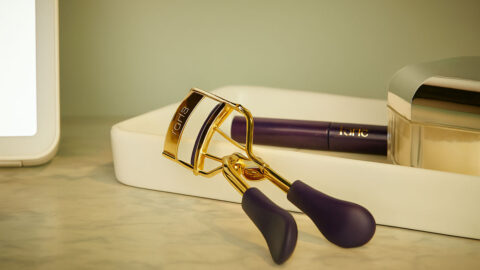
That tiny spiral wand in your makeup bag is touching your lash line every single day. And most people never wash it.
Knowing how to clean a spoolie brush is one of those small habits that makes a real difference. Dried brow gel, mascara buildup, and bacteria transfer quietly between uses, creating conditions linked to eye irritation and styes.
This guide covers everything: the right cleansers, step-by-step brush cleaning techniques, how to handle stubborn product buildup, and when your spoolie brush has reached the end of its life. Simple, direct, and worth two minutes of your time.
What Is a Spoolie Brush

A spoolie brush is a small wand with a spiral or coiled bristle head, designed to groom brow hairs, separate lashes, and apply or blend brow products. The name comes from the spool-like shape of the bristle tip.
Most people own one without realizing it has a name. If you have ever used the brush end of a double-sided brow pencil to comb your brows after filling them in, that is a spoolie.
Spoolie vs. Mascara Wand
Key difference: Not the same tool, even though they look nearly identical.
- Mascara wands are disposable, coated in product from the tube
- Spoolies are reusable, used dry or with a small amount of brow gel
- Cleaning a spoolie is worth doing. Cleaning the wand inside your mascara tube is not recommended and unnecessary.
Replace your mascara every 4 to 6 weeks to keep bacteria out of the tube. The spoolie you use separately on your brows or lashes is the one that needs regular washing.
Common Forms
Standalone spoolie: A single wand sold on its own, often in multipacks from brands like e.l.f. or Crown Brush. These are cheap to replace and easy to keep clean.
Double-ended brush: One end is an angled brow brush, the other is a spoolie. This is the most common format in brow pencils and brow kits from brands like Sigma Beauty.
Retractable spoolie: A compact version with a cap, popular for travel kits. The bristles are nylon, mounted on a plastic or metal wand.
Why Cleaning a Spoolie Brush Matters

A 2025 study published in the International Journal of Microbiology found that 81% of bacteria on cosmetic brushes were Gram-positive strains, including Staphylococcus and Micrococcus species, both directly linked to skin and eye infections.
Spoolies sit right at the lash line. That proximity to your eyes is what makes brush hygiene for this specific tool more serious than for, say, a powder brush.
What Builds Up on a Dirty Spoolie
Every time you use a spoolie, it picks up more than just product residue.
- Mascara and brow gel dry into the bristles and clump the spiral coils together
- Dead skin cells and natural oils from lashes and brow hairs transfer onto the bristles
- Bacteria from your skin and environment colonize the damp, product-filled bristles between uses
The Journal of Applied Microbiology found that 70 to 90% of tested cosmetic tools were contaminated with fungus and bacteria, including E. coli. A dirty spoolie is not a minor inconvenience. It is a transfer vehicle.
The Eye Infection Risk
Styes are one of the most direct consequences. According to StatPearls (updated December 2024), styes are most often caused by Staphylococcus aureus infecting the sebaceous glands of the eyelid. Poor eyelid hygiene is listed as a primary risk factor.
A dirty spoolie used along the lash line can deposit exactly those bacteria onto the eyelid margin. Beyond styes, contaminated eye brushes are linked to conjunctivitis, blepharitis, and in more serious cases, keratitis.
Knowing all this, 44.3% of participants in the 2025 International Journal of Microbiology survey rarely clean their brushes, and 27.8% reported skin problems they linked to contaminated tools.
How Often to Clean Based on Use
| Use Pattern | Recommended Frequency |
|---|---|
| Daily brow grooming only | Once per week |
| Daily use with mascara or lash products | Every 2–3 days |
| Shared spoolie (professional kit) | After every client |
| Low-frequency use (stored between uses) | At least every 2 weeks |
What You Need to Clean a Spoolie Brush

No special equipment needed. Most of what works is already in your bathroom.
Cleanser Options
Baby shampoo is the go-to for most people. It is gentle on nylon bristles, rinses clean, and will not leave residue. A small drop is enough for one wash cycle.
Micellar water works well for a quick clean between deep washes. Pour a small amount onto a tissue and swipe the spoolie through it two or three times. Not a substitute for a full wash, but good for daily maintenance.
Dish soap (fragrance-free, gentle formula) cuts through dried mascara and brow gel buildup faster than baby shampoo. Useful for a deep clean when product has really caked onto the coils.
Dedicated brush cleanser from brands like Cinema Secrets or Real Techniques works fine, though honestly overkill for a spoolie. Save those for your larger face brushes.
What to Avoid
- Rubbing alcohol directly on nylon bristles strips the coating and causes shedding
- Hot water loosens the glue that bonds bristles to the wand handle
- Acetone or nail polish remover (this comes up more than you would expect)
Tools That Help
A small bowl or cup to soak bristles in cleanser. A clean towel or paper towel for blotting dry. A silicone cleaning mat or textured surface helps work out dried product faster, but is optional.
How to Clean a Spoolie Brush Step by Step
The full wash takes under two minutes. The drying is the part that takes time, so plan to do this when you do not need the brush for a few hours.
Quick Clean
Pour a small amount of micellar water onto a clean tissue or paper towel. Swipe the spoolie bristles back and forth across the damp surface, rotating the wand slightly with each pass.
Repeat until no more product transfers onto the tissue. This takes about 30 seconds and is good enough for a between-washes refresh if you use the spoolie daily on your brows.
Deep Clean (Full Wash)
This is what your spoolie actually needs at least once a week.
- Wet bristles with lukewarm water, pointed downward. Never upward into the ferrule.
- Apply one small drop of baby shampoo or gentle cleanser directly to the bristles or onto your palm.
- Work bristles in small circular motions against your palm or a silicone mat for about 30 seconds.
- Rinse under lukewarm running water, again pointed downward, until water runs completely clear.
- Gently squeeze excess water from bristles using your fingers. Do not twist or pull.
- Lay flat or bristle-side down on a clean towel to air dry.
That’s it. The whole process takes about 90 seconds of actual hands-on time.
A Note on Water Direction
Always point bristles downward when rinsing. Water that runs up into the handle sits in the ferrule (the metal or plastic collar where bristles meet the handle) and weakens the adhesive over time. This is how brushes start shedding bristles.
Took me a while to figure out why my brushes kept losing bristles after washing. Turns out the angle matters a lot more than most people realize.
How to Remove Stubborn Mascara or Brow Gel Buildup
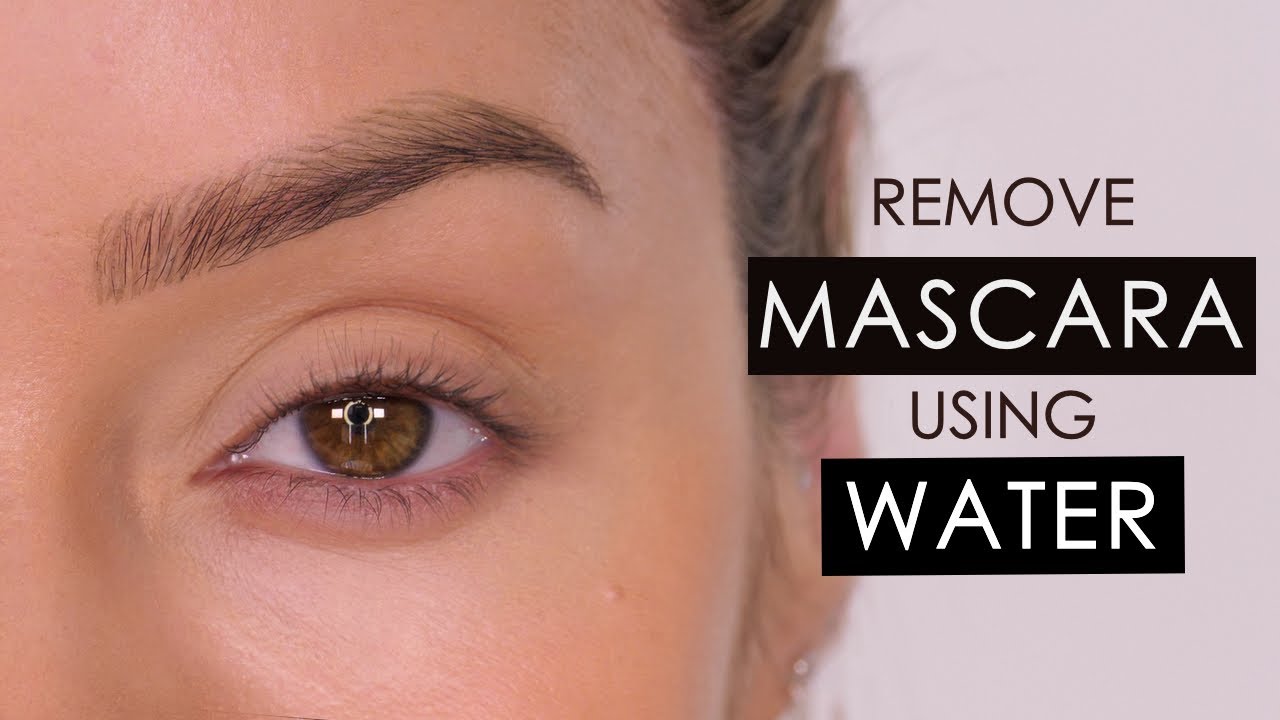
Dried mascara on a spoolie is genuinely annoying. The coiled bristle structure traps product deeper than a flat brush, which means a quick swipe with soap and water sometimes does not cut it.
The Soak Method
Micellar water soak: Pour enough micellar water into a small cup or bowl to submerge the bristle head. Let the spoolie sit bristle-end down for 30 to 60 seconds before washing. The micellar formula breaks down mascara wax and brow pomade before you even start scrubbing.
For waterproof mascara buildup specifically, an oil-based cleanser (or even a drop of coconut oil on the bristles) works faster than any surfactant-only product. Massage it in, let it sit for 30 seconds, then wash with soap and water to remove the oil.
Mechanical Removal
A fine-tooth comb or a clean dry toothbrush can physically work through clumped coils after soaking. Run it gently through the bristles from base to tip while the cleanser is still on.
Be light-handed. Forcing a comb through dry, product-filled bristles before soaking will bend or break them. Soak first, then comb.
When to Skip Cleaning and Just Replace
Some buildup is past the point of washing out.
- Bristles that stay clumped together even after a full wash and dry
- Persistent smell despite repeated cleaning
- Visible bristle shedding
Disposable spoolie packs from brands like e.l.f. or Crown Brush cost a few dollars for a set of 25 to 50. At some point, replacing is faster and more hygienic than fighting dried mascara that has been in the coils for three months.
How to Dry and Store a Spoolie Brush

How you dry a spoolie after washing affects both bristle shape and hygiene before the next use. Most people skip this part or do it wrong.
Drying
Lay the spoolie flat or with the bristle end slightly angled downward. Never dry it standing upright in a cup. Water drains toward the ferrule and sits there, which both weakens adhesive and creates a humid environment where bacteria grow between uses.
Press (do not rub) bristles into a clean dry towel to remove most of the moisture. Then reshape the coil with your fingers and leave it on a flat surface to finish air drying.
Drying time: Most spoolies dry fully in 2 to 4 hours at room temperature. Do not cap a retractable spoolie or store it in a case until it is completely dry.
Storage
The makeup brush cleaners market was valued at $2.3 billion in 2023 and is growing at 5.3% annually (Verified Market Reports 2024), which gives you some sense of how seriously the industry now takes brush hygiene. Storage options have kept up with that trend.
- Brush roll: Good for travel, keeps spoolies protected without crushing bristles
- Open cup or organizer: Fine for vanity storage as long as bristles point upward and the brush is fully dry first
- Away from direct sunlight and humidity: Both degrade nylon bristles and encourage bacterial growth
Knowing how to store makeup brushes properly extends their life and keeps your brush routine hygienic between washes. A clean, dry spoolie stored well lasts significantly longer than one tossed damp into a makeup bag.
How Often to Clean a Spoolie Brush

There is no single answer that fits everyone. It depends on how you use the spoolie and what products it touches.
A 2025 International Journal of Microbiology survey found that 44.3% of users rarely clean their cosmetic brushes at all. That is the gap between knowing you should clean and actually doing it.
Cleaning by Use Type
Brow grooming only (dry use): Once per week is enough. You are dealing with natural oils and maybe a small amount of brow powder. Low bacterial load, slow buildup.
Used through mascara or brow gel: Every 2 to 3 days. Wet products cling to the coiled bristles, and bacteria colonize damp product residue faster than dry residue. This is the scenario where a dirty spoolie causes real problems near the eye area.
Shared tools in a professional makeup kit: After every single client. No exceptions. Studies on shared cosmetic tools consistently show higher bacterial contamination rates than personal tools, including Pseudomonas and Staphylococcus species, both linked to eye and skin infections.
Signs It Needs Cleaning Now
Some people go by a schedule. Others go by these cues, which honestly works fine too.
- Visible product clumping at the base of the bristles
- Bristles feel stiff or no longer glide smoothly through brow hairs
- Color transfer from a previous product onto today’s application
- Any noticeable smell from the bristles
That last one is the clearest sign. A spoolie should smell like nothing. If it smells like old mascara or has a faint sour odor, bacteria have been there a while.
Professional Kit Maintenance
Dermatologist guidance from CNBC (2024) recommends cleaning and sterilizing makeup brushes at least weekly, with daily cleaning for any tool used with liquid or cream products.
For working makeup artists, Cinema Secrets brush cleanser is a common fast-sanitizing option between clients since it evaporates quickly and does not require rinsing. It is not a replacement for a full soap-and-water wash at the end of the day, but it keeps tools usable during back-to-back appointments.
| Situation | Minimum Cleaning Frequency | Deep Wash Frequency |
|---|---|---|
| Brow-only, personal use | Weekly | Monthly |
| Daily use with mascara / lash products | Every 2–3 days | Weekly |
| Professional / shared kit | After each client | Daily |
| Low-frequency personal use | Every 2 weeks | Monthly |
Being consistent about your cleaning makeup brushes routine applies to every brush type, not just large face brushes. Spoolies get overlooked because they are small. They should not be.
When to Replace a Spoolie Brush

Cleaning extends the life of a spoolie, but it does not extend it forever. At some point the bristles are done and no wash cycle changes that.
Synthetic fiber brushes generally stay effective for 1 to 3 years with proper care, according to Cosmetic Executive Women and industry experts. Spoolies, being inexpensive nylon tools used daily right at the eye, sit at the shorter end of that range.
Signs the Spoolie Needs Replacing
Cleaning basic sources recommend replacing a spoolie every 3 to 4 months for daily users. That aligns with nylon bristle wear under regular use and repeated washing.
But the calendar is a backstop, not the only guide. Replace when you see any of these:
- Bristles that stay bent or flared after washing and drying
- Shedding bristles (a hygiene and eye safety issue, not just cosmetic)
- Persistent smell after a full wash cycle
- Bristle tips that scratch or tug at brow hairs instead of gliding
Cost of Replacing vs. Cleaning
Disposable spoolie packs from e.l.f. or Crown Brush typically run $3 to $6 for a pack of 25 to 50. At that price, replacing a worn-out spoolie is always the right call over forcing a fourth or fifth deep clean on bristles that are structurally done.
Brands like Sigma Beauty and Real Techniques sell higher-quality double-ended brow brushes where the spoolie is part of a tool worth maintaining longer. Those are worth cleaning thoroughly and replacing only when performance clearly drops.
Comparison: Keep Cleaning vs. Replace
| Condition | Keep Cleaning | Replace |
|---|---|---|
| Bristles return to shape after washing | Yes | – |
| Bristles remain bent after drying | – | Yes |
| Light product residue | Yes | – |
| Persistent odor after thorough washing | – | Yes |
| Minor shedding (occasional strands) | Clean gently and monitor | – |
| Ongoing or heavy shedding | – | Yes |
The makeup brush cleaning and tools category is growing precisely because hygiene awareness is catching up to how people actually use their tools. The brush routine that works is not necessarily the most elaborate one. It is the one you actually do consistently.
Knowing how to properly approach deep cleaning makeup brushes across your full kit, including your spoolie, keeps your tools performing well and your skin clear of problems they should never be causing.
FAQ on How To Clean Spoolie Brush
How often should you clean a spoolie brush?
For brow-only use, once a week is enough. If your spoolie contacts mascara or brow gel daily, clean it every 2 to 3 days. Shared spoolies in a professional kit need sanitizing after every client, no exceptions.
What is the best cleanser for a spoolie brush?
Baby shampoo is the most reliable option. It is gentle on nylon bristles, rinses completely clean, and leaves no residue. Micellar water works for a quick clean between full washes.
Can you use rubbing alcohol to clean a spoolie?
Alcohol sanitizes fast but strips nylon bristle coatings over time, causing shedding. Use it only for emergency sanitizing between clients. For regular brush cleaning, stick to gentle soap and lukewarm water.
How do you remove dried mascara from a spoolie?
Soak the bristle end in micellar water for 30 to 60 seconds first. For waterproof mascara buildup, work a drop of oil-based cleanser into the bristles before washing. Then rinse thoroughly with soap and water.
Should you clean the spoolie inside your mascara tube?
No. That wand stays in the tube and does not need washing. Replace your mascara every 4 to 6 weeks to prevent bacteria buildup inside. Only clean reusable standalone spoolies used on brows and lashes.
How do you dry a spoolie brush after washing?
Press bristles gently into a clean towel to remove moisture. Lay flat or bristle-side down to dry. Never stand it upright while wet. Water trapped in the ferrule loosens the adhesive and causes bristle shedding.
Can you use dish soap to clean a spoolie brush?
Yes. A fragrance-free, gentle dish soap cuts through dried brow gel and mascara residue faster than baby shampoo. It is a solid option for a deep clean. Rinse well to make sure no soap remains in the bristles.
How do you know when a spoolie brush needs replacing?
Replace it when bristles stay bent after drying, shedding becomes regular, or a smell persists after a full wash. Daily users should replace their spoolie brush every 3 to 4 months regardless of visible wear.
Can a dirty spoolie cause eye infections?
Yes. A spoolie used at the lash line deposits bacteria directly onto the eyelid margin. Staphylococcus aureus, the most common cause of styes, thrives on product residue left on unwashed bristles between uses.
What is the difference between a quick clean and a deep clean for a spoolie?
A quick clean uses micellar water on a tissue, taking about 30 seconds. A deep clean involves soap, water, and working product out of the coiled bristles for roughly 90 seconds. Both matter. Neither replaces the other.
Conclusion
This conclusion is for an article presenting how to clean a spoolie brush, and the core message is straightforward: a two-minute brush cleaning routine protects your eyes, extends your tools, and costs nothing extra.
Product buildup, bacterial contamination, and bristle damage are all preventable. Baby shampoo, micellar water, and lukewarm water are all you need.
Clean weekly if you use it dry. Clean every few days if brow gel or mascara is involved. Replace the bristles every 3 to 4 months.
Your spoolie works right at the lash line. Keeping it clean is basic makeup hygiene that most people skip without realizing the risk.
Now you know better.

She started writing on the site after fielding the same questions from clients and friends often enough to just write the answers down: which red won't turn orange on a warm undertone, how to keep lipstick from feathering into fine lines, why a "12-hour" formula rarely survives dinner.
Every review on the site follows the same rule she uses with paying clients: wear it first, then decide if it's worth recommending.
- How to Make Eyeliner Last Longer Without Smudging - August 31, 2026
- How to Make Eyeshadow Last Longer All Day - August 29, 2026
- How to Find Your Undertone in 5 Easy Steps - August 27, 2026