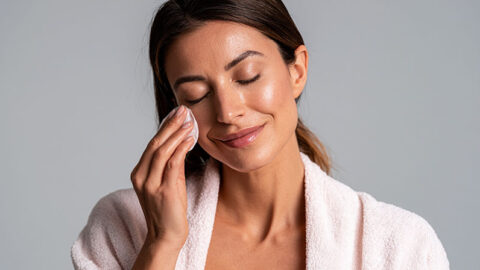
As is the case with most things in life, if you want your makeup to look right, you need to start with a bit of strategic thinking. Which shade you choose is obviously part of it, but it’s also about how you treat your skin in general and what it’s expected to deal with later in the day.
Hair removal isn’t separate from makeup either, with quick fixes often rebelling and revealing uneven texture and razor bumps, leading to makeup that refuses to sit smoothly. Thankfully, I’ve found the best hair removal laser near me, and don’t have to worry about these problems any longer.
When you align the two and treat them like parts of the same ecosystem, which they are, your routine gets easier, and your confidence gets less dependent on perfect lighting.
Treat Your Skin Right
If you want your foundation to look right, your skin first has to feel like skin. Excessive friction and rushed hair removal lead to redness, patchiness, and texture that no setting spray or heavy product layer can truly hide.
The obvious first rule is to avoid aggressive hair removal right before a full-face makeup day. Whichever method you choose, the main issue is timing and aftercare.
Shaving is the mildest option for many people, but it still creates micro-exfoliation, while waxing can produce temporary sensitivity. Laser, while being the best long-term solution, can also create short-term warmth or redness.
The point is, even if you love a high-coverage finish, you need to treat your face like the smooth canvas you want it to be.
Choose the Right Hair Removal Method for You
Many people default to whatever way is fastest to get rid of excess hair. But long-term results and daily comfort should matter more than the speed of today’s fix.
The American Academy of Dermatology has a practical overview of common options, including shaving, waxing, depilatories, threading, laser hair removal, and electrolysis, with straightforward safety considerations that can help you choose based on your skin and lifestyle.

[Source: American Academy of Dermatology]
Shaving is convenient and low-cost, but doing it too frequently can contribute to irritation for people prone to ingrown hairs (that’s me!). Waxing, on the other hand, offers longer periods of smoothness, but it can be harsh on sensitive skin.
Laser is often considered the long-term reduction approach, and it can be especially appealing for people who are tired of constant maintenance. It targets pigment in the hair follicle, which is why it has historically worked best when there’s contrast between hair and skin, though modern devices and experienced providers have expanded safe options for many skin tones.
The AAD notes that a significant reduction usually takes six sessions or more, and that results are long-lasting for most body areas, with facial hair more likely to need maintenance because hormones can drive regrowth.

[Source: American Academy of Dermatology]
In a makeup-focused routine, that matters because the base becomes easier to keep smooth and consistent, and fewer emergency removals usually mean less irritation over time.
Prioritize Safety to Protect Your Results
Laser hair removal is used more and more often, but outcomes depend a lot on the provider’s experience and their use of the appropriate settings for your skin type and hair.
A 2024 study that evaluated 16,900 patients undergoing laser hair removal looked at complication frequencies and contributing factors, reinforcing the importance of qualified, well-trained professionals and conservative, skin-specific protocols.
All this means is that if you’re prone to hyperpigmentation or your skin has a history of misbehaving, a consult with a dermatologist is well worth the time.
Be Smart About Your Base and Foundation
At the base-building stage, it’s all about technique and compatibility. The price tag should be the last of your concerns, and you should avoid mixing multiple thick layers on newly sensitive skin to avoid pilling and uneven wear.
One great “post-removal” rule is to simply reduce the stack. Stick to one hydrating layer and one smoothing layer before moving on to your base, and make sure to give each step a minute to settle.
If you want a more detailed troubleshooting guide, Lipstick Queen’s article on how to stop makeup from pilling on your skin breaks down common causes and practical fixes.
That said, even with the best products, how you apply them can change everything after hair removal. A damp sponge and light tapping typically create a smoother finish than heavy buffing with a dense brush, which can stir up redness or cling to micro-texture after shaving or dermaplaning.
On days your skin feels extra sensitive, use the same principles but scale the coverage down. It’s always better to keep things breathable and even than to push for a perfectly opaque look.
Lipstick Queen’s guide on how to apply foundation flawlessly every time offers a good selection of prep and application habits that help you build coverage without creating a cakey surface.
Time Your Hair Removal Around Events
It’s easy to fall into a routine where every tiny hair becomes an emergency, and every correction feels urgent, but if you can be patient and organized with a consistent system, you’ll have a much better chance of achieving that effortlessly natural makeup look.
Plan hair removal for important events, allowing your skin to recover before applying heavy makeup. If you shave, doing it 12 to 24 hours before your event is often a safe window for most people, while if you wax facial hair, 24 to 48 hours typically gives you time for any redness to set.
Smooth, comfortable skin is the real secret weapon here. The products and techniques just get to shine once your skin is in a good mood.

She started writing on the site after fielding the same questions from clients and friends often enough to just write the answers down: which red won't turn orange on a warm undertone, how to keep lipstick from feathering into fine lines, why a "12-hour" formula rarely survives dinner.
Every review on the site follows the same rule she uses with paying clients: wear it first, then decide if it's worth recommending.
- How to Make Eyeliner Last Longer Without Smudging - August 31, 2026
- How to Make Eyeshadow Last Longer All Day - August 29, 2026
- How to Find Your Undertone in 5 Easy Steps - August 27, 2026