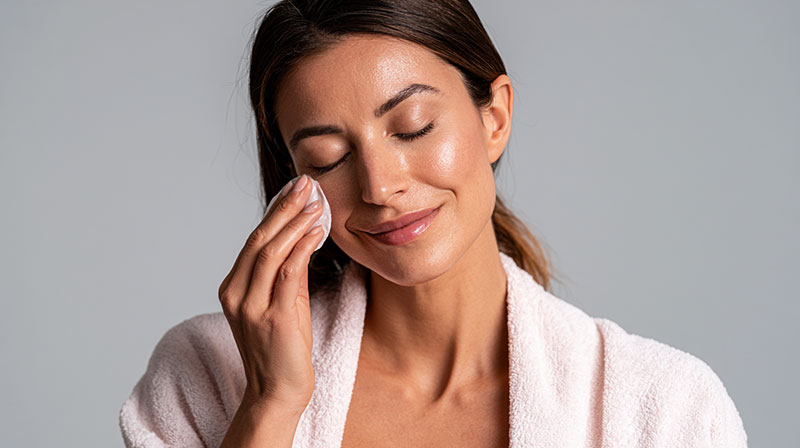
Smooth, well-groomed skin often starts with proper preparation. Facial hair removal may seem simple, but the skin on the face is more delicate than on many other areas of the body. That is why preparing correctly before an appointment can make a noticeable difference in comfort, results, and post-wax irritation.
Professional face waxing can help remove unwanted hair from areas such as the upper lip, chin, cheeks, jawline, and sideburns while leaving the skin looking clean and polished. However, the final result depends not only on the waxing technique itself but also on how well the skin is cared for before and after the service.
Check Your Skin Condition Before Booking
Before scheduling a facial waxing appointment, it is important to look at the current condition of your skin. Waxing should not be performed over broken skin, active rashes, open cuts, severe acne flare-ups, or sunburn. These conditions can make the skin more vulnerable and may lead to discomfort or further irritation.
You should also consider any skincare products or treatments you are currently using. Products with retinoids, strong acids, or prescription acne treatments can make the skin thinner or more sensitive. In this case, it is usually better to pause these products before waxing or ask a professional how long you should wait.
When It Is Better to Postpone Waxing
Sometimes the best preparation is knowing when not to wax. If your skin is inflamed or recovering from a treatment, waiting a few days can protect your skin barrier.
It is better to postpone the appointment if you have:
- Fresh sunburn or visible peeling
- Open blemishes, cuts, or scratches
- Recent chemical peel, laser treatment, or microdermabrasion
- Strong irritation from skincare products
- Extremely dry or cracked skin
Delaying the service in these situations is not a setback. It simply gives your skin time to recover so the waxing result can be smoother and safer.
Prepare Your Skin Several Days in Advance
Skin preparation should begin a few days before the appointment, not only on the day of waxing. The goal is to keep the skin balanced: clean, hydrated, and calm, but not over-treated.
Avoid aggressive exfoliation, strong scrubs, and active ingredients that may increase sensitivity. This includes retinol, retinoids, high-percentage glycolic acid, salicylic acid, and other strong resurfacing products. While these ingredients can be helpful in a skincare routine, they are not ideal right before waxing because they may make the skin more reactive.
Instead, focus on gentle hydration. A simple moisturizer can help support the skin barrier and reduce dryness. Well-hydrated skin usually responds better to waxing than skin that is tight, flaky, or irritated.
Keep Your Routine Simple
In the days before facial waxing, a minimal skincare routine is often the best option. You do not need to add new products or experiment with treatments. New ingredients may cause unexpected sensitivity, and that can affect the waxing experience.
A simple routine may include:
- Gentle cleanser
- Lightweight moisturizer
- Sunscreen during the day
- Avoidance of harsh exfoliants
- No new active skincare products
This kind of routine helps keep the skin stable before the appointment.
What to Do on the Day of Your Appointment
On the day of your waxing appointment, arrive with clean skin if possible. Heavy makeup, thick creams, oils, or sunscreen residue can interfere with the wax and may make the process less effective. If you are coming directly from work or another event, your esthetician can usually cleanse the area before waxing, but it is still better to avoid applying too many products beforehand.
Do not exfoliate your face on the same day. Even gentle exfoliation can increase sensitivity when combined with waxing. Also avoid hot showers, steam rooms, intense workouts, and anything that makes the skin flushed before your appointment. Heat can make the skin more reactive and may increase redness afterward.
Hair Length Also Matters
For waxing to work properly, the hair needs to be long enough for the wax to grip. If the hair is too short, it may not be removed cleanly, and the esthetician may need to go over the same area more than once. This can increase irritation.
As a general rule, facial hair should be visible enough to be caught by the wax. Avoid shaving or tweezing the area right before your appointment. If you are unsure whether the hair is long enough, it is usually better to let a professional assess it rather than trying to fix it at home.
How to Reduce Irritation After Face Waxing
Aftercare is just as important as preparation. Immediately after waxing, the skin may look slightly red or feel warm. This is a normal reaction for many people, especially in sensitive areas such as the upper lip or chin. The goal after waxing is to keep the skin calm, clean, and protected.
Avoid touching the freshly waxed area with your hands. The pores may feel more open after hair removal, and touching the skin can transfer bacteria or oil. It is also better to avoid makeup for several hours if possible, especially heavy foundation or concealer.
How Often Should You Schedule Face Waxing?
The right schedule depends on your hair growth, skin sensitivity, and personal preferences. Many people book facial waxing every few weeks to maintain a smooth look. Regular waxing may also make the process feel easier over time because the hair can grow back softer or more evenly.
However, it is important not to wax too frequently. The skin needs time to recover between appointments. Waxing too soon can increase sensitivity and may not give the best result if the hair is not long enough yet.
If you are new to facial waxing, ask your esthetician what schedule makes sense for your skin and hair type. A personalized approach is usually better than following a fixed timeline that may not fit your needs.

She started writing on the site after fielding the same questions from clients and friends often enough to just write the answers down: which red won't turn orange on a warm undertone, how to keep lipstick from feathering into fine lines, why a "12-hour" formula rarely survives dinner.
Every review on the site follows the same rule she uses with paying clients: wear it first, then decide if it's worth recommending.
- How to Make Eyeliner Last Longer Without Smudging - August 31, 2026
- How to Make Eyeshadow Last Longer All Day - August 29, 2026
- How to Find Your Undertone in 5 Easy Steps - August 27, 2026