Summarize this article with:

You’ve spent good money on that NARS lip crayon, only to watch it crack and crumble the moment you try to sharpen it. This frustrating scenario happens to countless makeup enthusiasts who don’t realize that sharpening techniques for regular pencils don’t work on soft cosmetic formulas.

Learning how to sharpen NARS lip crayon properly saves money and prevents product waste. The waxy texture and temperature-sensitive formula require specific methods that most people never learn.

This guide covers everything from understanding crayon construction to professional sharpening techniques used by makeup artists. You’ll discover the right tools, preparation methods, and troubleshooting solutions for common problems.

By the end, you’ll confidently maintain perfect points on your cosmetic pencils without breaking or wasting expensive product. The techniques work for all NARS lip crayon shades and can extend to other soft matte lipstick products in your collection.

Understanding NARS Lip Crayon Construction and Properties

YouTube player

Crayon Composition and Formula Characteristics

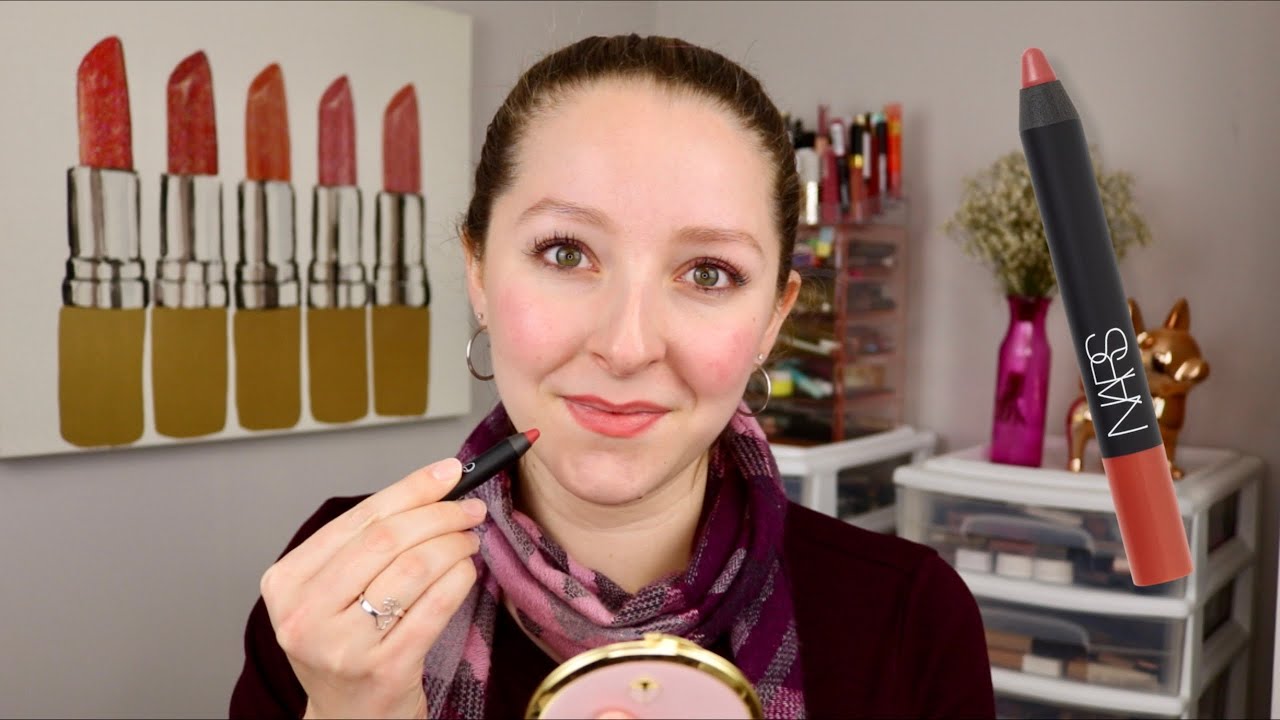
NARS lip crayons contain a wax-based formula that behaves differently than traditional lipstick products. The high concentration of natural waxes creates a softer texture that’s prone to melting under friction.

Temperature affects crayon stability significantly. Heat from friction during sharpening can cause the formula to become too pliable, leading to cracking or breaking.

Color pigment distribution within NARS crayons isn’t uniform throughout the product. Some shades contain heavier pigments that create density variations, making certain areas more brittle than others.

The melting point for most NARS lip crayon formulas sits around 98-102°F. This means even slight heat buildup during sharpening can compromise the product’s integrity.

Common Causes of Cracking During Sharpening

Blade temperature is the biggest culprit behind crayon damage. Dull sharpener blades create excessive friction, generating heat that softens the crayon before it breaks cleanly.

Most people rush through the sharpening process. Quick, aggressive turns put stress on the product rather than allowing clean cuts through the formula.

Using the wrong sharpener size creates uneven pressure distribution. Too large an opening leaves gaps, while too small an opening forces the crayon against sharp edges.

Blade quality matters more than you’d think. Cheap sharpeners with rough or misaligned blades tear through the product instead of slicing cleanly.

Why NARS Crayons Differ from Regular Lip Products

The softer texture of NARS crayons compared to traditional lipstick types requires gentler handling. Regular lipsticks contain harder waxes that can withstand more aggressive sharpening.

How fast is the beauty industry growing?

Uncover the latest beauty industry statistics: market revenue, emerging trends, consumer demographics, and brand dominance worldwide.

See the Insights →

Higher wax content in the formula means more flexibility but also more vulnerability to heat damage. This creates a balance between application ease and maintenance difficulty.

Color payoff relates directly to formula density. Richer, more pigmented shades often contain additional oils that make the crayon even softer and more prone to breaking.

Choosing the Right Sharpening Tools and Equipment

YouTube player

Sharpener Types and Their Effectiveness

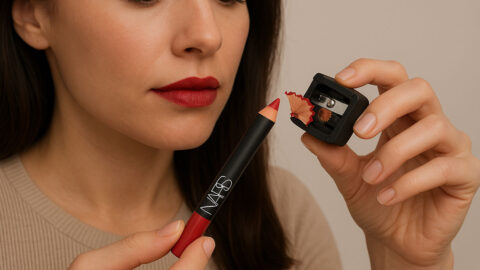
Traditional handheld cosmetic sharpeners work best for NARS lip crayons. Look for ones specifically designed for cosmetic pencils rather than regular writing implements.

Electric sharpeners generate too much heat and work too quickly for soft crayon formulas. The motor speed creates friction that melts the product before achieving a clean point.

Dual-size sharpeners accommodate different crayon widths without forcing the product into ill-fitting openings. Most NARS crayons work well with standard lip pencil sharpener sizes.

Some makeup artists prefer single-blade sharpeners over double-blade versions. Single blades create less friction and allow better control over the sharpening process.

Blade Quality and Maintenance Requirements

Stainless steel blades resist dulling better than carbon steel alternatives. They maintain sharp edges longer and create cleaner cuts through waxy formulas.

Replace your sharpener when you notice resistance during turning or when shavings become chunky instead of thin curls. These signs indicate dull blades that will damage your crayons.

Product buildup on blades affects cutting efficiency. Applying lip liner residue and wax accumulation create sticky surfaces that grab rather than slice.

Cleaning your sharpener after every few uses prevents buildup and maintains blade sharpness. Use a small brush or cotton swab to remove debris from cutting edges.

Additional Tools for Optimal Results

Small makeup brushes help remove sharpening debris from the crayon tip without touching it with your fingers. Heat from skin contact can soften the newly sharpened point.

Keep tissue paper nearby for cleaning sharpener blades between uses. This prevents color transfer and removes waxy buildup that affects performance.

A small container for collecting shavings keeps your workspace clean. You can even save and melt down larger pieces to create custom lip stain colors.

Pre-Sharpening Preparation Techniques

Temperature Control Methods

Refrigerating the lip crayon for 10-15 minutes before sharpening firms up the formula. This prevents the product from becoming too soft during the sharpening process.

Avoid freezer temperatures that make the crayon brittle. Frozen crayons can crack or break entirely when subjected to sharpening pressure.

Room temperature sharpener preparation works best. Cold sharpeners can shock warm crayons, while hot sharpeners (left in sunlight or warm areas) create immediate melting.

Some professionals chill both the crayon and sharpener together. This creates optimal conditions for clean, precise sharpening without temperature shock.

Product Conditioning Steps

Roll the crayon out slightly to check for soft spots or inconsistencies in the formula. Soft areas indicate where cracking might occur during sharpening.

Identify the optimal sharpening length before starting. Most NARS crayons need only 2-3mm of exposed product for effective applying lipstick application.

Remove any existing product buildup from the crayon tip. Old, oxidized product can cause uneven sharpening and affect the final point quality.

Check for hairline cracks in the existing tip. These weak points will likely expand during sharpening, so address them by removing the damaged portion first.

Workspace Setup for Success

Clean, flat surfaces prevent the crayon from rolling or falling during preparation. A slightly textured surface like a clean towel provides stability without dirt transfer.

Proper lighting helps you see exactly what you’re doing. Poor lighting leads to over-sharpening or missing problem areas in the crayon tip.

Organize all tools within easy reach before starting. Having everything accessible prevents rushing through steps that require patience and precision.

Temperature-controlled environments work best. Avoid sharpening in hot bathrooms or cold outdoor areas where temperature extremes affect both the product and your dexterity.

Step-by-Step Sharpening Process

YouTube player

Initial Insertion and Positioning

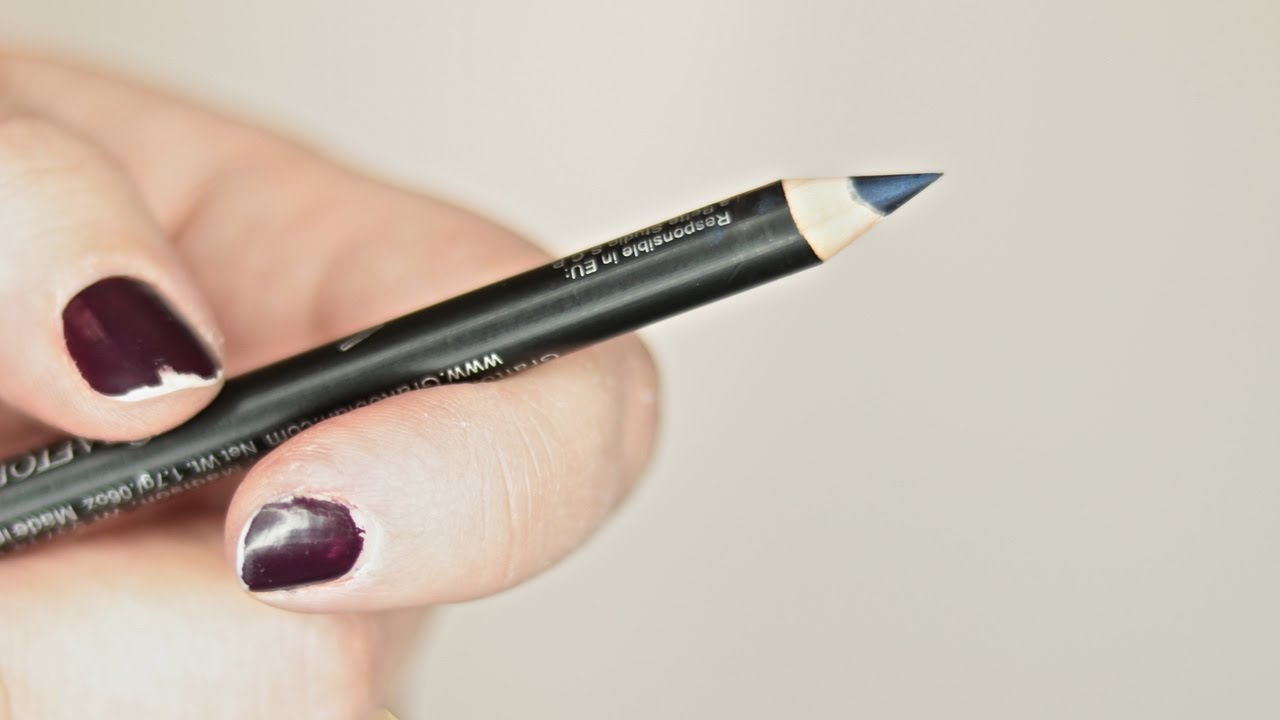
Insert the crayon gently into the sharpener opening without forcing it. The cosmetic pencil should slide in smoothly with minimal resistance.

Check alignment by looking at the crayon tip through the sharpener opening. Misaligned crayons create uneven pressure that leads to cracking or lopsided points.

Never force insertion if you feel resistance. This indicates either wrong sharpener size or debris blocking the opening that needs cleaning first.

The crayon should sit flush against the sharpener blade without gaps. Any space between the product and cutting edge results in poor sharpening quality.

Controlled Rotation Technique

Turn the crayon clockwise slowly using steady, even pressure. Quick jerky movements create stress fractures in the soft formula.

Work in quarter-turn intervals with brief pauses. This prevents heat buildup from continuous friction that can melt the product.

Feel for resistance during rotation and stop immediately if binding occurs. Forced turning when the blade catches will crack or break the crayon entirely.

Watch the shavings as they form. Thin, consistent curls indicate proper blade function, while thick chunks suggest dull blades or wrong technique.

Monitoring Progress

Check your progress after each quarter turn. Over-sharpening weakens the tip and wastes product unnecessarily.

The ideal point length measures about 2-3mm from the wood casing. Longer points break easily during application, shorter ones lack precision for detailed lip liner work.

Stop sharpening when you achieve a clean, even point. Additional turns create unnecessary stress on the newly formed tip.

Pressure Application and Control

Apply light, consistent pressure throughout the sharpening process. Heavy pressure forces the soft formula against sharp blade edges too aggressively.

Let the blade do the work rather than pushing hard. Quality sharpeners cut through waxy formulas with minimal pressure when properly maintained.

Distribute pressure evenly around the crayon circumference. Uneven pressure creates flat spots or irregular shapes that affect application quality.

Release pressure completely between quarter turns. This allows the formula to resettle and prevents stress accumulation in the product.

Troubleshooting Common Sharpening Problems

Dealing with Existing Cracks

Small hairline cracks can sometimes be salvaged by gentle warming. Hold the crayon tip near (not touching) a light bulb for 10-15 seconds to soften slightly.

Remove severely cracked portions entirely before attempting to sharpen. Trying to work around damaged areas usually makes cracking worse.

For partially cracked crayons, sharpen past the damaged area completely. This wastes some product but ensures a stable, usable tip.

Consider the crack pattern before deciding to continue. Cracks running lengthwise along the crayon often indicate formula problems that will recur.

Uneven Sharpening Results

Blade alignment issues cause lopsided or irregular points that affect makeup application precision. Replace sharpeners showing alignment problems immediately.

Different areas of the same crayon can have varying hardness due to formula settling. Work slowly through softer sections to maintain tip shape.

Correct minor unevenness with careful additional sharpening on the thicker side only. Avoid trying to even out by sharpening the entire tip again.

Temperature variations within the product create inconsistent cutting resistance. Let the crayon reach uniform room temperature before sharpening.

Quick Fixes for Minor Issues

Gently roll the uneven tip on clean tissue paper to smooth minor irregularities. This works for very small imperfections only.

Use a clean makeup brush to shape the tip lightly. Brush in one direction only to avoid creating new problems.

Product Waste Minimization

Collect larger shavings in a small container for later use. These pieces can be melted and reformed into custom lip gloss or mixed shades.

Sharpen only when necessary rather than maintaining perfect points constantly. Frequent sharpening wastes product and weakens the crayon structure.

Store crayons properly to prevent tip damage that requires corrective sharpening. Good crayon storage prevents most sharpening problems.

Consider using protective caps or cases for frequently used shades. Prevention costs less than replacement and maintains product integrity longer.

Post-Sharpening Care and Maintenance

Post-Sharpening Care and Maintenance

Immediate Tip Protection

Allow the freshly sharpened tip to set for 30-60 seconds before use. The temperature control from sharpening leaves the product slightly soft initially.

Avoid touching the new point with fingers. Skin oils and heat transfer can soften or deform the carefully shaped tip.

Replace protective caps immediately after the setting period. Exposed tips collect dust and debris that affect application quality.

Test the tip gently on the back of your hand before facial application. This ensures proper firmness and identifies any remaining soft spots.

Setting Time Guidelines

Room temperature settings require minimal waiting time. Warmer environments need longer setting periods for tip stability.

Colder conditions may require gentle warming before use. Very cold tips can feel scratchy or skip during application.

Sharpener Cleanup and Storage

Remove all product residue from sharpener blades using cotton swabs or small brushes. Waxy buildup affects future sharpening performance significantly.

Clean both cutting surfaces and debris collection areas thoroughly. Hidden residue creates bacteria growth and cross-contamination between products.

Store sharpeners in dry locations away from humidity. Moisture causes blade corrosion that ruins cutting edges permanently.

Replace sharpener caps or covers to protect blades from damage. Exposed blades get nicked or dulled from contact with other items.

Maintenance Schedule

Clean sharpeners after every 3-4 uses minimum. Heavy users should clean after each session to maintain optimal performance.

Inspect blades monthly for nicks, dullness, or alignment issues. Early detection prevents damage to expensive cosmetic products.

Crayon Storage Best Practices

Store sharpened crayons vertically with tips pointing upward. This prevents tip deformation from contact with storage surfaces.

Maintain consistent storage temperature between 65-75°F when possible. Extreme temperatures affect formula stability and tip integrity.

Use individual protective cases for frequently used shades. This prevents color transfer and tip damage from contact with other products.

Rotate stock regularly if you own multiple shades. Older products become harder and more brittle, making them prone to sharpening problems.

Long-term Storage Tips

Check stored crayons monthly for signs of formula separation or degradation. Address problems early before they affect sharpening ability.

Keep crayons away from direct sunlight and heat sources. UV exposure and temperature fluctuations damage both formula and packaging.

Consider climate-controlled storage for expensive or frequently used products. Consistent conditions extend product life significantly.

Professional Tips and Advanced Techniques

Makeup Artist Secrets for Perfect Points

Double-sharpening method creates ultra-fine tips for precise work. Sharpen normally first, then use gentle pressure for 1-2 additional quarter turns.

Professional artists chill sharpeners in small coolers during long sessions. This prevents heat transfer that accumulates from repeated use.

Create custom tip angles by rotating the crayon slightly off-center during sharpening. This technique works well for choosing lip liner specific to lip shape needs.

Test sharpness on tissue paper before client application. The tip should glide smoothly without dragging or skipping across the surface.

Advanced Blade Management

Rotate between multiple high-quality sharpeners during busy periods. This prevents overheating any single tool and maintains consistent performance.

Blade angle adjustments help accommodate different crayon formulas. Slightly looser insertion works better for very soft formulas, while firmer contact suits harder crayons.

Professional sharpeners often feature adjustable blade tension. Experiment with settings to find optimal pressure for different NARS shade formulas.

Clean blades with isopropyl alcohol between clients. This removes bacteria and product residue more effectively than dry cleaning methods.

Tool Investment Strategy

Invest in professional-grade sharpeners for frequent use. The cost difference pays for itself through reduced product waste and better results.

Keep backup sharpeners readily available. Equipment failure during important applications can ruin makeup looks and professional reputation.

Warming Techniques for Stubborn Products

Gentle palm warming works for slightly hard crayons. Hold the product in your closed hand for 30-60 seconds before sharpening.

Body heat application through light finger contact along the crayon barrel softens the formula gradually. Avoid direct tip contact that can deform the point.

Temperature conditioning using controlled environments helps with seasonal formula changes. Air conditioning and heating affect product consistency significantly.

Never use external heat sources like hair dryers or hot water. These create uneven temperature distribution that damages the formula permanently.

Climate Adaptation Methods

Adjust techniques based on seasonal conditions. Winter requires longer warming periods, while summer needs cooling preparation.

Monitor humidity levels in your workspace. High humidity softens crayons naturally, while dry conditions make them more brittle.

Seasonal Sharpening Considerations

Summer heat makes crayons extremely soft and prone to melting during sharpening. Refrigeration becomes necessary rather than optional.

Air-conditioned spaces provide ideal summer sharpening conditions. The controlled temperature prevents heat-related formula problems.

Winter brittleness requires gentle warming before sharpening attempts. Cold crayons crack easily under normal sharpening pressure.

Humidity changes affect different formula components unevenly. Some ingredients absorb moisture while others repel it, creating inconsistent texture.

Weather-Specific Adjustments

Rainy days increase ambient humidity that softens waxy formulas. Reduce sharpening pressure and increase cooling time accordingly.

Dry winter air makes crayons harder and more likely to crack. Pre-warming becomes crucial for successful sharpening.

Emergency Fixes and Quick Solutions

Field sharpening when ideal tools aren’t available requires improvisation. Clean craft knife blades can create emergency points when used carefully.

Temporary fixes for cracked tips include gentle finger smoothing of minor irregularities. This works only for very small imperfections.

Travel-friendly sharpening alternatives include pencil sharpeners designed for colored pencils. These often work better than cheap cosmetic versions.

Emergency tip protection uses clean plastic wrap when caps are lost. Secure with small rubber bands to prevent contamination.

Portable Setup Solutions

Create travel kits with backup tools and cleaning supplies. Include cotton swabs, tissues, and isopropyl alcohol wipes.

Compact sharpener cases protect blades during transport. Hard cases prevent damage that affects cutting quality.

Advanced Formula Understanding

Different NARS shade families have varying wax content that affects sharpening behavior. Darker shades often contain more oils that make them softer.

Pigment density influences crayon hardness throughout the product. High-pigment areas may feel harder while binder-rich sections seem softer.

Understand how lipstick ingredients interact with temperature. Some components melt at lower temperatures than others, creating uneven consistency.

Age affects formula stability and sharpening characteristics. Older crayons become harder and more brittle over time.

Formula-Specific Techniques

Adjust sharpening speed based on formula softness. Slower rotation prevents heat buildup in temperature-sensitive formulas.

Recognize when crayon composition has changed due to storage conditions. Modified formulas require technique adjustments for successful sharpening.

Quality Control Methods

Establish sharpening standards for consistent results. Define acceptable tip length, point sharpness, and surface smoothness criteria.

Document successful techniques for different shade families. This creates reference guides for complex or problematic formulas.

Test new sharpeners with less expensive products first. This identifies potential problems before risking premium crayons.

Create backup supplies of frequently used shades. This prevents panic when sharpening problems occur with essential colors.

Performance Tracking

Monitor product waste from different sharpening methods. Track which techniques provide best results with minimal material loss.

Keep records of sharpener blade life and replacement schedules. This helps predict maintenance needs and budget accordingly.

FAQ on How To Sharpen Nars Lip Crayon

Can I use a regular pencil sharpener on NARS lip crayons?

No, regular pencil sharpeners create too much friction for soft cosmetic formulas. Use sharpeners specifically designed for makeup pencils with sharper, cleaner blades that cut through waxy textures without generating excessive heat.

Why does my NARS lip crayon keep breaking when I sharpen it?

Temperature and pressure are usually the culprits. Soft crayon formulas break when too warm or when you apply excessive force. Chill the crayon for 10-15 minutes before sharpening and use gentle, controlled movements.

How often should I sharpen my NARS lip crayon?

Sharpen only when necessary for precision application. Over-sharpening wastes expensive product and weakens the crayon structure. Most users need sharpening after 8-10 applications, depending on usage style and lip care routine habits.

What’s the best sharpener for NARS lip crayons?

High-quality stainless steel blade sharpeners work best. Look for cosmetic-specific models with adjustable openings. Avoid electric sharpeners that generate heat and cheap plastic versions with dull cutting edges.

Should I refrigerate my lip crayon before sharpening?

Yes, refrigeration for 10-15 minutes firms the formula for cleaner cuts. Don’t freeze it though, as extreme cold makes crayons brittle and prone to cracking under pressure.

How do I clean my sharpener properly?

Remove waxy buildup with cotton swabs and isopropyl alcohol after every few uses. Clean blades cut more efficiently and prevent cross-contamination between different crayon shades. Replace when blades become dull or misaligned.

Can I fix a cracked NARS lip crayon tip?

Minor cracks can sometimes be smoothed with gentle finger warmth, but severe damage requires sharpening past the cracked area. Prevention through proper sharpening technique works better than attempting repairs.

What causes uneven sharpening results?

Dull blades, misaligned sharpeners, or inconsistent crayon formula density create uneven points. Blade quality matters more than sharpening speed. Replace worn sharpeners and work slowly through varying texture areas.

How long should a sharpened tip last?

A properly sharpened tip maintains its point for 5-8 applications with normal use. Factors like application pressure, lip liner techniques, and storage conditions affect longevity significantly.

Is it normal for NARS crayons to feel soft?

Yes, NARS uses wax-based formulas that feel softer than traditional lipsticks. This softness enables smooth application but requires gentler handling during sharpening. Different shades may have varying textures based on pigment content.

Conclusion

Mastering how to sharpen NARS lip crayon saves money and preserves your favorite shades for longer use. The techniques covered transform frustrating sharpening sessions into quick, successful maintenance routines.

Temperature control and proper tool selection make the biggest difference in results. Refrigeration prevents heat damage while quality sharpeners create clean cuts through soft formulas.

The investment in professional-grade beauty tools pays for itself through reduced product waste. Good sharpeners last years and work across different cosmetic pencil brands in your collection.

Remember that gentle pressure and patience produce better results than rushing. Each shade may behave slightly differently due to lipstick ingredients and pigment density variations.

Practice these makeup techniques on less expensive products first if you’re nervous. Once you develop confidence with the process, maintaining perfect points becomes second nature.

Your lip makeup application will improve dramatically with properly sharpened tools. Sharp, precise tips allow for better lip liner definition and smoother color application.

Andreea Sandu
Author

Andreea Sandu is a dedicated makeup artist with over 15 years of experience, specializing in natural, elegant looks that bring out each client’s unique features. Known for her attention to detail and warm approach, Andreea works with clients on everything from weddings to special events, ensuring they feel confident and beautiful. Her passion for makeup artistry and commitment to quality have earned her a loyal client base and a reputation for reliable, personalized service.

Pin It