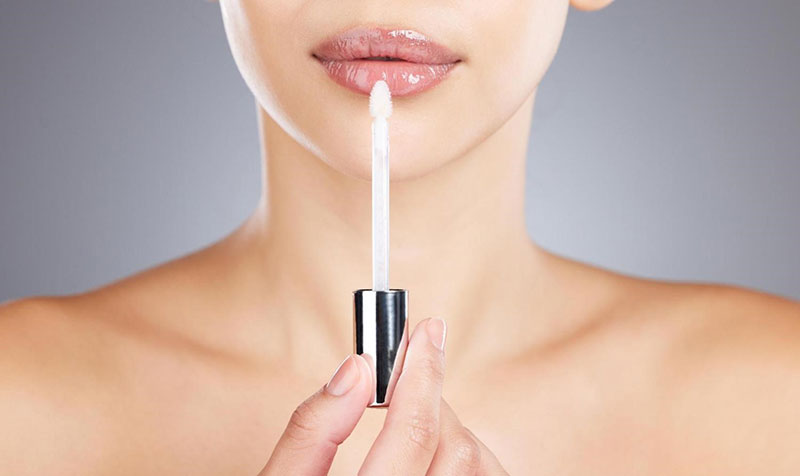
Lip gloss sits in an interesting position in the makeup world. It is simultaneously one of the simplest products to understand on the surface and one of the more technically demanding to formulate well. A gloss needs to deliver shine, comfort, and enough staying power to justify applying it, while feeling weightless enough that wearing it does not become an event in itself. Achieving all of that in a single formula is where the ingredient choices actually matter.
Most consumers never read the back of a lip gloss tube. The ones who do often find a list that looks unfamiliar despite containing ingredients that directly determine how the product feels and performs. Understanding a handful of key components makes evaluating and choosing glosses considerably more straightforward.
The Oil Base: Where Gloss Formula Actually Starts
Every lip gloss begins with a base, and that base is almost always predominantly oil. The choice of oils determines the texture, slip, shine level, and how the product interacts with the natural moisture of the lips throughout the day.
Castor oil has historically been the most common primary oil in lip gloss formulations because of its exceptionally high viscosity. It creates the thick, sticky shine associated with classic gloss, adheres well to the lip surface, and is largely resistant to wiping off with simple contact. The stickiness that some users dislike is a direct consequence of what makes it effective.
Many modern formulations have moved toward blending castor oil with lighter oils to reduce the tackiness while retaining shine. Sweet almond oil, grapeseed oil, and jojoba oil all thin the texture and improve the feel on the lip without significantly reducing the optical properties. Vitamin E oil appears frequently as both a functional ingredient, an antioxidant that extends the shelf life of the oil base, and a conditioning agent that benefits lip skin over time.
The sourcing and quality of these base oils matters more than most finished product labels reveal. Brands that invest in high-grade ingredients at the formulation stage produce glosses that feel noticeably different from those built on lower-quality bases. Indykoils, cosmetic oil supplier for lip and beauty brands, supplies a range of vegetable oils including sweet almond, grapeseed, and apricot kernel specifically for cosmetics and personal care formulations, with batch testing and sustainable sourcing as standard. The quality difference between a carefully sourced cold-pressed oil and a commodity alternative is visible in the finished product even when the formulas look identical on paper.
Shine: How Gloss Gets Its Optical Effect
The characteristic high-gloss finish of lip gloss comes not only from the oil base but from additional ingredients that reflect light from the lip surface. Polybutene and similar synthetic polymers are often added to intensify gloss and increase wear, functioning as a film-forming layer over the lips that resists breakdown through contact and moisture.
Mica particles and reflective pigments take the shine further, particularly in holographic and duo-chrome gloss formulas where the optical effect is a design feature rather than just a byproduct of a wet-looking formula. The particle size of these reflective elements determines whether the finish reads as a smooth glass-like shine or a more glittery, multidimensional effect.
Texture Modifiers and Comfort Agents
Between the base oils and the shine-giving elements sits a range of ingredients that modify how the gloss feels in use. Waxes, typically used in smaller quantities than in lipstick formulations, add structure to prevent the formula from being too fluid while maintaining the characteristic slip of a gloss. Beeswax is common in more natural-leaning formulations. Synthetic waxes such as polyethylene offer more consistency in manufacture.
Conditioning agents beyond vitamin E include panthenol, which supports the skin barrier of the lips and helps retain moisture, and hyaluronic acid, which has migrated from skincare into lip formulations as a humectant that draws moisture to the lip surface. These additions shift a formula from purely decorative into one that provides ongoing benefit to the condition of the lips between applications.
What the FDA Requires on the Label
The US Food and Drug Administration classifies lip gloss as a cosmetic and requires that all ingredients be listed on the label in descending order of concentration, with INCI (International Nomenclature of Cosmetic Ingredients) names used for consistency. Any colorants used must appear from an FDA-approved list for cosmetics applied near or on the mouth, since lip products are frequently ingested in small quantities over the course of a day.
This labelling requirement is the consumer’s most reliable tool for understanding what a formula actually contains. A gloss that lists its oils specifically, by their INCI names, rather than grouping them under vague language is giving you the information needed to evaluate it against others. A gloss that hides the oil base behind general terms while prominently advertising a single active ingredient is telling you something about its formulation philosophy.
Putting It Together
A well-formulated lip gloss resolves the central tension of the category: providing enough gloss and staying power to be worth applying while feeling comfortable enough to wear throughout the day. The base oils determine comfort and initial feel. The viscosity agents determine staying power. The shine-giving elements determine the optical payoff. The conditioning agents determine whether the formula benefits the lips or simply decorates them temporarily.
Reading a lip gloss ingredient list with these categories in mind converts a confusing string of chemical names into a legible description of what the product is actually doing. The brands that formulate deliberately, building each layer of the formula with intention, produce the glosses that feel and wear differently from those assembled from standard base components without that level of consideration. The ingredient list is where that difference becomes visible, if you know how to read it.

She started writing on the site after fielding the same questions from clients and friends often enough to just write the answers down: which red won't turn orange on a warm undertone, how to keep lipstick from feathering into fine lines, why a "12-hour" formula rarely survives dinner.
Every review on the site follows the same rule she uses with paying clients: wear it first, then decide if it's worth recommending.
- How to Make Eyeliner Last Longer Without Smudging - August 31, 2026
- How to Make Eyeshadow Last Longer All Day - August 29, 2026
- How to Find Your Undertone in 5 Easy Steps - August 27, 2026